


Industrial Demand for Chromium Salts
Industrial chromium salts are essential to contemporary production processes and are used in a variety of industries, including electronics and automotive. Of these substances, chromium sulfate (CAS# 10101-53-8) is the most useful and extensively used chromium derivative, making up around 60% of the world's use of chromium salt. Its remarkable water solubility, chemical stability, and capacity to function consistently in a variety of production settings are the key drivers of its rising industrial demand. Chromium salts that provide ultra-low impurities and adjustable formulations to suit strict quality criteria are becoming more and more important to modern industry.


Understanding Chromium Sulfate and Its Industrial Relevance
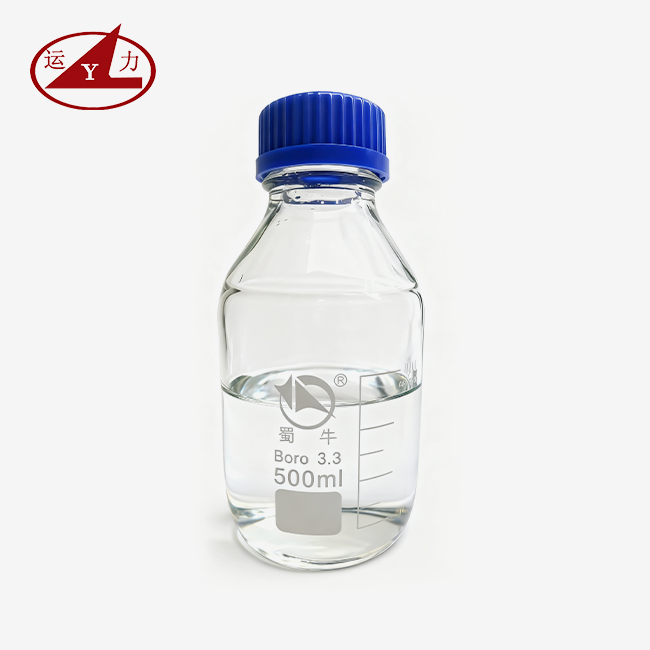
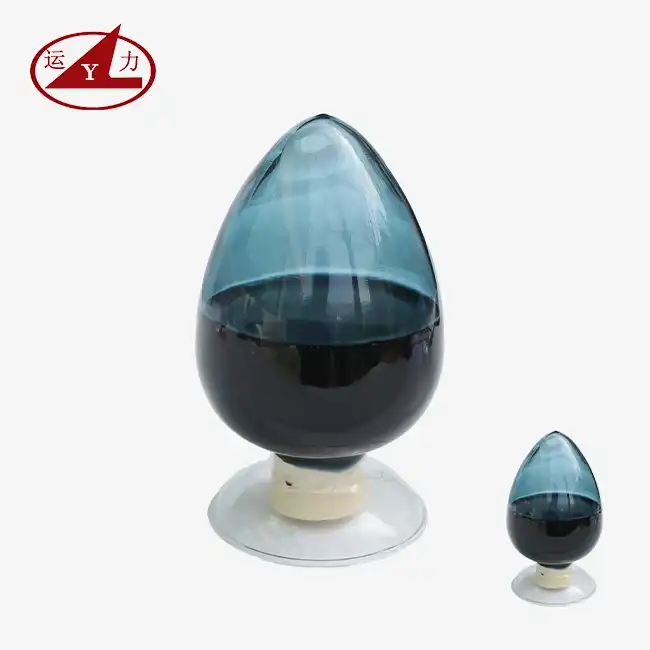
With a molecular weight of 392 and the formula Cr₂(SO₄)₃, chromium sulfate is an essential building ingredient in industrial chemistry. This inorganic compound appears as a grey-blue liquid solution that dissolves poorly in alcohol but has good water solubility. Manufacturers have versatility in processing applications due to the compound's unusual ability to create a variety of hydrated states, from hexahydrate to eighteen-molecule hydrate configurations.
Chemical Structure and Physical Properties
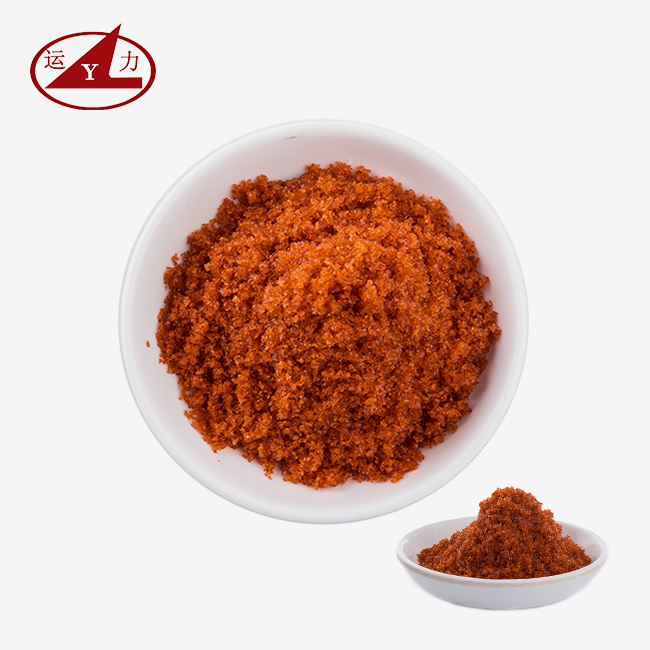
Chromium sulfate is very useful in industrial settings due to its unique physical properties. Quality control professionals can visually analyze it throughout manufacturing processes because of its color fluctuations, which range from green to purple, which signify various hydration conditions and concentration levels. The compound is appropriate for automated production systems because it is stable over a broad temperature range and behaves predictably in aqueous solutions.
The goal of modern manufacturing processes is to achieve ultra-low impurity levels, with improved purification procedures minimizing other metallic impurities and controlling iron concentration to ≤30 ppm. Because of this production accuracy, final goods are guaranteed to satisfy the exacting standards needed by sectors including electronics, medicines, and high-performance materials.
Primary Industrial Applications
Chromium sulfate's adaptability spans many production industries, each using its special qualities for particular uses. It is a perfect precursor for hydrogenation and methanol catalysts in catalyst manufacture, guaranteeing pH stability and avoiding active site poisoning that might impair catalytic performance. Because of its steady chemical behavior, the compound is especially useful in continuous production settings where output quality is directly impacted by catalyst dependability. Chromium sulfate is used in leather tanning processes because it has better color fixing qualities and less of an adverse effect on the environment than other tanning agents.
The low levels of impurities reduce the possibility of undesirable chemical reactions that might compromise worker safety or leather quality. Likewise, the compound offers dependable color binding that satisfies global textile quality requirements in dye mordant applications. Chromium sulfate helps the ceramic and surface treatment sectors by improving the adherence and durability of coatings. It is appropriate for advanced ceramic production and specialized coating applications where thermal stability is crucial due to its compatibility with high-temperature procedures.
Comparing Chromium Sulfate with Other Chromium Compounds
Procurement experts may make well-informed judgments based on particular application needs by knowing the relative benefits of various chromium compounds. Although chromium oxide, nitrate, and chloride all have different qualities, chromium sulfate has certain advantages that make it better for a variety of industrial uses.
Performance Metrics and Chemical Differences
Higher solubility rates are usually provided by chromium chloride, however in certain production settings, it may introduce chloride ions that may lead to corrosion. Chloride may cause issues in applications that need minimal halide content or in equipment used to treat stainless steel. On the other hand, chromium sulfate is appropriate for a wider variety of equipment setups as it offers comparable solubility without the corrosion issues. Although chromium nitrate dissolves quickly, its oxidizing qualities need cautious handling.
In establishments with stringent safety regulations, the nitrate component may provide storage difficulties and disrupt certain organic processes. Similar dissolving rates are provided by chromium sulfate, which also has improved safety profiles and less complicated storage needs. Although chromium oxide has good thermal stability, its poor water solubility limits its applicability in applications involving aqueous processing. Chromium sulfate fills the gap between solution-phase processing and thermal stability requirements, but chromium oxide performs very well in high-temperature solid-phase processes.
Product Grade Selection Considerations
The choice between technical and industrial grades has a big influence on cost structures and performance results. Technical grades are appropriate for the production of pharmaceutical intermediates and electronic materials because they usually have greater purity levels and stricter specification limits. Although these grades are expensive, they consistently perform well in crucial applications where contaminants might lower the quality of the final product.
For situations where modest impurity levels have no influence on the performance of the final product, industrial grades provide affordable options. Industrial grades are often used in ceramic manufacture, simple catalyst preparation, and routine leather tanning processes to reduce production costs while maintaining acceptable quality requirements.
How to Procure Chromium Sulfate Efficiently and Safely?
Successful procurement of chromium sulfate requires careful evaluation of multiple factors that impact both immediate purchasing decisions and long-term operational efficiency. The complexity of industrial chemical procurement demands systematic approaches that balance cost considerations with quality assurance and supply chain reliability.
Supplier Evaluation and Credibility Assessment
Successful procurement of chromium sulfate is based on building connections with reliable suppliers. Documentation of environmental compliance, ISO 9001 quality management accreditation, and proven track records in supporting comparable industrial applications are important evaluating factors. Suppliers having national or provincial technology center designations usually provide better product development and technical assistance. Long-term supply dependability is ensured by financial stability indicators such yearly revenue surpassing RMB 1 billion and significant fixed assets.
These criteria become especially crucial for purchasers who need steady supply over long-term contracts or those who work in sectors where supplier changes need lengthy requalification procedures. Production capacity, quality control systems, and environmental compliance measures should all be evaluated as part of the manufacturing capabilities assessment. Suppliers that possess cutting-edge analytical tools like atomic absorption spectrometers and ICP-MS show a dedication to quality control and are able to provide comprehensive product characterization data.
Packaging Standards and Order Optimization
Many packaging options are available from contemporary chromium sulfate providers to meet a range of handling and storage needs. Granular, powder, and liquid packing choices are standard; each is appropriate for a particular use. While solid forms provide longer storage stability and lower transportation costs, liquid formulations do away with the need for solid handling and allow for direct integration into current process streams.
Significant cost savings are usually obtained via bulk buying agreements, with minimum order amounts of 1000 kg serving as the ideal balance between unit price and inventory expenses. In order to reward bigger volume commitments with better technical assistance and priority delivery scheduling, several providers offer graded pricing schemes.
Regulatory Compliance and Documentation
For foreign shipments, thorough compliance paperwork guarantees efficient customs processing and regulatory clearance. Material Safety Data Sheets (MSDS), certifications of Analysis (COA), and environmental compliance certifications that comply with the laws of the destination nation are examples of essential paperwork. Suppliers with international trade expertise usually have up-to-date paperwork packages that speed up delivery and cut down on customs delays.
While EPA paperwork requirements apply to exports from the United States, REACH compliance certification becomes crucial for destinations in the European Union. Skilled vendors keep up-to-date regulatory knowledge and provide suitable paperwork packages without extra fees or processing delays.
Trusted Suppliers and Market Insights for Chromium Sulfate
The global chromium sulfate supply landscape features several established manufacturers with proven track records in serving diverse industrial applications. Understanding regional supply capabilities and supplier strengths enables procurement professionals to develop robust sourcing strategies that minimize supply chain risks while optimizing cost structures.
Leading Manufacturing Regions and Capabilities
China is the world's biggest producer of chromium sulfate, with producers supplying a wide range of products at low prices. Well-known Chinese producers usually have decades of manufacturing expertise and have created advanced quality control systems that adhere to international standards. Numerous Chinese vendors have obtained ISO certifications and continue to run specialized export businesses with technical support staff who understand English. High-purity specialty grades and tailored formulations for demanding applications are the main emphasis of US manufacture.
For North American clients, American manufacturers often provide better technical assistance and quicker lead times, although they usually charge more than Asian competitors. European providers often focus on specialty formulations and niche uses, providing first-rate technical support and help with regulatory compliance. Quick reaction times and cooperative product development for specific applications are made possible by the close proximity to end customers.
Partnership Development and Long-term Relationships
Creating strategic alliances that go beyond straightforward purchases is often necessary for the successful acquisition of chromium sulfate. Prominent vendors provide thorough technical support, which includes advice on applications, suggestions for process optimization, and help with problems. When buyers establish new procedures or optimize current operations, these value-added services become very useful. The all-encompassing strategy that distinguishes top providers of chromium sulfate is best shown by XiaXian Yunli Chemical Company.
The firm, which was founded in 2005 and has more than 20 years of experience in the sector, has maintained ISO 9001, ISO 14001, and OHSAS certifications while achieving annual sales of more than RMB 1 billion. Their dedication to product innovation and technological excellence is shown by their accreditation as a Shanxi Provincial Enterprise Technology Center. Customizable chromium sulfate formulations with ultra-low impurities and adaptable morphological choices are part of the company's product line.
Their ability to lower Fe/Na/SO₄²⁻ levels in only 72 hours shows that they have sophisticated purification methods that can handle the most demanding application needs. The availability of pre-dissolved liquid feedstock simplifies integration into current process systems and removes the need for solid handling.
Addressing Environmental Impact and Safety in Chromium Sulfate Use
Environmental stewardship and workplace safety considerations play increasingly important roles in chromium sulfate procurement and utilization decisions. Modern industrial operations must balance performance requirements with environmental compliance and worker protection protocols to maintain sustainable operations and regulatory approval.
Environmental Compliance and Mitigation Strategies
Handling chromium sulfate necessitates compliance with extensive environmental requirements that vary depending on the application industry and geographical area. While EPA standards regulate use and disposal methods in the United States, REACH laws in the European Union require comprehensive substance registration and safety studies for chromium compounds. Data from environmental monitoring, waste management methods, and handling processes must all be well documented in order to comply with these standards.
Implementing closed-loop processing technologies that reduce waste production and environmental discharge is one effective mitigation strategy. In order to recover and reuse process chemicals while adhering to discharge regulations, modern industrial facilities include sophisticated wastewater treatment systems created especially for the handling of chromium compounds.
Worker Safety Protocols and Risk Management
Adherence to workplace safety rules and the reduction of occupational exposure hazards are guaranteed by appropriate handling practices. When working with powder formulations, personal protective equipment must include chemical-resistant gloves, safety glasses, and the proper respiratory protection. In order to avoid the buildup of airborne particles or vapors, facility ventilation systems must provide sufficient air exchange rates. Proper handling methods, emergency response protocols, and first aid guidelines unique to chromium sulfate exposure should all be included in training programs.
Frequent exposure monitoring and safety audits guarantee ongoing adherence to occupational health regulations and spot areas for safety enhancements. Procedures for spill control, fire suppression, and medical treatment to possible exposure accidents must all be included in emergency response plans. Appropriate medical treatment techniques and a quick response are guaranteed by coordination with the local emergency services.
Conclusion
The industrial demand for chromium salts continues expanding across diverse manufacturing sectors, driven by their unique chemical properties and application versatility. Chromium sulfate remains the preferred choice for applications requiring high solubility, chemical stability, and low environmental impact. Successful procurement strategies emphasize supplier credibility, product quality assurance, and comprehensive technical support. Environmental compliance and worker safety considerations increasingly influence supplier selection and handling protocols. Strategic partnerships with established manufacturers provide access to customized formulations, technical expertise, and reliable supply chains essential for competitive industrial operations.
FAQ
What grades of chromium sulfate are suitable for leather tanning applications?
Industrial-grade chromium sulfate with iron content ≤30ppm typically provides optimal performance for leather tanning operations. The moderate purity levels offer cost-effective processing while maintaining consistent color fixation and minimizing environmental impact. Technical support from suppliers helps optimize dosing rates and processing parameters for specific leather types.
How can buyers authenticate chromium sulfate supplier credibility?
Verification of ISO certifications, regulatory compliance documentation, and financial stability indicators provides reliable credibility assessment. Requesting customer references from similar industries and reviewing production facility certifications offers additional validation. Sample testing and pilot-scale trials confirm product quality before committing to larger purchase agreements.
What are the best practices for chromium sulfate storage and handling?
Proper storage requires dry, temperature-controlled environments with appropriate ventilation and spill containment systems. Liquid formulations should be stored in corrosion-resistant containers with proper labeling and inventory tracking. Solid forms require moisture protection and dust control measures to maintain product quality and worker safety.
Partner with Yunli Chemical for Premium Chromium Sulfate Supply
Yunli Chemical offers industry-leading chromium sulfate solutions backed by two decades of manufacturing excellence and proven quality systems. Our advanced production capabilities deliver ultra-low impurity formulations with Fe content ≤30ppm and customizable morphology options including granular, powder, and liquid forms. As an established chromium sulfate manufacturer with annual revenue exceeding RMB 1 billion, we provide reliable supply chains and comprehensive technical support for demanding industrial applications. Contact our expert team at wangjuan202301@outlook.com to discuss your specific requirements, request complimentary samples up to 500 grams, and explore our flexible cooperation models with competitive bulk pricing.
References
1. Industrial Chemical Markets Annual Review: Chromium Compounds and Applications, Chemical Industry Association, 2023.
2. Chromium Salt Production Technologies and Quality Standards, International Chemical Manufacturing Council, 2024.
3. Environmental Impact Assessment of Chromium Compounds in Industrial Applications, Environmental Protection Research Institute, 2023.
4. Global Supply Chain Analysis for Chromium-Based Industrial Chemicals, B2B Chemical Procurement Journal, 2024.
5. Safety Protocols and Regulatory Compliance for Chromium Salt Handling, Occupational Safety and Health Research Foundation, 2023.
6. Market Trends and Demand Forecasting for Industrial Chromium Salts, Chemical Market Intelligence Report, 2024.