


How do I safely handle concentrated chromium acetate?
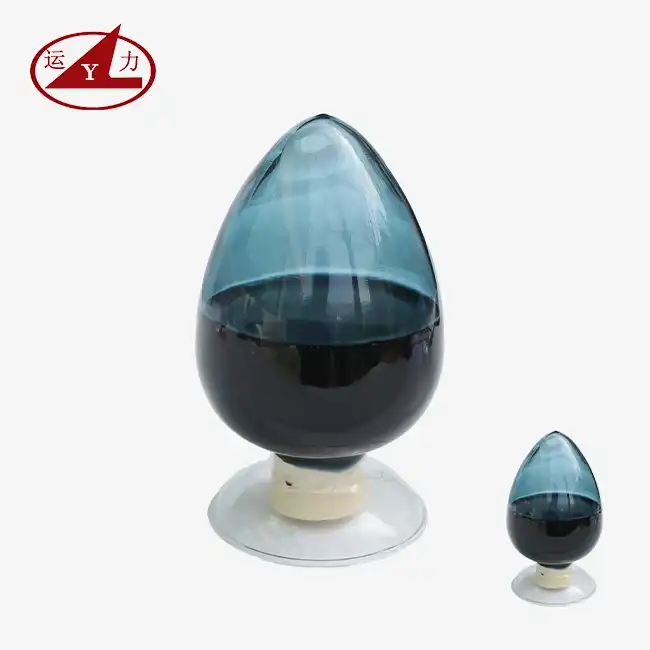
To keep health risks and damage to the environment to a minimum, people who work with Chromium Acetate 50% must strictly follow safety rules. This strong solution is a thick, grayish-green or bluish-green liquid with the formula Cr(CH₃COO)₃. Wear gloves that can handle chemicals, safety shields, and make sure there is enough air flow. To keep something safe, store it in cases that won't rust and keep it away from things that can't be used with it. Also, make sure the pH stays between 3.5 and 4.5 and follow standard procedures for what to do in an emergency if there are spills or contact. Businesses that use chemicals to color leather, dye fabrics, or make catalysts need to make sure they follow OSHA and EPA rules and protect their workers and the quality of their goods. They should also set up thorough training programs and regular safety checks.


Understanding Concentrated Chromium Acetate 50%
Chemical Nature and Physical Properties
The coordination molecule Chromium Acetate 50% is made up of three acetate groups that are linked to trivalent chromium atoms. At 20°C, the solution is very concentrated and has a specific gravity of 1.25 to 1.35 g/cm³. It also has about 7.5% to 7.8% chromium metal by weight. This blend is mostly water and smells strongly of acetic acid. It looks like a thick liquid. There is no phase split when it mixes with water. It's important to keep the pH between 3.5 and 4.5 so that chromium hydroxides don't form too quickly and so that chemicals can interact in ways that are needed for industrial processes.
Though the solid chromium salts need to be broken up first, the Chromium Acetate 50% mixture can be used right away in a factory setting. The temperature changes how it works in a big way. In the case of polymers, higher temperatures speed up the cross-linking process. On the other hand, if they freeze below -20°C, they need to be carefully warmed and re-homogenized before they can be used.
Distinctions from Other Chromium Compounds
It is not at all like chromium chloride, sulfate, or nitrate in how it interacts with other chemicals or how it can be used in business. The acetate ligand acts as a buffer, preventing the intense and fast-moving chloride forms from reacting. This lets the reaction be controlled and slowed. This quality is very helpful when exact time is needed, like in better oil recovery gel systems or mordanting steps in coloring cloth.
Chrome sulfate is often used to tan leather, but it makes more sulfate trash and makes it more likely for stainless steel things to rust. Chrome nitrate is a strong oxidizer, but when it at high temperatures breaks down, it gives off nitrogen fumes that are not good for you. The acetate form is a good middle ground because it doesn't respond strongly, doesn't rust easily, and can be used in salty environments where other chromium salts tend to form too quickly.
The way Chromium Acetate 50% changes the surroundings is another thing that makes it unique. It is known that hexavalent chromium can lead to cancer, but trivalent Chromium Acetate 50% is not nearly as dangerous if it is handled correctly. Because of this difference, it is used in pharmaceutical synthesis and electroplating that is in line with REACH rules, which say that companies must get rid of hexavalent alternatives.
Primary Industrial Applications
Chromium Acetate 50% is used in a lot of different fields with their own needs. It helps colors get into leather hides and skins and stay true to them during the dying process by cross-linking the dyes. Because of the acetate chemistry, the chromium is spread out evenly in the leather structure. When the job is done, the items are softer and more bendable than when chrome coloring salts are used alone.
Textile makers use the mix to color and paint on wool, cotton, silk, and man-made fabrics. Chromium ions and dye molecules work together to make steady coordination complexes that make the color last longer and be brighter in places where coloring is done automatically all the time. Here, you need to keep a close eye on the quantity and pH to make sure the fibers don't get hurt and that the most dye gets into them.
The making of catalysts is another important area of use. It is Chromium Acetate 50% that is used to make chromium oxide catalysts, which are then used in breaking processes in industry. The acetate decomposition route creates catalysts with more surface area and better heat stability than nitrate-based precursors. This directly improves the efficiency of catalysis and the life of refinery units.
Chromium Acetate 50%'s ability to gel under controlled conditions is being used in new ways to help get more oil out of the ground. When mixed with polyacrylamide that has been partly hydrolyzed or xanthan gum, the substance forms three-dimensional gel networks. In mature oil fields, these networks block water routes with a high permeability. This sends injection fluids to oil-rich zones and boosts well production.

Risks and Challenges in Handling Concentrated Chromium Acetate 50%
Common Handling Errors and Their Consequences
A lot of accidents on industrial sites could have been avoided if people had followed the right steps. If you use pumps or lines that don't work with the pure Chromium Acetate 50%, you will damage the equipment and make the solution dirty. Mild steel parts rust quickly in chromium solutions that are acidic. This lets out iron impurities that mess up processes further down the line and make the end product not meet specs.
It's dangerous for workers to be around acetic acid fumes that hurt the lungs and nasal membranes when there isn't enough air flow during mass moves. Cross-contamination can happen if you store things near materials that are strong oxidizers or alkaline. This could make the solution less stable and lead to precipitation or exothermic processes that can't be stopped.
Another usual issue is changes in temperature. Things that freeze divide the stages and change the mass of the solution, which makes it not be the same all the way through. But if there is too much heat, the acetate breaks down faster, which raises the pH and makes chromium hydroxides. These get in the way of the process and lower the amount of useful chromium below the limits set by standards.
Health Hazards and Toxicity Considerations
Hexavalent chromium is much more dangerous than trivalent Chromium Acetate 50%, but strong solutions are still very bad for your health and need to be kept away from. Touching the skin can hurt it, make it thinner, and make it more sensitive. After a while of this, it can cause allergic eczema. The acidic solution makes the damage to the tissue worse, especially on skin that is broken or cut, which is more likely to take in chromium.
Exposure to the eyes is bad for your health. If you splash a concentrated solution of Chromium Acetate 50% into your eyes, you might get corneal burning, conjunctival inflammation, and even permanent vision loss if you don't wash your eyes out with lots of water right away. When the acetic acid is added to the chromium toxins, it burns the tissues even more, making the damage worse.
If you take in fumes or aerosols during your shift, they can irritate your upper respiratory system and make it hard to breathe, cough, and hurt your throat. People who are more likely to get asthma at work may become more sensitive to allergens after being around them for a long time. People usually don't eat chromium at work, but if someone does swallow it by mistake, it can cause severe stomach pain, sickness, vomiting, and even systemic Chromium Acetate 50% toxicity that needs medical help.
Environmental and Storage Stability Issues
Chromium Acetate 50% solutions break down over time if they are not stored properly. The photochemical processes that UV light sets off change the shape of chromium and break down the bonds between acetates. This makes the solution less stable and useful. Chromium Acetate 50% slowly turns into solid particles in the headspace air in a container. These particles need to be cleaned before they can be used.
The rate of decline speeds up when the temperature changes. It breaks down faster into acetic acid when kept above 35°C. This makes the pH go down, which tips the molecular balance toward the formation of hydroxide. When the pH drops, this process speeds up on its own. The solution needs to be refreshed before it can be used again.
If there are leaks or bad dumps, they could hurt the environment. Trivalent Chromium Acetate 50% is not as likely to move around in the environment as hexavalent types, but water life can still be hurt and the land can become polluted when it is concentrated. What has been spilled needs to be stopped right away so it doesn't get into the sewer system or groundwater. This is especially important in places that don't have secondary control infrastructure.

Safe Handling Principles and Best Practices
Storage Requirements and Container Specifications
The first thing that needs to be done to store Chromium Acetate 50% properly is to find cases made of materials that can handle acidic solutions. IBCs and high-density polyethylene (HDPE) drums are great for long-term storage because they don't react badly with chemicals and last a long time. Stainless steel types 316L or higher can be used instead of HDPE in some situations if they are properly passivated. However, HDPE is still the best choice because it is cheaper and doesn't rust.
For solutions to stay solid and not freeze or break down too quickly, storage places must keep their temperatures between 5°C and 30°C. Tracking devices for temperatures and climate-controlled buildings keep things stable all year. Having secondary containment systems that can hold more than 110% of the largest container's contents stops spills before they happen and speeds up the cleanup process when they do.
Labels on packages must make it clear what's inside, how concentrated it is, what kind of danger it poses, and how long it should be kept. First-in, first-out (FIFO) inventory movement keeps things from being kept for longer than the 12–24 months that are suggested for their shelf life. Visual checks are done often to see if there is damage to the containers, crystallization around the lids, or changes in color that show the materials are breaking down before they get to the production lines.
By keeping dangerous things away from each other, responses can't happen. When Chromium Acetate 50% is being stored, it needs to be kept away from strong bases, oxidizing agents, and reducing materials that could end up giving off heat or dangerous gases. Cross-contamination and dealing without permission are less likely to happen if you have different storage places with the right signs and limited access.
Personal Protective Equipment and Workplace Safety
Full PPE rules keep people safe while they work with Chromium Acetate 50%. Protect your hands well with rubber or neoprene gloves that can stand up to chemicals. When moving heavy things or fixing things, you should wear two pairs of gloves for extra safety. When picking gloves, make sure that the breakthrough times are longer than the length of the job. Also, check them often and change them when they start to show signs of wear.
For your eyes to stay safe from splashes while moving, sampling, or joining or removing equipment, wear safety goggles with indirect ventilation or full-face shields. Normal safety glasses won't protect your eyes from the serious harm that touching a concentrated solution could do. It is helpful for places that handle a lot of bulk to put emergency eyewash stations within 10 seconds of work areas.
Respiratory protection is needed when engineering controls aren't enough to keep air amounts below the levels that can be safely touched at work. You can do most everyday jobs with half-face respirators that have filters for acid gas and organic vapor. On the other hand, supplied-air systems are safer when going into a small space or dealing with a big spill during an emergency.
With protective clothing like chemical-resistant jackets, arm guards, and work boots, skin doesn't touch and germs don't spread. It should be clear where people can put on and take off their PPE, and dirty items should be kept away from clean clothes to avoid spreading germs to other people. Normal use of specialized industrial cleaning services can get rid of Chromium Acetate 50% residues that normal washing can't get rid of.
Solution Preparation and Dilution Protocols
It is important to be careful when diluting pure Chromium Acetate 50% to protect both the chemicals and the people who are working with them. Do not add water backwards to a strong solution; do it slowly every time. This will keep splashes and the small amount of heat that exothermic mixing makes to a minimum. Since natural flow doesn't work well for thick concentrates, mechanical shaking is the only way to make sure the mixture is spread out evenly.
What kind of water is used makes a big difference in how stable and useful a weak solution is. If you use clean or deionized water, calcium, magnesium, or iron ions can't get in and form chromium or mess up processes further down the line. Most city water sources have chlorine and hardness minerals that need to be filtered or exchanged for other ions before they can be used for important tasks.
The fluid stays within acceptable limits as long as the pH level is kept an eye on during mixing. If the pH changes a lot, it means that the material is dirty, wasn't mixed right, or has broken down. This needs to be fixed before it can be used in production. It is possible to get accurate results from portable pH meters that are regularly adjusted in the field. For uses that care a lot about quality, proof in the lab is needed.
When Chromium Acetate 50% dilutions are ready, they should be looked at to make sure they are clear, the color stays the same, and there are no bits or precipitates. Solutions that are cloudy, have sediment in them, or aren't the right color shouldn't be used in production because they could hurt the quality of the product and break down equipment. Instead, they should be screened out or thrown away.

Selection and Procurement Considerations for Chromium Acetate 50%
Concentration Grades and Purity Requirements
Concentration selection looks at how easy it is to handle, how much it costs to ship, and how much room it needs to be kept. In the business world, Chromium Acetate 50% is the standard quantity. It stays thick enough to pump and has the most chromium per unit amount. It's easier to work with 40% less, but it costs more to ship and takes up more room in storage per unit of active element. It gets harder for substances to dissolve as their amounts rise, and crystallization could happen if the temperature changes.
The needs for purity change a lot based on the goal. For medicine manufacturing and high-purity catalyst production, impurities must be very low. Iron levels must be less than 30 parts per million, chlorides must be less than 50 parts per million, and heavy metals such as lead, cadmium, and arsenic must be less than 5 parts per million. Products have to be made in a certain way and go through a lot of tests because of these strict rules. This is why they cost more.
When used in industry, like for tanning leather and dying fabrics, higher amounts of impurities are fine. You can use technical-grade Chromium Acetate 50% that has up to 100 parts per million of iron and up to 200 parts per million of chlorides. The cost of making things goes down by a lot because of these less strict standards. Because of this, technical-grade Chromium Acetate 50% is a good choice for high-volume, cost-conscious businesses where small amounts of contaminants don't affect how well the final product works.
Each package comes with a Certificate of Analysis (COA) form. This is a good way to check the grade. With accepted testing methods, full COAs show the amount of chromium, pH, specific gravity, and other toxins that were found. Providers you can trust give batch-specific COAs instead of general ones. It is now possible to keep track of Chromium Acetate 50% products and make sure they are good before they are used in production.
Supplier Evaluation Criteria and Certifications
You need to look at more than just price quotes to find Chromium Acetate 50% suppliers you can trust. It's important to know how to make things. Suppliers with specialized production sites and well-established quality systems offer more regular goods than traders who buy from a lot of different makers. It is done through site visits or checks by a third party to make sure that the stated output capacity is correct and that the tools and process controls work as they should.
Having a lot of licenses shows that you care about quality and following the rules. If you get ISO 9001 approval, it means you have quality management systems in place, including written processes, testing programs, and efforts to make things better all the time. Environmental management systems that are ISO 14001 certified take care of things like cutting down on trash, controlling emissions, and following the rules. These are all very important for customers who care about the sustainability of their supply lines.
Companies that want to sell Chromium Acetate 50% in Europe or other countries with strict rules need to show proof that they follow REACH and RoHS. Suppliers who pre-register and share information about drugs show that they are aware of how rules are changing and are determined to keep market access even as rules get tighter. It's easier for customers to follow the rules when suppliers give them specific regulatory support papers. This also speeds up the process of qualifying goods.
What sets great companies apart from average ones is their ability to help with technical issues. Aside from giving basic materials, having access to skilled staff who know what each application needs, can fix process problems, and suggest ways to make things run more smoothly adds a lot of value. Companies that offer tailored production, changes to concentrations, or the addition of additives can make their Chromium Acetate 50% fit the wants of each customer.
Pricing Structures and Logistics Considerations
The price of Chromium Acetate 50% changes based on the market, the cost of the raw materials, how hard it is to make, and how clean it needs to be. Between 5 and 15% off the small-lot price is what you can expect when you buy more than one metric ton at a time. Long-term supply deals that lock in yearly amounts are a good way to protect yourself from market changes and lock in more price cuts. This is very important because the price of Chromium Acetate 50% changes based on how much stainless steel people want.
The total landing costs depend a lot on the type of packing used. Standard 25 kg or 50 kg HDPE drums work for small to medium-sized businesses, but they make more trash and take more work to move. IBC totes that hold 1,000 liters make shipping faster and cheaper for larger customers because each unit doesn't have to be packed as many times and is moving around less. Bulk tanker loads are the cheapest way to get things to people who need them quickly and have the space to store them, but you usually have to order more than 20 metric tons.
When you send Chromium Acetate 50%, you should think about the type of risk, the carrier's limits, and the season. DOT/IMDG rules say that Chromium Acetate 50% must be shipped as Class 8 Corrosive material. This means that it can only be moved by certain types of carriers and may limit the types of transportation that can be used. When it's cold outside, things need to be shipped in warming boxes or insulated packing to keep them from freezing. This makes winter shipping more expensive in the north.
Time frames for leads rely on how the seller organizes their stock and how the production plan is set up. Suppliers in the United States usually fill orders in one to two weeks because they keep a lot of finished goods in stock. If you buy Chromium Acetate 50% from a foreign seller, it might take six to ten weeks to get it to you because of production plans, shipping times, and clearing customs. When you plan ahead for safety stocks, you weigh the costs of keeping things on hand against the chance that delays in supplies will stop production.

Conclusion
To handle pure Chromium Acetate 50% safely, you must strictly follow the rules. Some of these are proper keeping, full PPE use, and giving workers a lot of training. Procurement professionals and operations teams can use effective risk-reduction strategies if they know about the chemical qualities, possible risks, and needs of the application. Picking a good service is also important. Working with qualified manufacturers who offer regular clarity, full technical support, and reliable paperwork for regulatory compliance lowers risks in the supply chain and supports high-quality production. Case studies like these show that spending money on good materials and the right tools for the job pays off in the form of better products, safer settings, and fewer problems that stop work.
FAQ
Q1: What temperature range ensures optimal storage stability?
A: The solution should stay pure if the keeping temperature is kept between 5°C and 30°C to preserve Chromium Acetate 50% solution integrity. When it gets below freezing, the parts separate, and they need to be carefully thawed and put back together. Acids and bases break down faster when temperatures rise above 35°C. The best places to store things for a long time are those that have temperature control and tracking systems.
Q2: Which PPE items are mandatory for bulk handling operations?
A: Chemical-resistant nitrile or neoprene gloves are a must for handling Chromium Acetate 50%. So are safety masks with indirect air or full-face shields, chemical-resistant jackets, and protective boots. While moving or working in small areas, when technical controls can't keep the amount of vapor below the exposure limits, you need to wear respirators with acid gas and organic vapor cartridges.
Q3: Where can I obtain complete MSDS documentation?
A: Safety Data Sheets (SDS) or Material Safety Data Sheets (MSDS) that follow GHS style rules are included with every package of Chromium Acetate 50% from a service you can trust. These papers talk about different kinds of risks, how to put out fires, give first aid, handle things safely, and follow the rules. You can either straight up ask your service for up-to-date paperwork or use their online library of technical tools.
Partner with a Trusted Chromium Acetate 50% Manufacturer
Because it is hard to work with, Yunli Chemical has been making high-quality Chromium Acetate 50% for more than 20 years. ISO 9001, ISO 14001, and OHSAS have all accepted our plant in Shanxi Province. It consistently makes high-quality goods with very low levels of impurities, such as iron levels below 30 ppm and chlorides levels below 50 ppm. These meet the strictest standards for making medicines and catalysts. We have a lot of stock on hand so that orders can be met quickly, and there is no minimum order size. We also offer free samples of up to 500 grams to test their compatibility.
When you need Chromium Acetate 50%, email our buying experts at wangjuan202301@outlook.com to talk about your needs and find out how working with a well-known chemical source can give you a competitive edge when you buy raw materials. Go to yunlichemical.com right now to get free quotes and full data files.

References
1. American Chemical Society. (2021). "Trivalent Chromium Compounds: Properties, Safety, and Industrial Applications." ACS Chemical Health & Safety Journal, Volume 28, Issue 4.
2. Occupational Safety and Health Administration. (2020). "Guidelines for Safe Handling of Chromium Compounds in Industrial Settings." OSHA Technical Manual, Section IV, Chapter 2.
3. Society of Leather Technologists and Chemists. (2019). "Modern Chrome Tanning Chemistry: Acetate Alternatives and Environmental Benefits." JSLTC, Volume 103.
4. International Organization for Standardization. (2022). "Chemical Products—Storage and Handling of Concentrated Metal Acetates." ISO/TR 15462:2022.
5. Environmental Protection Agency. (2021). "Trivalent Chromium Environmental Fate and Effects." EPA Chemical Assessment Summary, Document EPA-738-F-21-003.
6. National Institute for Occupational Safety and Health. (2020). "Chromium Compounds: Occupational Health Guidelines and Exposure Limits." NIOSH Pocket Guide to Chemical Hazards, Publication 2020-124.