


What are the safety guidelines for handling chromium acetate in an industrial setting?
When working with Chromium Acetate in a business setting, it's important to follow established safety rules. This three-valent chromium substance is often used to dye fabrics, tan leather, and make catalysts. When chemical mist is present, workers must wear the right safety gear, such as chemical-resistant gloves, safety shields, and respiratory protection. Facilities must keep work areas well-ventilated, keep containers in cool, dry places away from materials that don't go with them, and have emergency spill control plans in place. Understanding these basic rules saves workers' health, makes sure that regulations are followed, and keeps operations running smoothly in all industrial settings.


Understanding Chromium Acetate: Chemical and Safety Basics
Chemical Structure and Industrial Relevance
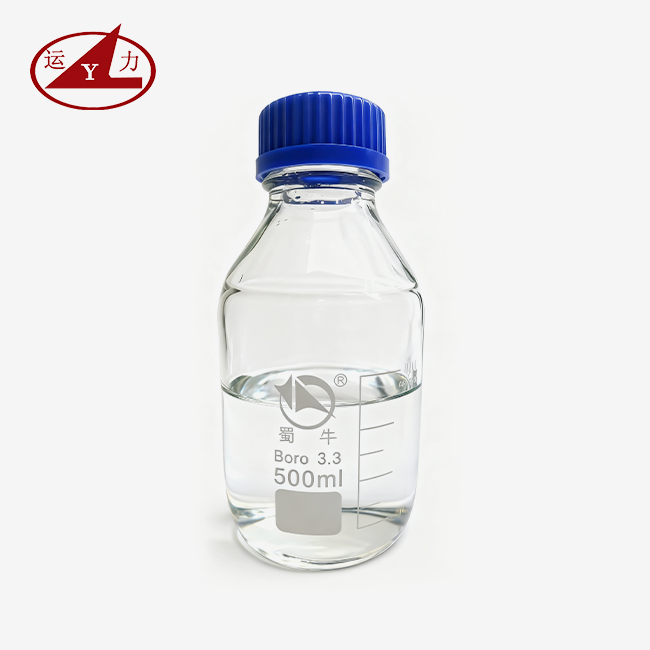
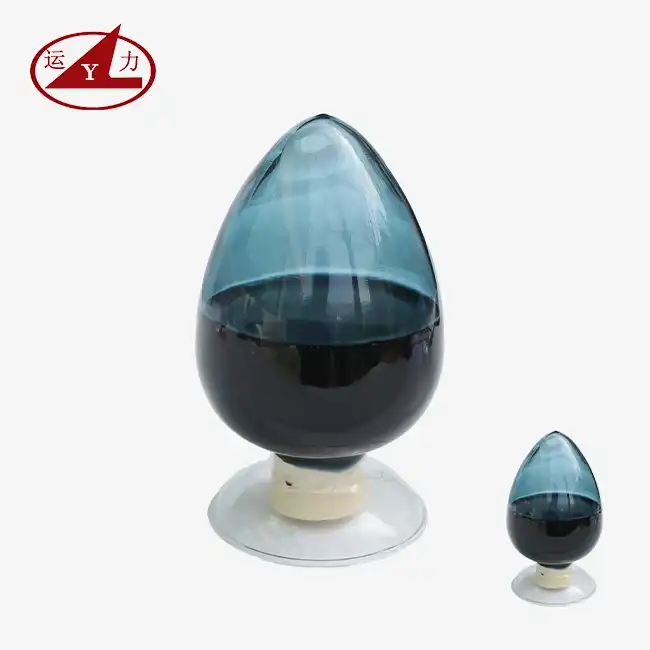
Chromium Acetate is a stable coordination complex that is used in many different businesses. Its molecular formula is Cr(CH3COO)3 and it has a molecular weight of 229.13. When the substance is given as a 50% water solution, it usually looks like a grayish-green or bluish-green thick liquid. This trivalent chromium species is much less poisonous than hexavalent chromium compounds, which makes it a better choice for uses that need solid chromium without the serious health risks that come with Cr(VI) compounds.
This acetate complex is very useful because it stays chemically stable in usual industrial settings. If you keep the solution correctly, it will stay intact for a long time, usually longer than twelve months. In industrial formulas, the pH range of 3.5 to 4.5 stops premature hydrolysis and allows for controlled reaction during application processes. Standard pumping and measuring tools used in industrial sites can work with density values between 1.25 and 1.35 g/cm³.
Primary Industrial Applications
Many different types of production depend on this chromium substance. It is used as a mordant in the textile and leather industries to make colors stick to natural fibers like cotton, silk, and wool. When leather is tanned, chromium ions help cross-linking processes happen that turn raw hides into stable, long-lasting materials that don't break down easily.
Another important application area is catalyst production. This molecule is chosen by chemical engineers as a starting point for making chromium oxide catalysts that are used in organic synthesis and breaking petrochemicals. The acetate ligands break down easily when heated, leaving behind active chromium sites that have the best surface properties. Electroplating companies are using Chromium Acetate solutions more and more instead of hexavalent chromium baths because they are better for the environment. This is especially true for coatings that protect and decorate car parts and machines.
Material Safety Data Sheet Essentials
Material Safety Data Sheets should be carefully read by procurement workers and safety managers before this chemical is brought into their buildings. Key information includes reactivity data, which shows that the substance is safe when stored in the right way but may break down when exposed to strong oxidizing agents or high temperatures above 80°C. The MSDS sheet makes it clear that the trivalent form of chromium is not as dangerous as hexavalent chromium, but it can still irritate the skin if it comes into direct touch with it or if it is breathed in during transfer operations.
Safety data sheets pay a lot of attention to environmental issues. Controlled dumping of aqueous solutions is only possible at approved waste treatment plants that can handle metal-containing effluents. Facilities that produce wastewater with chromium in it need to use the right treatment methods to lower the amounts of dissolved metals below the legal limits for release, which are usually given in parts per million.

Identifying and Analyzing Safety Risks in Handling Chromium Acetate
Health Hazards from Exposure Routes
The most common way that people are exposed to Chromium Acetate in workplace settings is through direct touch with concentrated liquids on the skin. Because commercial versions are acidic, they can irritate the skin, making it red and painful where they touch. People who are vulnerable may have sensitization reactions after being exposed to something over and over again without enough shield protection. People who get allergic contact dermatitis on the job must stay away from that substance in the future to keep the symptoms from coming back.
Most of the time, inhalation risks happen during transfer tasks, like when solutions are pumped between containers or application drums are filled. The liquid itself is not very volatile, but mechanical stirring creates fine mists that contain chromium species that have been dissolved. These particles can hurt the linings of the nose and throat when breathed in. Studies on long-term inhalation exposure show that the lungs might become more sensitive to it, but the risk is still much lower than with hexavalent chromium chemicals.
Making eye contact is also a very big risk. When opening a container, taking a sample, or cleaning tools, a concentrated solution can splash straight onto the eye's tissues. The acidic pH makes the eye hurt right away and could damage the lens if it isn't washed right away. This risk needs to be covered by safety rules through both building limits and wearing eye protection.
Environmental and Operational Risks
When chromium-containing liquids get into the ground or water without being contained, they are called spills. Even though trivalent chromium is less mobile and harmful in the environment than hexavalent forms, it is still considered a priority pollution that needs to be managed carefully. Large-scale releases can pollute groundwater and harm aquatic environments, which can lead to legal measures by the government and costs for cleaning up the damage.
Many safety mishaps are caused by inadequate storage. Containers that aren't made to handle certain chemicals may break down over time, letting chemicals leak out and polluting the floors of the building. Changes in storage temperatures can speed up decomposition processes, changing the chemistry of solutions and making off-spec material that can't be used for its original purpose. When purchasing teams choose sellers, they have to make sure that the packing requirements match the chemical properties of the product being sent.
Root Causes of Workplace Incidents
A study of crashes at work that involved chromium chemicals shows that some things keep happening. Not getting enough training comes in at number one, with workers not fully knowing the right way to handle things, what to do in a situation, and why safety rules are necessary. When employees see rules as unnecessary red tape instead of important safety measures, they are less likely to follow them and more accidents happen.
Another common failure mode is not having enough or good enough personal safety equipment. Facilities that don't offer enough protection, like rubber gloves that aren't made for long-term chemical contact, put workers at extra risk. In the same way, not having emergency eyewash stations within ten seconds of places where chemicals are handled goes against basic safety rules and makes it take longer to give first aid during splash accidents.
Lack of openness from suppliers creates risks that aren't obvious. When makers don't give procurement teams full analytical data, up-to-date safety paperwork, or helpful technical support, they can't fully evaluate the quality of the product and any risks that come with it. This lack of information makes it harder to plan for safety, and you might get material that doesn't meet the specifications or has handling needs you didn't expect.

Core Safety Principles and Best Practices for Industrial Handling
Storage Requirements and Environmental Controls
The right way to store toxic liquid chemicals starts with having places just for them. To keep containers from rusting and solutions from breaking down too quickly, storage rooms should keep the temperature between 15°C and 25°C and the relative humidity below 60%. Protect against leak effects with secondary containment systems that can hold 110% of the biggest container amount. Acid can damage flooring materials, but sealed concrete or chemical-resistant coatings keep acids from getting into structure supports.
The choice of container is very important. For long-term keeping, high-density polyethylene drums and intermediate bulk containers are very resistant to chemicals. In situations where metal containers are desired, stainless steel grade 316L works better, but polymer choices are often cheaper. All packages must have clear labels that show what's inside, how dangerous it is, when it was received, and how to handle it safely. Containers should be inspected on a regular basis to find early signs of wear and tear so that they can be replaced before they leak.
Separation rules say that Chromium Acetate liquids can't be kept near materials that don't mix. Strong oxidizing agents like peroxides, nitrates, and permanganates need to be stored in different areas with physical barriers to keep them from mixing by accident in an emergency. Also, reactive metals like aluminum, magnesium, and zinc should be kept separate to avoid reactions that could be dangerous if materials come into touch with each other when containers fail.
Personal Protective Equipment Standards
Chemical-resistant gloves made of nitrile rubber or neoprene are the first step in complete body safety. During normal working times, these polymers work well as a shield against water-based acidic solutions. When choosing gloves, thickness should be taken into account. For long-term touch situations, a wall thickness of at least 15 mil is suggested. Disposable gloves work well for short tasks like sampling, while reuse styles are better for tasks that need to be done over and over, like filling tanks every day.
Eye and face safety needs depend on the job at hand and the amount of splashing that could happen. For low-risk tasks like watching closed transfer processes, safety glasses with side screens are enough. Chemical splash goggles that seal fully around the eye orbit are required for tasks that involve opening containers, pouring by hand, or taking equipment apart. Facilities should put emergency eyewash stations where they can be reached right away, as required by safety standards (10 seconds).
When technical rules can't properly limit airborne exposure, respiratory protection is needed. Respirators that clean the air and have particulate screens rated P100 keep mist from forming during pumping and stirring. Supplied-air respirators provide better protection during emergency situations or when working in small areas where vapors could build up. To make sure they work, respiratory protection programs need to include fit testing, medical clearance, and training.
Standard Operating Procedures and Emergency Response
Written processes make sure that handling is done the same way every time, even when staff changes or shifts happen. These papers should have step-by-step directions for everyday jobs like receiving and inspecting containers, moving solutions between vessels, taking samples, and using the right methods for each industry. Getting feedback from workers is helpful when making procedures because field workers often find practical ways to improve safety and working efficiency.
Spill reaction procedures make it possible to quickly contain releases. Response kits that are placed near areas where things are stored and used should have absorbent materials like plastic pads or grainy clay that can work with acidic solutions. Neutralizing agents, such as sodium bicarbonate or calcium hydroxide, change free acidity into neutral salts. However, chromium must still be collected and thrown away properly for the job to be complete. Small amounts of less than one liter are usually manageable by trained workers who have the right safety gear and tools. Larger spills need to call in an emergency response team and may require regulatory notice, based on the amount that needs to be reported.
Procedures for managing waste must deal with both solution leftovers and materials that have been tainted. Facilities should keep the right bins for collecting chromium-containing wastes away from other chemical wastes to make treatment and recycling easier. Material Safety Data Sheets give you the trash classification numbers you need to make a manifest for when you take things to approved disposal sites. Companies that are on the cutting edge are looking into chromium recovery methods that can get metals out of waste streams. This cuts down on disposal costs and the damage that garbage does to the environment.

Case Studies: Effective Safety Management of Chromium Acetate in Industry
Leather Tanning Plant Risk Mitigation
Workers at a medium-sized leather tanning shop in the southeast of the United States kept complaining about skin pain from the chromium solutions they used during the dying process. An investigation showed that workers often took off their basic gloves when doing jobs that required a lot of skill, putting their hands directly in treatment baths. The building started a big program to make things better that included many safety issues, especially in handling materials like Chromium Acetate, to ensure proper protection and reduce exposure risks.
As part of changes to procedures, tasks that used to be done by hand had to be done with tools instead. Most situations involving direct touch were avoided by using stainless steel tongs and other specialized handling tools. The company changed the rules for personal safety equipment. They now offer nitrile gloves with longer cuffs and textured areas that make them easier to hold on to when they're wet. Adding more washing stations near the work areas urged people to wash their hands often during breaks.
Textile Manufacturer Training and Compliance Program
During a third-party audit, a textile dying business that worked with wool and silk materials found holes in their safety management system. The building had the right safety gear and processes, but they weren't always followed the same way during different times, which showed that training was lacking. Management created a structured competency program that included classroom teaching, skill demonstrations in the real world, and regular review meetings.
The training covered things like the qualities of chemicals, health risks, how to use and take care of personal safety equipment, how to handle a spill, and what to do in an emergency. As part of practical drills, workers practiced containment and cleanup methods in fake spill situations while being watched. Before working alone with chromium chemicals, competency assessments made sure that every worker knew how to do important safety jobs properly.
Supplier Collaboration and Quality Assurance
After getting reports from customers about inconsistent product quality, a chemical distributor that works with many businesses tightened the requirements for qualifying suppliers. The business understood that safety and quality are two sides of a supplier's work that are linked. As of now, Chromium Acetate providers have to include a lot of scientific information with every shipment. This information has to include the amount of chromium in the product, its pH, a list of impurities, and signs that it is stable.
Aside from the paperwork that had to be turned in, the distributor also did checks of key supplier sites. These tests looked at how things are made, labs for quality control, methods for managing the environment, and safety rules. Suppliers who showed they had better skills were given preferred rank and were able to get bigger orders and longer-term contracts. This method made it more competitive for suppliers to put money into facilities for quality and safety.

Procurement Considerations for Safe and Reliable Chromium Acetate Supply
Evaluating Supplier Credentials and Certifications
Professionals in charge of buying things should give preference to sellers who have quality management certifications that are known around the world. Having ISO 9001 approval shows that a company has written quality systems that cover the production process, testing methods, and ways to keep improving. With this approval, you can be sure that every production batch gets the same level of attention to detail when it comes to meeting specifications, especially for materials like Chromium Acetate.
Environmental management certifications, like ISO 14001, show that a provider is dedicated to reducing the damage their activities do to the environment. For chromium compounds, this includes the right way to treat wastewater, control air emissions, and make the least amount of trash possible. Suppliers with more developed environmental management systems are less likely to break the rules, which could stop the supply chain from working or hurt customers' names.
Credentials that are specific to the industry add even more confidence. Suppliers who work with pharmaceutical applications need to show that they follow Good Manufacturing Practice guidelines and keep records in a Drug Master File for regulatory reports. Companies that want to sell electronic materials can get better products from suppliers who can make them in a lab and follow strict rules to keep contamination from spreading. These suppliers can give companies products with very few impurities that are good for tough uses.
Verification is more than just looking at certificates. It also includes knowing what the certificates cover and keeping them up to date. The people in charge of buying things should make sure that the certifications are still valid, cover the goods they're buying, and apply to the factory that is providing their orders. Asking for recent audit reports or visiting a supplier's site gives you more information about how things really work than just looking at certificates.
Packaging Solutions that Enhance Safety
Standardized bulk packing is safer to handle than a lot of small packages. Intermediate bulk containers that hold 1,000 liters cut down on the number of container changes that need to happen during production, which means that there are fewer chances for exposure during the connecting and disconnecting steps. Most of the time, these bigger vessels have built-in level signs and pumping links that make moving materials safer and more controlled.
The materials used for packaging must stay chemically compatible for as long as they are supposed to be stored. High-density polyethylene is still the most popular choice because it is reasonably priced and does a great job of resisting acidic solutions. The width of the walls of the container should be strong enough to keep them from breaking during shipping and handling. Markings on packages like UN31A or UN31H from the United Nations show that they meet international standards for carrying toxic liquids.
Documentation and Technical Support Access
Safety programs at work need comprehensive Material Safety Data Sheets that are formatted in a way that meets current regulations. MSDS documents must have sixteen sections that include identification, hazard classification, composition details, first aid instructions, firefighting rules, accidental release instructions, handling and storage instructions, exposure controls, physical and chemical properties, stability and reactivity data, toxicological information, ecological information, disposal considerations, transport information, regulatory status, and other details.
Each package comes with a Certificate of Analysis that proves that certain batches meet the standards. Instead of just saying "conformance," these papers should show the real test results for important parameters. The amount of chromium, pH, density, and key impurity levels give expert staff and buying teams the information they need to guess how the process will work. Batch-specific COAs make it possible to track down products if quality issues arise during later production steps.
As rules about safety at work and in the world change, regulatory help becomes more important. Suppliers who keep an eye on changes in regulations can let customers know ahead of time about upcoming changes that could affect how Chromium Acetate products are made, how they are labeled, or how they are handled. This kind of proactive communication lets procurement teams plan changes instead of having to respond to sudden gaps in compliance, which could throw off production schedules.

Conclusion
To safely handle Chromium Acetate in industrial settings, you need to set up the right storing facilities, make sure workers have the right safety gear, write down how to do things, train workers, and build relationships with dependable suppliers. Purchasing choices have a big impact on workplace safety because they determine the quality of the products, how well they are packaged, and how easy it is to get technical help. When facilities see safety rules as necessary parts of their operations instead of rules that they have to follow, they do better in terms of incident rates, environmental compliance, and production efficiency. Protection measures change as technologies do and as people learn more about chemical hazards and control strategies. This is made possible by continuous improvement that is driven by incident analysis, safety checks, and open communication lines.
FAQ
Q1: What makes chromium acetate safer than other chromium compounds?
A: Trivalent chromium, which is found in Chromium Acetate, is much less harmful and less likely to cause cancer than hexavalent chromium products. The trivalent form is better for industrial uses where chromium chemistry is needed but health risks need to be kept to a minimum because it is less likely to be absorbed through the skin and lungs.
Q2: How should small chromium acetate spills be cleaned up?
A: As soon as the spill happens, people need to be able to't get to the area and put on the right safety gear, like gloves and eye protection. To keep the liquid in one place and collect it, absorbent materials like vermiculite or industrial spill pads should be used. Sodium bicarbonate neutralization lowers the acidity before the final cleanup. Materials that are collected must be thrown away as hazardous trash at approved sites.
Q3: What training do workers need before handling this chemical?
A: Chemical properties and dangers, the right way to wear protective gear, safe ways to handle and move chemicals, emergency response methods like cleaning up spills and giving first aid, and where to find and how to use safety equipment like eyewash stations should all be covered in full training. Before workers can do their jobs on their own, they are shown how to do them safely and their skills are checked.
Q4: Can chromium acetate solutions be stored in standard steel drums?
A: Because the acidic solution could rust standard carbon steel containers shouldn't be used. For long-term keeping, high-density polypropylene drums or stainless steel grade 316L containers are good choices because they can handle chemicals. When choosing containers for corrosive products, you should always go with what the seller says and what the industry standard is.
Partner with Yunli Chemical for Reliable Chromium Acetate Supply
Yunli Chemical is a reliable company that makes Chromium Acetate. They have been doing it for more than 20 years and make more than one billion RMB a year. Our business technology center at the provincial level provides Chromium Acetate 50% Solution with confirmed ultra-low impurities—iron below 30 ppm and chloride below 50 ppm—meeting the strict requirements of electroplating, catalyst synthesis, and pharmaceutical uses. We keep our ISO 9001, ISO 14001, and OHSAS certifications up to date and make sure that every batch meets REACH and RoHS standards. Our closed-loop environmental systems also protect the image of your supply chain.
We know that choosing the right provider is the first step to safety, so we offer full documentation packages that include up-to-date MSDS, batch-specific Certificates of Analysis, and full technical help from our experienced engineering team. Our method is flexible, so we can offer unique concentrations between 40 and 60%, different types of packing, from drums to IBC tanks, and free samples of up to 500 grams for testing purposes. We make it easy to try our high-quality material by not requiring a minimum order size and selling it directly from the factory, so there are no markups for distributors. Please email our team at wangjuan202301@outlook.com to talk about your unique Chromium Acetate needs and find out how our focus on stability can help you meet your business continuity and workplace safety goals.

References
1. National Institute for Occupational Safety and Health. (2019). Pocket Guide to Chemical Hazards: Chromium Compounds. U.S. Department of Health and Human Services, Publication No. 2019-116.
2. American Conference of Governmental Industrial Hygienists. (2021). TLVs and BEIs: Threshold Limit Values for Chemical Substances and Physical Agents. ACGIH Signature Publications.
3. European Chemicals Agency. (2020). Guidance on the Compilation of Safety Data Sheets, Version 4.0. ECHA Publications Office, Helsinki, Finland.
4. Occupational Safety and Health Administration. (2018). Hazard Communication Standard: Safety Data Sheets. OSHA Brief, U.S. Department of Labor.
5. International Labour Organization. (2021). Safety in the Use of Chemicals at Work: Code of Practice. ILO Geneva, Second Edition.
6. American Industrial Hygiene Association. (2017). Chemical Protective Clothing: Selection and Use Guidelines. AIHA Press, Falls Church, Virginia.