



How Does Molten Salt Work in Thermal Storage Systems?
Molten salt functions as both a heat transfer fluid and thermal storage medium by absorbing thermal energy when heated during peak solar collection periods and releasing it on demand. The eutectic mixture—typically composed of sodium and potassium nitrates—remains liquid across a wide operational temperature range (142°C to 565°C) without phase change, ensuring consistent thermal conductivity and high specific heat capacity. This dual functionality enables concentrated solar power plants and industrial facilities to capture excess heat, store it in insulated tanks, and dispatch energy during cloudy periods or nighttime, effectively bridging the gap between intermittent energy generation and continuous demand.
Understanding Molten Salt and Thermal Storage Systems
Advanced thermal energy storage depends on choosing materials that can receive, store, and release heat without putting the system's stability at risk. Nitrate-based heat transfer salts have become the standard in the industry because of how well they work and how well they behave at high temperatures.
The Chemistry Behind Thermal Salts
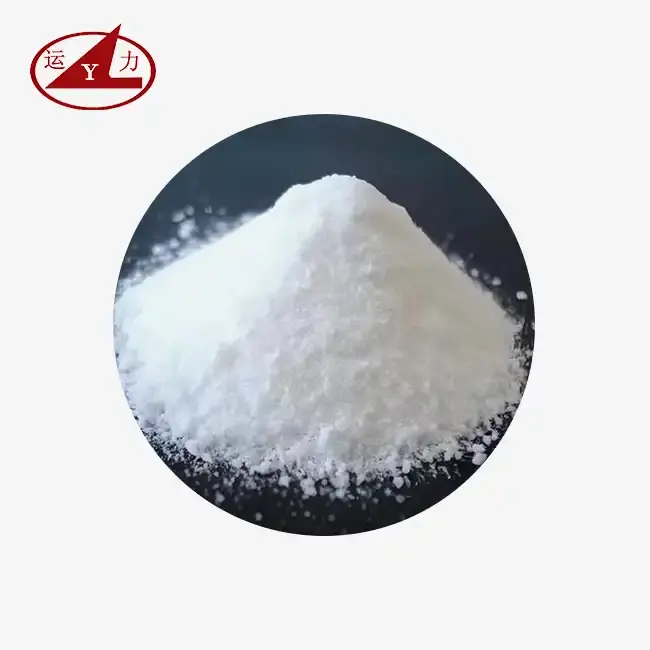
At Yunli Chemical, our high-performance thermal salt is made up of a carefully controlled eutectic mix of potassium nitrate and sodium nitrate. It was designed to have a freezing point of 142°C ± 2°C. This particular composition stops phase separation during repeated thermal cycling, which is a common way for low-quality products to break. The nitrate ions make the material very stable at temperatures up to 565°C while keeping the vapor pressure very low. This means that there are no risks that come with using synthetic oils or steam systems that are under a lot of pressure.
Dual Functionality in Energy Systems
Heat transfer salts play two very important roles in thermal storage systems. During charging cycles, concentrated solar receivers or heat sources from industrial waste raise the temperature of the salt. This turns electrical or radiant energy into stored thermal potential. It can hold more than 1.5 kJ/kg·K of specific heat, which means it can store a lot of energy in a small space. When the thermal energy is released, it either makes superheated steam for the turbine to run on or process heat for manufacturing lines, so the output stays the same no matter what the outside conditions are.
Key Thermal Properties That Matter
For operational success to happen, tolerances must be kept very close in a number of areas. If the thermal conductivity is above 0.5 W/m·K, heat will move quickly, which will reduce the size of the system and its initial cost. Low viscosity at working temperatures (≤5 cP at 300°C) reduces the need for pumps and energy loss from waste. The fact that there is no phase change during the working window gets rid of the stresses that come from growth that affect water-based systems and organic fluids.
Advantages of Using Molten Salt for Thermal Energy Storage
By comparing different thermal storage technologies, we can see why nitrate-based systems are most common in big setups. The highest temperature that our thermal salt can work at is what makes it different. While synthetic oils break down quickly above 400°C and organic fluids carbonize, our thermal salt stays chemically stable up to 565°C, which makes Carnot more efficient in power generation cycles.
Economic and Operational Benefits
Large concentrated solar power projects need storage capacities of many tons, and the costs of the materials directly affect their ability to make money. Because nitrate salts are a common raw material, their prices are stable. This is not the case for specialty chemical compounds, whose prices can change due to changes in the supply chain.
Molten Salt is the primary medium used for thermal energy storage in these systems, and its composition must be carefully controlled to ensure long-term performance. Maintenance times are much longer because corrosion rates are very low when chloride pollution stays below 500 ppm. This is a strict requirement that we strictly apply at our provincial-level technology center through ion chromatography testing.
Environmental and Safety Considerations
Aside from the initial cost, salt-based systems are cheaper over their entire life. Compared to hydrocarbon alternatives, the fact that it is not flammable lowers insurance costs and makes safety rules easier to follow. When atmospheric pressure is used, thick-walled pressure tanks are not needed. This means that 40–60% less structural steel is needed in most setups. Over the course of 25 years, these factors add up to a better return on investment for both developers and industry users.
Thermal fluids are getting more and more attention from regulators, especially when it comes to how long they stay in the environment and how toxic they are. Nitrate salts have natural benefits; when they break down, they create harmless nitrogen oxides and carbonates instead of long-lasting biological pollution. Our factory has ISO 14001 certification, which shows that we care about environmental management during production.
Taking care of procedures stays simple. When it comes to transporting and storing, hardened salt doesn't pose as many serious risks as pressured steam or volatile organic compounds. Remelting is done according to standard electrical heat-tracing methods, and double temperature tracking keeps pipes from breaking because of freezing. It turns out that operations teams can learn faster than complex synthetic fluid systems that need special tools for disposal and renewal.
Molten Salt Thermal Storage System Components and Working Mechanism
To do the execution right, you need to know how the different parts work together in the bigger heat loop. Let me show you how a standard installation that serves a 100 MW concentrated solar power plant is put together.
Core System Elements
The thermal battery is made up of insulated storage tanks that are usually set up as hot and cold pairs. The hot tank keeps the salt at 565°C, and the cold tank gets return flow at 290°C. This makes a 275°C delta that turns water into steam. The size of the tank depends on how much energy it can hold. For example, a facility that wants to store a full load for 10 hours would need about 28,000 tons of thermal salt, which would be stored in carbon steel vessels with multi-layer ceramic insulation that loses less than 1°C of heat per day.
Heat exchangers connect the system that makes steam to the salt loop. Shell-and-tube designs made of 316L stainless steel don't rust when exposed to chloride stress, and they keep their thermal efficiency above 90%. Pumps move salt around the heat gathering field and storage circuit. Vertical platform designs keep seals from getting dirty from outside sources. All wet pipe is made of stainless steel alloys, and during maintenance shutdowns, impedance heating makes sure that temperatures never drop below the melting point of salt.
Operational Cycles Explained
When there is a lot of sunlight, solar receivers heat the salt that moves through the tower or trough field from 290°C to 565°C. This charged salt builds up in the hot tank, which is called thermal inventory. When there is a lot of demand for electricity or not enough sunlight, the operators change the flow. The hot salt goes through steam generators, giving up heat to make superheated steam for the turbines, and then it goes back to the cold tank to start the cycle over.
The beauty is in separating energy production from energy collection. Photovoltaic systems only make electricity during the day, but salt-buffered plants send power based on signs from the power grid. Molten Salt plays a key role in this flexibility, as it retains thermal energy for hours after sunset, allowing these plants to respond to grid signals reliably. They also take part in other service markets and get higher prices when demand goes up in the evening. Because of this, solar energy can be used as dispatchable baseload power instead of irregular power.
Comparative Analysis: Molten Salt vs Other Thermal Storage Technologies
When procurement teams look at storage options, they have to deal with different technologies making different claims. Let me explain the differences that matter for industrial and utility applications that use a lot of power.
Performance Against Alternative Media
At first glance, synthetic thermal oils look good because they have lower freezing points and are well known in the HVAC business. But the highest temperature that can be used is around 400°C, which limits the steam parameters and cycle efficiency. Byproducts of degradation build up, which means that fluid replacement is needed on a regular basis, which is expensive and bad for the environment. Our nitrate-based solution works 150°C hotter and stays stable for decades if it is handled correctly.
People are interested in phase change materials because they can store a lot of hidden heat. In practice, though, they have trouble because of limited thermal conductivity that calls for large fin arrays and limited working windows that aren't good for the temperature changes that happen naturally in solar thermal plants. Even though battery storage has response times in milliseconds, it is still too expensive for utility scale 8-hour charging lengths.
Addressing Corrosion Concerns
The biggest technical problem with nitrate salts is making sure they are compatible with different materials. Stress corrosion cracking happens in austenitic stainless steels at high temperatures when they have impurities, especially chlorides above 50 ppm. Because of this worry, we used ICP-MS to check every production batch, making sure that the chloride content was less than 500 ppm and usually less than 100 ppm. When you combine high-purity salt with the right metal and nitrogen blanketing (which stops nitrite oxidation), you get corrosion rates below 20 microns per year, which are negligible over the length of the system.
Some sellers offer their own special corrosion inhibitor packages, but it's important to be honest. Instead of adding things that might cause surprising reactions, our method focuses on using pure starting materials and keeping the process under tight control. This approach has been proven to work by 20 years of production experience working on CSP projects on four continents.
Procuring Molten Salt for Thermal Storage Systems: What B2B Clients Need to Know
When choosing a supplier, you have to look at their skills beyond the basic product specs. Molten Salt is not a generic commodity—its purity, thermal stability, and long-term performance directly determine system efficiency and maintenance costs. Poor thermal salt has effects that go beyond just the cost of the materials; they also threaten project completion dates, the reliability of equipment, and, in the end, financial performance.
Critical Evaluation Criteria
The first screen is the certification paperwork. ISO 9001 quality management makes sure that performance is the same from batch to batch, and OHSAS workplace health compliance shows that safety rules are being followed during production and packing. These certifications put our plant among the first in China's nitrate field. They show that we have strict process controls that make sure our products are reliable.
Production capacity needs to be carefully looked at. Most CSP projects need between 20,000 and 40,000 tons of filling material at first, and they need to keep adding more. Suppliers who don't have their own dedicated production lines may have trouble meeting delivery deadlines, which could put construction milestones at risk. Yunli Chemical can make more than 100,000 tons of nitrates every year, and our schedule is open enough to fit the needs of each project.
Logistics and Technical Support
Coordinating bulk packing, moisture protection, and regional distribution is needed to move packages of several tons of salt. We keep our own export operations going, so there are no markups or contact delays from third parties. Flexible packing, such as 25 kg bags, bulk supersacks, and isotank cases, can be used in places where entry is limited.
Support after delivery is what sets experienced suppliers apart from commodity brokers. Our expert team helps with the first steps of melting, gives advice on nitrogen purging systems, and offers fixing help during startup. This partnership method lowers the risks of starting a business and speeds up the time it takes to start running, providing value beyond the product itself.
Conclusion
In conclusion, nitrate-based heat transfer salts are the most well-developed and cost-effective way to store thermal energy for large-scale industrial and renewable energy uses. The technology has been used in hundreds of sites around the world and has a track record of success. Molten Salt is also safer and better at handling heat, which makes it the mainstay of dispatchable solar power output.
Material purity, supplier dependability, and technical support skills determine the system's success in the end. This means that choosing a vendor is more of a strategic decision than a simple matter of buying things. As the world's energy systems move toward green sources, thermal storage solutions will become more important for keeping the grid stable and reducing carbon emissions in industry.

FAQ
What causes molten salt systems to freeze during shutdowns?
Nitrate-based thermal salts harden at around 142°C, so they need to be kept at that temperature all the time by using electrical heat tracing on all the wet parts and pipes. Modern systems use two sets of impedance heating circuits that keep an eye on the temperature all the time. This way, the salt never gets below 150°C, even when there are long maintenance periods. The right way to build a system includes thermal insulation and control code that stops freeze events that could block flow lines.
Can thermal salt operate in carbon steel piping?
For cold tank uses below 350°C, carbon steel is enough. But for hot-side pipes, you need stainless steel types (304H, 316L, or 321) to keep the scale from forming when the temperature goes above 450°C. The highest working temperature and expected service life affect the choice of material. We offer mechanical consulting as part of our technical support services. This helps our customers get the most out of their material costs while also making sure that their products will last for a long time.
How long does thermal salt remain viable before replacement?
When used correctly—with nitrogen blanketing to stop oxidation, impurity limits being met, and thermal overstress being avoided—high-quality thermal salt can last for 20 to 30 years before it needs to be replaced in large amounts. Carbonate buildup and nitrite breakdown are tracked by sampling on a regular basis (every year or every six months), and chemical reconditioning can be used if parameters change outside of what is expected. The fact that they last so long is a big economic benefit compared to organic fluids, which need to be replaced every three to five years.
Partner with a Trusted Molten Salt Manufacturer
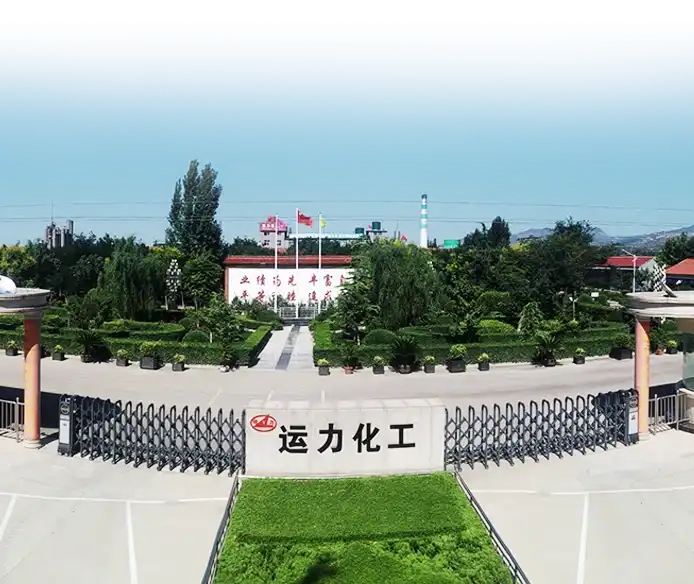
Invest in a Reputable Molten Salt Producer. Yunli Chemical has been making nitrates for more than 20 years and works with thermal storage developers and industrial clients in North America, the Middle East, and other places. Our technology center at the regional level and full quality control infrastructure, which includes ICP-MS and ion chromatography, make sure that the products we sell are pure and protect your investment.
We offer factory-direct prices with no middlemen, amounts that can be changed to fit the needs of each project, and free samples of up to 500 grams for you to try out first. Contact our team at wangjuan202301@outlook.com to talk about your project needs when your facility needs a reliable thermal salt supplier with proven delivery capabilities and technical depth. You can look at all of our nitrate products at yunlichemical.com.
References
1. Bauer, T., Laing, D., and Tamme, R. (2012). "Recent Progress in Alkali Nitrate/Nitrite Developments for Solar Thermal Power Applications." Molten Salts Chemistry and Technology, Wiley-VCH.
2. Bradshaw, R. W., and Siegel, N. P. (2008). "Molten Nitrate Salt Development for Thermal Energy Storage in Parabolic Trough Solar Power Systems." Proceedings of ES2008 Energy Sustainability Conference, ASME.
3. Fernández, A. G., Gomez-Vidal, J., Oró, E., Kruizenga, A., Solé, A., and Cabeza, L. F. (2019). "Mainstreaming Commercial CSP Systems: A Technology Review." Renewable Energy, Volume 140, Pages 152-176.
4. Goods, S. H., and Bradshaw, R. W. (2004). "Corrosion of Stainless Steels and Carbon Steel by Molten Mixtures of Commercial Nitrate Salts." Journal of Materials Engineering and Performance, Volume 13, Issue 1.
5. Mehos, M., Turchi, C., Vidal, J., Wagner, M., Ma, Z., Ho, C., Kolb, W., Andraka, C., and Kruizenga, A. (2017). "Concentrating Solar Power Gen3 Demonstration Roadmap." National Renewable Energy Laboratory Technical Report NREL/TP-5500-67464.
6. Zhao, C. Y., and Wu, Z. G. (2011). "Heat Transfer Enhancement of High Temperature Thermal Energy Storage Using Metal Foams and Expanded Graphite." Solar Energy Materials and Solar Cells, Volume 95, Issue 2, Pages 636-643.