


What Is Calcium Nitrate Solution 45-50% Used For?
Calcium Nitrate Solution 45-50% liquid serves as a versatile, ready-to-use aqueous formulation delivering both calcium and nitrate-nitrogen to agriculture, concrete, and wastewater treatment industries. Unlike hygroscopic solid forms prone to caking, this liquid concentration eliminates dissolution steps, reduces labor costs, and ensures precise dosing in fertigation systems, concrete acceleration, and odor-control applications. Procurement managers value its streamlined handling and consistent nutrient delivery for high-stakes commercial operations.

Overview of Calcium Nitrate Solution 45-50%
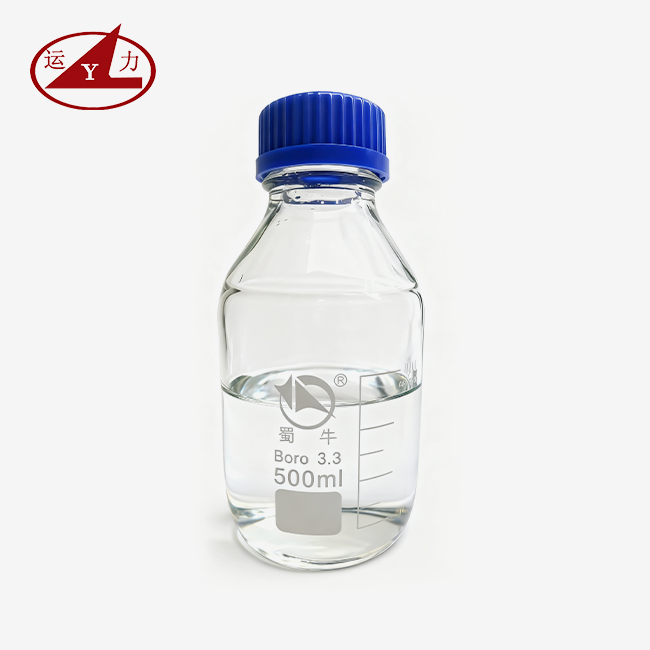
Calcium Nitrate Solution 45-50% liquid is a carefully balanced liquid made up of calcium nitrate tetrahydrate (Ca(NO₃)₂·4H₂O, CAS# 13477-34-4) that has been dissolved in water. This clear to slightly yellowish liquid has a molecular weight of 236.15 and a specific density of 1.40 to 1.50 g/cm³ at 20°C. It contains about 8–9% nitrate nitrogen and 16–18% calcium oxide equivalent. The pH of the fluid is usually between 0 and 1, which means it can be used in most farming and industrial systems without changing the pH too much.
Physical and Chemical Characteristics
The recipe is very good at dissolving in water and doesn't have much viscosity, so it can be easily added to fine-nozzle watering equipment and drip irrigation networks. The crystalline solid form breaks down at 132°C, but the liquid form stays chemically stable at room temperature as long as it is stored properly. But it doesn't dissolve in nitric acid. It still mixes well with water, methanol, ethanol, and acetone. As an oxidizing agent, the solution needs to be handled carefully around flammable materials and with protective gear to keep it off the skin, since concentrated forms can burn the skin.
Storage and Handling Protocols
For proper storage, temperatures above 5–10°C are needed to stop crystallization, which can happen when the solution reaches its relatively high saturation point. Tanks fabricated from stainless steel grades 304 or 316, or high-density polyethylene (HDPE), provide corrosion resistance, whereas mild steel and copper alloys deteriorate rapidly.
The solution stays chemically stable for over two years when kept in compatible containers that are sealed and out of direct sunlight. This is a lot longer than the time it takes for hygroscopic solids to break down when exposed to humidity. International exports must follow the ADR and IMDG classifications for dangerous goods. This makes sure that all B2B supply chains are safe.
Primary Uses of Calcium Nitrate Solution 45-50% in Agriculture
Calcium Nitrate Solution 45-50% liquid is mostly used in agriculture because it has better working properties and more nutrients than solid options. Calcium makes cell walls stronger, lowers the risk of diseases like blossom-end rot in peppers and tomatoes, and makes fruit firmer. Nitrate nitrogen helps plants grow leaves, make chlorophyll, and do photosynthesis well without losing as much nitrogen as ammoniacal nitrogen sources do.

Fertigation and Soil Amendment
Modern irrigation systems inject the liquid straight into water streams, getting uniform nutrient spread across big crop areas. According to operational comparisons from commercial greenhouse operators, this method gets rid of the need for time-consuming dissolution tanks for solid fertilizers. This cuts down on labor costs by about 15 to 20 percent. The low viscosity of the liquid keeps emitter-based drip systems from getting clogged, and the fact that it is available right away speeds up nutrient uptake during important growth stages like blooming and fruit set.
Hydroponic and Soilless Cultivation
Growers who use hydroponics depend on the solution's balanced composition and high solubility to keep nutrient reservoirs stable. Calcium chloride adds chloride ions that stop potassium absorption. Calcium nitrate, on the other hand, gives you calcium without chloride and nitrate that is easily absorbed. Since ammonium isn't present, pH doesn't change in recycling systems.
This keeps electrical conductivity stable and stops calcium precipitation, which can clog fine screens. When commercial hydroponic lettuce, tomato, and strawberry farms switch from solid to liquid calcium sources, crop yields go up by 10 to 15 percent because the nutrients stay stable longer.
Foliar Application
When applied directly to leaves, diluted versions fix severe calcium shortages faster than soil applications. This is especially true for plants that don't have many transpiration streams that can move calcium up. Sprays on the leaves of plants with a dose of 0.5 to 1.0% can fix tip burn in cabbage, bitter pit in apples, and cracking in cherries. The liquid mixture works with most herbicides and growth regulators, so it can be mixed in a tank. This makes field work easier for big veggie and fruit farms.
Beyond agriculture, the solution's oxidizing and calcium-providing properties unlock critical industrial applications. Understanding these alternative uses helps procurement teams identify cross-industry sourcing opportunities and negotiate volume-based pricing advantages.
Industrial Applications Beyond Agriculture
Concrete Set Acceleration and Antifreeze
Calcium Nitrate Solution 45-50% liquid is used in the construction industry as a non-chloride booster to help concrete harden faster, especially when it's cold outside and the temperature is close to freezing. The liquid mixes evenly into the concrete, which speeds up the early strength development and lets the formwork be taken off earlier than with batches that aren't sped up.
Calcium nitrate keeps the structure strong while counteracting the effects of plasticizers that slow things down. This is in contrast to chloride-based accelerators that eat away at reinforcing steel. Ready-mix concrete providers like liquid mixes because they can be precisely dosed by volume using automatic batching systems. This makes sure that the performance is the same for all pours.
Wastewater Odor Control
The solution is injected into sewer lines by municipal wastewater networks to stop the production of hydrogen sulfide (H₂S), which gives off the smell of "rotten eggs" and damages concrete structures with biogenic sulfuric acid. Adding nitrate makes the environment anoxic, which forces anaerobic bacteria to use nitrate oxygen instead of sulfate oxygen. This gets rid of both the smell and the corrosion at the source. Treatment facilities with more than 100,000 residents use continuous dosing schedules, which means that tens of thousands of liters of medication are used every month. This means that bulk sellers have a lot of chances to get their products.
Latex Coagulation and Specialty Chemistry
The solution is used in rubber processing plants to coagulate natural latex, which separates into rubber particles that can then be dried and processed. The calcium ions make latex emulsions less stable without adding heavier metals that would lower the quality of the result. Specialty chemistry companies use it in mixtures that need to give calcium in a controlled way, like heat transfer fluids and some catalyst preparations. For these specific uses, very low amounts of impurities are needed—iron below 30 ppm, sodium below 50 ppm, and chloride below 50 ppm. This makes supplier quality assurance methods an important factor in the buying process.
Comparative Analysis: Calcium Nitrate Solution 45-50% vs Alternatives
A lot of the time, buying choices depend on how Calcium Nitrate Solution 45-50% liquid compares to solid types and other calcium or nitrogen sources. The total cost of ownership is affected by the different cost structures, handling needs, and performance profiles of each option.
Liquid vs Solid Calcium Nitrate
Solid calcium nitrate granules or prills require dissolution infrastructure, including mixing tanks, agitators, and filtration systems to remove undissolved particles. Monitoring the dissolution process takes time and money, and hygroscopic solids that are kept incorrectly form concrete-hard lumps that waste materials and damage packages.
Liquid formulations don't have any of these problems because they are already ready to be injected into fertigation systems or concrete batches. When cooking and mixing equipment is not in use, it uses less energy. But because they contain more water, liquid products have higher shipping costs per ton. This makes them more cost-effective for customers in the same region or who order bulk tanker loads.
Calcium Nitrate vs Calcium Chloride
Calcium chloride is cheaper than calcium, but it adds chloride ions to the soil that make it harder for plants to take in potassium and magnesium and hurts crops that are sensitive to salt, like peppers and strawberries. Because calcium nitrate gives plants nitrogen at the same time, it essentially gives two nutrients at once and eliminates the need to buy separate nitrogen fertilizer. This two-in-one feature often makes up for the higher unit price, especially when both calcium and nitrogen needs are high, like when plants are growing quickly.
45% vs 50% Concentration Trade-offs
The difference in concentration changes the temperature at which crystals form, the weight of transport, and the nutrient density. Solutions at 50% have a little more active ingredient per liter, which means that less freight is needed to supply each unit of nutrition. However, the higher saturation makes it more likely that crystallization will happen during transport in the winter, so heated storage or insulated shipping containers are needed.
People who live in mild climates usually choose 45% formulations because they are more stable at low temperatures. People who live in warmer places or have heated storage facilities, on the other hand, prefer 50% concentrations because they are easier to transport. Yunli Chemical lets buying teams change the concentration from 10 to 50 percent and the pH from 4.0 to 7.0, so they can make sure that the specs fit their business infrastructure.

Procurement Insights for Calcium Nitrate Solution 45-50%
To find Calcium Nitrate Solution 45-50% liquid, suppliers must be carefully checked for quality, dependability, and compliance. To get a steady supply at a good price, buyers have to deal with things like minimum order quantities, lead times, and complicated logistics.
Supplier Quality Assurance
Reliable producers have quality management systems that are ISO 9001-certified and give SGS-validated purity records that show the amount of calcium, nitrate, and heavy metals in the product. To meet the standards for organic certification and keep the soil from getting contaminated, arsenic, lead, and cadmium levels must be below 10 to 20 parts per million (ppm).
Catalyst-grade formulas need even tighter limits—iron below 30 ppm—so that catalyst active sites don't get poisoned. Check the specific gravity, water-insoluble matter (<0.01%), and ammoniacal nitrogen (<0.05%) of each production batch by asking for a certificate of analysis (CoA). Suppliers who let you change minor elements, like adding magnesium or boron, show advanced manufacturing skills that specialty fertilizer makers can use.
Logistics and Pricing Factors
Shipping in intermediate bulk containers (IBCs) or tanker trucks lowers the cost per liter by a large amount compared to drum quantities. For tanker transports, the minimum order amount is usually 25 metric tons, which is enough for large-scale fertigation operations or concrete batching plants.
Lead times for stock formulations are five days, while lead times for custom concentrations or pH changes are three weeks. Transport costs per ton go up with distance, so customers who don't live near major shipping routes can save money by buying from regional suppliers. Talk about yearly framework deals to lock in prices during the busiest times of the year for agriculture, when demand goes through the roof and spot market rates rise 10-15% above normal levels.
Regulatory Compliance
For European markets, international exports must be registered with REACH, which proves that the product meets safety standards for health and the environment. If the material goes into certified organic production chains in North America, buyers make sure it is on the EPA and USDA organic input lists.
Export paperwork includes UN-certified packaging statements, hazardous goods categories, and phytosanitary certificates for farming end uses. Suppliers with self-operated export divisions, like Yunli Chemical, streamline customs clearance and reduce lead time uncertainty compared to intermediaries unfamiliar with hazardous liquid shipping protocols.
Global markets are dominated by well-known suppliers like Haifa and Yara, which have large distribution networks and technical support resources. However, direct-from-manufacturer buying from ISO-certified facilities like Yunli Chemical—operating since 2005 with yearly revenues exceeding RMB 1 billion—delivers similar quality at 10-20% lower cost by removing intermediary markups.
Maximizing Value: Application Tips and Best Practices
If you want to get the most out of Calcium Nitrate Solution 45-50% liquid, you need to pay close attention to doses, compatibility, and keeping. These methods cut down on waste, keep tools from breaking, and make sure that farming or factories always do their best.
Crop-Specific Dosing Guidelines
Greenhouse tomatoes gain from 150-200 ppm calcium in nutrient solutions, translating to approximately 1.5-2.0 liters of 45% solution per 1,000 liters of watering water. Leafy greens need lower concentrations (100–150 ppm) so that they don't get too much vegetative growth that makes them tough. Timing applications to coincide with rapid cell expansion phases, such as early fruit development, maximizes calcium incorporation into cell walls before tissue differentiation occurs. Using different amounts of calcium at different times during the growth cycle keeps the calcium level steady without overburdening the roots' ability to absorb it.
Compatibility and Mixing Precautions
Do not mix concentrated phosphate or sulfate fertilizers directly with calcium nitrate solutions. Calcium phosphate and calcium sulfate precipitates will form right away and clog drip emitters and irrigation lines. Keep the stock tanks separate and add calcium nitrate and phosphate through separate fertigation channels that only mix in watered-down irrigation streams. Since it works with most pesticides and foliar nutrients, it can be mixed in a tank and sprayed on. However, stability tests should be done in jars before it is used on a large scale in the field. Spray equipment made of stainless steel or HDPE doesn't rust, so it lasts longer than equipment made of aluminum or mild steel.
Storage Discipline
If the temperature outside drops below 10°C in the winter, you should insulate or heat-trace your storage tanks to stop ice that stops pumps from working and requires expensive tank cleaning. Install level sensors to monitor inventory and schedule reorders before depletion interrupts production schedules. Use first-in, first-out (FIFO) rotation for drum stock to get rid of older items before they go bad, though quality can last longer than two years in properly sealed containers. Ventilate sealed storage areas to get rid of any nitrate fumes that are released when tanks are filled. This will protect the health of the workers' lungs.
Case Study: U.S. Greenhouse Operation
A greenhouse grower in California that sells tomatoes to high-end stores switched from using solid calcium nitrate to using Yunli Chemical's 45% liquid version. Because the liquid didn't contain any particles, dissolution work went from 12 hours a week to zero, and emitter jamming cases went down by 80%. Tomato stiffness scores improved by 12%, lowering post-harvest losses during cross-country shipping. Total calcium fertilizer costs fell 18% despite a 5% higher per-ton price for liquid product, driven by labor savings and waste elimination. The grower now gets a full micronutrient nitrate suite—calcium, magnesium, and zinc—from a single provider, easing buying and combining freight costs.
Conclusion
In comparison to solid forms, Calcium Nitrate Solution 45-50% liquid offers operational simplicity, reliable nutrient availability, and cross-industry adaptability. Agricultural buyers get fertigation that doesn't dissolve, lower labor costs, and better crop quality. Industrial users can get accurate doses for speeding up the curing of concrete and reducing the smell of wastewater.
Successful buying hinges on seller quality assurance, transportation optimization, and concentration selection matched with regional temperature and infrastructure. Businesses can get this important chemical input in a reliable and cost-effective way by working with ISO-certified makers that offer flexible formulas and stable supply chains. The benefits of the liquid format make it worth using in modern gardening and building that wants to save time and money.
FAQ
What storage temperature prevents crystallization?
Keep the storage above 5–10°C, based on the quantity. 50% solutions harden more easily than 45% solutions. Tanks that are insulated or heat-traced lower the risk of freezing rain in warm areas during the winter.
Can I mix this solution with other fertilizers?
Do not mix directly with sources of phosphate or sulfate, as this will cause calcium to precipitate. Inject through separate fertigation lines that only mix with irrigation water that has been weakened. When sprayed on plants, most pesticides and foliage nutrients work well together.
How long does the solution work after it's been opened?
The solution stays chemically pure for more than two years if it is kept in sealed, suitable containers out of the sun. Unlike hygroscopic solids, which absorb water and break down, liquid formulations keep their structure even after being stored for a long time.
Is the solution corrosive to equipment?
HDPE and stainless steel (304/316) don't rust very easily. When they come into contact with water, mild steel, copper, and aluminum parts break down quickly. Choose fittings, pumps, and storage tanks made from materials that are appropriate to keep your equipment from breaking down or getting contaminated.
Partner with Yunli Chemical for Reliable Calcium Nitrate Supply
With over 20 years of nitrate production experience and ISO 9001-certified quality processes, Yunli Chemical is a market-leading producer of Calcium Nitrate Solution 45-50% liquid. Our factory in Shanxi Province is a Provincial Enterprise Technology Center that provides industrial-grade purity that can be used in agriculture (iron below 30 ppm, sodium below 50 ppm) at a price that is 10–20% less than branded imports. We get rid of the problems that come with solids dissolving, which saves money on energy and time while ensuring stable packaging for 12 months.
Custom changes to the concentration (10–50%), pH tuning (4.0–7.0), and trace element adds are made to meet your exact needs for fertigation or concrete mixing. With free 25 kg samples sent within five days and bulk tanker supplies starting at 25 tons, you can test without any risk. Our self-run export division takes care of REACH paperwork, ADR/IMDG compliance, and door-to-door delivery to markets in North America, Europe, and the Asia-Pacific region. Get in touch with wangjuan202301@outlook.com to talk about bulk prices, technical formulation help, and how our environmentally friendly production meets your ESG procurement requirements.
References
1. Smith, J.R. and Thompson, K.L. (2021). Liquid Fertilizer Applications in Modern Agriculture: Best Practices for Nutrient Management. Agricultural Chemistry Press.
2. Peterson, M.D. (2020). "Calcium Nutrition in High-Value Horticultural Crops: Sources, Timing, and Efficacy." Journal of Plant Nutrition, 43(8), 1123-1145.
3. Anderson, G.W. and Roberts, H.F. (2019). Concrete Admixtures: Chemical Accelerators and Their Applications in Cold Weather Construction. Construction Materials Institute.
4. Liu, Q. and Zhang, Y. (2022). "Wastewater Odor Control Using Nitrate-Based Technologies: A Review of Municipal Applications." Water Environment Research, 94(3), 456-472.
5. Martinez, C.A. (2020). Hydroponic Nutrient Solutions: Formulation, Management, and Crop Performance. Greenhouse Technology Publishers.
6. Williams, T.J. and Kumar, S. (2021). "Comparative Economic Analysis of Solid versus Liquid Calcium Sources in Commercial Fertigation Systems." Agricultural Economics Review, 15(2), 88-104.