


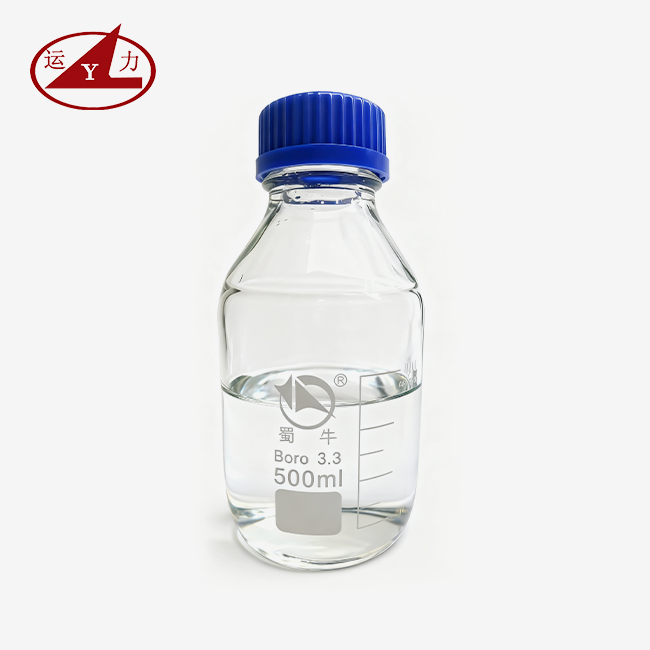
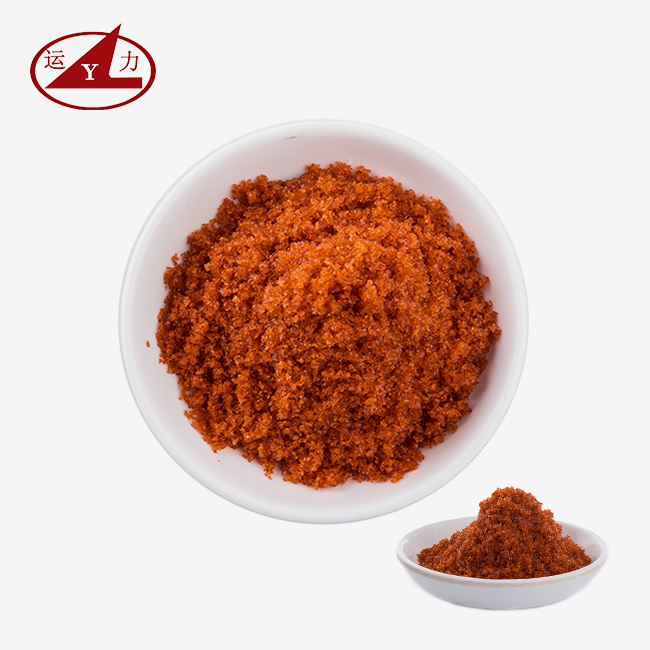
How Does Zinc Nitrate Solution Behave During Evaporation Processes?
When industrial professionals work with Zinc Nitrate Solution (CAS 10196-18-6, molecular formula Zn(NO₃)₂·6H₂O), understanding its evaporation behavior becomes critical for maintaining process efficiency and product quality. During evaporation, this aqueous solution undergoes concentration increase, progressive crystallization as water content diminishes, and potential thermal decomposition if temperatures exceed specific thresholds.

The solution's hygroscopic nature means moisture absorption can counteract evaporation under humid conditions, while elevated temperatures accelerate water loss and eventually lead to hexahydrate crystal formation around 36.4°C. Controlling these parameters ensures stable production outcomes across electroplating, catalyst synthesis, and surface treatment applications where precise zinc ion concentrations determine final product performance.
Introduction
In order to create fertilizers, coatings, and manmade materials, Zinc Nitrate Solution is a crucial chemical that is used in numerous businesses. Being aware of how this oxidizing agent works during the evaporation process impacts the speed and accuracy with which goods are produced as well as the safety of the workplace. As a B2B procurement manager, supply chain professional, or technical engineer, you need to know more about how evaporation works in order to make better equipment, waste less material, and find trustworthy suppliers.
Making sure that safety rules for oxidizing materials are followed during evaporation keeps production from having to stop for long periods of time because of crystallization-caused blocks. You will learn useful things about thermal behavior, controlling concentrations, and quality control in the sections that follow. These are things that experienced operators use to keep their businesses running in tough industrial settings.
Understanding Zinc Nitrate Solution and Its Key Properties
Chemical Composition and Industrial Concentrations
Zinc Nitrate Hexahydrate is a white, tetragonal crystal with a molecular weight of 297.47. Most industrial liquids have a 40–50% w/w concentration and give off zinc and nitrate ions in a water form that is easy to use. The solution is very acidic, with a pH range of 1.0 to 4.5. Because of this, it needs to be kept in containers made of high-density polyethylene or stainless steel 316 that doesn't rust.
It is 2.065 g/cm³ dense when it comes to solid Zinc Nitrate Hexahydrate. On the other hand, the density of liquid solutions varies from 1.35 to 1.55 g/cm³, based on how concentrated they are. Because it breaks down quickly in water and alcohol, the substance can be used in many situations where ions need to be spread out evenly.
Thermal Stability and Safety Considerations
Hexahydrate crystals turn into dry form at 36.4°C, which is the freezing point. This substance can change forms while being stored or moved in hot places because its melting point is low. If the weather changes, the temperature in the storage area could rise above this important level. Operators need to keep a close eye on this.
Zinc Nitrate Solution is a Class 5.1 oxidizer that makes stuff burn faster when it comes in contact with organic or flammable stuff. The MSDS sheets from certified makers stress how important it is to store things away from acids, reducing agents, and things that can catch fire. When things are heated, nitrogen gas doesn't build up if there are good ventilation systems in place. In line with OSHA rules, this keeps workers safe from breathing-related risks.
Physical Properties Affecting Evaporation
It makes a big difference how fast Zinc Nitrate Hexahydrate disappears because it can attract water molecules. It's possible for solutions that are left out in the open to gain water when there is a lot of humidity. By taking in water, business sites can stop water from evaporating, so they need to keep the environment in check. How quickly water evaporates at different temperatures is based on vapor pressure factors. When temperatures are above 50°C and air pressure is normal, water loss speeds up. Factory environments need to be carefully controlled because of these traits so that stability is reached from one batch to the next.
The Evaporation Process of Zinc Nitrate Solution: Mechanisms and Effects
Concentration Changes During Water Loss
The amount of liquid that is left in Zinc Nitrate Solutions goes up as water is taken away. The density, viscosity, and activity coefficients of the fluid change because of the concentration difference. Since evaporation takes a long time in open containers at room temperature, operators can guess how the concentration will change over time. When you store things in covered storage, there isn't much concentration shift that could mess up processes further down the line.
Water is taken out on purpose in industrial evaporation processes to reach certain concentrations or make solid products. Heating this process in a controlled way speeds it up, but the temperature needs to be kept very low. When it gets above 100°C, water disappears quickly, and when it gets close to 150°C, things start to break down thermally. To get the most work done without hurting the materials, workers must find a mix between how much work needs to be done and how stable the materials can be at high temperatures.
Crystallization and Precipitate Formation
It starts to form crystals of Zinc Nitrate Hexahydrate when the amount is high enough. Most of the time, this condensation starts where air and liquid meet. The top layer gets thicker as water evaporates. Then, as the fluid keeps drying out, crystals begin to form on top of it. The hexahydrate form is most common below 37°C. This form makes the clear tetragonal crystals that are talked about in technical specs.
A lot of things affect how fast it rains, like how fast the water evaporates, how the solution moves, and how evenly the warmth is spread out. Rapid evaporation makes crystals that are bigger and less regular when fluids don't move. Controlled crystallization with slow heating and constant mixing makes particles that are smaller and more uniform. These particles dissolve more easily in later uses. Engineers can make equipment that keeps transfer lines and pumps from forming too quickly if they know how these crystallization processes work.
Thermal Decomposition Risks
It starts to break down when you heat Zinc Nitrate Solutions above a safe level. This lets out oxygen and nitrogen oxides. These things start to break down around 150°C. It gets worse when the temperature goes up to 200°C, because the mix quickly breaks down at that point. Zinc Nitrate Solution is very easy to break down, which makes this process very dangerous because the oxygen that is released can speed up the burning of nearby plants or equipment.
When the temperature drops, the solution changes color from clear to yellow or brown, gas bubbles appear, and an unpleasant smell comes from the release of nitrogen oxide. It is possible to avoid these decomposition thresholds by keeping an eye on the temperature during the whole evaporation process. Adding automatic shutoff systems that turn off when temps get too hot or too low is another way to make high-volume production safer.
Comparing Zinc Nitrate Solution Evaporation with Other Zinc Compounds
Evaporation Behavior Versus Zinc Sulfate
When it evaporates, Zinc Sulfate is more stable at high temperatures than Zinc Nitrate Solution. It can handle temperatures above 200°C without breaking down much. However, Zinc Sulfate doesn't dissolve as easily, so it crystallizes more quickly when it is concentrated. This could make it hard for tools to work at smaller concentrations. The sulfate form also makes crystals that are different sizes and shapes, which changes how they break and flow when they are used.
Zinc Nitrate Solution needs to be handled in a certain way because it oxidizes, but Zinc Sulfate does not. Sulfate solutions don't change much when they're heated, but nitrate solutions need neutral air or controlled oxygen to keep them from reacting with oxygen in bad ways. Because of this difference, the materials used to make tools and the way things are run in places that deal with both substances are different.
Residue Formation Patterns
When Zinc Nitrate Solution dries out and evaporates, it leaves behind solid particles that break down quickly when they come in contact with water again. If the temperatures of decay are kept below a certain amount, these leftovers will keep their stoichiometric shape. On the other hand, zinc chloride leaves behind hygroscopic residues that quickly soak up water from the air. This makes it harder to store and handle dried goods.
There is a direct link between the processing conditions and the quality of the Zinc Nitrate Solution residue that has evaporated. By letting it evaporate slowly and carefully at room temperature, you can get crystals that are very pure and can be used as starting materials for catalysts. When something evaporates quickly or gets too hot, it leaves behind mixed-phase residues that have decomposition products that make the material less valuable in places where it needs to be very pure, like when making electronics.
Application-Specific Advantages
Zinc Nitrate Solution is very useful when its ability to react helps it do its job during or after evaporation. When heated to a high level, nitrate fully breaks down into zinc oxide. It doesn't leave behind any dangerous anions that could hurt the active sites. The ability of nitrate to react is used in surface treatment mixes to help a thick phosphate layer form during controlled evaporation in baths for conversion coatings.
Because Zinc Nitrate Solutions can mix with both water and alcohol, you have more options for how to make them than with zinc salts, which are less soluble. There is a wide range of amounts that operators can change without having to worry about rain. This means that it can be used for a lot of different things, from weak mordant baths for cloth to strong catalyst impregnation solutions.
Optimizing Zinc Nitrate Solution Usage During Evaporation for Industrial Applications
Controlled Evaporation in Fertilizer Production
Evaporation of Zinc Nitrate Solution is used to make micronutrient-rich pellets with a precise zinc content. This process is used to make fertilizer. Weak solutions are turned into very small particles by spray drying, which is then done in hot rooms. Small Zinc Nitrate Solution particles are made when water evaporates quickly here. These particles mix evenly with NPK base fertilizers. If you change the temperature and size of the droplets, you can stop decomposition before it starts and get the right amount of moisture for safe keeping.
Batch evaporation methods concentrate liquid feeds before they are ground. The managed warmth in these jacketed tanks helps get rid of water slowly, while keeping temperatures below the point where organic matter starts to break down. Agitation gets rid of hot spots that are too concentrated and could cause crystallization on heat transfer surfaces. During production runs, this keeps the tools clean and the heat running well.
Surface Treatment Process Applications
Zinc Nitrate Solution baths are used for electrogalvanizing, and the chemicals in the baths stay within certain ranges by controlling how much water evaporates. As time goes on, the bath gets stronger because water evaporates, so it needs to be dampened regularly to keep it at the right consistency. Automatic tracking systems add water to make up for the water that evaporates and is dragged out. They do this by measuring specific gravity or conductivity instead of concentration.
It is used as an accelerator in phosphor lines to make the coating conversion baths go faster. These baths work at high temperatures, where loss rates are very high. The chemistry in the bath can get off if too much water is lost. Planned evaporation, on the other hand, brings together active species. Covering tanks when they're not being used to work on parts keeps the temperatures stable and stops water from evaporating when it's not needed. This way, coatings can form quickly when work resumes.
Storage and Handling Best Practices
Keeping the concentration correct and evaporation losses as low as possible while storing something saves its value. Air makes evaporation happen faster, but air stays out of containers that are sealed and don't have much headspace. In climate-controlled storage sites, temperatures stay below 25°C. This slows down the rate of evaporation and stops the phase changes that happen at 36.4°C, which is the freezing point. Bulk storage tanks have floating roofs or nitrogen blankets that cover the area where the liquid meets the air. This keeps the liquid from evaporating.
They should use closed systems that keep air out while the pumps are going when moving things from one tank to another. Automatic shutoff quick-disconnect couplings keep leaks and spills to a minimum while the couplings are being connected and disconnected. By taking these steps, you can protect the product's quality and lower the risk of acidic fumes in the workplace, which happen when concentrated solutions heat up and mix with air.
Procurement Considerations for Quality Assurance
Getting Zinc Nitrate Solution from companies that give full technical paperwork makes sure that the stuff you get is always the same. On the Certificates of Analysis (COA), it should say the zinc level, the free acidity, the specific gravity, and the minor metal elements (mostly iron, copper, and lead). To back up safe workplace programs that follow the rules, MSDS documents need to show oxidizer classification and breakdown risks correctly.
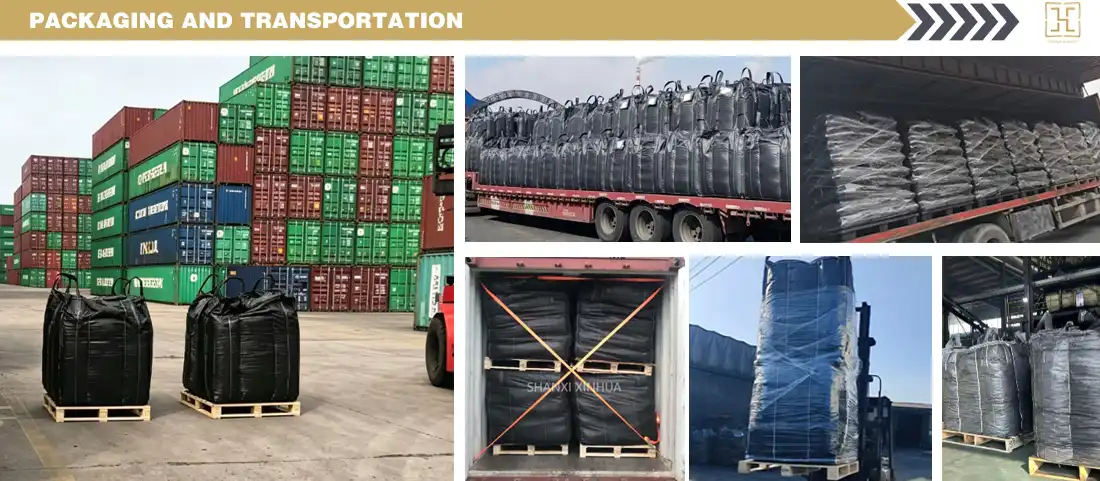
For a lot of different uses, suppliers that let you change the concentrations and packaging arrangements are useful. Being able to set the concentration to within ±0.5% makes sure that the process can be done again without having to make many changes at the spot. They come in a range of sizes and styles, such as 25 kg drums, 1000 L IBC totes, and bulk truck delivery, so they can be used for anything from lab tests to full production runs.
Conclusion
By knowing how Zinc Nitrate Solution behaves when it evaporates, industrial managers can make the workplace safer, keep product quality high, and make sure workers are happy. It is useful and hard to use when evaporation is important because it has a high solubility, a low freezing point, and burning properties. Keeping the temperature below the limits at which the materials will break down and keeping an eye on changes in concentration will keep the equipment from getting clogged up and the materials from breaking down.
Zinc Nitrate Solution evaporates more slowly than other zinc salts. This makes it useful for treating surfaces and making catalysts, where its ability to oxidize makes the other zinc salts work better. When you work with experienced providers who offer formulas that can be changed, full technical support, and quality paperwork that has been passed, you lower the risks in the supply chain and help processes keep getting better in tough industrial settings.
FAQ
What concentration shifts occur during typical storage conditions?
If you don't seal containers that are stored in a warehouse, the concentration can rise by 2 to 5 percent every month because water evaporates slowly. Humidity has a big effect on this rate; places with less humidity lose water faster. Concentrations stay the same in sealed containers with little headspace for 12 to 18 months at temperatures below 25°C.
Can rapid heating cause safety hazards during evaporation?
When you heat Zinc Nitrate Solutions above 150°C, they begin to break down. This releases oxygen and nitrogen fumes that are bad for your lungs and can start fires. Alarms and automatic temperature sets make sure that temperatures don't rise too high for operation. To stay safe in hot settings, emergency plans should include ways to turn on air conditioning and other controlled cooling.
How do impurities affect evaporation behavior?
Iron and copper flaws can make the material break down faster when it is colder than when it is pure. A lot of chloride in the fluid makes it more likely that high-temperature chloride will rust stainless steel tools. This makes sure that the temperature will behave normally and that the equipment will work with the evaporation process. Quality approvals that list impurity levels below critical limits do this.
Partner with Yunli Chemical for Reliable Zinc Nitrate Solution Supply
At Yunli Chemical, we make liquid Zinc Nitrate Solution mixtures that are very pure and are made to work well in industrial processes that evaporate a lot. Our factory is certified by both ISO 9001 and ISO 14001, and it can make concentrations between 40% and 50% w/w. It never has more than 20 parts per million of iron, so it always does well in tough catalyst and surface treatment jobs. With more than 20 years of experience and annual sales exceeding RMB 1 billion, we provide the supply stability and technical expertise that procurement managers require when specifying critical chemical raw materials.
Dealer markups are not added to the prices we give because we are the factory. We also offer a variety of ways to pack, from 25 kg drums to bulk tanker delivery, and you can try our process for free with samples of up to 500 grams. Our technical team helps you pick the right materials for your equipment and find the best evaporation settings for each application. You can visit yunlichemical.com or email our Zinc Nitrate Solution supplier team at wangjuan202301@outlook.com to get competitive quotes, full specifications, and COA paperwork for the exact number of tons you need.
References
1. Perry, R.H. and Green, D.W. (2008). Perry's Chemical Engineers' Handbook, 8th Edition. McGraw-Hill Professional, Section 11: Heat Transfer Equipment - Evaporation Systems.
2. Patnaik, P. (2003). Handbook of Inorganic Chemicals. McGraw-Hill, pp. 952-954: Zinc Nitrate Properties and Industrial Applications.
3. Kirk-Othmer (2007). Encyclopedia of Chemical Technology, 5th Edition, Volume 26. John Wiley & Sons, pp. 831-847: Zinc Compounds Manufacturing and Processing.
4. Lide, D.R. (2009). CRC Handbook of Chemistry and Physics, 90th Edition. CRC Press, Section 4: Physical Properties of Inorganic Compounds.
5. American Conference of Governmental Industrial Hygienists (2021). Documentation of the Threshold Limit Values for Chemical Substances, 8th Edition. ACGIH Publications: Zinc Nitrate Occupational Exposure Guidelines.
6. Schweitzer, P.A. (2010). Fundamentals of Metallic Corrosion: Atmospheric and Media Corrosion of Metals. CRC Press, Chapter 7: Corrosion in Nitrate Solutions and Evaporative Environments.