


How is chromium sulfate applied in leather tanning industries?
Chromium Sulfate (CAS# 10101-53-8) stands as the most critical tanning agent in modern leather processing, transforming raw hides into durable, flexible materials. This trivalent chromium compound penetrates collagen fiber matrices to create stable cross-links that elevate shrinkage temperatures beyond 100°C, forming the foundation of "wet blue" leather production. Its molecular formula Cr2(SO4)3 and molecular weight of 392 allow for predictable chemical reactions in tanning baths, delivering consistent results that vegetable tanning simply cannot match in commercial-scale operations.
Introduction
At every step of the production process, the leather tanning business needs accuracy, stability, and strict quality control. Chrome tanning makes up about 80% of the world's leather production because it is fast, reliable, and good at what it does. If you work in business-to-business procurement, like as a purchasing manager, supply chain head, or technical engineer, you need to know how Chromium Sulfate works in tanning processes to get the best quality and most efficient output.
Choosing the right chemical supplier has a direct effect on your bottom line. Aside from reasonable pricing, pros also look for steady product quality with very few impurities, full compliance paperwork such as MSDS and COA certificates, and long-term supply stability that keeps production from stopping. This guide tells you about the technical uses of Chromium Sulfate, quality standards, and buying options. This information will help you make smart choices that lower supply chain risks and improve leather performance.
What is Chromium Sulfate and Why Is It Crucial in Leather Tanning?
Chemical Structure and Core Properties
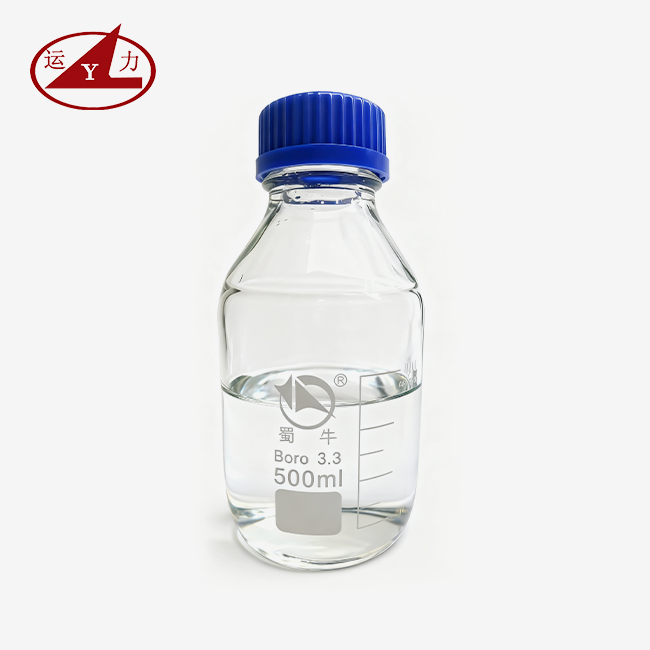
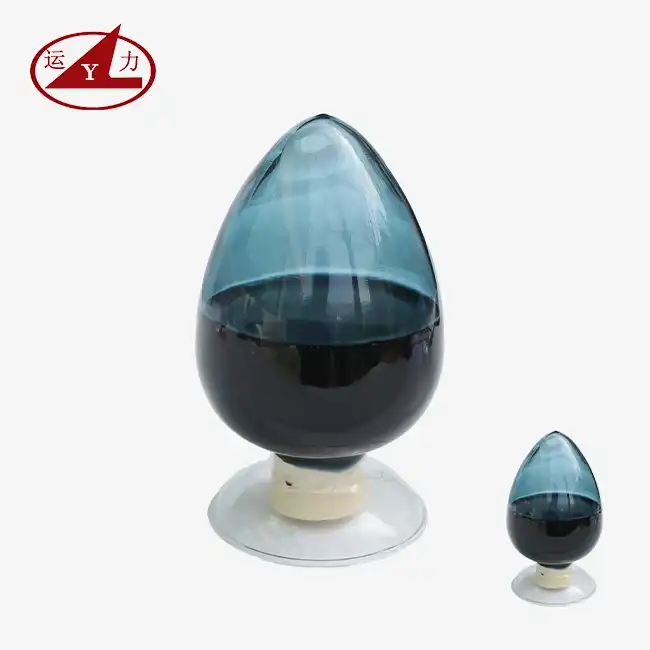
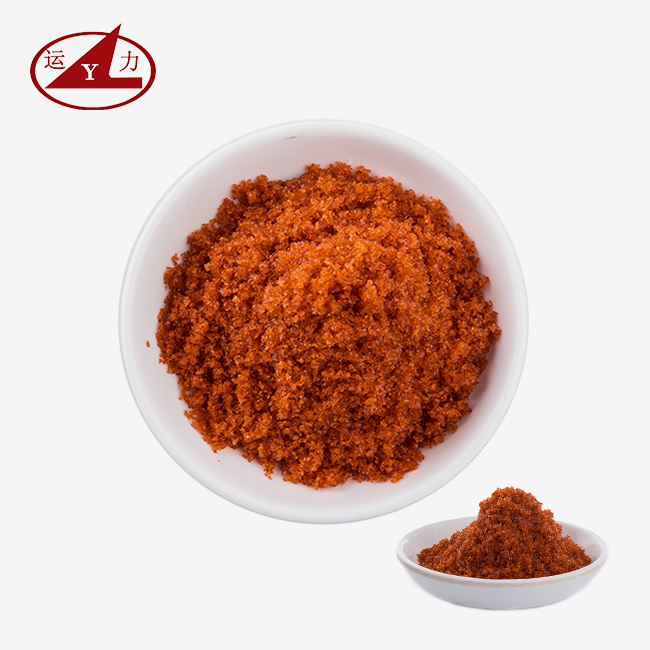
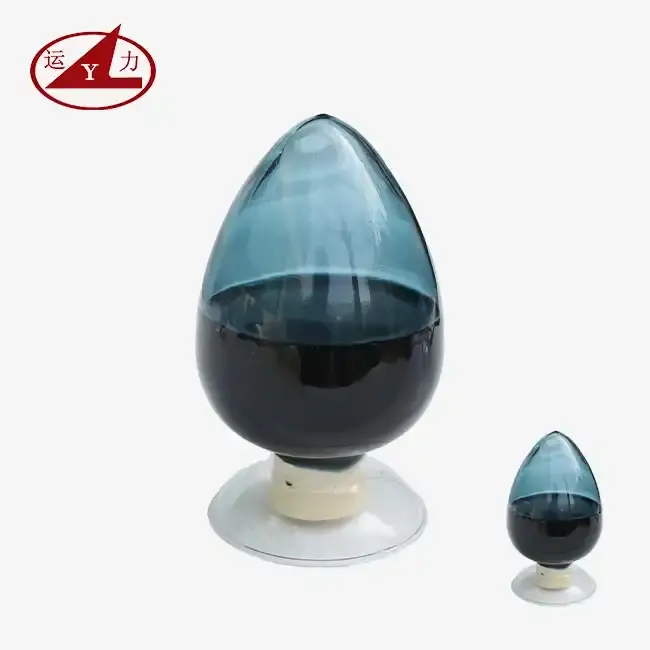
Chromium Sulfate can be a thick, gray-blue to violet liquid or a solid hydrate. The hydrate can have anywhere from six to eighteen molecules. The compound dissolves easily in water but not in alcohol, which makes it easy to prepare this compound in an aqueous bath for industrial use. Its trivalent chromium [Cr(III)] state stays thermodynamically stable under normal coloring conditions, so it doesn't have to worry about the health risks that come with hexavalent chromium [Cr(VI)].
This compound is unique because it can form coordination complexes with collagen proteins in hide structures. Chromium atoms make multidentate bonds with carboxyl groups along collagen chains. This creates a three-dimensional network that changes the material's temperature and mechanical properties in a basic way. This bonding process is what makes "wet blue" leather more resistant to bacterial breakdown, more stable in size, and better able to handle repeated wet-dry cycles than other tanning methods.
Environmental and Safety Considerations
To meet strict REACH, RoHS, and ZDHC rules, modern Chromium Sulfate production focuses on keeping the Cr(VI) level below 3 ppm. Modern factories use organic stabilizers as reducing agent buffers to keep things from going bad while they're being stored, which guarantees compliance for 12 months under the right conditions. Handling instructions stress reducing the risk of dust when using powder forms. Liquid forms, on the other hand, do not pose the risk of inhalation that solid forms do. Using the right waste management systems can collect chromium from wasted liquors, which is good for the environment and saves money on raw materials. This is a win-win situation for businesses that care about the environment.
Step-by-Step Application Process of Chromium Sulfate in Leather Tanning
Solution Preparation and Bath Management
The process of tanning starts with carefully preparing the solution. Chromium Sulfate solutions sold in stores usually have 11–15% Cr2O3 by weight, which means they have a high ionic density that makes them easy to penetrate. For leather tanning using the Schorlemmer method, operators must adjust basicity levels, which are generally 33%, to control response speed and stop case hardening, which is the process of over-tannishing the surface. Keeping the pH level between 1.5 and 3.00 will keep the chromium in the best ionic form for sticking to collagen.
During the preparation phase, the temperature is kept under control and the solution is slowly diluted to avoid concentration spikes in certain areas that would make the tanning uneven. Liquid recipes mix more easily than solid ones, and they don't have to wait for different amounts of time to dissolve, which can leave chrome stains on finished leather. Automated dosing systems that use Coriolis mass flow meters can achieve ±0.5% dosing accuracy, which is very important for regular production runs where color and physical qualities must be the same from batch to batch.
Pickling to Fixation: Key Process Stages
Before the chrome is applied, the pH of raw hides is lowered to 2.5 to 3.5 using sulfuric acid and salt. This gets the collagen fibers ready for the chrome to penetrate. The Chromium Sulfate bath comes next. The concentration and temperature are carefully controlled based on the thickness of the hide. Because liquids are better at moving through fiber bundles, they can usually reach Section 2-3 of the dermis of cattle, which is deeper than powders can.
Depending on the type of hide and the qualities you want, drumming can take anywhere from 3 to 8 hours. The solution goes deeper than powder forms, which often means shorter run cycles that use less energy and get more done. After the initial uptake of chrome, fixing the basicity with sodium bicarbonate or magnesium oxide starts the process where chromium complexes firmly attach to collagen. The resulting "wet blue" leather has a unique blue-gray color that shows that the chromium was successfully added to the whole hide.
Quality Control and Penetration Testing
Cross-section cuts are made by technical teams to check the uniformity of the penetration and make sure that the chromium reached the full thickness of the hide without any uneven spots that would make the leather less effective. Crosslinking is confirmed by shrinkage temperature tests; results above 100°C mean tanning went well. ICP-OES analysis is used in labs to check the amount of chromium present and look for heavy metal contaminants like iron, which causes color defects at concentrations above 15 ppm. Hexavalent chromium screening using ISO 17075-1:2017 methods makes sure that regulations are followed. Certificates of analysis that come with each production batch show the results.
Comparison of Chromium Sulfate with Alternative Chromium Salts in Leather Tanning
Basic Chromium Sulfate vs. Standard Chromium Sulfate
Basic Chromium Sulfate [Cr(OH)SO4] has hydroxy bonds already made between the chromium atoms, which is supposed to make the tanning process go faster. This change is helpful, but normal Chromium Sulfate gives you more options for how to make the recipe. Instead of taking set ratios from suppliers, tanners can change the basicity on-site to match the properties of a specific hide and the properties of leather that are wanted. Standard formulations are also better at keeping their shape over time, and they don't have the problems with precipitation that basic Chromium Sulfate solutions do when they are transported in cold weather below 5°C.
Chromium Sulfate usually costs 10–15 percent less per unit of chromium oxide substance when it comes to buying it. The compound's basic simplicity makes it easier to make, which means that buyers who buy a lot of it can get a better deal. When you consider that you can change the pH and basicity to suit different kinds of leather, from car upholstery to high-end handbag materials, normal Chromium Sulfate is a better value for money, even though it takes a little longer to process.
Environmental and Regulatory Advantages
Chromium Sulfate formulations with very low impurities (Fe ≤30ppm) are much better for the environment than technical-grade alternatives. Iron contamination not only makes things look bad, but it also makes treating wastewater harder because iron hydroxides get in the way of chromium recovery systems. High-purity goods reduce the amount of sludge that is made and boost recovery efficiency. This lets facilities reuse up to 95% of the chromium in spent liquors instead of throwing it away as toxic waste.
More and more, regulatory frameworks want discharge and finished products that don't contain chromium or Cr(VI). Leather makers can stay in compliance without spending a lot of time and money trying new materials if their suppliers offer batch-to-batch consistency and detailed heavy metal controls. When selling chemicals in export markets with strict rules, this dependability is very helpful because one batch that doesn't follow the rules can lead to expensive product recalls and market access restrictions.
Procurement Insights: How to Source High-Quality Chromium Sulfate for Leather Tanning
Purity Standards and Supplier Certifications
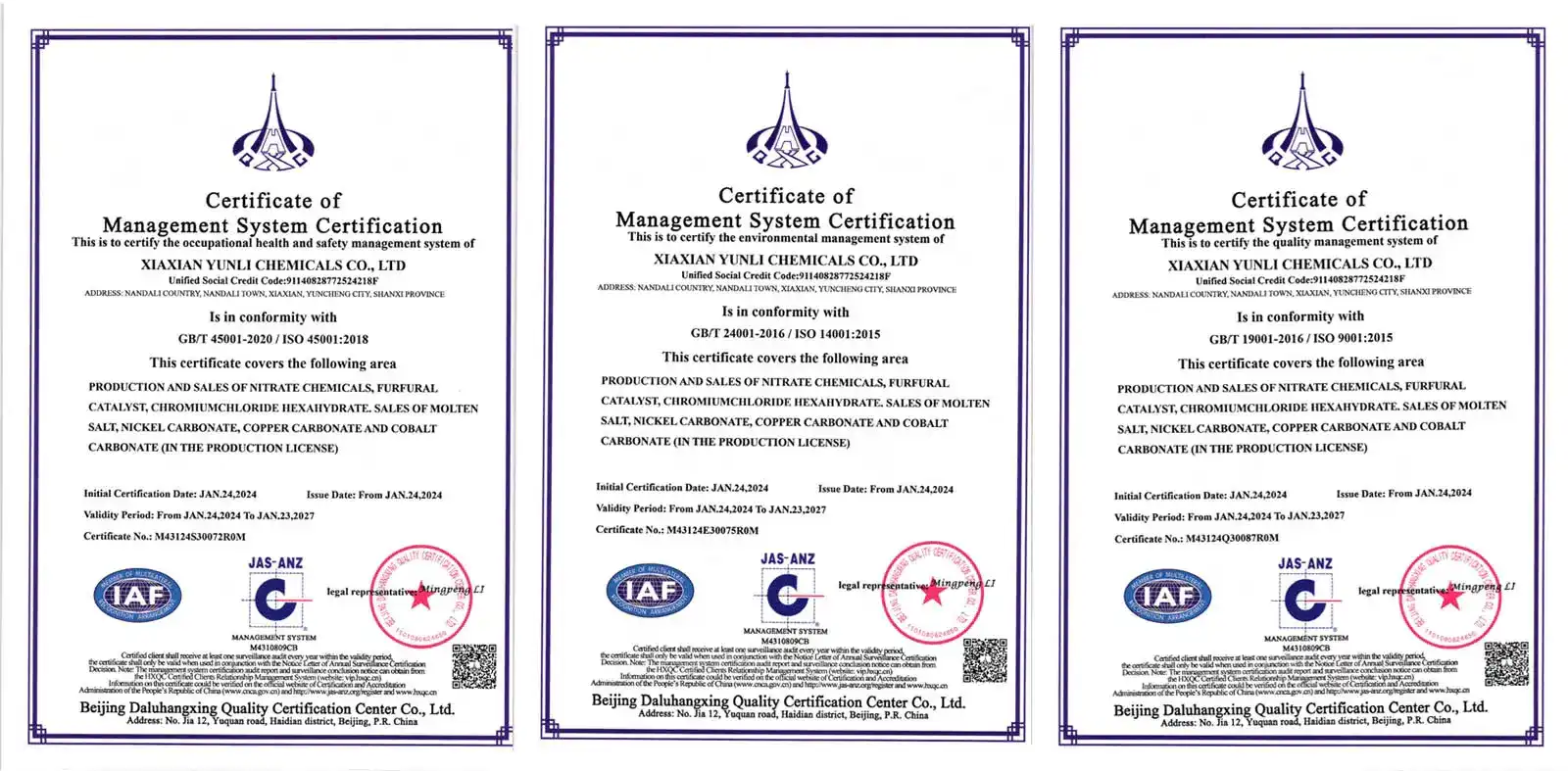
As a minimum, buying leaders should look for Chromium Sulfate providers who have ISO 9001 Quality Management, ISO 14001 Environmental Management, and OHSAS Occupational Health certifications. These models show how to do thorough quality control, follow environmental rules, and make sure workers are safe. Accreditation from a provincial or national technology center shows that a company has advanced research and development (R&D) capabilities, which lets suppliers adjust recipes and work together to solve process problems.
The lab's skills are very important. Suppliers who have ICP-MS and atomic absorption spectrometers can send high-purity goods with known impurity levels as low as parts per million. Ask for reports of analysis that show the Cr2O3 content is within ±0.2% of the target, the hexavalent chromium content is below the detection limit, the iron content is below 15 ppm, and the amount of insoluble matter was measured using gravimetric filtering. These requirements have a direct effect on the uniformity of the tanning process and the quality of the finished leather. Higher unit costs are justified by lower failure rates and production waste.
Bulk Purchase Negotiations and Logistics
The price of Chromium Sulfate changes depending on the cost of the raw materials and how the supply changes in different areas. Bulk orders can save you 8–12% over spot purchases. Talk about pricing structures that are based on monthly or quarterly volumes of more than 50 tons. This will lock in good rates while still allowing for changes in demand. Pay attention to the terms of payment. Reliable sellers with strong finances will often give 30 to 60-day terms to approved accounts, which will help your working capital.
Logistics coordination is very important because Chromium Sulfate is a corrosive substance that needs special transport. When compared to bagged solids, liquid formulations shipped in ISO tanks or IBC containers are easier to handle. Look for companies that offer a range of packaging options, from 25 kg drums to bulk trucks. This way, you can match the size of the container to how much you use and how much space you have. Lead times for standard grades are usually between two and four weeks. For special formulations, it may take between six and eight weeks for the first order while providers adjust the production settings to meet your needs.
Technical Support and Partnership Programs
The best ties with suppliers go beyond just doing business. Look for vendors that offer technical consultation services. This is where experienced chemists will look at your tanning processes and suggest ways to make them work better. Some manufacturers offer trial samples that can be compared directly to current suppliers, giving data-driven proof for switching decisions. You can fine-tune Chromium Sulfate qualities for specific leather goods without having to keep track of multiple product SKUs with custom formulation services that change pH, basicity, or morphology.
Long-term relationship programs might include dedicated account management, priority placement during supply gaps, and joint research and development projects that deal with new problems like metal-free leather alternatives or processing that has very little impact on the environment. With these value-added services, providers can set themselves apart from competitors on more than just price, giving them an edge through better product performance and more efficient operations.
Case Studies and Practical Applications in the Leather Industry
Automotive Upholstery Leather Production
A North American company that supplies leather to luxury carmakers had problems with inconsistent grain breaks that led to rejection rates of more than 8%. The study showed that their powdered Chromium Sulfate had different rates of breakdown, which led to concentration differences in the tanner drums. Within three production cycles, defects dropped to less than 2% after switching to a 12% Cr2O3 liquid formulation with an extremely low iron content. The even distribution of the liquid stopped case hardening on the hide's surfaces, making the grain patterns smoother and meeting strict automotive standards.
The transition delivered additional benefits beyond quality improvements. Shorter beating times used 15% less energy, and workers were less likely to be exposed to dust because they didn't have to handle powder. The supplier worked out a long-term deal with the company that made Chromium Sulfate. This gave them stable prices and sure amounts, which helped their just-in-time production plan. This case shows how the quality of the materials directly affects how well operations run and how competitive the market is in certain types of leather.
Environmental Compliance in European Tanneries
There was more and more pressure on European tanneries that had to follow strict EU rules to lower chromium runoff and show closed-loop chromium recovery. A medium-sized business in Italy teamed up with a Chromium Sulfate supplier that provided technical-grade goods with higher purity levels and advice on how to improve recovery. The tannery raised chromium recovery rates from 78% to 93% by making changes to the process that were suggested by the provider and switching to high-purity Chromium Sulfate with recorded impurity controls.
This improvement cut the cost of raw materials by €120,000 a year and the cost of getting rid of hazardous waste by the same amount. As part of their ongoing technical support, the provider did process audits and wastewater chemistry analyses every three months. This helped find ways to improve things so that the company could stay in compliance even as laws changed. It now offers its leather as "environmentally optimized," which lets it reach high-end markets where sustainability credentials command 10-15% higher prices. This gives the tannery a competitive edge that is built on working together with suppliers and using high-quality materials.
Conclusion
Chromium Sulfate does a lot more than just process chemicals when it comes to tanning leather. Its ability to make stable collagen crosslinks, along with its good economic and environmental conditions, explain why it is the world's biggest leather producer. When choosing Chromium Sulfate sources, procurement workers need to look at more than just unit price. They also need to look at purity standards, supplier certifications, technical support skills, and the reliability of the supply chain.
High-quality goods with very few impurities, consistent quality from batch to batch, and full compliance documents provide measured value through lower defect rates, better environmental performance, and increased operating efficiency. The case studies show how smart partnerships between suppliers can turn Chromium Sulfate from a common input into a competitive differentiator. This helps leather makers adapt to changing market needs while keeping costs low and following all the rules.
FAQ
How does chromium sulfate quality affect finished leather properties?
The quality of Chromium Sulfate has a direct impact on the properties of leather. Ultra-low iron content (Fe ≤30ppm) keeps light-colored leathers from changing color and keeps the dyeing process consistent. When impurities are managed in high-purity recipes, leather with even shrinking temperatures, better softness, and better resistance to aging is made. Contaminants break the bond between chromium and collagen, making weak spots that lower the strength of tears and the security of the material's shape.
What certifications should I verify when selecting chromium sulfate suppliers?
Suppliers with ISO 9001 for quality management, ISO 14001 for environmental systems, and any other related workplace health certifications should be given priority. Ask for proof from a third party that the Cr(VI) level is below 3 ppm, which is what REACH and ZDHC rules require. For each batch, certificates of analysis should list the amount of Cr2O3 present, the heavy metal profiles, and the percentages of insoluble matter. These checks lower the risk of not following the rules and make sure that the product works the same way in all orders.
Can liquid chromium sulfate formulations replace powder forms directly?
Yes, but you need to do some math to figure out the conversion. At a normal quantity, one kilogram of Chromium Sulfate powder is equal to 2.5 kilograms of liquid formulation. Changing the beating times can help liquids go deeper, which can often cut the cycle time by 20 to 30 percent. Automatic dosing systems need to be re-calibrated to take into account differences in density. Even though they cost a little more to ship because they contain water, many operations prefer liquids because they don't create dust, dissolve faster, and can be easily integrated with automated process controls.
Partner with Yunli Chemical for Premium Chromium Sulfate Supply
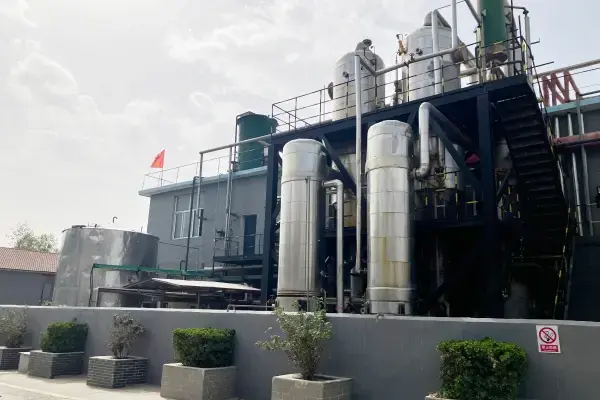
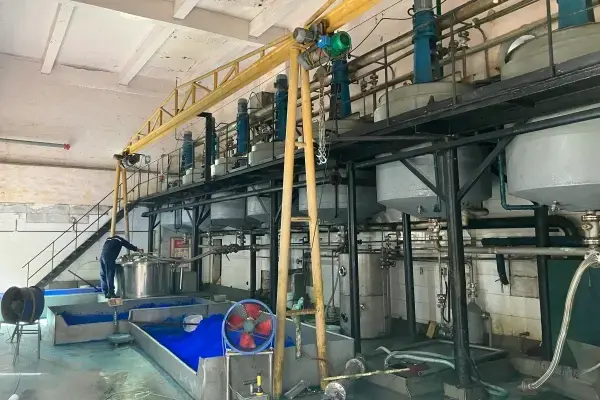
In order to meet the high demands of the leather tanning industry in North America and Europe, Yunli Chemical brings over twenty years of specialized production knowledge to the Chromium Sulfate market. Our business technology center at the regional level lets us make high-purity Chromium Sulfate with guaranteed ultra-low impurities (Fe ≤30ppm) and formulations that can be changed to fit your exact process needs. Our research and development team can make custom solutions for you within 72 hours, whether you need a certain solid or liquid shape, a certain pH range, or a certain amount of basicity.
As a certified manufacturer of Chromium Sulfate with ISO 9001, ISO 14001, and OHSAS certifications, we make sure that the quality of each batch is the same, which gets rid of any production uncertainties. ICP-MS and atomic absorption spectrometry are used in our advanced quality control lab to make sure that every package meets the written requirements. You can test free samples of up to 500 grams side by side with our regular products to see if they work better before you commit to bulk orders. We make it easier to buy things and lower your total cost of ownership by supplying directly from the factory, cutting out middlemen and their markups, offering reasonable prices on tonnage purchases, and offering a range of flexible packing options, from 25 kg cases to bulk trucks.
Contact our technical team at wangjuan202301@outlook.com to discuss your Chromium Sulfate needs. We'll provide detailed product specifications, certificates of analysis, and personalized suggestions based on the types of leather you use and the parameters of your production. Visit yunlichemical.com to see our full line of chemicals and learn how our 20 years of experience making the best products can improve the stability of your supply chain and the quality of your products.

References
1. Covington, Anthony D. Tanning Chemistry: The Science of Leather, 2nd Edition. Royal Society of Chemistry, 2009.
2. Bienkiewicz, Kazimierz J. Physical Chemistry of Leather Making. Robert E. Krieger Publishing Company, 1983.
3. Heidemann, Eckhart. Fundamentals of Leather Manufacturing. Eduard Roether KG, 1993.
4. Sreeram, K. J., and Ramasami, T. "Sustaining Tanning Process Through Conservation, Recovery and Better Utilization of Chromium." Resources, Conservation and Recycling 38, no. 3 (2003): 185-212.
5. European Commission. "Best Available Techniques Reference Document for the Tanning of Hides and Skins." Joint Research Centre, Institute for Prospective Technological Studies, 2013.
6. Sharphouse, J. H. Leather Technician's Handbook, 3rd Edition. Leather Producers' Association, 1983.