


Why Nickel Carbonate Is Important in Electroplating
Nickel carbonate basic plays an indispensable role in modern electroplating operations, serving as a critical pH buffer and nickel ion source that solves a persistent industry challenge: maintaining bath chemistry balance without introducing unwanted anions. Unlike soluble nickel salts such as sulfate or chloride that accumulate impurities over time, this grass-green powdery compound dissolves gradually, replenishing nickel ions while neutralizing acidic byproducts formed during the plating process. This unique characteristic makes it essential for precision applications like printed circuit board manufacturing, automotive component coating, and aerospace parts where deposit quality cannot be compromised by chemical imbalances.

Understanding Nickel Carbonate and Its Role in Electroplating
Chemical Composition and Properties
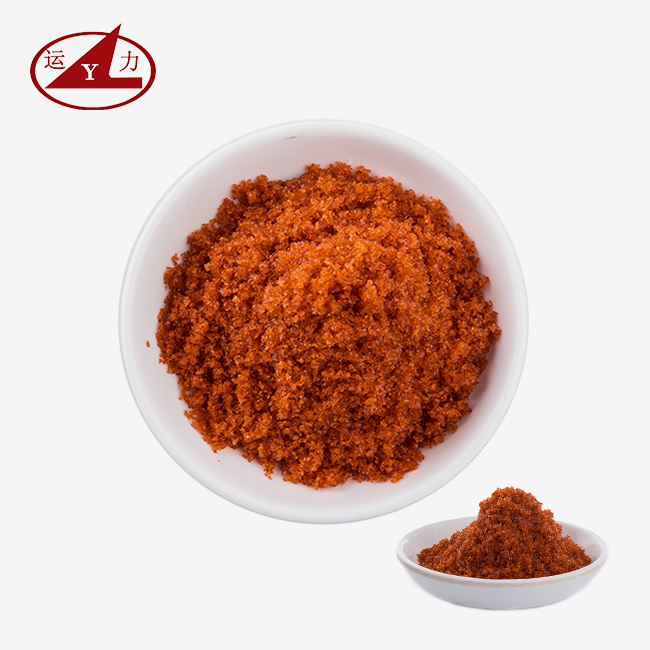
Nickel Carbonate basic, with the CAS number 39430-27-8, is made up of the molecules NiCO3·2Ni(OH)2·4H2O, which has a molecular weight of 376.17. This complicated wet structure sets it apart from Nickel Carbonate, which is only found in theory and is rarely sold in its pure, dry form. The substance is a grass-green solid powder that dissolves in ammonia, weak acids, and ammonium carbonate liquids. It breaks down into nickel oxide and carbon dioxide when heated above 300°C, which is a property used in catalyst production. It changes into finely dispersed metallic nickel with high catalytic activity when hydrogen is reduced at moderate temperatures.
Industrial Synthesis and Production Standards
In most manufacturing processes, carbonate or bicarbonate chemicals are used to control the production of nickel salt solutions at a certain temperature and pH level. The difficulty of production has a direct effect on the purity of the end product. For example, modern producers can control the particle size distribution, moisture content, and levels of trace impurities. Certified factories that use ISO 9001 quality systems can get nickel contents higher than 98% while keeping iron below 30ppm, sodium below 50ppm, and sulfur below 10ppm. These are important requirements for electroplating and catalyst uses that need to be very precise.
Comparison with Alternative Nickel Compounds
There are different nickel substances that do different electrical jobs. Nickel sulfate is the main source of nickel ions in Watts-type baths, but it keeps raising the quantity of sulfate. Nickel chloride works as an anode depolarizer to improve conductivity, but it could put stress on deposits. Nickel hydroxide helps keep the pH level stable, but it dissolves slowly. The basic carbonate variant does both of these things: it changes the pH without adding corrosive anions, and it slowly releases nickel ions to keep the right metal ion concentration during long plating runs. This is especially helpful in sulfamate nickel systems where anion contamination severely damages coating properties.
Why Nickel Carbonate Is Crucial for High-Quality Electroplating
Role in Electroplating Bath Chemistry
During electroplating, the anode makes acids and the cathode consumes hydrogen ions. This causes the pH to drop continuously, which changes the deposit's shine, flexibility, and internal stress. By neutralizing extra acidity and refilling depleted nickel ions at the same time, Nickel Carbonate basic solves this. This two-in-one feature gets rid of the "anion accumulation" issue that happens when nickel sulfate is added over and over to make up for metal loss. This changes the sulfate-to-chloride ratio, which causes brittle layers and filter problems.
Advantages in Bath Stability and Deposit Quality
This compound's ability to buffer is very important for high-speed sulfamate nickel plating on printed circuit boards and in electroforming. The carbonate part mixes with the acid that is made, keeping the narrow pH window needed for low-stress deposits that are important in precision molds and electrical parts. When pH changes are kept to a minimum, deposits stick better, which means that fewer rejects are made during quality control. Automakers that plate artistic trim like how consistent bath chemistry makes all shapes and sizes of parts bright without having to change the bath chemistry in the middle of the process.
Impact of Purity on Electroplating Outcomes
Trace impurities have an uneven effect on the quality of the coating. Copper pollution above 10ppm makes the surface darker and pitted. Iron makes things rougher and makes them less resistant to rust. Sodium has an effect on ceramics by making them sinter, and it also has an effect on plating by changing the conductivity of the bath. Using high-quality materials with strict controls on impurities makes sure that plating will behave in a predictable way, which cuts down on troubleshooting time and scrap rates. Purchasing managers know that the slightly higher cost of approved high-purity grades saves money because they make processes more stable and cut down on downtime.
Safety and Regulatory Compliance
Material Safety Data Sheets list Nickel Carbonate basic as dangerous because nickel can cause cancer through breathing it in or making the skin more sensitive to it. For safe industrial handling, you need technical controls like local exhaust ventilation, personal safety equipment like respirators and chemical-resistant gloves, and rules for keeping spills contained.
Nickel products must be kept below 0.015 mg/m³ according to OSHA guidelines. REACH-compliant suppliers give full paperwork, like Certificate of Analysis and environmental compliance statements, which is very important for multinational companies that have to deal with different regulatory requirements in different countries. When stored in a cool, dry warehouse for 24 months, properly packaged food in containers that don't let water in will have a 24-month shelf life.
How to Choose the Best Nickel Carbonate for Electroplating Applications
Defining Technical Requirements
Procurement professionals have to make sure that product specs match up with what the application needs. To keep stress corrosion from happening, ultra-low sulfur (<10ppm) is needed for sulfamate nickel plating on aerospace parts. Printed circuit board makers aim for low insolubles (<0.02%) to keep filters from getting clogged up.
Catalyst precursor uses need a controlled particle size distribution between 1 and 10 µm so that the particles spread out evenly on support materials. Nickel Carbonate is often the preferred raw material in these scenarios, and quality engineers should use real-world process data instead of generic specs to set key impurity limits, acceptable moisture ranges, and nickel content tolerances (usually ≥45% Ni).

Comparative Analysis with Alternative Nickel Sources
The price of nickel sulfate per kilogram is lower, but the total cost of ownership is higher for basic carbonate when used in places where anion buildup is a problem. A plate plant that works on 10,000 square feet every day might spend 15% more on the carbonate source, but they wouldn't have to change the bath every week, and they would save money on waste treatment costs for getting rid of used solutions. The makeup that doesn't contain sulfates increases current efficiency by up to 15% in the production of electrolytic nickel. This means that less energy is used per kilogram of deposited metal. In settings with continuous output, these operational gains are greater than differences in the prices of raw materials.
Supplier Evaluation Criteria
Statistical process control data from reliable suppliers show that quality is the same from batch to batch. Some certifications, like ISO 9001, ISO 14001, and OHSAS, prove that you are responsible for quality management and the environment. It doesn't matter what kind of technical support a seller has; suppliers who offer application engineering help, free sample programs (usually in 25–500g amounts), and custom pH or shape changes are very valuable. Long-term supply deals with well-known makers lower purchase risk compared to buying on the spot market from traders who aren't certified and don't show production details.
Practical Procurement Considerations
There are big differences in the minimum order amounts. Some distributors need full 25-kg drums, while direct makers can handle pallet quantities (500–1000 kg) and offer bulk discounts. When buyers negotiate annual contracts for more than 50 metric tons, they get better prices and first access to supplies when the market isn't available. International shipping needs to follow the right IMDG/IATA rules and be labeled as UN3288 (Toxic solid, inorganic, N.O.S.). This makes freight more complicated. Getting goods made in the US from companies that can sell themselves makes logistics easier and cuts wait times from 6 to 8 weeks for international shipments to 1 to 2 weeks for local delivery.
Leading Nickel Carbonate Suppliers: Quality Assurance and Industry Trust
Certified producers stand out because they have a full system for quality control. Advanced labs with ICP-MS, atomic absorption spectrometers, and laser diffraction particle analyzers make it possible to carefully check arriving materials and certify final products. Environmental management systems that have been shown to be able to treat nitrate wastewater and scrub exhaust gases show that responsible production practices are being used, which is something that corporate sustainability programs are asking for more and more.
Yunli Chemical, which was founded in 2005 in Shanxi Province, is a good example of the kind of mature supplier that procurement professionals look for. This company has been making things for more than 20 years and makes more than 1 billion yuan a year. In 2019, they were recognized as a Provincial-Level Enterprise Technology Center. The company has ISO 9001, ISO 14001, and OHSAS standards, which show that they have strict rules in place for quality and the environment.
Because they can make both normal grades and 4N-purity materials, they are a reliable partner for businesses in electronics, medicines, and high-end manufacturing. Direct factory supply with self-operated export gets rid of markups at the middlemen and keeps quality control high from receiving raw materials to shipping them out. Nickel Carbonate is one of the key products they offer, further strengthening their position in these demanding sectors.
When looking at possible suppliers, you need to look at production scale signs. Factories with fixed assets worth more than RMB 300 million usually have extra production capacity to make sure supply stays steady during equipment repair or demand spikes. References from customers of global companies back up promises of dependability. When comparing transactional commodity vendors to real experts, responsive technical support teams that can answer application-specific questions about pH adjustment protocols, dissolution rates in different acid systems, or custom particle size specifications show that they know what they're talking about.

Practical Applications and Case Studies in Electroplating
Industrial Applications Across Sectors
This material is used by automakers in artistic chrome systems where the nickel layer needs to be very flexible and resistant to corrosion. It's used in the electronics industry to make precise parts using electricity, like molds for optical lenses and microelectromechanical systems where the stress inside the parts has to stay below certain levels. When aerospace suppliers plate hydraulic actuators and landing gear parts, they only use high-purity grades that meet strict standards for corrosion resistance. It can be used as a ceramic colorant in electronic parts, as a hydrogenation catalyst synthesis for chemical processing, or as a battery material precursor in the production of lithium-ion cells.
Performance Case Study
A medium-sized company in the US that makes printed circuit boards had repeated problems with an unstable sulfamate nickel bath. These problems showed up as changing deposit shine and higher internal stress that caused solder joints to fail. Analysis showed that their current nickel restocking method, which involved adding sulfuric acid to nickel sulfamate to change the pH, had contaminated the water with sulfate.
The sulfate introduction route was blocked by switching to high-purity basic Nickel Carbonate (Fe ≤30ppm, S ≤10ppm) for pH stabilization. Within three months of starting production, the number of defects dropped by 28%, filters were replaced once a month instead of once every week, and readings of deposit stress stayed within the goal 20,000 psi range. The operational changes lessened the 12% rise in the cost of materials by cutting down on waste and repair work.
Emerging Trends and Future Outlook
The electroplating business moves toward pulse plating and trivalent chromium systems, which need better control over the bath chemistry. These new techniques make nickel sources that are free of impurities even more important. Environmental rules are making it harder to discharge nickel and sulfates, which makes sulfate-free chemistry changes more appealing from a business point of view.
The demand for ultra-pure nickel compounds as building blocks is growing because more batteries are being made. Suppliers who invest in 4N-grade production (99.99% purity) and creating custom shapes that work best for certain catalyst or battery uses will be able to get a piece of the high-end market, where technical performance justifies big price jumps over commodity-grade material.
Conclusion
Nickel Carbonate basic is an important part of modern electroplating technology because it can both balance the pH and provide nickel ions. Because it can keep the bath chemistry balanced without adding any unwanted anions, it is essential for precise uses where the deposit quality can't handle the sulfate buildup that comes with other nickel sources. When making purchases, people should look at more than just prices. They should also look at how reliable the seller is, how pure the products are, and how well they can help with technology issues.
Consistently high-quality materials have operating benefits like lower defect rates, fewer upkeep needs, and better process stability. These benefits give strong total cost advantages that support premium placement. As electroplating technology moves toward stricter performance and environmental standards, it becomes more important to build relationships with certified, responsive manufacturers in order to stay competitive.
FAQ
What distinguishes nickel carbonate from nickel sulfate in plating baths?
While Nickel Carbonate basic acts as a pH buffer that neutralizes acid without adding sulfate or other interfering anions, Nickel Sulfate is the main liquid source of nickel that provides metal ions for deposition. Adding nickel sulfate over and over again causes sulfate to build up, which needs to be bled out and chemical waste thrown away. The carbonate method keeps the balance of negatively charged particles while controlling pH and restoring nickel at the same time.
How should industrial facilities handle nickel carbonate safely?
Set up engineering controls, such as local exhaust ventilation, for the weighing and dissolving processes. People working in the area should wear protective clothing, chemical-resistant gloves, and respirators approved by NIOSH that are rated for metal fumes. To keep carbon dioxide from being made by mistake, keep storage areas away from acids. Set up processes for dealing with spills that include neutralizing agents and the right containers for dumping. Keep records of your exposure monitoring that show you are following OSHA's rules for nickel compound exposure.
Can this material work across different plating bath formulations?
Nickel Carbonate basic works well with sulfamate, Watts-type, and custom plating methods. If you put it in a sulfamate bath with a pH of 4.0 to 4.5, it dissolves more slowly than in a Watts bath with a pH of 3.5 to 4.0. Some mixtures need to be dissolved in a weak, heated acid first, so that particles that aren't dissolved can't get in the way of filtration systems. Talk to technical support to find out the best way to add things to your bath based on its chemistry and operating conditions.
Reliable Nickel Carbonate Supplier for Demanding Electroplating Operations
To get reliable electroplating results, you need to do more than just buy chemicals. You need to work with makers who understand your quality requirements and supply chain limitations. Yunli Chemical has been a specialist in making chemicals for 20 years and can help you with your procurement strategy. They offer high-purity Nickel Carbonate basic with guaranteed low impurities (Fe ≤30ppm, Na ≤50ppm, S ≤10ppm) and flexible customization, such as changing the pH range, particle shape, and packaging configurations to meet your exact needs.
Our direct factory supply model gets rid of markups from middlemen, and our self-operated export features make international shipping compliance easier. We can handle small test batches of 25 kg all the way up to large production runs of over 50 metric tons without any changes to the quality. Our products come with full paperwork, such as MSDS, COA, and ISO certifications. You can try out free samples of up to 500 grams in your own plate system without any risk before buying in bulk.
You can email our technical team at wangjuan202301@outlook.com to talk about your unique electroplating needs, get certified material analysis results, or set up shipping of samples. As a reliable Nickel Carbonate manufacturer with customers all over the world, we offer top-notch products and quick responses to customer inquiries. This way, you can be sure that your operations will always have the supply and quality that technical engineers and procurement managers need. You can look at our full line of products at yunlichemical.com and learn how working with a reputable, established provider can lower your supply chain risk and make you more competitive.
References
1. American Electroplaters and Surface Finishers Society (AESF). Nickel Plating Handbook. Orlando: AESF Publications, 2018.
2. Schlesinger, Mordechay and Milan Paunovic. Modern Electroplating, Fifth Edition. Hoboken: John Wiley & Sons, 2010.
3. Dini, Jack W. Electrodeposition: The Materials Science of Coatings and Substrates. Park Ridge: Noyes Publications, 1993.
4. Pletcher, Derek and Frank C. Walsh. Industrial Electrochemistry, Second Edition. London: Chapman and Hall, 1990.
5. Brenner, Abner. Electrodeposition of Alloys: Principles and Practice, Volumes I and II. New York: Academic Press, 1963.
6. Kanani, Nasser. Electroplating: Basic Principles, Processes and Practice. Oxford: Elsevier Advanced Technology, 2004.