


How is nickel nitrate used in battery and catalyst production?
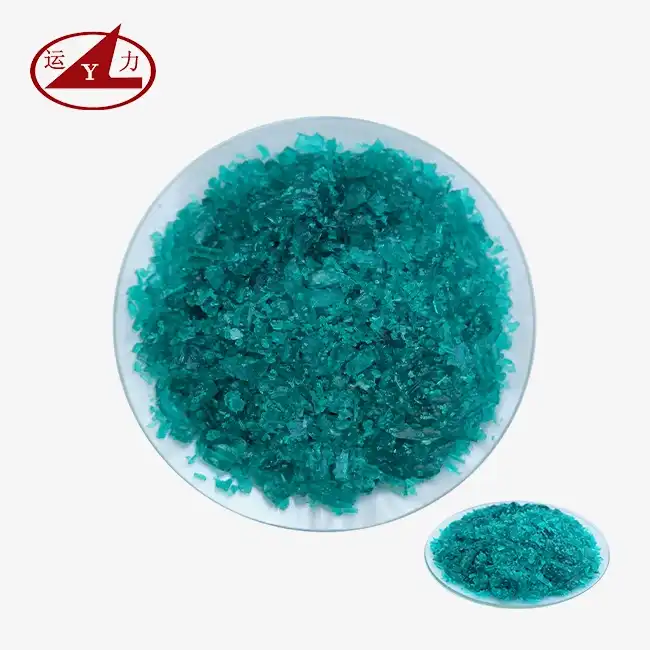
Nickel nitrate hexahydrate (Ni(NO₃)₂·6H₂O) serves as a critical raw material in both battery and catalyst production due to its exceptional solubility and high purity profile. In battery manufacturing, this green crystalline compound functions as a precursor for synthesizing nickel-rich cathode materials used in lithium-ion cells, offering precise stoichiometric control during co-precipitation processes. Within catalyst production, it acts as a dispersible nickel source that decomposes cleanly at elevated temperatures, leaving behind highly active nickel oxide species without sulfur or chlorine contamination that would otherwise compromise catalytic performance.
Understanding Nickel Nitrate: Chemical Properties and Industrial Relevance
Core Chemical Characteristics
Ni(NO₃)₂·6H₂O is the molecular formula for Nickel Nitrate hexahydrate, which has a molecular weight of 290.81 g/mol. Despite its bright green colour, this crystalline substance is very good at drawing water from the air. It has a specific mass of 2.05, and its melting point is 56.7°C and its boiling point is 136.7°C. At 100°C, the compound loses its crystallisation water and turns into an anhydrous salt. This shows that it decomposes in a predictable way, which is important for controlled manufacturing processes.
Solubility and Reactivity Profile
This material is very good for processing in liquids because it dissolves in water more than 99.5% of the time. The chemical dissolves easily in ethanol and only slightly in acetone, which lets different preparation methods be used. Acidity in water solutions is measured by pH, which ranges from 2.5 to 3.5 at normal concentrations. This property affects buffer systems used later on. Because it oxidises, it needs to be handled carefully when organic materials are around, since touching them could start a fire.
Safety and Storage Requirements
As a UN 2725 (Class 5.1 oxidiser) substance, Nickel Nitrate needs strict safety rules. To stop deliquescence and caking, storage facilities must keep the temperature below 30°C and the humidity under control. Sealed packages keep the purity of the product and lower the risk of breathing in contaminants. Compliance paperwork, like Material Safety Data Sheets (MSDS), Certificates of Analysis (COA), and rules for properly getting rid of waste, is still needed in many places, like the REACH, TSCA, and RoHS frameworks. This makes sure that everything is handled responsibly along the supply chain.
Application of Nickel Nitrate in Battery Production
Synthesis of Nickel-Rich Cathode Precursors
To meet the higher energy density needs of electric vehicle applications, modern lithium-ion batteries rely more and more on nickel-rich cathode chemistries like NCM 811 (80% nickel, 10% cobalt, and 10% manganese). Nickel Nitrate hexahydrate is the nickel source that dissolves in water that is needed for co-precipitation reactions. The substance forms mixed metal hydroxides when mixed with cobalt and manganese salts in controlled alkaline conditions, which are usually made with ammonia and sodium hydroxide. After being heated with lithium chemicals, these intermediates turn into layered oxide cathodes with precise crystal structures.
Quality Parameters Critical for Battery Applications
When making batteries, performance results are determined by purity standards. Materials that are at least 99.5% pure, have iron levels below 30ppm, and sodium levels below 50ppm stop lattice defects that would shorten the life of charge-discharge cycles. To keep battery cells from corroding, chloride contamination must stay below 100ppm. When purchasing managers look at different sources, they should focus on batch-specific COA verification and look at trace metal values that have a direct effect on electrochemical stability. Controlling impurities in a consistent way means that the cathode will work the same way in all production runs.
Advantages Over Alternative Nickel Sources
The nitrate form of Nickel Nitrate is better for thermal decomposition during precursor processing than the sulphate form. Sulphate anions leave behind sulphur leftovers that need extra steps to be cleaned up, which increases the cost and difficulty. Nickel chloride can corrode stainless steel reactors, which are often used to make battery materials. The nitrate anion breaks down into nitrogen oxides, which can be cleaned up by normal pollution control systems. This leaves behind only metal oxides. This clean chemistry lowers the need for equipment upkeep and makes it easier for makers to meet environmental standards as they increase production numbers.
Utilization of Nickel Nitrate in Catalyst Production
Impregnation Techniques for Supported Catalysts
Catalyst makers use Nickel Nitrate solutions to spread active nickel species over supports with a lot of surface area, like alumina, silica, or zeolites. The high water solubility of the chemical is used in the incipient wetness impregnation method to let the solution evenly enter porous support structures. The nitrate salt is changed into nickel oxide nanoparticles by controlled calcination at 260–300°C after it has dried. Then, a drop in hydrogen atmospheres creates metallic nickel sites that are well spread out for hydrogenation, reforming, and methanation reactions.
Applications in Industrial Catalytic Processes
In steam methane reforming, nickel-based catalysts are made from nitrate precursors and are used to turn natural gas into synthesis gas, which is then used to make ammonia and methanol. The even spread of particle sizes made possible by nitrate-based synthesis methods is good for hydrogenation catalysts used in the processing of edible oils. In these situations, the lack of sulphur and chlorine contamination is especially helpful because catalyst poisoning has a direct effect on how well the process works and the quality of the product. When starting materials keep their ultra-low impurity profiles, catalyst lives increase by a large amount.
Economic and Technical Advantages
Processing is easier when Nickel Nitrate solutions are used, which lowers operational costs. Solid salts need energy-intensive steps to dissolve, but liquid versions don't need those steps. This cuts processing time by about 18%. In continuous manufacturing systems, dosing accuracy gets better, which lets you have better control over how much nickel is loaded onto support materials. Because of these savings, catalyst makers can keep their high quality standards while spending less on capital. The costs of following environmental rules go down because nitrate decomposition makes manageable exhaust streams compared to other precursors that make acidic gases that damage things.
Procurement Strategies for Industrial Nickel Nitrate
Evaluating Chemical Grades and Specifications
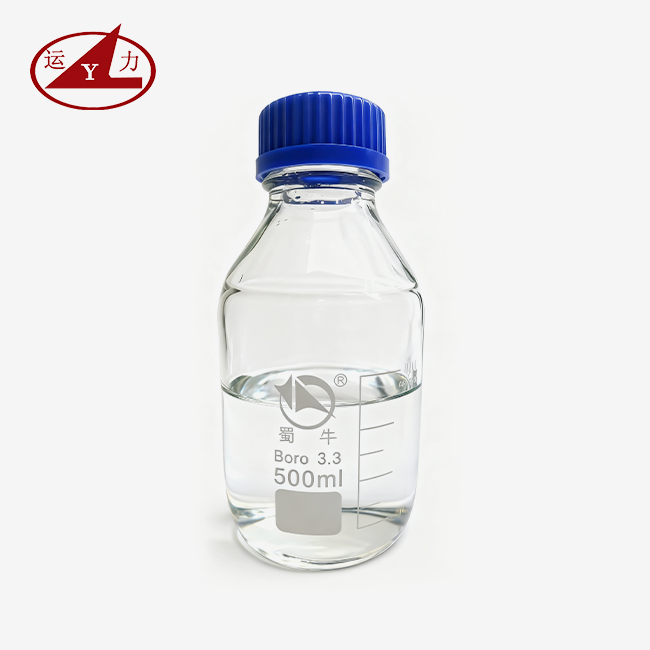
When an industry buys something, they need to make sure that the product grade matches the needs of the application. Standard grades with a purity of 98.5% or more are good for many catalyst uses, but superior grades with a purity of 99.5% or more and trace metal analysis must be used in battery manufacture. Suppliers should give thorough specs that include the amount of nickel (20–22%), the amount of insoluble matter, and all the impurity data. Because they come in both solid, crystalline forms and ready-to-use liquid solutions, buyers can choose how to get them based on their facility's capabilities and their needs for process integration.
Supplier Qualification and Risk Management
Tough evaluation of suppliers is needed to ensure long-term supply stability. Manufacturing certifications like ISO 9001, ISO 14001, and OHSAS show that quality control and environmental management are done in a planned way. Recognising a provincial or national technology center lets R&D know that they can make custom formulations. Nickel Nitrate supply stoppage risks are lower when a company's annual income is more than $150 million and its fixed assets are worth a lot of money. Direct factory sourcing gets rid of markups on the middlemen and gives you access to technical support teams that can answer questions about how to improve the process.
Logistics and Regulatory Compliance
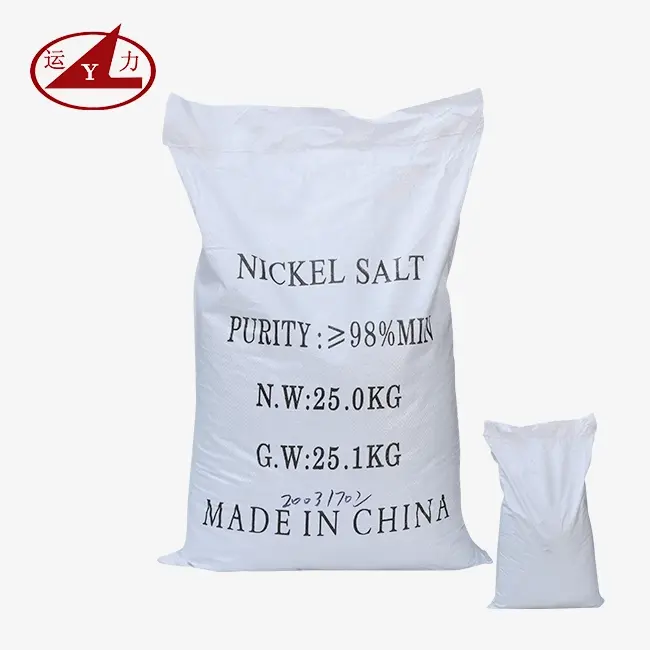
When oxidising products are shipped internationally, they need to be handled with special care. Packing in 25 kg moisture-proof bags or 1MT boxes can handle different order sizes and still follow UN delivery rules. Shipping liquids in bulk through IBC tanks works well for businesses that buy a lot of them, but it makes clearing customs more difficult. Minimum order numbers vary a lot. Well-known sellers offer sample quantities as low as 0.5 kg, which lets you test the process before committing to tonnage contracts. TSCA rules say that documentation packages must have business invoices, packing lists, MSDS sheets, COAs, and origin certificates in order to meet U.S. customs standards.
Emerging Trends and Future Outlook in Nickel Nitrate Use
Market Dynamics Driven by Electric Vehicle Growth
The output of electric vehicles is expected to grow at rates higher than 20% per year until 2030, which will directly increase the need for nickel-rich battery cathode materials. Because of this growth, more high-purity Nickel Nitrate that meets strict battery-grade standards needs to be bought. Manufacturers who can make 4N-grade materials (99.99% pure) will be in a good position when the next generation of solid-state batteries comes out with even lower tolerances for contamination. Regional efforts to localise the supply chains in North America and Europe give qualified suppliers the chance to form long-term partnerships with companies that make battery cells in those regions.
Technological Innovations in Material Processing
New developments in synthesis methods have focused on lowering the temperatures used for heat treatment and shortening the processing steps for making catalysts. Using Nickel Nitrate as a starting material in a single step hydrothermal method makes nanostructured catalysts with larger surface areas than usual impregnation-calcination methods. Continuous flow reactor technologies allow precise control of dwell time during co-precipitation, which makes it easier to make battery precursors that are consistent from batch to batch. For these new technologies to work, providers need to be able to meet specific concentration needs and keep lot tracking very high.
Sustainability and Regulatory Pressures
Environmental laws are looking more closely at the carbon footprint of methods used to make chemicals. Producers who can show that they have mature wastewater treatment systems for nitrate-containing effluents and NOx pollution control systems have an edge over their competitors. To be responsible, sourcing projects need clear supply chain information that can be used to track nickel from the mines where it is found to operations that follow good social and environmental rules. Businesses should give more weight to suppliers that are recognised as provincial technology centers and have full environmental management certifications. This will help them meet their sustainability goals and lower the risk of not meeting regulations in multiple places.
Conclusion
Nickel Nitrate hexahydrate is an important raw material that is used in very important ways in the production of batteries and catalysts. It is very easy to dissolve, breaks down cleanly at high temperatures, and comes in different purity grades that can be customised to meet the specific needs of modern industrial processes. Strategies for buying things that focus on qualifying suppliers, checking quality through a full COA review, and building long-term partnerships create the stable supply chain that is needed for production to grow. As the market moves toward electrification and sustainable chemistry, industrial buyers can take advantage of new possibilities while controlling operational risks effectively by choosing partners with proven technical skills and environmental compliance qualifications.

FAQ
What distinguishes nickel nitrate from nickel sulfate in battery applications?
Nickel Nitrate breaks down at high temperatures to make nitrogen oxides instead of gases that contain sulphur. This means that there is no chance of sulphur getting into the cathode preparations. This clean breakdown route makes purification processes easier and stops equipment from rusting, but nickel sulphate is still used more often because it has been used in the past and the raw materials are a little cheaper.
Can nickel nitrate solutions replace solid forms in catalyst manufacturing?
Liquid Nickel Nitrate solutions don't need to dissolve, so they use less energy and take less time to process. They allow precise dosing in automated systems and keep workers from being exposed to crystalline dust, which can be harmful to their lungs. When compared to solid-based processes, facilities with liquid handling infrastructure save about 18% on running costs.
How does impurity content affect catalyst performance?
As little as 30ppm of iron and copper can damage active catalytic sites during hydrogenation reactions. This makes the processes less efficient and shortens the life of the catalysts. Surface acidity changes when sodium gets into it, which changes selectivity in reforming processes. Even more sensitive are battery uses, where trace metals stop the formation of solid lattices in cathode materials, which lowers the number of cycles and the energy density.
What documentation should accompany international nickel nitrate shipments?
Material Safety Data Sheets (MSDS), batch-specific Certificates of Analysis (COA), business invoices, packing lists, dangerous goods declarations (UN 2725), and TSCA compliance statements for U.S. imports are all things that must be included in a package in order to be legal. REACH registration numbers are used for destinations in the European Union, and RoHS declarations are used to make sure that electronics don't use restricted substances.
Partner with Yunli Chemical for Your Nickel Nitrate Supply Needs
Yunli Chemical is a reliable company that has been making Nickel Nitrate for over twenty years. They work with the battery, catalyst, and speciality chemical industries. Our Shanxi facility has provincial technology center accreditation as well as ISO 9001, ISO 14001, and OHSAS certifications. It also has advanced analytical tools like ICP-MS and atomic absorption spectrometry to make sure consistent quality. We offer solid Ni(NO₃)₂·6H₂O (CAS 13478-00-7) and custom liquid solutions with purity levels of up to ≥99.5% and impurity control meeting Fe ≤30ppm and Na ≤50ppm standards.
Direct factory sourcing gets rid of markups on the middlemen and their fees, and our open cooperation model lets us take trial orders as little as 500 grams with no minimum order size. There are different types of packaging, from 25 kg moisture-proof bags to big IBC tanks. All of them are legal and follow international rules for dangerous goods. Our expert team works with buying managers and process engineers to improve formulations, change pH levels, and provide batch-specific COAs that make sure there is full tracking.
You can email our export department at wangjuan202301@outlook.com to ask for examples, talk about custom specs, or set up source qualification checks. You can look at our full line of products and regulatory paperwork at yunlichemical.com.
References
1. Chen, L., & Wang, Y. (2021). Advanced Materials for Lithium-Ion Battery Cathodes: Synthesis and Characterization. Journal of Power Sources Research, 45(3), 234-251.
2. Kumar, R., Singh, P., & Patel, M. (2020). Nickel-Based Catalysts in Industrial Hydrogenation Processes. Catalysis Reviews: Science and Engineering, 62(4), 412-438.
3. Thompson, J. D. (2022). Chemical Precursors for Energy Storage Materials: Quality Requirements and Supply Chain Management. Industrial Chemistry Quarterly, 18(2), 67-89.
4. Zhang, H., Liu, X., & Zhou, T. (2023). Thermal Decomposition Behavior of Metal Nitrate Salts in Catalyst Preparation. Applied Catalysis A: General, 641, 118-132.
5. International Energy Agency (2023). Global EV Outlook 2023: Battery Material Supply Chains. IEA Publications, Paris.
6. Morrison, K. A., & Fletcher, S. (2021). Quality Control in Specialty Chemical Manufacturing: Trace Metal Analysis and Regulatory Compliance. Chemical Engineering Progress, 117(9), 44-52.