





Best Heat Transfer Salt for Thermal Energy Storage Systems
When selecting the best heat transfer salt for thermal energy storage systems, procurement managers and engineers need to prioritize solutions that combine exceptional thermal stability with proven reliability. Molten salt formulations, particularly those based on nitrate and nitrite eutectic mixtures, represent the industry standard for concentrated solar power plants and high-temperature industrial applications.
These specialized thermal fluids operate efficiently across wide temperature ranges while maintaining low vapor pressure, which eliminates the need for expensive pressurized systems. Our experience at Yunli Chemical has shown that the optimal heat transfer salt delivers consistent performance across demanding cycles, backed by rigorous quality control and comprehensive technical documentation that satisfies both operational requirements and regulatory compliance standards.
Understanding Heat Transfer Salt: Properties and Functionality
Chemical Composition and Types
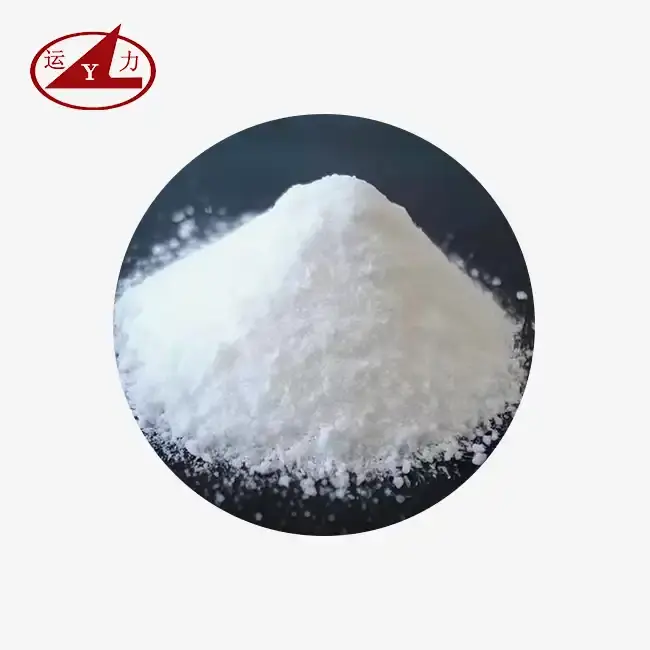
Inorganic salt mixtures that are made to absorb and release energy efficiently are used a lot in modern thermal storage. The most common version is made up of carefully measured amounts of potassium nitrate, sodium nitrite, and sodium nitrate. This particular mix makes a eutectic blend that melts at about 142°C, which is much lower than the melting points of the individual parts. Because of the way this mixture is made, facilities can keep the liquid phase running without having to heat it too much. This directly leads to lower operating costs and better system efficiency.
Critical Physical Properties
Any heat storage medium works based on measurable factors that show how well it works in the real world. Values of thermal conductivity above 0.5 W/m·K make sure that heat moves quickly through the system, and values of specific heat capacity above 1.5 kJ/kg·K show that the material can store a lot of energy per unit mass.
At working temperatures, density readings are usually between 1.8 and 2.0 g/cm³, which affects how much pumping is needed and how the system is designed. At 300°C, the viscosity stays below 5 cP, which makes it easy to handle through standard industrial pipes without having to use special pumping equipment or deal with large drops in pressure.
Thermal Energy Transfer Mechanisms
Heat transfer salts work by coming into close touch with objects that are hot and absorbing heat as sensible heat that is stored in the liquid phase. In contrast to phase-change materials that depend on latent heat, these salts stay completely liquid throughout operational cycles. This means that there are no problems with managing solidification or vaporisation.
Because it can hold a lot of heat, one kilogram of salt can store a lot of energy across temperature differences. This makes it very useful for concentrated solar power uses where daytime collection is needed to support nighttime output. Synthetic thermal oils break down above 400°C, but salt-based systems stay stable at temperatures close to 550°C, which means they can be used in thermodynamic cycles that work better.
Comparing Heat Transfer Salt with Alternative Media: Making an Informed Choice
Performance Metrics and Operating Ranges
Engineers must weigh the ability to store heat against the complexity of the system when looking at thermal storage choices. Thermal oils are easy to use at lower temperatures, but they can break down above 350°C, meaning they need to be replaced often and are hard to get rid of. High temperatures can be reached by steam systems, but they need strong pressure vessels and complicated safety controls, which add a lot to the cost of capital.
Molten salts fill in this gap because they can work at atmospheric pressure at temperatures ranging from 150°C to 565°C. This lets them handle high temperatures needed for advanced applications without the engineering challenges of pressurised systems. This is the main reason why salt-based storage is used by most large solar thermal plants around the world.
Safety and Environmental Considerations
When choosing process fluids, industrial buyers are putting more and more emphasis on safety ratings and environmental compliance. Thermal oils are flammable and made of organic materials, which makes them fire risks that need complex fire control systems and special handling procedures. Salts are naturally non-flammable and stay stable in normal atmospheric conditions.
This makes building facilities easier to design and lowers the cost of insurance. Heat transfer salt offers reliable thermal performance in high-temperature systems, and when it comes to the environment, inorganic salt formulations are not as harmful as synthetic organics, which can pollute soil and groundwater. Because there are no harmful byproducts of decay, maintenance workers can do their jobs safely, and there are easy ways to get rid of the waste at the end of its useful life.
Lifecycle Cost Analysis
The total cost of ownership includes a lot more than just the purchase price. It also includes how long the product works and how much maintenance it needs. With the right nitrogen blanketing to stop oxidation, high-quality molten salts can work for twenty years or longer. On the other hand, thermal oils usually need to be replaced every three to five years. The longer service life cuts down on downtime for cleaning, removing, and refilling the system by a huge amount.
When salt systems are properly maintained, they have lower corrosion rates. This means that pipes and valves don't need to be replaced as often, which can save a lot of money over the life of a facility. When compared to speciality manufactured fluids, salt components are cheaper because they can be bought in bulk and their prices stay stable.
Procurement Considerations: How to Buy the Best Heat Transfer Salt
Quality Standards and Testing Protocols
Making sure that salt recipes meet strict quality standards is the first step to making sure that thermal storage works well. The most important quality factor is chloride content. Premium types keep this impurity below 20 parts per million (ppm) to keep stainless steel parts from stress corrosion cracks. Sulphate levels must stay low to avoid reactions that break down materials and make them less stable at high temperatures.
Insoluble matter limits are usually set at 0.05% to keep weathering damage to a minimum and protect pump impellers and flow instruments. Ion chromatography and inductively coupled plasma mass spectrometry are used by advanced providers to make sure that standards are met. With every shipment, they include reports of analysis that show that the standards were met.
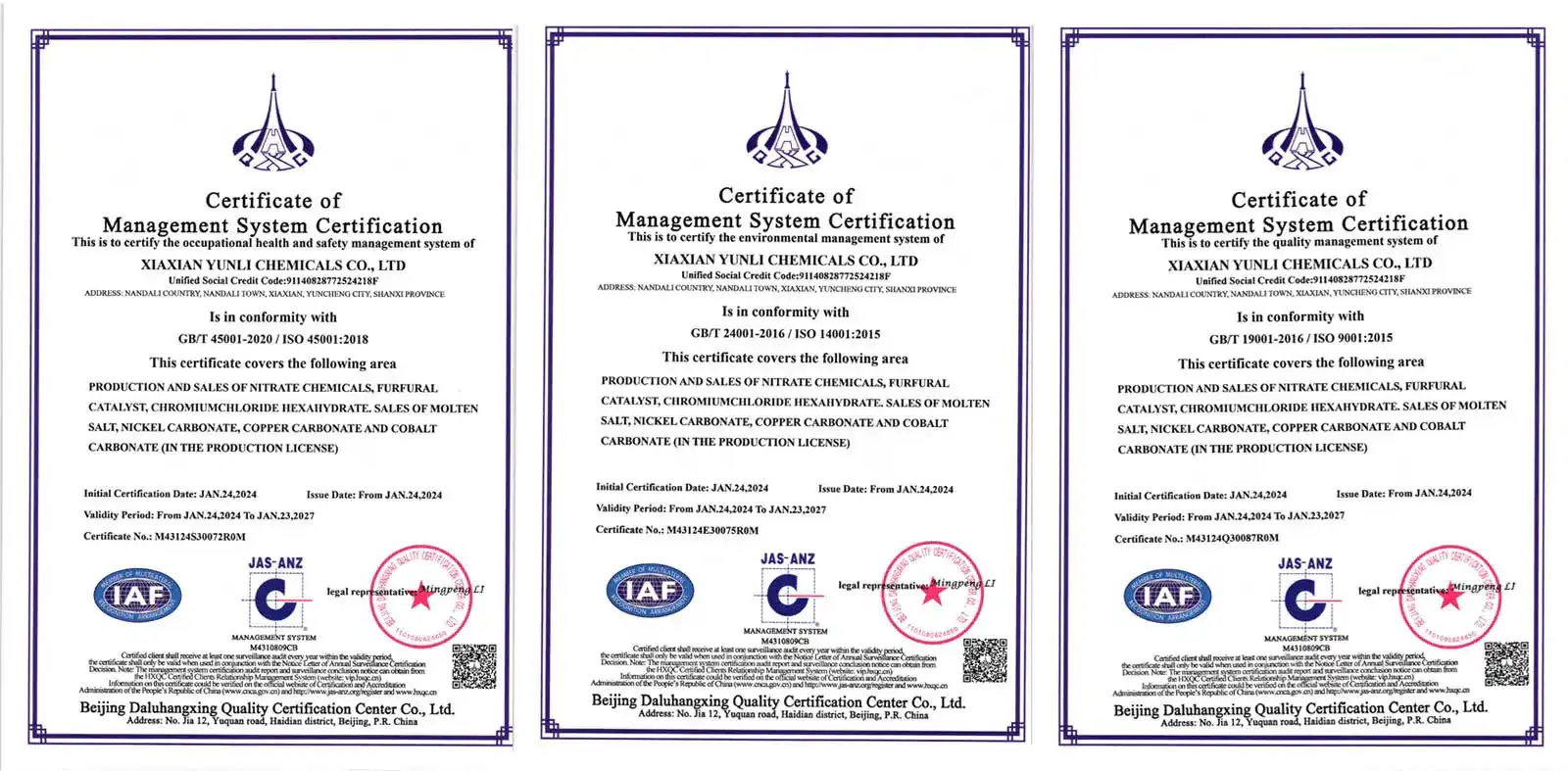
When procurement teams look at possible suppliers, they should give more weight to companies that have established quality management certifications. The ISO 9001 certification shows that the process is controlled in a way that makes sure consistency from batch to batch, and the ISO 14001 certification shows that the production process is environmentally responsible. Companies that are designated as provincial or national technology centers usually have advanced testing labs that can do detailed compositional analysis. This helps with both product development and quality assurance.
Supplier Evaluation Criteria
There are more things to look at than just the product details when choosing a production partner. You also need to look at their operating stability and technical support skills. Suppliers who have been making things for twenty years bring institutional knowledge that keeps quality problems and supply disruptions from happening.
Direct factory supply models get rid of markups on goods that go through middlemen and make it easy for customers to talk to technology experts. Manufacturers who run their own export businesses usually have more packaging options and can respond faster than those who work with third-party distributors. Being able to change the ratios of watery solutions and give samples shows that you are technically skilled and care about your customers.
Logistics and Delivery Planning
Heat transfer salt is a critical component in many industrial thermal systems, and buying thermal salt in bulk means planning for large amounts to be delivered at exact times so that there is as little storage space and cash use as possible. Suppliers with a lot of experience keep enough stock on hand to fill bulk orders without having to wait for long lead times. This keeps project schedules from getting behind.
Customised packing and labelling services can handle a wide range of needs from standard drums to specialised bulk containers. Because samples of up to 500 grams are available for free, engineering teams can test for suitability and performance before making full-scale purchases. This greatly lowers the risk of buying.
Applications and Benefits of Heat Transfer Salt in Thermal Energy Storage
Concentrated Solar Power Integration
Molten salt systems are used by solar thermal facilities to store energy that is collected during the hottest parts of the day so that it can be sent out when demand is highest in the evening. Before going to insulated holding tanks, the salt flows through receiver screens where direct sunshine heats it to about 565°C.
During the night or when it's cloudy, this stored energy powers steam turbines that make electricity. This means that solar plants can provide base-load power on par with fossil fuel plants. Because it can hold a lot of specific heat, even small tanks can store thermal energy for 10 to 15 hours. This makes utility-scale solar economically competitive with other types of power generation.
Industrial Process Applications
During exothermic reactions, precise temperature control is needed in chemical manufacturing, especially in areas that make melamine and acrylic acid. Molten salt cooling circuits take in reaction heat between 350°C and 450°C, which is a temperature range where organic fluids break down quickly. The high heat capacity and thermal stability make it possible to keep the temperature stable even when the reaction loads change.
This improves the quality of the product and the safety of the process. Metallurgy and cement production both use salt-based systems to collect waste heat from flue gases. The high thermal inertia of these systems keeps energy output stable even when sources aren't always available. This reused heat cuts down on fuel use and carbon pollution, which helps with sustainability efforts and lowers running costs.
Performance Enhancement Mechanisms
Using molten salt thermal storage makes things work better in a number of ways that can be measured. Better heat transfer efficiency lowers the difference in temperature needed for energy exchange, which raises the thermodynamic efficiency of the whole system. The large amount of energy packed into a small space means that storage infrastructure takes up less space, which lowers the cost of building it and makes it easier to plan the site.
Compared to steam or oil systems, operational maintenance needs are much lower because properly made heat transfer salt doesn't corrode and there aren't any high-pressure parts that need to be inspected often. Facilities that switched to salt-based heat control say that their equipment lasts longer and works more reliably now.
Making the Right Decision: Tailored Recommendations for B2B Clients
Selection Criteria for Optimal Performance
The people who make decisions about purchases should use a structured review to match the properties of thermal salt to the needs of each system. Temperature ranges for operations must match the needs of the process, with the knowledge that standard formulations work best between 150°C and 550°C. Budget limits affect both the original choice to buy and the long-term economics of operations. This is why lifetime cost analysis is so important.
Compatibility with current building materials, especially pipe and vessel metalwork, keeps expensive upgrades from having to be made or equipment from having to be replaced too soon. System heat tracing standards to keep solids from forming during shutdowns affect both capital and operating costs, and facilities with current infrastructure or mild climates will benefit the most.
Customized Solutions for Diverse Client Needs
Different types of customers benefit from purchasing and using thermal salt in different ways. Original equipment makers (OEMs) that put thermal storage into packaged systems appreciate providers that work with them on the design process to make sure they choose the best salts and set up their systems correctly.
Distributors that serve regional markets put a high value on a steady supply of goods, competitive pricing, and low minimum order quantities that can be changed to meet the needs of a wide range of customers. Large industrial end-users put a lot of value on consistent products, thorough paperwork, and quick expert help that answers practical questions. Suppliers who can meet all of these different needs through different service models build long-lasting relationships that go beyond single purchases.

Future Technology Developments
Thermal storage technology keeps getting better by researching new materials and coming up with new ways to do things. The main goal of development is to increase the operating temperature range so that higher-efficiency power cycles and more industrial uses are possible. Corrosion inhibitor additives promise to make more building materials suitable than just stainless steel, which could lower the cost of the system's capital.
Using sensible heat in liquid salts along with phase-change materials in hybrid storage ideas aims to boost energy efficiency even more while keeping operations as simple as possible. Professionals in procurement who keep an eye on these trends set their companies up to use new technologies as soon as they are ready for business use. This way, they can stay ahead of the competition by ensuring operational excellence.
Conclusion
To choose the best thermal storage options, you have to weigh technical ability against the practicalities of buying them. Heat transfer salt formulations have been shown to work reliably in a wide range of demanding industrial settings, from large-scale solar systems to precise chemical processing. The ability to work at high temperatures, at atmospheric pressure, and for a longer period of time creates strong economic value that justifies the initial investment.
Partnering with skilled manufacturers who offer stable quality, full technical support, and flexible business terms that meet customer needs is key to success. By putting purity requirements first, checking the credentials of suppliers, and carefully planning logistics, procurement teams are able to find thermal storage solutions that improve operational performance and support long-term strategic goals.
FAQ
What temperature range is suitable for molten salt operation?
Standard formulas of thermal salts keep the liquid phase steady from about 150°C to 565°C. The lower limit is a safe area above 142°C to avoid solidification risks, and the upper limit shows how stable the temperature is when nitrogen is blanketed over it. Some uses may be able to work within smaller areas depending on the process needs and the design factors of the equipment.
How does salt longevity compare with thermal oil?
When properly cared for, molten salt systems can work regularly for 20 years or more, which is a lot longer than the three to five years that thermal oils usually last. This longer service life is due to chemicals staying stable at high temperatures and not breaking down easily at high temps. Samples and analyses are done on a regular basis to check on the condition of the salt, and chemical treatments can be used to fix any minor damage that happens.
Can I purchase bulk quantities with customized specifications?
Manufacturers with a lot of experience can fill tonnage orders with flexible specs that are made to fit the needs of the customer. Different operating needs can be met with custom packing, changes in concentration for water-based products, and personalised labels. Leading sellers keep enough stock on hand to quickly fill large orders and also offer small amounts for trying before full-scale agreements.
Partner with Yunli Chemical for Superior Heat Transfer Salt Solutions
Yunli Chemical has been making high-quality molten salt mixtures for over 20 years and has built a reputation as a reliable Heat transfer salt producer through steady quality and quick service. Our advanced analytical tools and provincial-level technology center make sure that every batch meets strict requirements. For example, the salt content is kept below 20 ppm, and records of analysis show that full testing was done.
We offer factory-direct prices that don't include markups for middlemen, packaging that can be changed to fit your needs, and free samples of up to 500 grams to make sure they work. Our technical team can help you choose the right salt and make sure the whole system works well, whether you're planning a new concentrated solar power plant or improving an old industrial thermal system.
Please email us at wangjuan202301@outlook.com to talk about your thermal energy storage needs and find out how our experience as a Heat transfer salt provider can help your business run more smoothly and reliably in the long term.
References
1. Bauer, T., Steinmann, W., Laing, D., & Tamme, R. (2012). "Thermal Energy Storage Materials and Systems." Annual Review of Heat Transfer, Volume 15, Issue 3, pp. 131-177.
2. Kearney, D., Kelly, B., Herrmann, U., Cable, R., Pacheco, J., Mahoney, R., Price, H., Blake, D., Nava, P., & Potrovitza, N. (2004). "Engineering Aspects of a Molten Salt Heat Transfer Fluid in a Trough Solar Field." Energy Journal, Volume 29, Issues 5-6, pp. 861-870.
3. Pacheco, J. E., Showalter, S. K., & Kolb, W. J. (2002). "Development of a Molten-Salt Thermocline Thermal Storage System for Parabolic Trough Plants." Journal of Solar Energy Engineering, Volume 124, Issue 2, pp. 153-159.
4. Pacio, J., Singer, C., Wetzel, T., & Uhlig, R. (2013). "Thermodynamic Evaluation of Liquid Metals as Heat Transfer Fluids in Concentrated Solar Power Plants." Applied Thermal Engineering, Volume 60, Issues 1-2, pp. 295-302.
5. Vignarooban, K., Xu, X., Arvay, A., Hsu, K., & Kannan, A. M. (2015). "Heat Transfer Fluids for Concentrating Solar Power Systems – A Review." Applied Energy, Volume 146, pp. 383-396.
6. Zhao, C. Y., & Wu, Z. G. (2011). "Heat Transfer Enhancement of High Temperature Thermal Energy Storage Using Metal Foams and Expanded Graphite." Solar Energy Materials and Solar Cells, Volume 95, Issue 2, pp. 636-643.







