


How Should Calcium Nitrite Powder Be Stored Before Industrial Use?
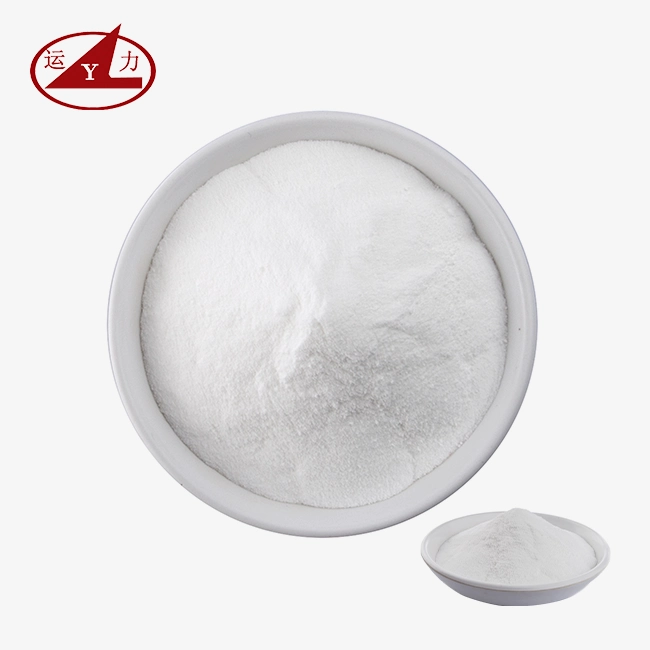
Proper storage of calcium nitrite powder (Ca(NO₂)₂, CAS 13780-06-8) is essential before any industrial application. This colorless to pale yellow powder is highly deliquescent, meaning it absorbs moisture from the air rapidly. If stored incorrectly, it clumps, loses active nitrite content through oxidation, and becomes difficult to disperse uniformly in dry-mix mortars or coating formulations. To preserve product integrity, store it in sealed, moisture-proof packaging inside a cool, dry warehouse at temperatures below 30°C and relative humidity below 60%, away from incompatible oxidizing agents and acidic materials.
Understanding Calcium Nitrite Powder and Its Storage Requirements
Chemical Identity and Physical Form
Anions like calcium nitrite (Ca(NO₂)₂) are 132 grams per mole and melt at 100°C. It is easy to dissolve in water and has a density that runs from 2.23 to 2.53 g/cm³ based on the temperature. Powder admixture and dry-mix mortar makers like the powder form because it can be used directly in dry blending processes and doesn't need special equipment for handling liquids.
Why Environmental Conditions Matter
Because the substance is very hygroscopic, even short contact to humid air causes the surface to harden. Long-term exposure to air and water breaks down the substance physically, but it also slowly changes nitrite ions (NO₂⁻) into nitrate ions (NO₂⁻), which lowers the quantity of the active ingredient. This chemical shift directly hurts field performance in situations like stopping corrosion in steel rebar, where precise dosing at 2% to 4% by cementitious weight is required according to best practice.
Temperature and Stability Relationship
The rate of oxidation speeds up when the storage temperature is high. Studies on mixes with nitrite show that keeping them above 35°C boosts the nitrate conversion by a measurable amount within weeks. The combination stays stable for 12 to 24 months if the temperature in the building stays between 10°C and 30°C.
Common Storage Challenges and Risks in Industrial Settings
Moisture Absorption and Caking
Caking is the problem that dry-mix mortar and powder ingredient makers talk about most often. As soon as the powder takes in enough water from the air, it forms hard clumps that are difficult to blend evenly. Particles that stick together make mortar mixes not spread out evenly, which makes the end concrete element's corrosion resistance less consistent.
Active Content Degradation
The change from nitrite to nitrate is a silent but important issue for calcium nitrite powder. A mid-sized mortar producer did an audit of their warehouse and found that bags that weren't stored properly had nitrite assay values drop from the labeled ≥94% to below 88% in just three months. For sourcing teams that buy 20–200 metric tons of product a year, this loss immediately means higher dosing costs and quality differences.
Packaging Integrity Risks
If the bags get torn or punctured while they're being shipped, the powder is immediately exposed to the air's humidity. Standard transport rules say that the compound is not a high risk, so teams don't always think about how much damage additional moisture can cause. Powder that gets spilled in a building can cause people to slip and fall, and the cleanup process needs to follow local chemical safety rules.
Best Practices and Guidelines for Storing Calcium Nitrite Powder
Following an organized storage procedure keeps workers safe and protects the quality of the goods being stored. The following rules are what most businesses do when they use hygroscopic inorganic admixture powders.
These are the basic storage rules that warehouse managers and production engineers should follow:
- Sealed, moisture-proof packaging: Yunli Chemical ships calcium nitrite powder in double-layer PE-lined kraft bags (25 kg standard) or bulk-lined containers. Keep bags sealed until the point of use; reseal immediately after partial withdrawal. Do not transfer to unlined containers.
- Temperature and humidity control: Maintain warehouse temperature between 10°C and 30°C with relative humidity below 60%. Use dehumidifiers in coastal or tropical storage locations where ambient humidity regularly exceeds this threshold.
- Chemical segregation: Store away from strong acids, organic combustibles, and reducing agents. While calcium nitrite is not classified as a highly reactive oxidizer at ambient temperatures, proximity to incompatible materials increases risk during any accidental spill or fire scenario.
- FIFO inventory rotation: Apply a first-in, first-out system and clearly label each pallet with the arrival date and the manufacturer's recommended use-by date. Do not stockpile beyond a three-month working supply unless dedicated climate-controlled storage is available.
All of these steps for calcium nitrite powder lower the risk of caking, keep the active nitrite content, and keep the supply chain going without having to deal with expensive batch rejects. A dry-mix mortar business that started using FIFO rotation and pallet-level humidity logging had no caking-related production stops during the whole year, compared to two cases the previous season.

Comparative Insights: How Calcium Nitrite Powder Storage Differs from Similar Chemicals
Versus Sodium Nitrite
Sodium nitrite is also hygroscopic, but its melting point is lower (271°C) and its reactions are different. It needs to be stored in a way that keeps out moisture, but its breakdown rate is slightly lower than calcium nitrite powder's under the same humidity conditions. This means that it can be stored for a little longer. When buying either compound, procurement teams should ask for a batch-specific Certificate of Analysis (COA) that confirms the nitrite assay at the time of dispatch, not when the compound was made.
Versus Calcium Nitrate
Even more water-absorbing than calcium nitrite, calcium nitrate takes in water much more quickly. Calcium nitrite powder with a purity level of at least 99.5%, like the type made by Yunli Chemical, is more stable physically than calcium nitrate when the conditions are the same. When purchasing managers look at multi-admixture powder systems, they shouldn't assume that the same storage rules apply to both nitrate and nitrite compounds.
Grade and Purity Effects on Storage Life
Higher-purity grades with stricter impurity limits (Fe ≤30 ppm, Na ≤50 ppm, heavy metals ≤10 ppm) tend to store more consistently. This is because small amounts of impurities can speed up oxidation processes. So, choosing industrial-grade material that is at least 99.5% pure is both a performance and a storage-life choice.
Procurement and Supplier Considerations Related to Calcium Nitrite Powder Storage
Evaluating Supplier Storage and Shipping Practices
Suppliers' buildings affect the commodities' condition when they reach at your receiving dock. When choosing a supplier for calcium nitrite powder, request documents on how they regulate building temperature and humidity, how they inspect packing before shipping, and the moisture content test results from the batch they supplied you. Yunli Chemical, an ISO 9001 and ISO 14001 supplier, has frequently reviewed environmental management systems. Additional process control may be examined and verified.
Aligning Order Quantities with Storage Capacity
For trial orders of 1 to 5 metric tons and shipments of 20 metric tons or more for established supply contracts, the warehouse needs to be set up ahead of time. Because the best time to store something is between 12 and 24 months, buying too much compared to how much you use raises the risk of exposure and degradation. Talk to your supplier about how often deliveries should happen based on how much production you need to keep your inventory turnover within safe storage limits.
Technical Support as a Risk Mitigation Tool
Suppliers who offer technical advice that is specific to an application help the buying and engineering teams avoid making mistakes that aren't related to the application at all, which are often mistaken for storage issues. With the help of a provincial-level business technology center and advanced analytical tools like ICP-MS, Yunli Chemical's technical team can help clients check the quality of the product when they receive it and figure out why it isn't working as it should.
Conclusion
The right way to store calcium nitrite powder is very important because it directly affects how well the material works when it is needed. Maintain a dry, packed, and temperature-controlled powder; change inventory first come, first served; and check the active ingredient level with each batch's COA. Even less risk is involved when you choose a provider with certified quality control systems and clear shipping practices. If these steps are always taken, the powder will keep its ability to stop rust, its particle flow properties, and its ability to work with other dry-mix additive parts all the way through the supply chain.
FAQ
What is the shelf life of calcium nitrite powder?
Calcium nitrite powder usually stays pure for 12 to 24 months after it was made as long as it is stored in sealed containers at temperatures between 10°C and 30°C and with a relative humidity below 60%. Get a batch-specific COA from your seller to find out the exact shelf life.
What packaging type best prevents degradation during transit?
For standard 25 kg shipments, double-layer PE-lined kraft bags are the best way to keep moisture out. For large sales, it's best to use PE-lined giant bags with heat-sealed liners inside. If you're sending something long distance or to a wet area, don't use single-layer paper bags.
Are there special safety precautions for warehouse handling?
When working with the powder, people should wear dust masks, safety glasses, and gloves. Keep away from acids and things that can catch fire. If there is a spill, pick up the dry stuff and don't make dust that goes into the air. When making emergency plans, make sure to follow local chemical safety rules and SDS guidelines for nitrite compounds.
How do I confirm product quality after receiving a shipment?
Ask for a certificate of analysis (COA) with every shipment that confirms the nitrite test by redox titration, the chloride ion content (usually less than 0.1%), the moisture level (less than 2.0%), and the particle size distribution. Yunli Chemical offers paperwork at the batch level and helps with independent verification tests.
Source Your Calcium Nitrite Powder from Yunli Chemical
Yunli Chemical has been making and exporting calcium nitrite powder for more than 20 years. They make more than 1 billion yuan a year and have 300 million yuan in fixed assets. We are a recognized calcium nitrite powder producer with ISO 9001, ISO 14001, and OHSAS certifications. Our products are ≥99.5% pure and come in moisture-proof packaging with full batch paperwork. You can get free samples of up to 500 g. You can email our team at wangjuan202301@outlook.com or go to yunlichemical.com to talk about your supply needs.
References
1. Berke, N. S., & Hicks, M. C. (1992). Corrosion Inhibitors in Concrete. Concrete International, American Concrete Institute.
2. ASTM International. (2019). ASTM C494/C494M: Standard Specification for Chemical Admixtures for Concrete. ASTM International.
3. ASTM International. (2012). ASTM G109: Standard Test Method for Determining Effects of Chemical Admixtures on Corrosion of Embedded Steel Reinforcement in Concrete. ASTM International.
4. Justnes, H., & Nygaard, E. C. (1995). Technical calcium nitrite as a corrosion inhibitor for steel in concrete. Cement and Concrete Research, 25(8), 1766–1774.
5. Neville, A. M. (2011). Properties of Concrete (5th ed.). Pearson Education.
6. Cheng, A., Huang, R., Wu, J. K., & Chen, C. H. (2005). Influence of GGBS on durability and corrosion behavior of reinforced concrete. Materials Chemistry and Physics, 93(2–3), 404–411.