





How To Dispose of Nickel Nitrate
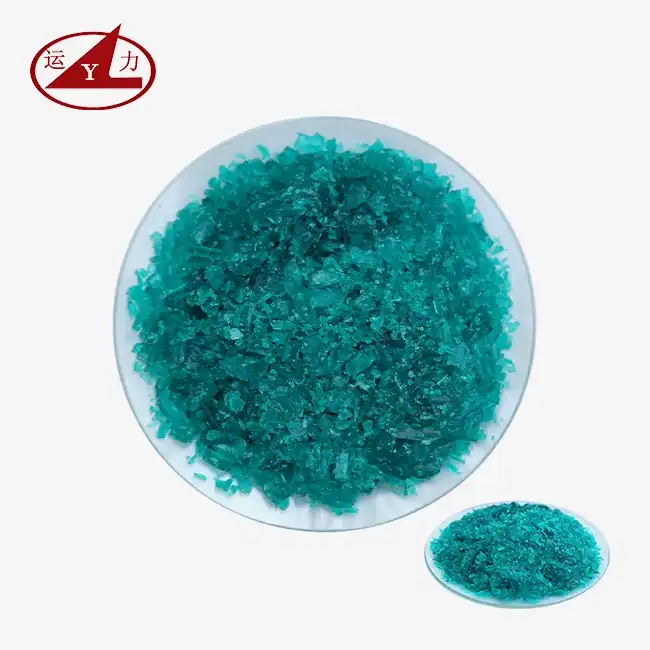
To properly get rid of Nickel Nitrate hexahydrate (Ni(NO₃)₂·6H₂O, CAS 13478-00-7), you must strictly follow all federal and state environmental laws. You can't pour this emerald-green solid oxidizer down the drain or put it in standard trash cans. It is used in electroplating, making catalysts, and making battery materials. Some approved ways are chemical neutralization followed by pick-up by a licensed toxic waste hauler, recycling at specialized facilities, or heat treatment at allowed incinerators. Knowing these rules will keep your business from getting fined a lot of money and being responsible for damage to the world.
Understanding Nickel Nitrate and Its Disposal Challenges
Nickel Nitrate hexahydrate (Ni(NO₃)₂·6H₂O) is a green solid that melts easily and has a molecular weight of 290.81 g/mol. For example, this substance is very important for electroplating, making pottery glazes, and making catalysts for petrochemical uses. It is very easily dissolved in water—more than 238 g per 100 mL at room temperature—which makes it useful in industrial processes but harder to deal with trash.
Because the substance is both a Class 5.1 oxidizer (UN 2725) and a nickel-bearing toxicant, it is hard to get rid of. Because it oxidizes, it makes fires stronger when it comes into contact with organic materials. At amounts above legal limits, nickel ions can cause cancer. Unlike simpler salts, this hexahydrate breaks down above 56.7°C, releasing nitrogen fumes that can damage the air quality if it is not treated properly.
Regulatory Frameworks Governing Disposal
Because they can catch fire and contain nickel, used Nickel Nitrate solutions are considered D-listed toxic trash under RCRA by the U.S. Environmental Protection Agency (EPA). Facilities that make more than 100 kilograms per month must register as Small Quantity Generators and keep track of all export documents. The Occupational Safety and Health Administration (OSHA) sets limits on nickel compound exposure at 1.0 mg/m³. This means that people who handle waste must wear respirators.
For nickel salts that are used more than once a year, the European Union's REACH registration requires specific safety paperwork. Nickel Nitrate is classified under the CLP Regulation as H272 (oxidizing), H302 (harmful if eaten), and H350i (may cause cancer by breathing in). These labels lead to more paperwork being needed for sending trash across borders, which impacts businesses that work with other countries.
Common Misconceptions About Disposal
A lot of buying teams are wrong when they say that dilution gets rid of harmful qualities. Adding water to concentrated solutions doesn't get rid of regulated substances; it just spreads contamination over bigger amounts. Another common mistake is that changing the pH level is all that needs to be done to get rid of something. However, precipitated nickel sludges are still dangerous and need to be put in a special kind of waste. Realizing that changing chemicals doesn't get rid of legal duties helps businesses stay in line with the law and saves the environment.
Risks and Hazards Involved in Nickel Nitrate Disposal
Health Impacts from Exposure
When Nickel Nitrate comes into touch with skin, it burns badly and irritates the lungs by damaging tissues through oxidative damage. Dermatitis that doesn't go away has been reported in workers who handle concentrated liquids, even after short contact. Several workplace health studies have shown that long-term inhalation risks include making the lungs more sensitive and increasing the chance of lung cancer. The compound is very acidic in water (pH 2.5–3.5 at 1% concentration), which damages nasal membranes. Because of this, there must be emergency eyewash stations within ten seconds' travel time of places where the compound is being handled.
Environmental Contamination Pathways
Nickel ions get into groundwater at levels higher than the EPA's Maximum Contaminant Level of 100 µg/L when wastewater is discharged improperly. Nickel sticks to organic matter and clay materials very well, so soil pollution lasts for decades. Nickel levels above 50 µg/L make it hard for fish to reproduce and mess up the groups of invertebrates, which are especially bad for aquatic environments. In non-attainment zones, leaks into the atmosphere during thermal decomposition add NOx precursors to the formation of ground-level ozone, which is against the Clean Air Act.
Critical SDS Information for Disposal Planning
Nickel Nitrate needs to be stored separately from things that can catch fire, acids, and reducing agents, according to Safety Data Sheets. Spill reaction plans say that only vermiculite or sand can be used to soak up the spill. Sawdust or other organic absorbents that could catch fire on their own are not allowed. First responders need to know that water streams can cause exothermic processes that release dangerous vapors. Understanding these factors helps operations make good backup plans and choose the right waste providers.
Step-by-Step Effective Methods for Disposing of Nickel Nitrate
Chemical Neutralization and Precipitation
Most of the time, sodium hydroxide or calcium hydroxide are used to raise the pH above 9.5 in a commercial setting. This is called alkaline precipitation. This turns nickel ions that are soluble into nickel hydroxide sludge, which lowers the concentrations in water to below the standards for release. It's important to keep an eye on the pH during the process because too much alkali can cause amphoteric dissolving, which brings nickel back into solution. Settling tanks must have a holding time of at least four hours so that particles can fully clump together.
The nickel hydroxide cake that is left over after filter presses remove water (usually 30–45% solids) can be thrown away in a hazardous waste dump according to EPA Subtitle C rules. This way is good for getting rid of waste that is more than 100 liters, but based on where you live, it can cost $300 to $500 per ton to get the trash to a permitted facility. Businesses that consistently make a lot of waste discuss yearly contracts to keep costs stable.
Recycling and Resource Recovery
Companies that are on the cutting edge are looking for closed-loop recycling systems that can get metal values back from used solutions. Using controlled current, electrowinning technology deposits solid nickel onto cathodes, recovering more than 95% of the nickel from liquids with a concentration of 5 g/L or more. This method turns garbage risks into materials that can be used to make alloys or electroplating baths and earn money.
Ion exchange resins, on the other hand, pick out nickel ions from streams that aren't very strong (0.5–5 g/L) and concentrate them for processing further upstream. When sulfuric acid is used to regenerate resin, nickel sulfate is made that can be used to make fertilizer or battery precursors. Complete systems cost between $50,000 and $200,000 to buy, but businesses that process more than five tons of material per month usually get their money back within eighteen months by not having to pay dumping fees and getting material credits.
Thermal Treatment at Permitted Facilities
Under controlled settings, burning Nickel Nitrate at high temperatures turns it into nickel oxide and nitrogen fumes. Rotary kilns that work at 800–1,000°C make sure that everything breaks down completely, and scrubber systems catch the gaseous fumes. The nickel oxide that is made can be used as a color in ceramics or can be refined even further to make pure nickel. This route works well for concentrating waste from evaporation processes, but it's not widely available because of shipping issues for oxidizing materials—only 14 U.S. states have approved incinerators that can burn UN 2725 materials.
The right methods are chosen based on the amount of trash, the concentration of nickel, the area, and the amount of money that is available. For generators that make less than twenty kilograms of waste per month, hired pickup services are often the most cost-effective option. On the other hand, high-volume businesses should have their own cleaning facilities. Doing cost-benefit studies once a year makes sure that dumping strategies keep up with changing business needs and rules.
Choosing the Right Nickel Nitrate Supplier for Quality and Compliance
Impact of Purity Grades on Waste Management
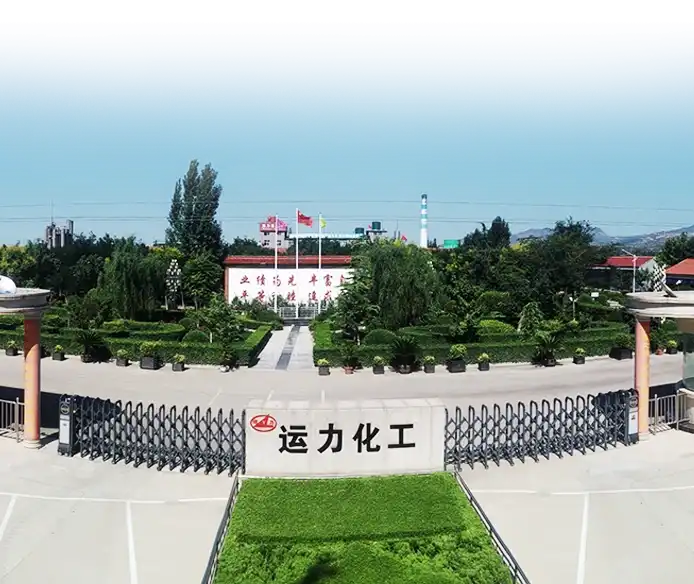
Nickel Nitrate that is more than 99.5% pure and has impurities that are managed (Fe ≤30 ppm, Na ≤50 ppm, Cl⁻ ≤100 ppm) makes waste streams cleaner, so they need less complicated treatment. Materials of lower quality that have a lot of iron or calcium make the chemistry of precipitation more difficult, which increases the amount of sludge and the cost of cleaning. When Yunli Chemical provides materials that meet high impurity standards, it makes the handling of waste further down the line more reliable and cost-effective.
Electronic-grade goods used to make catalysts and for batteries go through strict quality control to make sure that they are the same from batch to batch. This repeatability lets businesses standardize how they treat waste without having to make constant changes to account for different types of garbage. Traceability through Certificates of Analysis (COA) with lot numbers helps meet environmental audit standards and shows that suppliers were chosen with care.
Physical Form Selection for Operational Efficiency
Solid material has a longer shelf life and is easier to keep track of goods, but it needs to be dissolved in steps that create wastes that need to be cleaned up. At 35–50% concentration, liquid formulas don't need to be mixed, which cuts down on building space and labor costs. But liquid forms are heavier to move and need to be kept at a certain temperature so they don't turn into crystals in the winter.
Yunli Chemical offers both 25 kg moisture-proof bags for solid crystals and IBC tote configurations for liquid solutions, so buying teams can choose the best option based on how the products will be used. Facilities that use more than 500 kg per month usually choose liquid delivery, while smaller users or those that need to store the goods for a long time choose solid forms. This adaptability cuts down on waste throughout the span of the product.
Evaluating Supplier Compliance Support
Leading suppliers stand out by providing complete paperwork packages that include SDS sheets that meet OSHA HCS 2012 standards, REACH registration numbers for exports to the EU, and papers that explain how to properly dispose of trash. Yunli Chemical has ISO 9001, ISO 14001, and OHSAS 18001 standards, which show that they are dedicated to quality and environmental management systems that meet customer requirements.
Technical support is also important—suppliers with skilled application experts can help fix process problems that could otherwise lead to more waste. Nickel Nitrate, for example, is a common material where proper handling and application guidance directly affect yield and residue levels. When Yunli Chemical's team helps customers improve catalyst impregnation methods or electroplating bath upkeep, they get better material utilization rates and less waste as a result. This way of working together creates long-lasting relationships that go beyond simple deals between buyers and sellers.
Compliance and Best Practices for Industrial Nickel Nitrate Waste Management
Key U.S. Regulatory Requirements
The Resource Conservation and Recovery Act (RCRA) of the Environmental Protection Agency (EPA) sets the basic rules for dealing with dangerous garbage. Generators must decide how to classify waste within the time limits set by regulations, keep correct records of how much they've collected, and ship materials using approved transporters within 180 to 270 days, based on the amount standards. Up to 55 gallons can be stored in satellite accumulation areas close to production equipment before they are sent to central storage.
The Hazard Communication Standard from OSHA says that all employees must get thorough training on chemical dangers, how to choose protective tools, and what to do in an emergency. Refresher workshops once a year make sure that workers are still competent as processes change. There must be proof that every worker who handles nickel compounds went through training before their first job and keeps their certification up to date.
Developing Internal Management Protocols
Optimizing the process is the first step to reducing waste. For example, changing the chemicals in the plating bath to make it last longer or using countercurrent cleaning can cut dragout losses by 40–60%. Separating trash lines keeps them from mixing with things that don't go together, which makes treatment more difficult. Labels on dedicated collection bins that list what's inside, when the buildup starts, and what kind of danger it is help with regulatory compliance and make it easier for contractors to pick up the materials.
Comprehensive garbage management plans are made possible by putting together cross-functional teams with professionals from buying, engineering, operations, and environmental health. Reviewing production rates once a month finds new patterns that need to be fixed. Companies naturally choose high-purity materials from trusted sources like Yunli Chemical that lower back-end costs when they look at the total cost of ownership, which includes disposal.
Audit Preparation and Documentation Strategies
Environmental audits look at how trash is tracked from the time it is made until it is thrown away. Compliance is shown by keeping full manifest chains, lab analysis results, and carrier licenses. Photographs of storage areas, additional control systems, and labeling procedures show that the right procedures were followed. By planning internal mock checks every three months, holes can be found before regulatory inspections.
Working with waste management companies that have R permits for recycling or D permits for treatment makes sure that the waste is thrown away legally. By making sure freelancers have enough insurance and looking at their past compliance records, facilities can avoid being held responsible if they are later sued by someone else. When you combine these steps of due research with quality feedstock from certified suppliers, you get strong compliance systems that support long-term business success.

Conclusion
To properly get rid of Nickel Nitrate hexahydrate, you need to know that it is both an oxidizer and a harmful heavy metal combination. Chemical precipitation, resource recovery, and allowed incineration are all approved ways. Each has its own benefits based on the size of the business and the type of trash. Choosing high-purity materials from approved sources like Yunli Chemical makes waste treatment easier and helps you follow EPA, OSHA, and other foreign rules. Comprehensive records, training for employees, and relationships with licensed garbage workers are the building blocks of management programs that work to protect both the environment and the business.
FAQ
Can Nickel Nitrate waste be thrown away in standard trash?
Without a doubt not. Due to its oxidizing qualities and toxic nickel content, Nickel Nitrate is considered RCRA hazardous trash. Federal law doesn't allow dumping through solid garbage systems in cities. If you break the EPA's rules, you could be fined up to $37,500 per day, and you could also be charged with a crime for knowingly endangering someone. All trash has to go through approved hazardous waste carriers to get to places that are allowed to treat or get rid of it.
What problems with keeping make later removal harder?
Because Nickel Nitrate is hygroscopic, it corrodes containers when water gets inside of them. This results in drums that aren't labeled or are in bad shape, which trash companies won't take because they need to be expensively repackaged. Putting things that don't go together, like acids or organics, close to each other causes reaction issues that need special treatment. Keeping the original maker stickers on containers, keeping them sealed, and writing down the times of buildup stops these problems and makes sure that the disposal process goes smoothly.
How do I check that my provider is following environmental rules?
Ask for copies of the ISO 14001 certificates, environmental permits for the building, and most recent inspection reports from the government. Reliable providers, such as Yunli Chemical, are happy to provide REACH registration paperwork and Environmental Product Declarations that are unique to each product. If you are buying a lot, you should visit the place on a regular basis to look at the waste treatment facilities and emissions control equipment. When suppliers are open about their own compliance, it shows that they want to work with you to meet your business goals.
Partner with Yunli Chemical for Compliant Nickel Nitrate Supply
For more than twenty years, Yunli Chemical has been making Nickel Nitrate hexahydrate and has supplied electroplating plants, catalyst makers, and battery material makers all over North America. Our ISO 9001 and ISO 14001 certifications make sure that our quality standards are always met and that we care for the earth, which makes your trash management duties easier. Our Nickel Nitrate source network provides products with very low impurity levels (Fe ≤30 ppm, Na ≤50 ppm), which cleans up waste streams and lowers the cost of treatment.
Email our technical team at wangjuan202301@outlook.com to get free 500-gram samples and thorough paperwork on how to properly dispose of them that is made just for your needs. We offer full COA tracking and SDS packages that meet audit standards. Visit yunlichemical.com to see our full line of products and learn how our 20 years of experience in production can help you improve your supply chain while still meeting strict safety standards.
References
1. U.S. Environmental Protection Agency. (2022). Hazardous Waste Management System: Identification and Listing of Hazardous Waste. Code of Federal Regulations, Title 40, Part 261.
2. Occupational Safety and Health Administration. (2021). Occupational Exposure to Nickel and Nickel Compounds: Final Rule. Federal Register, Volume 86, Issue 142.
3. European Chemicals Agency. (2020). Guidance on Waste and Recovered Substances Under REACH. ECHA Publication Series, Helsinki, Finland.
4. National Institute for Occupational Safety and Health. (2019). Pocket Guide to Chemical Hazards: Nickel and Inorganic Nickel Compounds. DHHS Publication No. 2019-132.
5. American Conference of Governmental Industrial Hygienists. (2023). Threshold Limit Values for Chemical Substances and Physical Agents. Cincinnati, Ohio.
6. International Agency for Research on Cancer. (2021). Monographs on the Evaluation of Carcinogenic Risks to Humans: Nickel and Nickel Compounds, Volume 100C.







