


Where is ferric nitrate used?
Ferric Nitrate nonahydrate (Fe(NO₃)₃·9H₂O, CAS 7782-61-8) is a strong oxidising agent, catalyst precursor, mordant, and water treatment material that is used in many different industries. Its unique features, such as its high solubility, controlled oxidation capacity, and clean decomposition profile, make it an important ingredient in the production of catalysts, the processing of textiles, the etching of electronics, the cleaning of wastewater, and the making of speciality chemicals. Technical engineers and procurement managers like how well it always works when it comes from certified manufacturers who follow strict purity standards and keep compliance records.
Understanding Ferric Nitrate: Chemical Properties and Safety Essentials
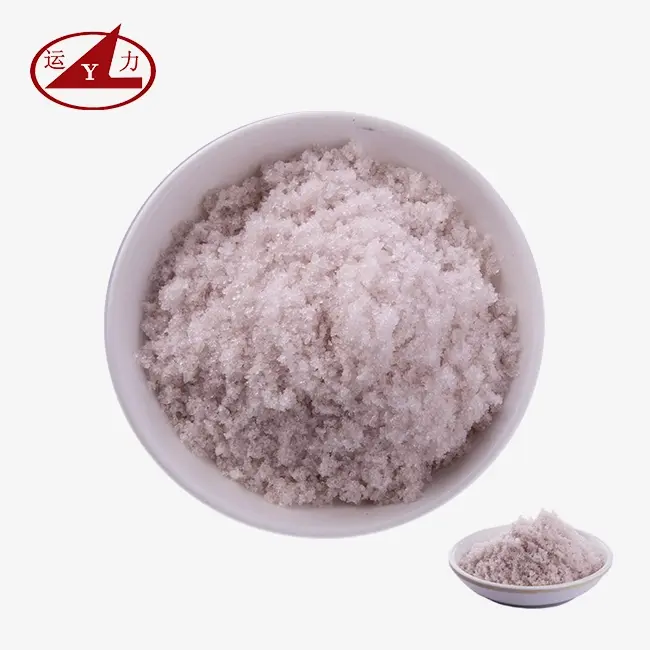
Ferric Nitrate nonahydrate is a unique purple crystal that has a molecular weight of 404.01 g/mol. The combination has a specific density of 1.68 and a freezing point that is not very high, at 47.2°C. It can change from a solid to a liquid at normal temperatures. This trait makes handling easy, but it needs careful temperature control while being stored. When heated above 125°C, the substance breaks down thermally, releasing nitrogen oxides and leaving behind iron oxides. In contrast to sulphate or chloride-based iron salts, heat breakdown creates few corrosive leftovers, which is helpful in high-purity synthesis situations.
Solubility and Reactivity Characteristics
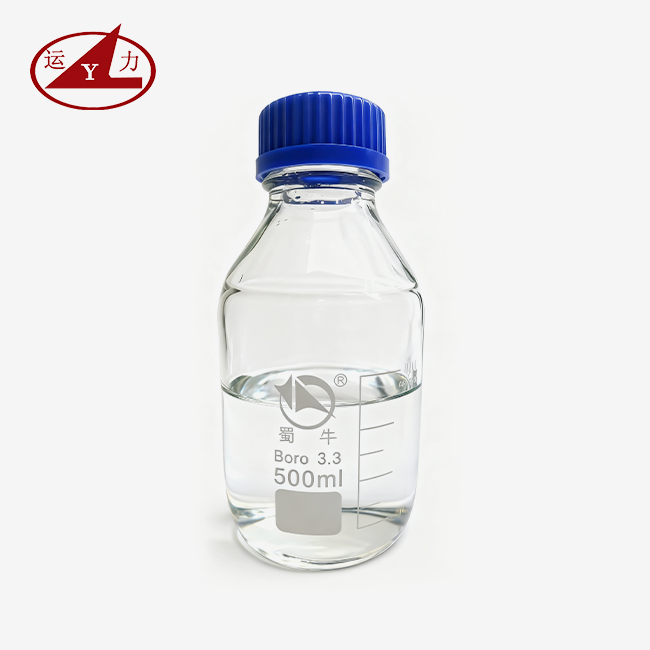
The substance dissolves easily in water, ethanol, and acetone, which gives formulators a lot of options for working with both water and organic systems. This unique solubility profile lets buying teams choose between hard solids for batch processes and liquid solutions that are already dissolved for continuous operations. As a Class 5.1 oxidiser according to UN 1466, it speeds up the burning of organic materials and needs to be kept away from reducing agents, flammable solvents, and packaging that can catch fire while it is being stored. Because the substance is deliquescent, it absorbs moisture from the air and could liquefy in sealed cases. To keep the product's integrity over time, it needs to be stored in cool, dry places with dehumidification systems.
Safety and Handling Protocols
Industrial-grade Ferric Nitrate has an oxidising property that can irritate the skin if it comes into touch with it. Safety data sheets say that when working chemicals, you must wear protection gear like nitrile gloves, chemical-resistant aprons, and splash shields. The exposure limits are the same as what OSHA allows for nitrates and iron compounds. This means that work settings usually need engineered ventilation systems.
Emergency reaction plans stress the importance of rinsing the skin with lots of water and getting medical help right away for events involving breathing in. Environmental laws consider used solutions to be hazardous waste that needs to be neutralised and treated with precipitation before it can be released. This affects procurement managers' calculations of the total cost of ownership when they look at lifecycle costs.
Key Industrial Applications of Ferric Nitrate
The compound is useful because it can be used as both an oxidant and an iron source. This makes it useful in a wide range of fields, from environmental engineering to the production of advanced materials. Technical buyers can better match product specs to business needs when they know about specific use cases.
Catalyst Manufacturing and Nanotechnology
Ferric Nitrate is the main ingredient for iron-supported catalysts that are used in Fischer-Tropsch processes, hydrogenation reactions, and the production of methanol. It's better for chemical engineers than chloride or sulphate versions because when it heats up during calcination, it only leaves active iron species on silica or alumina supports. Halides get into the supports and stop the catalyst beds from working. Getting very low amounts of impurities, especially heavy metal content below 10 ppm, makes the catalyst last longer and works better in downstream synthesis. Yunli Chemical's advanced processing methods produce pharmaceutical-grade material that meets strict requirements for catalyst uses that need at least 99.5% purity.
Sol-gel methods can also be used to make controlled amounts of superparamagnetic iron oxide nanoparticles. Researchers can control the particle size distribution between 5 and 50 nanometres by precisely hydrolysing Ferric Nitrate solutions with a pH that they control. This is important for using these particles as contrast agents in magnetic resonance imaging and in targeted drug delivery systems. These nanoparticles are used as anode materials by battery makers. The shape of the particles affects how stable the charge-discharge cycle is.
Textile Industry Applications
Ferric Nitrate is used as a mordant by textile makers to help dyes stick to natural fibres like cotton, wool, and silk. It also keeps colours from running. The ferric ion forms coordination complexes with dye molecules that hold them in place inside fibre structures and stop colour bleeding when the fabric is washed. Specifications for buying things stress keeping chloride levels below 50 ppm to keep fibres from breaking down and keeping their tensile strength while they are being dyed. Leading textile companies have switched to chloride-controlled grades because ferric chloride options had quality problems that made fabrics less strong.
Beyond mordanting, Ferric Nitrate functions as a catalyst in certain dye synthesis reactions, particularly in producing azo and anthraquinone colourants. The oxidising properties facilitate coupling reactions while maintaining pH stable, which is needed for even colour development. Technical help from companies like Yunli Chemical helps formulators find the best concentration ranges and reaction factors so that colours can be matched consistently from batch to batch.
Water and Wastewater Treatment
Ferric Nitrate is used to get rid of hydrogen sulphide and precipitate phosphate in municipal and industrial wastewater systems. In contrast to ferric chloride, which raises the chloride level in wastewater and speeds up the corrosion of stainless steel pipes, Ferric Nitrate performs the same job of coagulation without adding any undesirable anions. Engineers who work with wastewater choose this option when release permits have strict chloride limits or when equipment has alloys that are sensitive to chloride.
The nitrate component offers secondary benefits in biological treatment stages by providing an oxygen source for denitrifying bacteria, preventing septicity in sewer networks. When treatment plant workers use Ferric Nitrate instead of aluminum-based coagulants, complaints about smells are lower and less polymer is needed for drying sludge. For cost-effectiveness analysis to work, unit prices need to be a little higher, but lower chemical dosing rates and longer equipment repair times must be taken into account.
Electronics and Precision Etching
Ferric Nitrate solutions are used to selectively remove silver, copper alloys, and some valuable metals in the production of semiconductors and printed circuit boards. The controlled oxidation reaction makes the surface structure regular without any forceful pitting that could weaken the dependability of the component. Mineral acids attack substrate materials without discrimination, but Ferric Nitrate allows precise pattern transfer that is needed for photovoltaic cell metallisation and high-density interconnect boards.
Jewellery makers and people who work with artistic metals use similar etching methods to give sterling silver and brass parts complex surface patterns. The chemistry makes it possible to reproduce fine details that match the design specifications while keeping the edge definition that is important for aesthetic quality. In these areas, buyers put a high value on consistent reactivity profiles, which can only be achieved through strict quality control during production.
Comparing Ferric Nitrate with Alternative Compounds in Procurement Decisions
To choose the best iron salts, you need to look at more than just the unit price. For experienced procurement experts, performance traits, costs of environmental compliance, and compatibility with downstream processes often matter more than the original purchase price.
Performance Against Ferric Chloride
The most common option is ferric chloride, which is cheaper but adds chloride ions that speed up corrosion in stainless steel equipment and make cleaning of effluent more difficult. Pharmaceutical companies and food processors, for example, use chloride-sensitive infrastructure and choose Ferric Nitrate even though it costs more in order to avoid maintenance costs and compliance violations. Comparative studies show that the coagulation efficiency is the same at the same iron dose rates. This means that lifetime cost analysis, not buying price, is what matters.
Chloride contamination is a big problem in closed-loop cooling systems and reverse osmosis pretreatment, where the amount of ions that are allowed is limited by conductivity limits. To protect aquatic environments, environmental permits are limiting chloride release more and more. This is making regulators prefer nitrate-based chemistry in sensitive watersheds.
Evaluating Ferrous Sulfate and Aluminum Nitrate
Ferrous sulphate is a cheap way to coagulate, but it needs to be oxidised to its ferric state for it to work at its best. This makes the process more complicated and adds steps for handling chemicals. The sulphate anion helps form sulphate scaling in heat exchangers and boilers, which means it can't be used in all water treatment situations. Aluminium nitrate has about the same ability to oxidise as Ferric Nitrate, but it doesn't work as well in cooler temperatures and needs higher dose rates to get rid of the same amount of haze.
Standardising on Ferric Nitrate is often done by procurement managers who are in charge of more than one plant site. This makes managing inventory easier and lets them take advantage of bulk buying discounts with established suppliers. When properly packaged with moisture barriers, the compound's stability during long-term storage means less waste from expired inventory compared to ferrous salts, which break down quickly due to oxidation.
Selecting Reliable Ferric Nitrate Suppliers and Brands for B2B Procurement
Resilience in the supply chain depends on working with manufacturers who can show they are technically skilled, follow the rules, and be reliable with logistics. Evaluation factors include more than just price. They also include consistent quality and helpful customer service.
Supplier Qualification Criteria
Certified manufacturers keep up with ISO 9001 quality management systems, which make sure that production can be repeated from batch to batch. ISO 14001 environmental certification proves the ability to clean wastewater and limit emissions, which are needed for long-term nitrate production. Occupational health certification (ISO 45001 or OHSAS 18001) shows that safety rules for workers protect them from the dangers of oxidiser contact.
Yunli Chemical is a good example of this all-around certification approach because it has followed these international standards ever since it started doing business in 2005. The company's status as a Shanxi Provincial Enterprise Technology Center shows that it continues to spend in improving its analysis skills and processes. For catalyst-grade uses, on-site labs with ICP-MS and atomic absorption spectrometry allow for real-time quality checks and custom purity requirements as low as 10 ppm impurity levels.
Evaluating Production Capacity and Logistics
Annual sales of more than one billion RMB and fixed assets worth 300 million RMB show that the business is financially stable, which is necessary for steady buying of raw materials and output even when the market is volatile. Large manufacturers are better able to handle problems in the supply chain than smaller businesses that don't have vertical integration. Technical buyers should compare the supplier's production capacity to the amount of goods they want to buy to make sure they can handle growth without affecting delivery times.
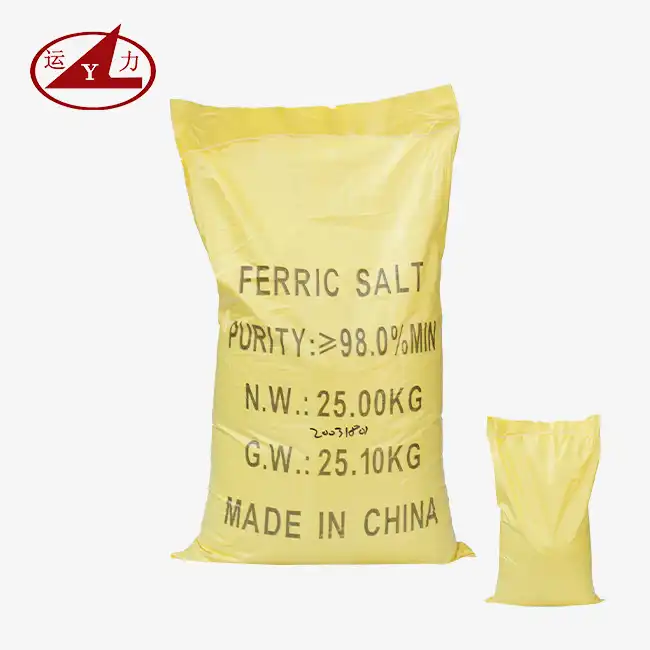
Direct plant buying, you don't have to pay markups to distributors, and you can keep an eye on quality all the way through the supply chain. Self-operated export operations make customs paperwork easier and cut down on the time it takes to ship goods across borders. With a variety of packaging choices, from 25 kg PE bags to 500 kg drums and ISO tank containers, you can get the best freight rates and storage efficiency based on how much you use and where you store it.
Technical Support and Customization Services
Application engineering support from suppliers helps customers get the most out of chemicals in certain process conditions. The expert team at Yunli Chemical helps with procedure for making solutions, dosing calculations, and testing to see if new materials will work with old equipment. Custom recipe lets you meet specific needs, like changing the size of the crystals, the amount of liquid that is already dissolved, and adding special anti-caking ingredients that make the product last longer in wet places.
There are no minimum order quantities, and samples are free up to 500 grams for qualification testing. This lowers the procurement risk when looking at new suppliers or alternative sources. Long-term contracts with different price levels based on volume align suppliers' incentives with the growth of their customers while keeping the budget stable across fiscal periods.
Environmental and Safety Best Practices for Using Ferric Nitrate
Chemical management that is responsible strikes a balance between protecting workers and taking care of the earth. Compliance frameworks are always changing, which means that proactive strategies for reducing risk are needed.
Workplace Safety Standards
OSHA rules say that Ferric Nitrate is a strong oxidiser that needs to be stored separately from things that can catch fire and things that reduce oxygen levels. The design of the building includes separate storage rooms that are built to resist fire, backup control for spills, and emergency eyewash stations that are only a 10-second walk away. When handling things that make dust or mist, you have to wear respiratory protection. For normal tasks, half-face respirators with P100 filters are enough to protect you.
Monitoring the atmosphere on a regular basis shows that the ventilation system is working well to keep particle amounts below the limits for safe exposure. Training programs for employees stress the dangers of mismatch, how to handle emergencies, and the right way to get rid of polluted materials. Safety data sheets must be displayed at the point of use, hazard communication labels must be placed on secondary containers, and exposure records must be kept for regulatory audits.
Environmental Compliance Strategies
Prior to being sent to municipal treatment systems, used Ferric Nitrate solutions need to have their pH levels lowered and then solidify as iron hydroxide sludge. Facilities that can't clean their own hazardous waste hire hazardous waste haulers to do it for them. This adds to the costs of dumping, which can be anywhere from $0.50 to $1.50 per gallon based on local rules. Larger businesses can make Ferric Nitrate again by carefully oxidising precipitated iron in closed-loop recycling systems. This cuts down on both the need to buy raw materials and the amount of trash that is made.
Groundwater protection rules require storage areas that can't be flooded and have systems for finding leaks and keeping track of inventory to stop environmental releases. Wherever oxidisers are kept or handled, spill reaction kits must be easy to get to and contain neutralising agents, absorbent materials, and cleanup tools that don't spark. Every three months, preventive maintenance programs check storage bins, transfer tools and ventilation systems to find damage before they break.
Conclusion
In the production of catalysts, textile processing, water treatment, and precise etching applications, Ferric Nitrate Nonahydrate exhibits exceptional versatility. It is the best choice for businesses that need cleanliness and equipment compatibility because it breaks down cleanly, doesn't contain chlorides, and dissolves easily. To be successful in procurement, you need to work with certified manufacturers who offer consistent quality, full documentation, and quick technical support. Organisations can achieve operating success by knowing how they compare to other iron salts in terms of performance, following strict safety rules, and staying in line with environmental regulations. Strategic relationships with suppliers based on openness and long-term commitment lower risks in the supply chain and improve the total cost of ownership.
FAQ
Q1: What safety precautions are essential when handling ferric nitrate in industrial settings?
A: To protect their eyes and skin, workers must wear nitrile gloves, chemical-resistant coats, and splash shields. Due to the oxidiser classification, storage places need to be kept separate from organic materials, flammables, and reducing agents. Facilities should have emergency eyewash stations, secondary containment for spill containment, and P100 respirators on hand for when dust is made during material transfer operations.
Q2: How does ferric nitrate compare to ferric chloride for water treatment applications?
A: Both compounds work about the same when it comes to clotting and iron dosing rates, but Ferric Nitrate doesn't add chloride ions, which eat away at stainless steel infrastructure and make it harder to follow discharge permit rules. Despite its higher unit cost, Ferric Nitrate is preferred by treatment plants with chloride-sensitive equipment or strict discharge limits. Lifecycle analysis often chooses Ferric Nitrate because it lowers the cost of upkeep and lowers the chance of regulatory problems.
Q3: Can ferric nitrate be applied directly to agricultural soils as a nutrient source?
A: If you put the compound directly on the soil, you need to be careful with the pH because the acidity can hurt plant roots and mess up the microbiology of the soil. To get controlled-release profiles, agricultural formulations usually mix Ferric Nitrate with buffering agents and other nutrients that work well with it. Talking to agronomists makes sure that the right amounts are applied to meet the needs of the crop and that phytotoxicity and nutrient imbalances are avoided.
Partner with Yunli Chemical for Premium Ferric Nitrate Supply
Yunli Chemical is a reliable company that has been making Ferric Nitrate for 20 years and has worked with industrial customers around the world in areas like making catalysts, processing textiles, and making speciality chemicals. Our ISO 9001, ISO 14001, and OHSAS certifications make sure that the quality of our products always meets strict purity standards. This includes normal 98% grades and ultra-pure 99.9% materials with less than 10 parts per million of heavy metals. By buying directly from the plant, we can avoid the markups that come from middlemen, and our self-run export operations make sure that we meet all compliance requirements by providing full MSDS, COA, and environmental certificates paperwork.
Technical support teams help with optimising applications, making custom formulations, and setting up sample testing programs that give away free materials of up to 500 grams for approval trials. Whether you need crystalline solids, solutions that are already dissolved, or custom packaging, our production capabilities are flexible enough to meet your needs, and there are no minimum order sizes. You can email our procurement specialists at wangjuan202301@outlook.com to talk about your Ferric Nitrate needs and find out how our stable supply chain, competitive pricing, and quick service can help your business.

References
1. Smith, J.R. and Williams, K.T. (2021). "Industrial Applications of Iron Nitrate Compounds in Catalysis and Surface Treatment." Journal of Applied Chemistry, 45(3), pp. 287-304.
2. Chen, L. and Martinez, A. (2020). "Comparative Analysis of Iron-Based Coagulants in Municipal Wastewater Treatment." Water Resources Management, 34(8), pp. 2145-2163.
3. Thompson, R.D. (2022). "Oxidizing Agents in Semiconductor Manufacturing: Performance and Safety Considerations." Microelectronics and Materials Processing, 18(2), pp. 112-128.
4. Anderson, M.P. and Liu, Y. (2019). "Mordant Chemistry in Natural Fiber Dyeing: Traditional Methods and Modern Applications." Textile Research Journal, 89(15), pp. 3201-3218.
5. United States Occupational Safety and Health Administration (2023). "Guidelines for Storage and Handling of Oxidizing Materials in Industrial Facilities." OSHA Technical Manual, Section IV, Chapter 3.
6. European Chemicals Agency (2021). "Substance Information for Ferric Nitrate Nonahydrate: Environmental and Safety Assessment." ECHA Registered Substances Database, Helsinki, Finland.