


How to dispose of small quantities of cobalt nitrate solution responsibly?
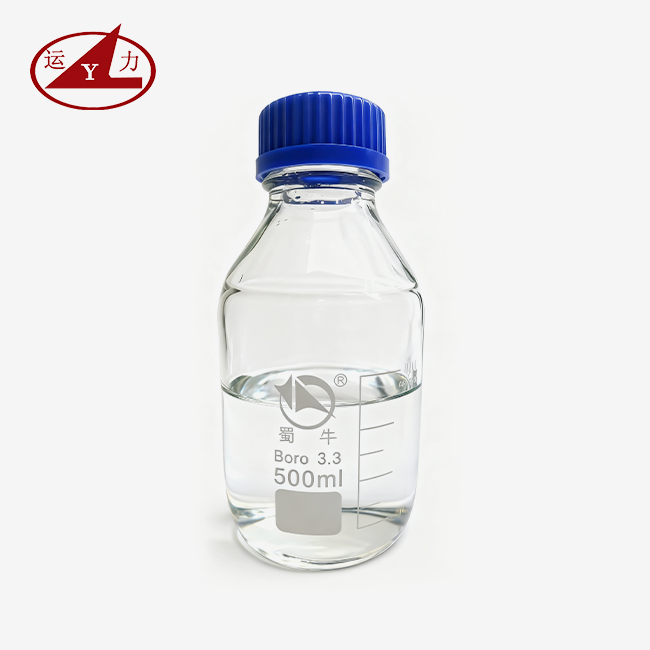
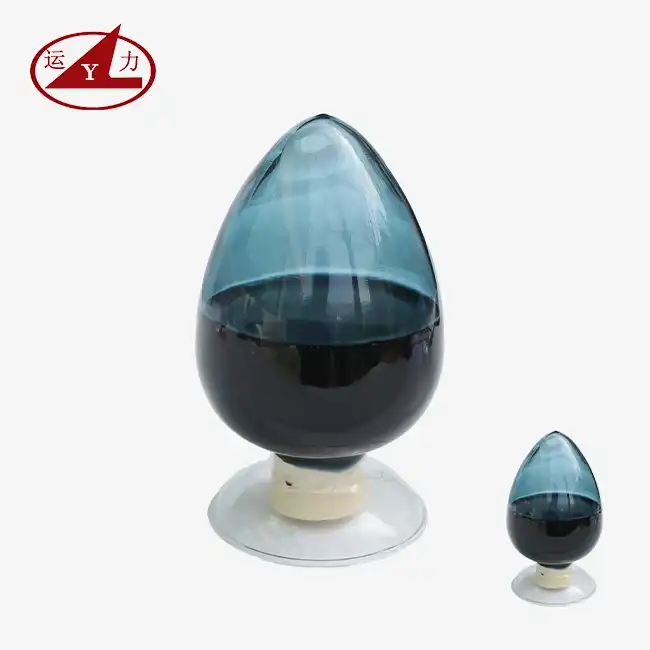
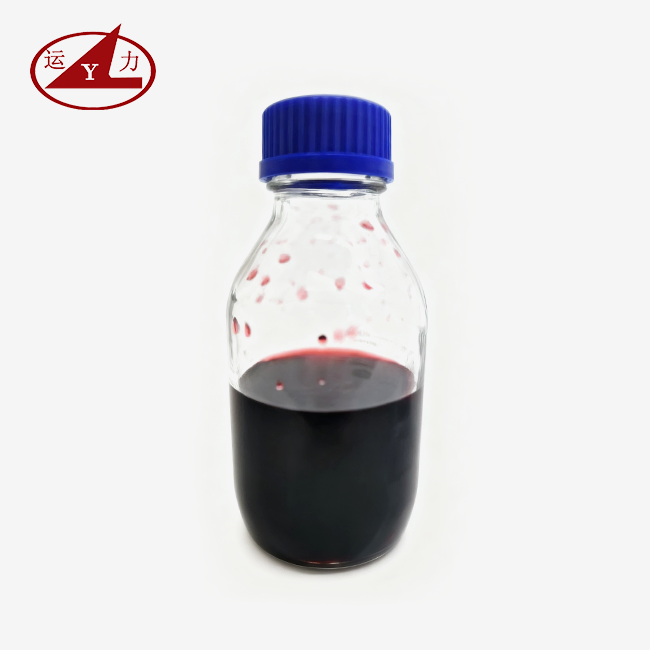
Disposing of small quantities of cobalt nitrate solution requires neutralization, secure containment, and coordination with certified hazardous waste contractors. This Cobalt Nitrate Solution, characterized by its molecular formula Co(NO₃)₂·6H₂O and CAS number 10026-22-9, contains oxidizing nitrate ions and toxic cobalt, making improper disposal potentially catastrophic for human health and ecosystems. Procurement managers and technical engineers in electroplating, battery manufacturing, and pharmaceutical sectors must prioritize compliant disposal to avoid regulatory penalties while maintaining operational integrity.
Introduction
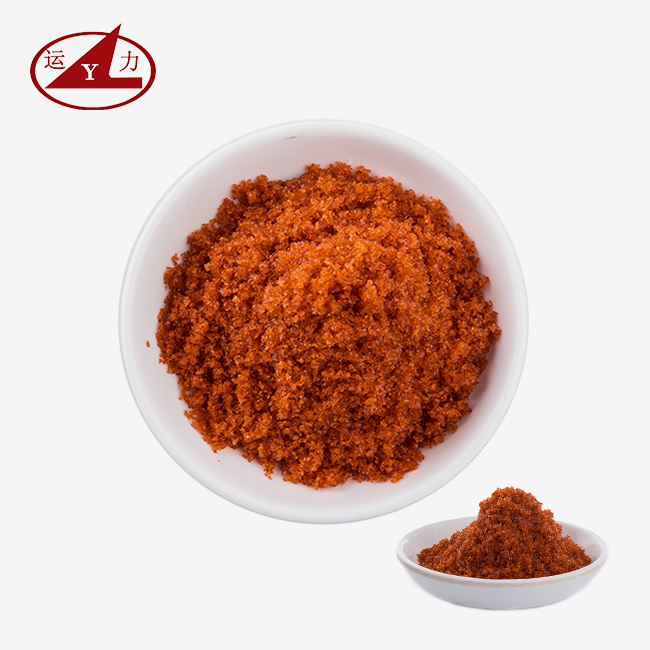
Cobalt nitrate hexahydrate is a solid red-brown substance that dissolves easily in water, alcohol, and acetone. It is used in electronics, the making of pigments, and lab tests. Because it dissolves easily and oxidizes easily, it is an important part of making catalysts, painting ceramics, and doing analytical chemistry. Even though the chemical is useful, it comes with a lot of risks. It can be very poisonous if you eat, breathe, or touch it on your skin, and it can pollute land and waterways with heavy metals that stay there for a long time.
There is more and more pressure on global B2B procurement professionals, such as purchasing managers who are in charge of supply chains, technical experts who check quality parameters, and chemical distributors who are in charge of handling multi-batch stockpiles, to set up responsible disposal processes. Regulatory agencies like the EPA in the US and the REACH officials in the EU have strict rules about how to handle hazardous trash. If companies don't follow them, they can be fined a lot of money and have to shut down. This guide covers the whole process of disposal, from the initial risk assessment to hiring a certified trash contractor. It gives people in the industry sector methods they can use to keep workers safe, protect the environment, and keep their company sustainability promises.
Understanding the Risks and Regulatory Requirements of Cobalt Nitrate Solution Disposal
Chemical Properties Critical to Safe Disposal
Cobalt nitrate hexahydrate has unique physical and chemical properties that determine how it should be thrown away. The compound's molecular weight is 291.03 and its freezing point is 55–56℃. Its specific density of 1.88 g/cm³ affects how it is stored and moved. Because it is hygroscopic, it quickly absorbs water, which can cause crystallization problems that make handling harder. The compound's oxidizing qualities are the most dangerous part; coming into contact with organic materials or reducing agents can cause exothermic reactions that can lead to fires or blasts. Because of these traits, special storage systems that are resistant to rust and rusting are needed.
Health and Environmental Hazards
Due to the Cobalt Nitrate Solution's high acidity, great care must be taken. Cobalt atoms stop cells from breathing and cause allergic rashes, asthma, and heart problems when they are exposed for a long time. Acutely breathing in mists can make your lungs hurt, and eating them can cause stomach bleeding and damage to your whole body. The environmental risks are just as bad. Cobalt stays in the earth for decades, builds up in aquatic organisms, and messes up their reproduction processes. Nitrate anions help with eutrophication, which lowers the amount of oxygen in water and ends up destroying ecosystems.
Regulatory Framework Governing Disposal
The United States' EPA Resource Conservation and Recovery Act (RCRA) rules say that Cobalt Nitrate Solution is dangerous trash (D018 for toxic heavy metals). Facilities that make even small amounts of trash must get EPA identification numbers and keep thorough manifests that show where the waste goes from being made to being thrown away. OSHA requires that all workers have access to thorough safety data sheets (MSDS), which list the personal protective equipment (PPE) that they must wear, such as nitrile gloves, splash-proof goggles, and acid-resistant aprons.
According to REACH rules in the European Union, cobalt compounds that are more than one ton per year must be registered. These compounds are classified as Acute Toxicity Category 4 and Environmental Hazard Category 1. Transport comes under UN 3077 (Environmentally Hazardous Substance, Solid) or UN 3264 (Corrosive Liquid, Acidic, Inorganic), which means that it needs to have ADR-compliant labels and paperwork. When purchasing from ISO 9001-certified companies like Yunli Chemical, the compliance paperwork has already been checked, which makes disposal checks easier for procurement teams.
Step-by-Step Guide: How to Dispose of Small Quantities of Cobalt Nitrate Solution Responsibly?
Defining Small Quantities and Hazard Classification
"Small quantities" usually mean lab-scale amounts less than five liters or industrial waste less than fifty kilograms per dumping cycle. Even these small amounts are dangerous because they contain cobalt (more than 5 mg/L in leachate tests) and nitrate, which can react with oxygen. Correctly classifying trash avoids legal problems; EPA enforcement measures, such as six-figure fines, can happen if waste is wrongly labeled as not hazardous.
Preparation and Neutralization Techniques
Before being thrown away, neutralization lowers the volatility of chemicals. While keeping an eye on the pH, gradually add diluted sodium hydroxide (NaOH) or calcium hydroxide (Ca(OH)2 to the Cobalt Nitrate Solution. This turns cobalt into hydroxide (Co(OH)₂), a form that is less likely to leach because it is less mobile. The slurry that is left over must be filtered, and the solid waste must be stored in UN-approved drums. The filtrate must then be checked for cobalt before it is released or used for more cleaning.
Neutralization makes heat, so do processes in fume hoods with ventilation and splash shields. To meet legal record-keeping standards, write down every step, including the amounts of reagents used, the pH readings, and the weights of the waste. If a facility doesn't have the right equipment, it should skip on-site neutralization and go straight to approved contractor collection.
Approved Disposal Methods
The best way to get rid of hazardous trash is to hire certified workers who are licensed by RCRA. High-temperature burning (above 1,200℃) is used in these sites to fully break down nitrates. Cobalt oxides are collected in the ash so they can be recycled. Chemical stabilization, on the other hand, wraps cobalt in cement structures, stopping it from leaching, which makes it safe to put in a waste.
Large factories with approved wastewater systems that can separate heavy metals and clean up nitrate-rich waste water can still treat it on-site. To keep emission limits (often below 1 mg/L cobalt), these kinds of devices need to be watched all the time. Smaller businesses should focus on contractor relationships, which avoid having to pay for expensive treatment facilities up front and make sure they follow the rules.
Common Disposal Errors to Avoid
Misclassification mistakes happen when people think that diluted solutions keep trash from being labeled as hazardous. However, concentration limits only apply to leachate, not the original solution strength. If you store things incorrectly, like using acid-resistant plastic cases, you run the risk of leaks and contamination. When you mix Cobalt Nitrate Solution with wastes that don't react with it, like organic solvents and sulfides, you get reactive dangers that break the rules for shipping and put workers at disposal sites in danger.
Comparing Cobalt Nitrate Solution Disposal to Other Common Cobalt Salts
Stability and Reactivity Differences
Cobalt sulfate (CoSO₄·7H₂O) and cobalt chloride (CoCl₂·6H₂O) are two different forms of cobalt that have different ways of being disposed of. Cobalt sulfate has a lower oxidation potential than Cobalt Nitrate Solution. This makes it safer to store and move without worrying about explosions. The higher solubility of cobalt chloride speeds up neutralization processes, but it also raises worries about chloride discharge in wastewater treatment systems. Even though they are harder to get rid of, nitrate solutions are still the best choice for electroplating tasks that need highly pure cobalt sources.
Cost Implications for Waste Management
Because it is a cleaner, nitrate-based waste usually has higher dumping fees than sulfate or chloride-based waste. The fees are usually 20–30% higher. When figuring out what to buy, procurement teams should look at the total cost of ownership and include disposal costs in their original choices. Yunli Chemical's direct liquid supply model, which provides ready-to-use Cobalt Nitrate Solution with ≤30 ppm iron and adjustable pH, gets rid of the waste that comes from dissolving solid salts. This cuts the total amount of waste that needs to be thrown away by 15-20% and the cost of work needed to make the solution.
Selecting Optimal Formulations for Reduced Waste
Battery makers who use cobalt in NCM cathode production can benefit from high-purity nitrate solutions that keep non-cobalt elements from needing to be thrown away. Ceramic makers may choose sulfate-based colors instead of oxidizing ones when they are not needed, which makes trash streams simpler. Partnering with technically strong sellers who can deliver unique concentrations stops over-ordering and having too much overstock that needs to be thrown away.
Best Practices for Procurement and Storage to Minimize Disposal Challenges
Procurement Strategies Aligned with Application Needs
Ordering exact amounts that match production plans stops old goods from building up. Yunli Chemical doesn't have a minimum order number policy, and they offer free samples (up to 500 grams) so that purchasing managers can make sure the product is right for them before they buy a lot of it. By stating the quantity needed—for example, 40% or 50% cobalt content—the solution can be easily added to current processes without having to be diluted, which creates waste streams.
Storage Best Practices for Chemical Stability
Cobalt Nitrate Solution must be kept in containers made of 316L stainless steel or high-density polyethylene (HDPE) that won't rust. Controlling the temperature is very important. Storing below 25℃ stops concentration rises from evaporation, which can change stoichiometry in precise uses. Leaks are caught by secondary control systems, which keeps chemicals from getting into the environment and makes cleanup easier. Regular inventory checks show when items are about to go bad, so you can plan ahead to use them up or get rid of them in a fast manner.
Leveraging Supplier Compliance Documentation
Reputable makers provide detailed paperwork that makes the process of disposal easier. Certificates of Analysis (COA) that show impurity profiles help trash companies come up with treatment plans. Handlers will understand dangers if MSDS sheets follow OSHA's Hazard Communication Standards. The ISO 14001 certification makes sure that suppliers use environmental management systems that cut down on waste at its source. For example, Yunli Chemical's wastewater recycling infrastructure turns nitrate byproducts into sodium nitrate that can be used again. This is an example of the circular economy principles that procurement professionals are becoming more interested in.
Case Studies: Responsible Disposal Practices in Industry and Laboratories
Laboratory-Scale Neutralization Protocol
A university analytical chemistry lab made a neutralization process for the two liters of weak Cobalt Nitrate Solution that they made every month from potassium determination methods. Trained staff used sodium carbonate to bring the pH level to 7.0, sorted cobalt carbonate precipitate into clearly marked hazardous waste bins, and set up pickups by a licensed contractor every three months. Comprehensive training records and dumping documents passed state environmental agency checks, showing compliance even though the amount of waste was small.
Industrial Supplier Coordination Program
A company that does etching and needs 500 kg of Cobalt Nitrate Solution a year worked out a closed-loop program with Yunli Chemical. Solution that is almost out of date should be sent back to the maker to be turned into new product, and the cash should be used for future purchases. This deal got rid of the costs of disposal, cut buying things by 12%, and improved the sustainable measures that companies report in their ESG disclosures. The facility's relationship with a provincial-level business technology center made sure that technical help was always available, which improved the speed of solution use.
Sustainability Impact on Corporate Reputation
Companies that take responsibility for their chemicals attract investors and customers who care about the environment. In the competitive bidding for car OEM contracts, a battery precursor maker that published clear disposal data and third-party audit results stood out. Compliance success cut down on insurance costs and kept operations running smoothly during regulatory enforcement actions, providing measurable financial benefits along with environmental benefits.
Conclusion
Properly getting rid of Cobalt Nitrate Solution protects the health of workers, the environment, and the company's reputation with regulators. Technical engineers and procurement managers need to think about disposal when choosing suppliers, keeping track of supplies, and following operating procedures. Neutralization methods, relationships with qualified waste contractors, and smart buying from compliant companies like Yunli Chemical all work together to lower costs and risks. Best-in-class chemical management practices improve operational stability and a company's image in global markets that are very competitive. These practices are defined by their dedication to sustainability, technical knowledge, and following the rules.
FAQ
What are the safest neutralization methods for small cobalt nitrate quantities?
The best way to neutralize is to add diluted sodium hydroxide or calcium hydroxide slowly while keeping an eye on the pH. The reaction should happen in ventilated fume rooms with the right safety gear, like gloves and face shields that can handle chemicals. Keeping the pH between 6.5 and 7.5 will make sure that all the cobalt precipitates without making too much heat. Keep track of all the amounts of reagents used and the final pH levels for legal reasons.
Can unused cobalt nitrate solution be returned to suppliers?
Some companies have return programs for products that haven't been opened or are past their expiration dates, and others set up closed-loop recycling systems. Talk to sellers like Yunli Chemical at wangjuan202301@outlook.com about whether the item can be returned and how to do it. These kinds of programs lower the cost of removal while also helping efforts to create a circular economy. Material that is damaged or contaminated usually can't be sent back because of rules about quality control and shipping.
What penalties apply for improper cobalt nitrate disposal?
EPA violations under RCRA can lead to fines of up to $76,764 per violation per day, and knowing harm can lead to criminal charges. Fines from European Union member states range from €10,000 to €500,000, based on how bad the crime is. Noncompliance also leads to operations being stopped, cleanup costs being 10–50 times higher than the original costs of disposal, and damage to the company's image that hurts its ability to get loans and keep customers.

Partner with Yunli Chemical for Compliant Cobalt Nitrate Solution Supply
Yunli Chemical has been making chemicals for 18 years and has a lot of infrastructure in place to make sure they are environmentally friendly. They make high-purity Cobalt Nitrate Solution that makes buying and getting rid of them easier. Our production is ISO 9001-certified, so you can be sure that each batch will have the same amount of iron (30 ppm) and heavy metals (10 ppm). This meets the highest quality standards for catalyst synthesis and battery uses. When solid salts are dissolved directly in liquid, there is no waste.
This lowers the amount of trash that needs to be thrown away and cuts running costs by 20%. As a well-known company that supplies Cobalt Nitrate Solutions and has REACH, TSCA, and JIS certifications, we offer full paperwork packages that make regulatory checks go more quickly. You can email us at wangjuan202301@outlook.com to get free samples (up to 500 grams), talk about unique concentrations, or look into long-term purchasing partnerships that fit with your goals for business excellence and protecting the environment.
References
1. U.S. Environmental Protection Agency. (2022). Hazardous Waste Management Guidelines for Cobalt Compounds. Office of Resource Conservation and Recovery, EPA Publication 530-R-22-004.
2. European Chemicals Agency. (2021). REACH Compliance and CLP Classification for Cobalt Nitrate Hexahydrate. Helsinki: ECHA Publications Series on Risk Management.
3. Occupational Safety and Health Administration. (2020). Safety Data Sheet Requirements for Transition Metal Nitrates. OSHA Technical Manual, Section IV, Chapter 3.
4. National Institute for Occupational Safety and Health. (2019). Toxicological Profile for Cobalt and Cobalt Compounds. NIOSH Publication No. 2019-142, Centers for Disease Control and Prevention.
5. International Agency for Research on Cancer. (2021). Cobalt and Cobalt Compounds: Carcinogenicity and Exposure Assessment. IARC Monographs on the Evaluation of Carcinogenic Risks to Humans, Volume 123.
6. American Chemical Society. (2023). Best Practices for Laboratory Chemical Waste Management. ACS Committee on Chemical Safety Guidelines, Division of Chemical Health and Safety.