





What is cobalt nitrate used for?
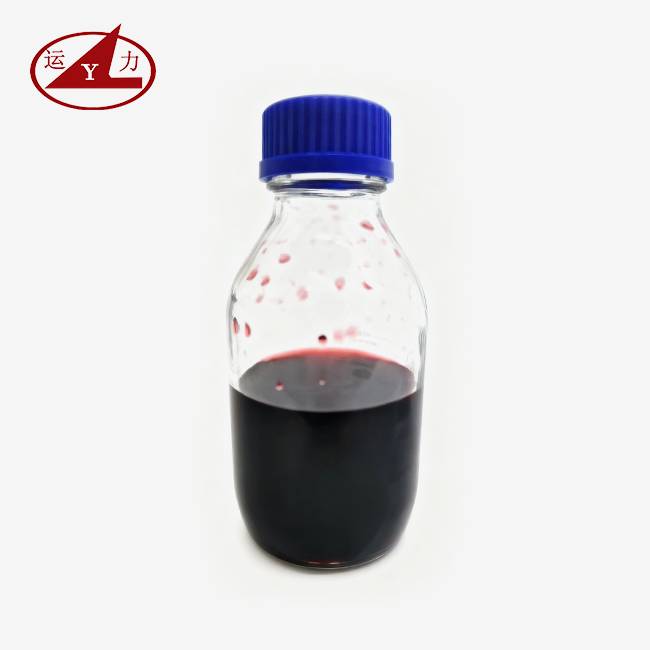
An important industrial chemical used in the production of batteries, ceramic glaze, surface treatment, and catalysts is Cobalt Nitrate, particularly in its hexahydrate form (Co(NO₃)₂·6H₂O, CAS# 10026-22-9). There are 291.03 molecules in this group, and they have a unique reddish-brown solid look. It can be used as a cobalt precursor that dissolves easily and gives clean breakdown patterns that are needed for very pure processes. It is very useful because it can easily dissolve in water and oxidize. This makes it necessary for businesses that need to provide exact cobalt ions without sulfur or chloride poisoning.
Understanding Cobalt Nitrate – Properties and Chemical Fundamentals
Physical and Chemical Characteristics
There are reddish-brown crystals of Cobalt Nitrate hexahydrate that are all one shape. The exact density of them is 1.88 g/cm³. It is very hygroscopic, which means it takes in water from the air around it very quickly. Keep this in mind when you handle and store it. Since it only melts at 55–56°C, the substance can dissolve in its own clear water when it gets warm. This can make it stick together when moving it in the summer or when it's wet inside.
Besides that, it dissolves easily in water (about 134 g/100 mL at 0°C), ethanol, and acetone. This makes it great for making precursor solutions where it's important that the metal ions are spread out evenly. Strong oxidizer, it can start a fire when it comes in touch with living things or things that reduce oxygen. Because of this, it needs to be kept away from things that can catch fire.
Molecular Structure and Stability
The crystal structure of the hexahydrate form has six water molecules in it, which changes how it responds to heat. It breaks down thermally at temperatures above 74°C, releasing nitrogen oxides and changing into cobalt oxide (Co₃O₄). Instead of leaving behind unpleasant impurities like sulfate or chloride, this predictable way of breaking down gets rid of any extra anions. This is a big plus in calcination processes.
Safety and Regulatory Compliance
Item 1477 of the UN list manufactured nitrates as a Class 5.1 oxidant. This is what Cobalt Nitrate is. If you eat it, take it in, or touch it on your skin, it will really hurt you. You should wear rubber gloves, safety shields, and breathing masks when you handle it. Transportation rules say that things must be properly labeled and kept away from things that can catch fire when they are shipped abroad. Compliance documents, such as MSDS, COA, and environmental protection certificates, are still very important for purchasing managers who have to deal with rules and regulations.

Core Industrial and Laboratory Uses of Cobalt Nitrate
Catalyst Manufacturing in Petrochemical Refining
Cobalt Nitrate hexahydrate is the best thing to use as a starting point for cobalt-molybdenum (Co-Mo) hydrodesulfurization catalysts, which are used to make oil cleaner. The liquid with water gets deep into the alumina support structures and spreads the active sites out evenly. This method of impregnation is better than those that use cobalt chloride because it gets rid of the chloride ions that hurt stainless steel reactors when they are under a lot of stress. More stringent sulfur rules mean that refineries that process crude oil with a lot of sulfur need these catalysts to meet the new rules.
Battery Grade Applications
In the lithium-ion battery business, Cobalt Nitrate is used to make NCM (Nickel-Cobalt-Manganese) and NCA (Nickel-Cobalt-Aluminum) cathode intermediates by working with other chemicals. At the atomic level, the nitrate form mixes with the nickel and manganese liquids to make round particles that can be shaped in a controlled way. The nitrate form of cobalt doesn't pollute the air like cobalt sulfate does. It breaks down cleanly during calcination, which makes electric car batteries more energy dense and safe at high temperatures. The fact that it doesn't contain sulfur is good for battery makers because it makes dealing easier in the future.
Ceramic and Glass Pigmentation
To make glazes and glasses, Cobalt Nitrate is used. This is where the color "cobalt blue" comes from. Industrial-grade cobalt oxide changes color when iron particles are present, but this material doesn't have many impurities, so the color doesn't change. The nitrate turns into cobalt oxide when burned to high temperatures. This makes colors that are solid, bright, and don't fade. Cobalt Nitrate is used by ceramic and art glass makers to make high-end items where colors need to match perfectly and stay the same from one production run to the next.
Electroplating and Surface Treatment
People who need to finish metals use Cobalt Nitrate to cover them with cobalt or a cobalt-nickel combination. Steel that has these layers on it is stronger, less likely to rust, and sticks to other things better. It is easier to throw things with nitrate baths than with sulfate baths, so even forms that aren't straight get the same amount of coating. People who work with the aircraft and auto businesses like this use for parts that need to last longer in tough conditions.
Procurement Insights – How to Source Quality Cobalt Nitrate?
Evaluating Supplier Credentials and Product Quality
It is important to make sure that a manufacturer meets OHSAS safety standards, ISO 9001 quality management standards, and ISO 14001 environmental management standards before you buy from them. Companies that have been named provincial business technology centers have been around for a while and have shown that they consistently put money into research and development. When you buy something, you should ask for Certificates of Analysis that show the required trace metal levels and purity levels (generally ≥98% for industrial grade and ≥99.5% for electronic grade).
Some important quality factors are the amount of iron (less than 30 ppm is best), the amount of matter that doesn't dissolve in water (less than 0.01%), and the lack of sulfate pollution. ICP-OES or ICP-MS tests show that metal elements like lead, copper, nickel, or copper are not present. These particles can hurt processes that use catalysts. Supply chain managers can get manufacturers to sign tonnage agreements by giving them free 500-gram samples of Cobalt Nitrate to try before they decide.
Anhydrous Versus Hexahydrate Selection
You can choose between anhydrous Co(NO₃)₂ and hexahydrate Co(NO₃)₂·6H₂O. The cost and how well the two work together in a process are different. The amount of cobalt in hexahydrate is 20.2% compared to 45.5% in anhydrous, and it costs less per kilogram. Hexahydrate forms are better for regional distribution because they cost less to ship, while dry forms are better for uses that don't need water. Drug intermediate synthesis and some catalyst preparations need dry material to keep the right stoichiometry.
Logistics and Storage Considerations
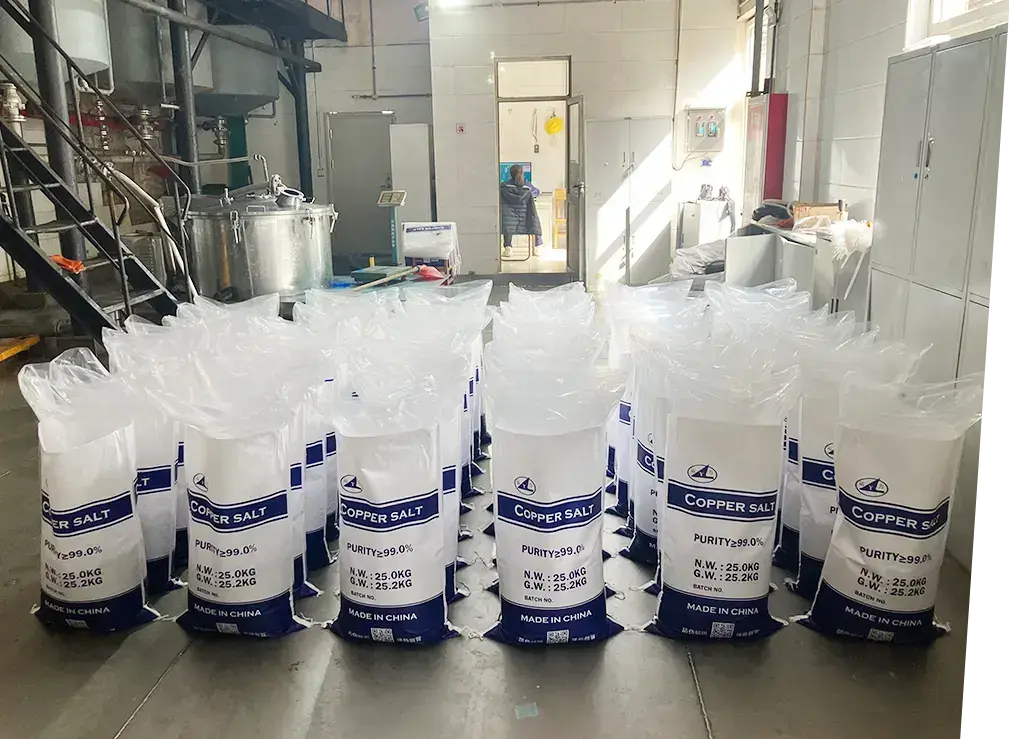
To store things properly, they need to be kept in places that keep the temperature below 30°C and the relative humidity below 50%. Since it soaks up water, it needs to be kept in HDPE drums that are sealed or wrapping that blocks moisture to keep it from caking. If you are traveling in the north during the winter, you need to keep liquid solutions in warming cases so they don't freeze above 0–5°C. To move things from another country legally, you need to have the right paperwork for danger rating and follow IMDG codes for sea freight or IATA rules for air freight.
Comparing Cobalt Nitrate with Alternative Cobalt Compounds
Cobalt Chloride Comparison
Cobalt chloride (CoCl₂) is less expensive, but it gives off chloride ions that can damage tools used to make stainless steel. It is possible for salt to damage active spots on catalyst supports during high-temperature activation. This doesn't happen with Cobalt Nitrate chemistry because it breaks down easily at high temperatures. There are times when chloride salts are needed, like in humidity monitors and some electroplating mixes, where the chloride makes the complexing process work better.
Cobalt Sulfate Analysis
A lot of people use cobalt sulfate (CoSO₄) as a battery precursor because it is cheap and easy to get. But hydroxide formation takes longer and uses more water because it has to wash away a lot of sulfate. When you use Cobalt Nitrate, you don't have to worry about sulfur pollution. This is helpful for high-nickel cathode chemicals because small amounts of sulfur can make cycles less stable. More and more, catalyst makers are going to nitrate sources to make it easier to get sulfur out of finished goods.
Cobalt Oxide Considerations
There are a lot of ways to use cobalt oxide (Co₃O₄) as an intermediate, but it doesn't dissolve in water, which would make liquid-phase synthesis possible. Acids must be used to break down oxides into forms that can be dissolved. This makes the process longer. Direct use of Cobalt Nitrate solution cuts down on costs and saves the environment by skipping these changes. In spray pyrolysis or sol-gel synthesis, the process is easier and the end result is more uniform, but the raw materials cost more.
Ensuring Safe and Effective Use of Cobalt Nitrate in Operations
Workplace Safety Protocols
To start putting in place strong safety measures, make sure there are enough air systems to keep people from taking in Cobalt Nitrate salt dust. This dust can make your lungs more sensitive and even cause asthma in the workplace. The people who work with the stuff should be taught how to keep the oxidizer away from organics and things that can catch fire. For proper cleanup after a spill, sodium carbonate solution should be used to reduce the acid and covered containers should be used to hold the waste. Either emergency eyewash stations or safety showers must be close enough to work areas to be reached in 10 seconds or less.
Environmental Compliance and Waste Management
Work with Cobalt Nitrate makes waste water that contains heavy metals that need to be removed through precipitation before it can be released. Recycling methods that use closed loops to remove cobalt from clean water are better for the environment and save money on base materials. To cut down on NOx pollution from heat breakdown during catalyst activation, scrubber systems must follow EPA rules. When companies work with manufacturers that use advanced waste treatment and exhaust gas capture, it shows that they care about running green businesses while lowering the risks that come with rules.
Optimal Storage Practices
To keep the product's freshness, care must be taken with how it is packed and how the air is managed. By putting desiccant packets in containers that can't be opened, you stop them from absorbing water, which can cause caking and weight gain. Tracking the temperature stops heat decay, which is very important when storing things in the summer. Being careful with your goods and following the FIFO (first-in, first-out) rules will keep things fresh. The standards are met during the shelf life, which usually lasts between 12 and 24 months. Every three months, inspections are done to make sure that the crystals are still in good shape and the case is still intact.
Conclusion
This is a very important chemical building block called Cobalt Nitrate hexahydrate. It is needed for many important industrial processes, like making better batteries and processing oil. Because it doesn't contain sulfur and breaks down quickly, it can meet scientific goals that other cobalt salts can't. To be successful in procurement, you need to work with qualified makers who can give you regular quality, all the paperwork you need to show that they're following the rules, and quick expert help. The material will continue to be in high demand as companies try to meet stricter cleanliness standards and be more eco-friendly. It can be used in clay, as a catalyst, and to treat surfaces.

FAQ
What distinguishes hexahydrate from anhydrous cobalt nitrate in practical applications?
If you divide Cobalt Nitrate by six, you get hexahydrate. This form costs less per kilogram, but it has 20.2% less cobalt than anhydrous (45.5%). Some uses, like adding water, choose hexahydrate because it is cheaper, but for uses that need to avoid water, like making meds or accurate catalysts, they need dry material. It is hygroscopic, which means that it needs better air control when it is being kept.
How does one prevent turbidity when dissolving cobalt nitrate for catalyst preparation?
Water that is hard has calcium or magnesium ions that settle down as carbonates. This makes the water cloudy. This is how professional labs keep the pH level (3.5 to 4.5): they use deionized water and add trace nitric acid. When this method is used, hydrolysis stops and impregnation liquids stay clear, which is important for the catalyst to work properly.
What makes cobalt nitrate preferable to cobalt sulfate in battery manufacturing?
People who make batteries like that sulfur is not mixed in with nitrate precursors. Cobalt sulfate adds sulfate ions that need to be washed away the hydroxide many times. A lot of water is used, and the process takes longer. The chemistry of nitrates makes it easier for heat to break down into oxides during calcination. This makes the cathode more pure and improves its electrochemical performance.
Partner with Yunli Chemical for Premium Cobalt Nitrate Supply
They have been making Cobalt Nitrate hexahydrate for more than 18 years to meet the high standards of the catalyst, battery, and surface treatment industries. ISO 9001, ISO 14001, and OHSAS have all accepted our center in Shanxi Province, which is also known as a Provincial Enterprise Technology Center. Advanced ICP-MS analysis and tight residue control make sure that the quality stays the same. We have very pure recipes with less than 30 parts per million of iron, mixes with no sulfur, and pH ranges (3.0-5.0) that can be changed to fit your process needs.
Whether you need crystalline material, granular forms, or ready-to-use water-based solutions, we can handle orders from as little as 25 kg to multi-ton contracts, and we can pack your items in a number of different ways. With our factory-direct plan, prices stay low because there are no middlemen to add a fee. We've been making things for big businesses for 20 years, which lets us do this. It is easier for your supply chain to follow the rules when NOx is treated in a closed loop and garbage is disposed of properly. This is in line with global sustainability standards.
Today, you can try a free 500-gram sample of our product and decide for yourself how good it is. Our expert team is ready to hear about your needs and help you choose the best specs. Please visit yunlichemical.com or email wangjuan202301@outlook.com to get in touch with a dependable company that wants your business to succeed. Find out why buying managers in the oil, pottery, and electroplating industries trust Yunli Chemical to provide reliable high-quality cobalt compounds.
References
1. Cotton, F.A. & Wilkinson, G. (1988). Advanced Inorganic Chemistry, 5th Edition. Wiley-Interscience, New York.
2. Greenwood, N.N. & Earnshaw, A. (1997). Chemistry of the Elements, 2nd Edition. Butterworth-Heinemann, Oxford.
3. Kirk-Othmer Encyclopedia of Chemical Technology (2007). Cobalt Compounds, 5th Edition, Volume 7. Wiley, New York.
4. Ullmann's Encyclopedia of Industrial Chemistry (2012). Cobalt and Cobalt Compounds. Wiley-VCH, Weinheim.
5. Li, J., Daniel, C., & Wood, D. (2011). Cathode manufacturing for lithium-ion batteries. Handbook of Battery Materials, Wiley-VCH.
6. Bartholomew, C.H. & Farrauto, R.J. (2006). Fundamentals of Industrial Catalytic Processes, 2nd Edition. Wiley-Interscience, Hoboken.







