


How to safely dispose of aluminum nitrate nonahydrate waste?
To safely get rid of Aluminum Nitrate Nonahydrate trash, you need to plan ahead and follow environmental rules. You can't just throw away this reactive chemical combination (Al(NO3)3·9H2O, CAS 7784-27-2) with regular trash. Using controlled pH changes with alkaline solutions to neutralize, then precipitation and filtering to get rid of heavy metals is the best way to do it. Licensed workers who deal with toxic waste should be able to handle large amounts of it while following EPA rules and keeping good records. Businesses that make this kind of waste have to keep careful records and follow set rules to keep the environment clean and workers safe.
Comprehending Aluminum Nitrate Nonahydrate and Its Disposal Challenges
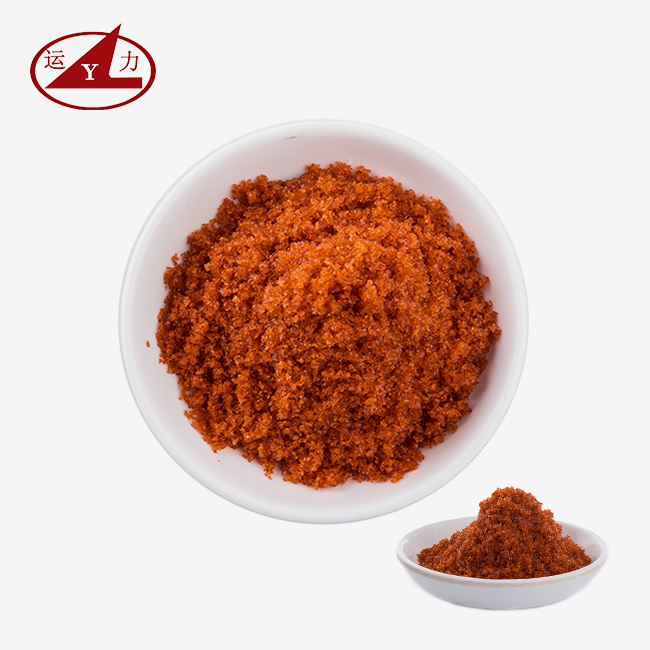
Aluminum Nitrate Nonahydrate is a white, solid salt that doesn't smell. It has strong hygroscopic properties, which means it can easily take in water from the air. This chemical is very important in making catalysts, dying fabrics, and making organic compounds. It has a molecular weight of 375.13 and a freezing point of 73.9°C. It dissolves easily in water (64 g per 100 mL at room temperature), which makes it useful in many industrial processes but also makes it hard to get rid of.
Chemical Properties That Affect Disposal
The combination can make fires stronger and react strongly with biological materials because it is an oxidizer. Its water-based products act acidic and usually have a pH level between 2.0 and 4.0. When heated above 150°C, the material breaks down into basic aluminum salts and then aluminum oxide. It also gives off nitrogen oxides, which are dangerous gases for breathing. Because of these traits, the dumping process needs to follow specific handling rules.
Regulatory Landscape for Industrial Users
When thrown away in the United States, this stuff is put into certain groups by the Environmental Protection Agency as hazardous trash. Industrial facilities must follow the rules set by the Resource Conservation and Recovery Act (RCRA). These rules say that trash must be properly identified, stored, and thrown away in approved facilities. Companies that do electroplating, leather tanning, or medicine production have to follow extra rules set by the states that are usually stricter than the federal minimums. Punishments for not following the rules include large fines and even shutting down operations. This makes proper dumping a business-critical issue rather than just an environmental one.
Business Impact of Improper Disposal
When factories don't follow the right dumping procedures, they risk more than just getting fined by the government. Environmental problems can hurt ties with clients, especially ones that do strict sustainability checks of their suppliers. When violations happen, insurance rates often go up, and cleaning up contaminated places usually costs ten times or more what it cost to get rid of the contamination in the first place. More and more, purchasing managers are aware that choosing providers with proven waste management skills lowers risk further down the supply chain and makes it more resilient.
Common Problems in Disposing of Aluminum Nitrate Nonahydrate Waste
Even though they mean well, many business companies have trouble getting rid of waste. By learning about these common mistakes, places can make better rules that protect workers and the environment.
Inaccurate Waste Characterization
Aluminum Nitrate Nonahydrate leftovers mix with other process chemicals in the trash streams that come out of factories. Before choosing the right way to get rid of these mixes, laboratories that are studying them must find out exactly what they are made of. Facilities that don't have the right analysis tools, like ICP-MS or atomic absorption spectrometers, often misclassify waste streams, which means they are handled in the wrong way. An electroplating plant in the Midwest once mixed Aluminum Nitrate Nonahydrate waste with organic solvents, which led to an unexpected exothermic reaction that needed emergency help and the evacuation of the building.
Storage and Segregation Failures
Because the substance absorbs water, it needs to be stored in a way that keeps air out and the humidity under control. Acidic solutions must not corrode the containers, and danger signs must be easy to read. Cross-contamination happens when facilities store chemicals that don't mix close to each other. For example, putting Aluminum Nitrate Nonahydrate near reducing agents or burning materials creates a very high risk of contamination. One textile dyeing company kept the materials in regular plastic drums, which broke down after six months and leaked, polluting an entire storage area and needing over $180,000 in professional cleanup services.
Insufficient Staff Training
Technical experts and warehouse workers need to be thoroughly trained in chemical qualities, emergency processes, and how to properly dispose of chemicals. There were a lot of accidents because staff members knew about safety in general but not enough about oxidizers. Hands-on examples of correct neutralization methods, the use of personal protective equipment, and spill reaction measures specific to this compound should be a part of training classes.
Best Practices and Principles for Safe Disposal
Putting together a system turns getting rid of waste from a risk into a controlled process that protects your business and shows clients and lawmakers that you care about the environment.
Rigorous Waste Identification and Documentation
Before dumping starts, facilities have to figure out how much trash they have and what chemicals are in it. Dates of production, concentration levels, contamination profiles, and any mixed dangerous features should all be written down. This information helps companies come up with the right treatment techniques and figure out the best way to get rid of waste. Keeping thorough records is also required by law and gives you proof that you can use during exams. We suggest putting in place computer tracking systems that keep track of trash from the time it is made until it is thrown away, making a continuous chain of ownership.
Secure Storage Protocols
Temporary storage areas should have concrete floors with coatings that are resistant to chemicals, enough airflow, and temperature settings that keep things from breaking down. Spill bins, berms, and other secondary containment systems must be able to hold 110% of the biggest container's volume. Put information on all of the packages about what's inside, how dangerous it is, when the buildup began, and who to call in case of an emergency. Check storage areas once a week and make notes of any damage to containers or changes in the surroundings that could affect the safety of the materials.
Chemical Neutralization Methods
In labs or quality control settings where small amounts are made, controlled elimination is a good way to treat them on-site. To do this, slowly add diluted calcium hydroxide or sodium hydroxide liquids while keeping an eye on the temperature and pH. Aluminum Nitrate Nonahydrate is changed into aluminum hydroxide precipitate by the process. This settles down and can be cleaned. Once the filter is confirmed to be neutral and free of heavy metals, it may be allowed to be dumped into industrial sewer systems. This method works best for amounts less than 50 liters, and it needs good air to control the release of nitrogen gas.
Partnerships with Certified Disposal Contractors
Companies that make a lot of hazardous waste should work with licensed companies that handle hazardous waste and have the right EPA permits. These companies offer special cases, shipping that follows Department of shipping rules, and treatment plants made to handle oxidizer waste streams. Reliable sellers give out certificates of dumping that prove the right way to handle the trash and protect buyers legally. When looking at different builders, make sure they have the right permits, ask for client references from businesses that work with similar ones, and check their track record of following environmental regulations in public databases.
Manufacturing Case Study
A company in Ohio that made battery materials made about 800 kilograms of Aluminum Nitrate Nonahydrate trash every month, which had small amounts of heavy metals in it. At first, they sent all of their trash away, which cost more than $45,000 a year. After getting neutralization tools and teaching their technical team, they cut down on the amount of waste that contractors had to throw away to 200 kilograms of concentrated precipitate per month. This change cut the cost of disposal by 60% and improved environmental performance measures that met customer audits in the car business. Within fourteen months, the money spent on treatment tools and training paid for themselves.
Comparing Aluminum Nitrate Nonahydrate Disposal with Other Aluminum Salts
When purchasing teams know how different aluminum compounds act when thrown away, they can make better material choices that take into account not only the original buy price but also the whole lifecycle of the product.
Chemical Differences Affecting Disposal
Aluminum sulfate is often used to treat water. It makes acidic solutions but not strong reactive ones, which makes neutralization easier. Aluminum chloride makes solutions that are very acidic and reactive and need to be adjusted more carefully for pH, but it doesn't pose any oxidizer risks. Because the nitrate form oxidizes, it needs to be kept separate from biological waste and reducing agents. This makes the rules for managing waste more complicated. Facilities must keep different waste lines, which makes it more difficult to store and handle than other aluminum salts.
Environmental Impact Variations
Aluminum Nitrate Nonahydrate adds both aluminum ions and nitrate nitrogen to water when it is introduced into water. The nitrate part encourages the growth of algae and can pollute groundwater, which is a problem that goes beyond aluminum's direct danger. Aluminum sulfate mostly changes pH and aluminum levels without adding nitrogen, which could lower the cost of cleaning up the environment if it gets released by mistake. These things affect how much risk insurance costs and how much money sites that handle different types of aluminum salt have to spend on environmental compliance.
Cost Implications for Procurement Decisions
Aluminum Nitrate Nonahydrate could cost between $800 and $1,200 per metric ton FOB, but it can cost an extra $200 to $400 per ton to get rid of, based on how much is in it and how dirty it is. Aluminum sulfate costs $600-$900 per ton and $150-$300 per ton to get rid of. It has lower total lifetime costs for uses where either compound works properly. But the unique qualities of the nitrate form are needed for making catalysts and some chemical synthesis processes. This means that the cost of disposal is an important business investment that can't be skipped. When reviewing quotes from suppliers, procurement managers should figure out the total cost of ownership, which includes the cost of dumping.
Procurement Insights: How to Source Aluminum Nitrate Nonahydrate Responsibly?
Prioritizing Quality and Purity
High-purity types with 98% or more of the active ingredient keep residual contaminants to a minimum, which makes getting rid of trash easier. Lower-quality materials often have iron, heavy metals, and other impurities that make them more difficult to clean and raise the cost of removal. For activities that make trash that needs to be characterized, the specifications should clearly say that the iron content must be less than 0.01% and the heavy metals must be less than 0.005%. Suppliers who include thorough Certificates of Analysis (COA) with every shipment make it possible to accurately profile trash and keep records of compliance with regulations.
Evaluating Supplier Certifications
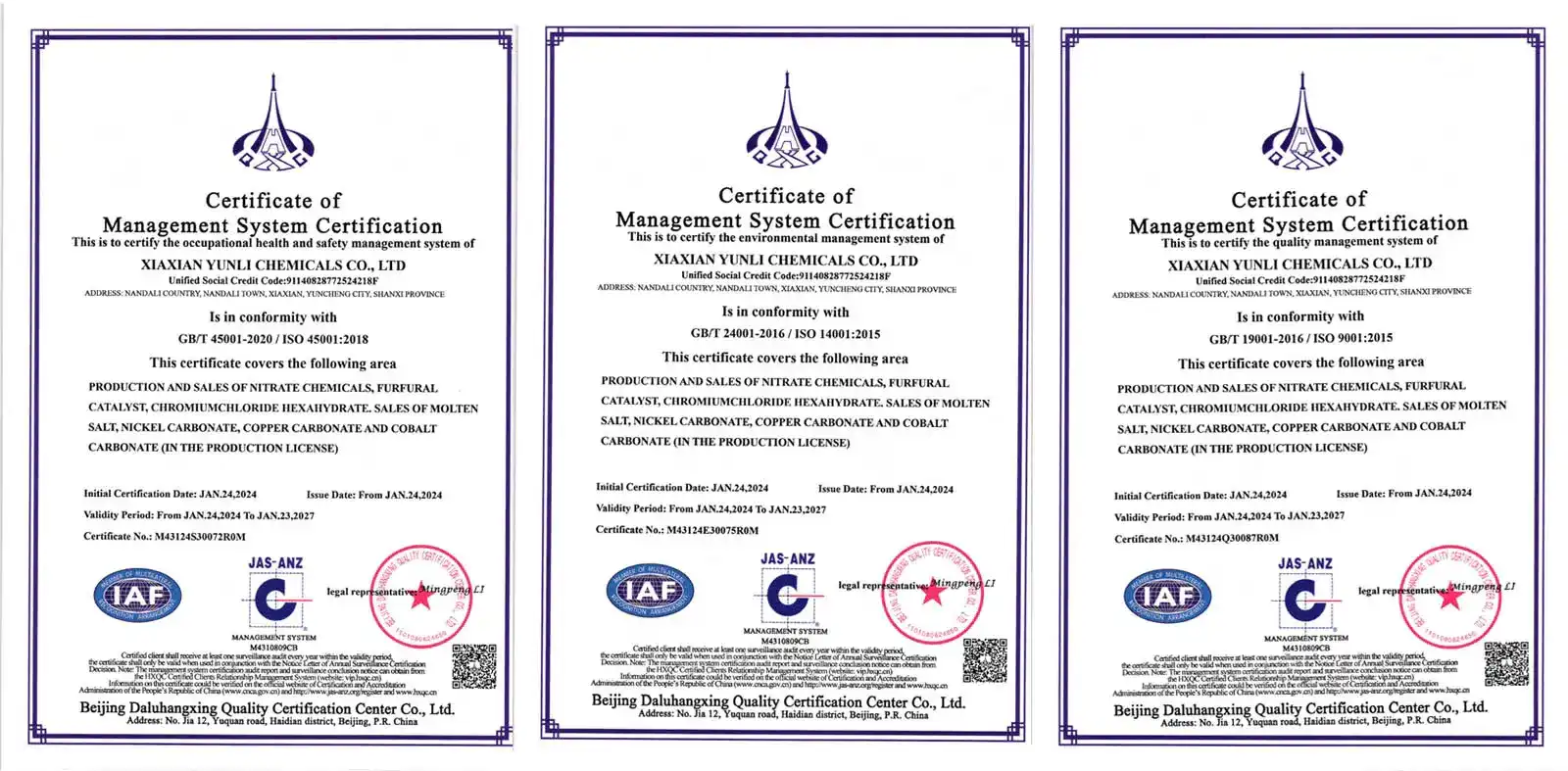
Companies that have ISO 9001, ISO 14001, or OHSAS certifications show that they take a structured approach to managing quality and the environment. These certificates show that suppliers keep product standards consistent, which lowers batch-to-batch differences that can make waste disposal methods more difficult. Companies that are recognized as provincial or national technology centers usually put money into research and development to meet specific quality needs and make recipes that work best for each application. This could help cut down on waste by making the process more efficient.
Optimizing Packaging and Order Quantities
Strategically choosing the right packing keeps products from being exposed to moisture in the air, which lowers their quality and makes more waste. You can choose from 25-kilogram moisture-resistant bags that are good for weekly use all the way up to 1,000-kilogram big sacks or middle bulk containers for people who use a lot. Right-sizing orders combines the costs of keeping inventory with the risks of product decline. For example, a six-month supply might seem like a good deal, but it could cause 5–10% of the material to break down due to moisture absorption, which would waste thousands of dollars. Suppliers with open minimum order amounts and custom packages make it easier for businesses to match their buying habits with their real consumption rates.
Importance of Technical Support and Documentation
When suppliers include full MSDS papers, handling tips, and disposal suggestions, they add a lot of value on top of just delivering the product. Having access to technology teams that know your specific application lets you have optimization talks that can stop waste before it starts. When looking at supplier offers, it's better to see how quickly they answer technical questions and how ready they are to help with applications as signs of a possible partnership rather than a transactional relationship.
Conclusion
Getting rid of Aluminum Nitrate Nonahydrate trash safely keeps your business from getting fined, being responsible for damage to the environment, and having its image hurt. It also shows customers and stakeholders that you run your business well. To do the process, you need to know how the substance reacts with oxygen and acid, follow strict rules for identifying and storing waste, and work with licensed workers for larger amounts. Comparing the waste needs of various aluminum salts helps purchasing teams choose materials wisely, taking into account the total costs over their whole life. Responsible sourcing from providers who give high-purity goods, full documentation, and expert help cuts down on trash and makes disposal easier, which in the end makes you more competitive by improving environmental performance.
FAQ
Q1: What personal protective equipment do workers need when handling aluminum nitrate waste?
A: When working with strong chemicals or solid trash, workers should put on nitrile or neoprene gloves, safety masks with side shields, and protective aprons. When there are big spills or small areas, you need to wear respirators that are allowed for acid gases and particles. Make sure that safety baths and emergency eyewash stations are within ten seconds of where people are working.
Q2: Can aluminum nitrate waste be recycled or recovered?
A: Through precipitation and reprocessing, some specialized recyclers can get metal values back from trash streams that are concentrated and not polluted. This choice is only cost-effective for big amounts (more than a few tons per year) with little pollution. Most industrial sites find it cheaper to hire qualified workers to do straight disposal than to try to do recovery operations.
Q3: What U.S. regulations govern aluminum nitrate waste disposal?
A: When this stuff is thrown away, the EPA regulates it under RCRA, which means that people who make waste have to check to see if it meets the standards for dangerous waste. Most states have programs that are allowed to apply extra rules. The Clean Water Act limits how much metal and nitrates can be dumped into rivers. OSHA rules make sure that workers are safe when they are handling and getting rid of things.
Partner with Yunli Chemical for Compliant Aluminum Nitrate Nonahydrate Supply
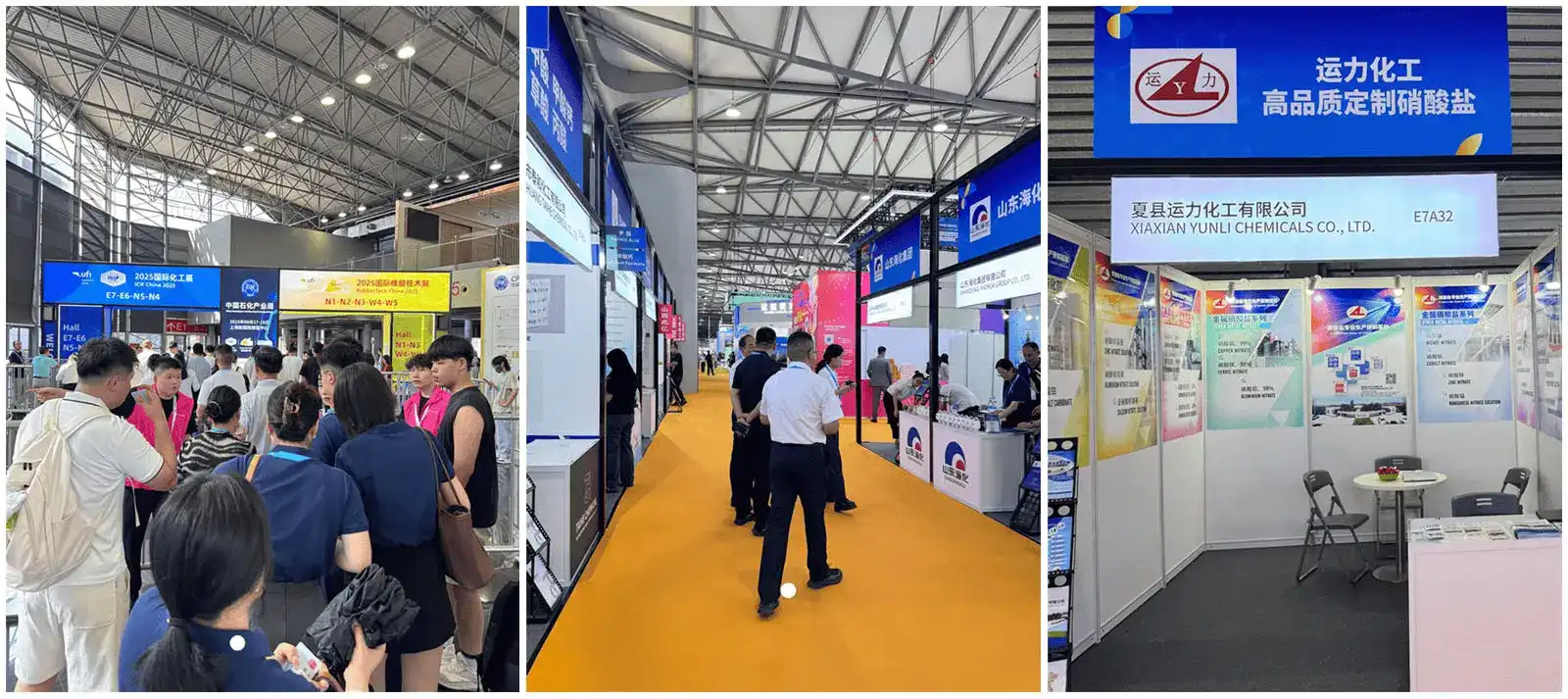
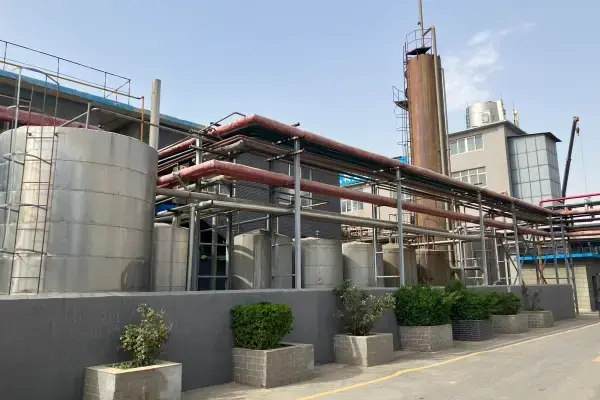
Yunli Chemical has been a top manufacturer for more than twenty years and is a great Aluminum Nitrate Nonahydrate provider. They can help you reach your goals for less waste by giving you high-quality products and full expert support. Our ISO 9001, ISO 14001, and OHSAS certifications make sure that our cleanliness standards are always the same. This makes your dumping procedures easier and lowers the cost of the product over its entire life. As a Shanxi Provincial Enterprise Technology Center, we provide high-purity grades up to 4N quality with controlled impurity profiles that are made for tough uses in electronics, pharmaceutical intermediates, and catalyst production.
Our direct factory prices cut out middlemen, and our self-run export operations make sure that deliveries happen on time and that we don't waste inventory by having too much of it. Our method is flexible enough to meet your needs, whether you need standard 25-kilogram packing or special aqueous solutions in certain concentrations. You can check the quality of free samples up to 500 grams before you decide to buy a lot of it. You can email our team at wangjuan202301@outlook.com to talk about how our certified goods and advice on how to properly dispose of them can help you meet strict environmental standards and improve your supply chain.

References
1. United States Environmental Protection Agency (2021). "Hazardous Waste Management Guidelines for Inorganic Oxidizers." Office of Resource Conservation and Recovery, Washington DC.
2. American Chemical Paint Society (2020). "Safe Handling and Disposal of Laboratory Chemicals: Aluminum Compounds." ACS Committee on Chemical Safety, Department of Environmental Health.
3. National Institute for Occupational Safety and Health (2019). "Pocket Guide to Chemical Hazards: Aluminum Nitrate." U.S. Department of Health and Human Services, Centers for Disease Control and Prevention.
4. Chemical Safety Board (2018). "Investigation Report: Reactive Chemical Incidents in Electroplating Operations." U.S. Chemical Safety and Hazard Investigation Board, Report No. 2018-02-I-CA.
5. International Journal of Environmental Science and Technology (2020). "Comparative Analysis of Neutralization Methods for Inorganic Nitrate Waste Streams." Volume 17, Issue 4, Pages 2341-2358.
6. Occupational Safety and Health Administration (2022). "Hazard Communication Standard and Chemical Disposal Requirements for Manufacturing Facilities." U.S. Department of Labor, OSHA Publication 3844.