


What is chromium acetate used for?
Chromium Acetate is a flexible coordination chemical that is used in many different fields, from coloring leather to making catalysts. This molecule, which has the molecular formula Cr(CH₀COO)₀, is chemically stable and dissolves easily in water. Its main uses are as a mordant in cloth dying to help the dye stick better, as a tanning agent in leather processing to make finishes that last and are flexible, and as a catalyst precursor in organic synthesis. Chromium Acetate is highly valued because it provides a better option to hexavalent chromium compounds. This meets the needs of regulatory compliance and environmental sustainability, which are important factors for buying managers and technical experts when making purchase decisions.
Understanding Chromium Acetate: Chemical Properties & Structure
Chromium Acetate is a trivalent chromium substance that is significantly safer than hexavalent compounds. There are chromium ions and acetate ligands in the chemical structure, which makes a stable complex with a molecular weight of 229.13. This coordination chemistry gives the molecule a lot of useful options for industrial uses where controlled reactivity is important.
Molecular Composition and Stability
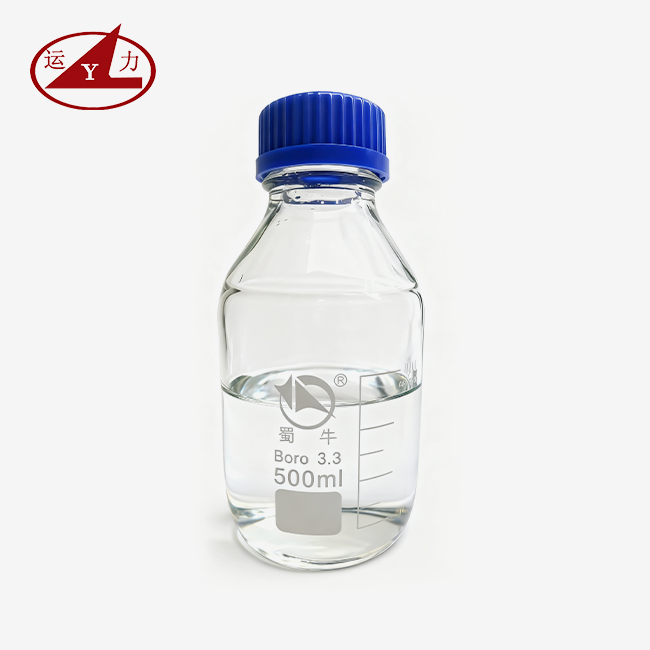
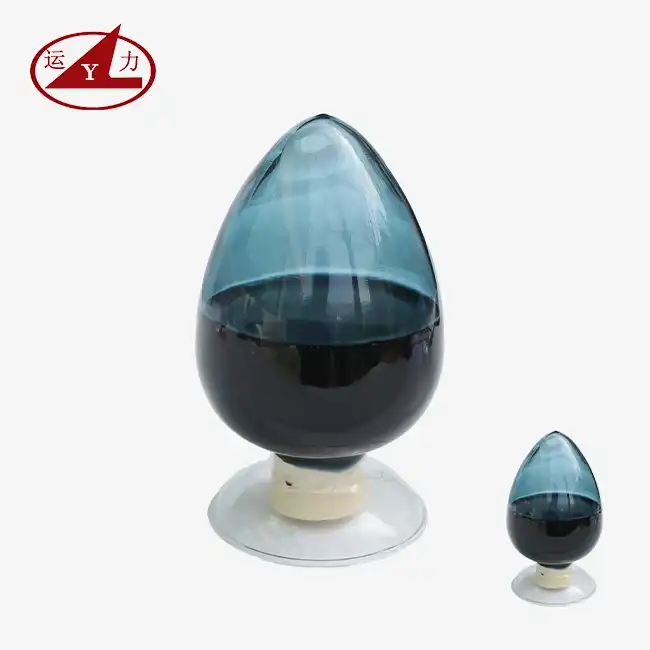
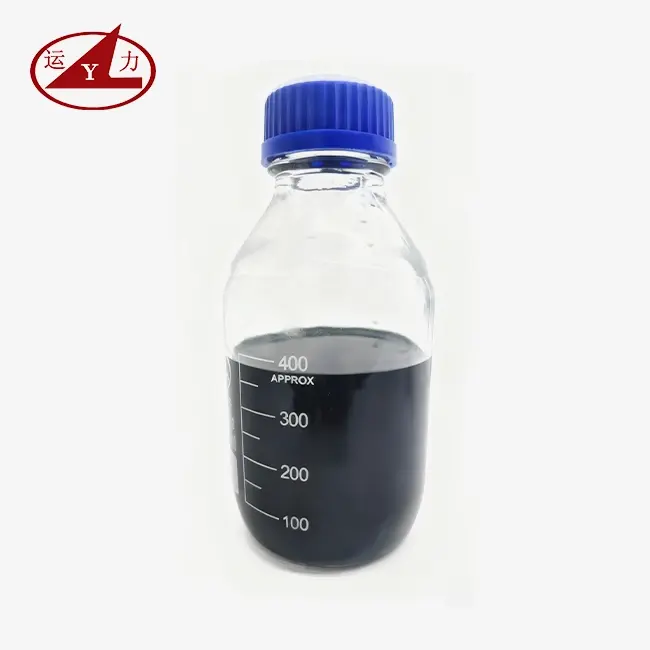
The chemical is mostly found in water solutions, which are usually sold at a 50% strength. The Chromium Acetate 50% Solution from Yunli Chemical is a grayish-green to bluish-green thick liquid that shows that the chromium(III) oxidation state is stable. This mixture stays in the pH range of 3.5 to 4.5, which stops precipitation before it happens and makes sure it works with most commercial mixing equipment. At 20°C, the density is usually between 1.25 and 1.35 g/cm³, which makes dosing more accurate in automatic devices. This stability profile directly leads to a longer shelf life—our solution stays effective for more than a year when kept correctly, which makes it easier for supply chain managers to keep track of their goods.
Solubility and Handling Characteristics
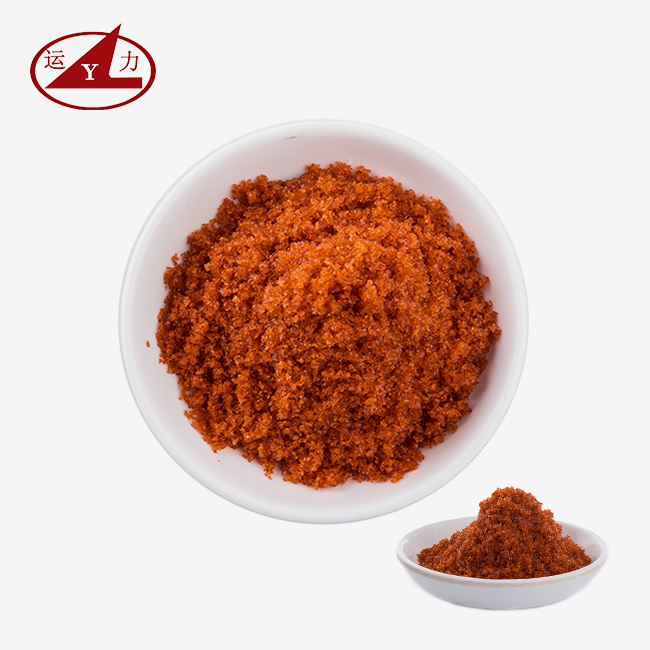
This compound is different from powder options because it dissolves completely in water. This makes it easy to add to current systems for processing water. The method gets rid of the risks of making dust when handling powder, which makes the workplace safer. Engineers like that they don't need any special tools to dissolve the material; regular industrial mixing tanks work just fine. The controlled iron content below 30 ppm and salt levels below 50 ppm keep equipment from rusting and protect the stainless steel infrastructure that is common in drug and electroplating plants. These traits directly address procurement priorities: lower upkeep costs, higher operating safety, and easier logistics.
Safety Profile and Compliance
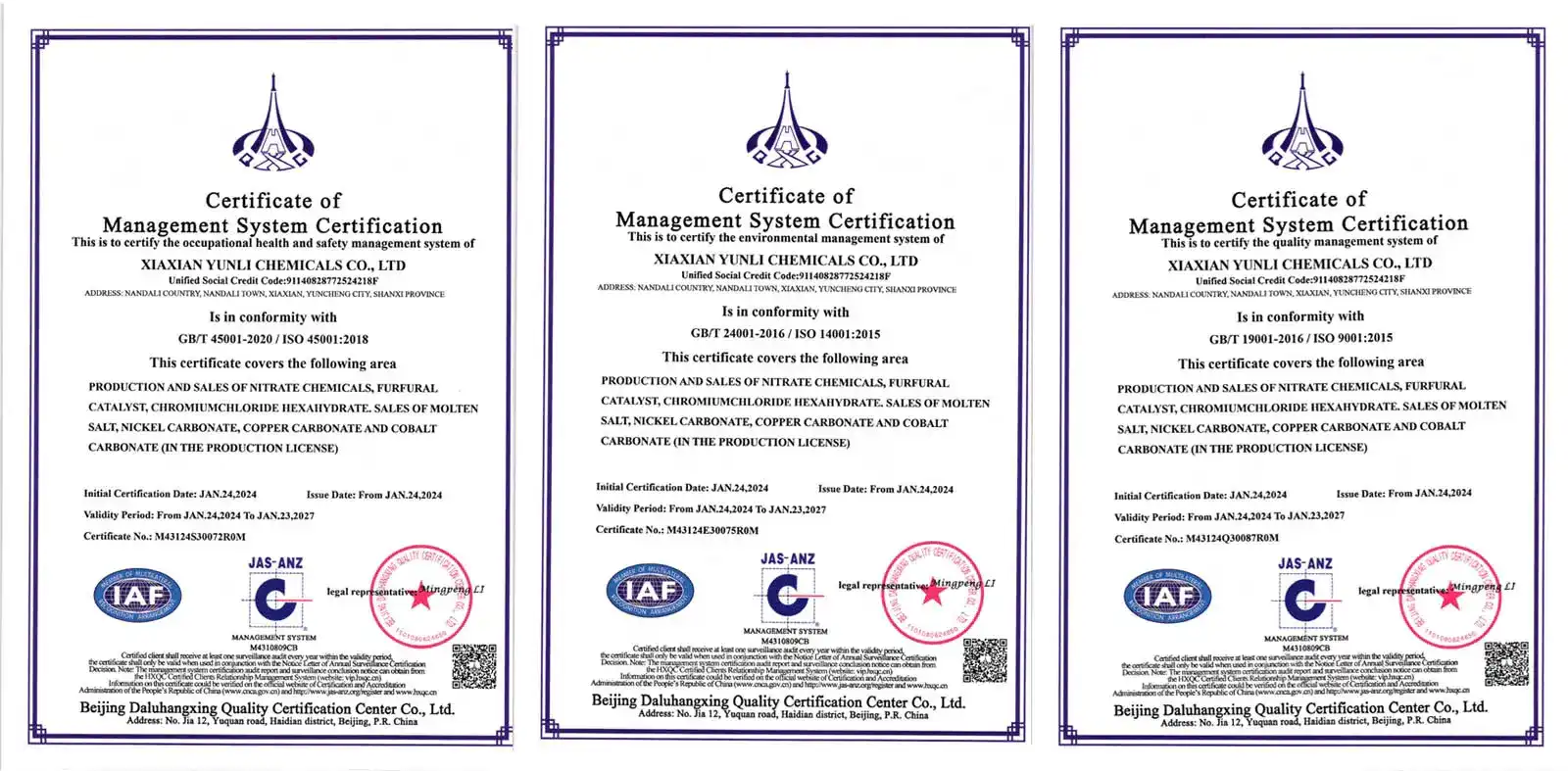
According to safety data sheets, trivalent chromium molecules are much less harmful than hexavalent forms. Chromium(III) acetate doesn't easily pass through cellular barriers, which lowers the risks of exposure at work. To handle chemicals safely, you need to wear gloves that are resistant to chemicals, safety glasses, and make sure there is enough air flow. Strong oxidizers and heat sources should be kept away from sealed containers that are used for storage. We make sure that our products meet the requirements of ISO 9001, ISO 14001, and OHSAS. We give buying managers all the compliance paperwork they need for audits, such as MSDS, COA, and environmental licenses. Following the rules for REACH and RoHS makes sure that U.S. buyers can quickly clear customs, which stops delays caused by regulations that affect production plans.
Industrial and Commercial Uses of Chromium Acetate
Knowing how chemicals work in different situations helps purchasing teams match chemical specs to production needs, which improves both quality and cost-effectiveness.
Leather Tanning Applications
This substance is a great tanning agent for leather because it makes products that are soft, long-lasting, and water-resistant. Chromium Acetate enters leather fibers more evenly than standard chromium sulfate. This cuts processing time by about 15 to 20 percent. The acetate partners help control the release of chromium, which keeps the skin from getting too dark and breaking. To meet environmental safety requirements, tanneries say they have improved color accuracy and cut down on chemical waste. The combination works well with different kinds of leather, from tough cowhide for furniture to soft leather for clothes. This makes it useful for factories that work with a lot of different types of leather. This flexibility makes it easier for distributors who work with a variety of leather makers to keep track of their goods.
Textile Dyeing and Mordanting
This chemical is used as a mordant in the textile business to chemically attach colors to both natural and man-made fibers. When used before or during coloring, it forms coordination complexes between chromophoric dye molecules and fiber substrates, which makes the fabric much more resistant to light and washing. Chromium Acetate treated wool, silk, and cotton fabrics keep their bright colors even after being washed many times, meeting quality standards for clothing and home textiles. Businesses that use dyes like the substance because it works well with both ongoing and batch processes. The managed pH and low amounts of impurities keep equipment from scaling, which cuts down on repair breaks. When technical experts look at long-term supplier partnerships, they look at how these practical savings help the business.
Catalyst Manufacturing and Chemical Synthesis
Chromium Acetate is used as a precursor for chromium oxide catalysts that are used in industrial processes, especially in polymerization reactions and selective oxidation. The acetate form breaks down easily during calcination, producing chromium oxide with a large surface area and little pollution left over. It is used by companies that make pharmaceutical intermediates in chemical synthesis routes that need Lewis acid catalysis. Our ultra-low heavy metal standards—below 5 ppm for arsenic, cadmium, and lead—meet strict pharmaceutical-grade standards and help with cGMP compliance. Formulators can get the best viscosity and response for each synthetic route by changing the concentration from 40% to 60%. This cuts down on batch fails and material waste.
Emerging Applications in Coatings and Surface Treatment
Hexavalent chromium phase-outs are required by environmental laws, which has increased the need for trivalent options in metal finishing. Chromium Acetate solutions are now used by electroplating companies to put safe coatings on car parts, fasteners, and machinery parts that are compliant with REACH. These coatings protect against rust as well as standard chromate treatments, but they don't come with the same legal risks. The change in the market means that wholesalers who place themselves as environmental compliance solution providers can make a lot of money. Even though photography and film printing are minor businesses, this compound is still used for light-sensitive formulations in those fields. This shows how technically versatile it is across many fields.
Comparing Chromium Acetate With Other Chromium Compounds
When making purchases, it's helpful to know how the efficiency, safety, and cost-effectiveness of different chromium salts compare.
Chromium Acetate vs. Chromium Chloride and Sulfate
Chromium chloride lowers the cost of raw materials but also adds more chloride ions, which speed up equipment rust, especially in stainless steel systems. Costs of maintenance often cancel out saves at the beginning. Chromium sulfate is often used in dyeing, but it takes longer to process and makes more waste water than Chromium Acetate. The acetate ligand's ability to buffer keeps pH stable during processes, so there is no need to keep checking and adjusting. This saves a lot of work in automatic facilities. It is safer to use acetate and chloride than hexavalent chromate chemicals; the chance of cancer is very low for both trivalent forms. Technical experts who care about long-lasting tools and consistent processes are choosing acetate formulations more and more, even though they cost a little more per unit.
Solution vs. Powder Forms
Chromium Acetate 50% Solution gets rid of the need for dissolving steps in powder forms, which speeds up the manufacturing process and lowers the cost of labor. Handling powder makes dust that can be breathed in, so better airflow and personal protection equipment are needed. This means that more money needs to be spent on workplace safety. Solutions offer better stability from batch to batch because concentration uniformity is controlled in the factory instead of being dependent on how the operator dissolves the material. Powders may be better for shipping across the country because they cost less to ship per unit of active ingredient, but solution forms from area suppliers often offer competitive delivered prices. Because end-user safety expenses are lower, it's easier for distributors to sell products to customers who don't have a lot of equipment for handling chemicals.
Purity Grades and Pricing Trends
Chromium Acetate made for industry usually has 50% active ingredient and controlled impurities that make it good for dyeing and textile uses. Pharmaceutical-grade specs that meet USP/EP standards are more expensive but are still needed to make drug intermediates. Because we can make 4N-grade (99.99% pure) material, it can be used in advanced materials and specialized technology. Prices change around the world depending on how much chromium rock is available and how much energy costs, but long-term supply deals keep budgets stable for heavy users. When procurement managers look at the total cost of ownership, they should compare unit price differences to quality-related yield improvements and less rework. Our expert support helps customers get the right specs so they don't pay too much for purity that they don't need and so performance requirements are met.
How to Procure High-Quality Chromium Acetate: A Buyer's Guide
A good buying process strikes a balance between quality control, following the rules, and the dependability of the supply chain. This is an area where well-known makers clearly shine.
Supplier Certification and Quality Verification
Suppliers with a good reputation keep their ISO 9001 quality management certification, which shows that they have organized process controls that make sure that product standards are always met. Yunli Chemical is a provincial-level company technology center, and it has been in business for 20 years, so you can be sure that it is technically strong and financially stable. When looking at different sources, make sure you get recent test results from a third party that confirm the Cr level, pH, density, and impurity levels.
Each package should come with a Certificate of Analysis (COA) form, which lets you track it all the way through your production chain. When suppliers offer free samples of up to 500 grams, your technical team can test the performance before placing large orders. This is a very important risk-mitigation step for supply chain managers who are bringing new vendors. Our ICP-MS and atomic absorption spectrometry tools give you accurate analysis data to help with your quality control.
Bulk Ordering and Flexible Procurement Terms
Direct sourcing from manufacturers gets rid of markups by distributors and makes sure that customers can get expert help. We can handle orders of any size, from lab-scale amounts to shipments of several tons. We don't have any minimum order numbers that would make it hard for smaller businesses or R&D projects. Flexible packing choices, such as drums, IBC totes, and bulk tankers, help you get the best transportation prices and operating efficiency for the size of your building.
We can customize more than just the packing; we can also change the concentration, viscosity, and even the formulation to include certain ingredients to meet the needs of your process. Long-term partnerships are rewarded with different payment terms and volume rebates. This is in line with the buying strategies that build trust that are typical of good B2B relationships in the chemical business.
Navigating Import Regulations and Logistics
U.S. importers must ensure proper hazardous materials labeling and documentation for Chromium Acetate to clear customs. Our export department manages compliance paperwork, including U.S.-formatted Safety Data Sheets meeting OSHA requirements and DOT-compliant shipping declarations. Understanding regional regulatory variations—such as REACH registration for European destinations versus TSCA compliance for U.S. markets—prevents costly shipment delays.
Containerized ocean freight from Asia to U.S. ports typically requires three to four weeks, with air freight available for urgent requirements. Supply disruptions can be avoided by establishing supplier relationships with consistent production scheduling and inventory buffers. With twenty years of export experience, we navigate regulatory complexities and provide shipment visibility to support your just-in-time inventory planning.

Safe Handling and Best Practices in Industrial Settings
Safety at work and caring for the environment are important for more reasons than just following the rules. They also affect employee happiness and relationships with the community, which can affect the long-term success of a business.
Personal Protection and Workplace Safety
Trivalent substances are much safer than hexavalent chromium, but they still need to be handled in the right way. When delivering, workers should wear chemical safety masks, protective jackets, and gloves made of nitrile or neoprene that can handle acidic solutions. Facilities should put eyewash stations and emergency showers within 10 seconds of where people are touching things. If there is enough air flow, the vapors don't build up, but the combination isn't very volatile at room temperature.
Training programs should stress how to clean up a spill: contain the liquid with absorbent materials, neutralize it with light alkaline agents if needed, and get rid of it according to the rules for toxic waste in your area. Regular tracking of the air in the workplace makes sure that exposure stays below the limits set by the government. This protects workers' health and shows that regulations are being followed for future checks.
Storage Conditions and Shelf-Life Management
Keep containers in cool, dry places away from things that don't go with them, like strong bases and damaging agents. Extreme temperatures can change the viscosity of a solution and possibly cause it to precipitate. However, our recipe includes preservatives that, in the right conditions, can extend the shelf life beyond 12 months.
To keep products fresh, clearly sign containers with the times they were received and use first-in, first-out inventory rotation. Sealed canisters keep water from evaporating, which would raise the quantity above what is allowed. If a container fails, secondary protection like spill pallets or bermed storage places keep the environment from being harmed. These actions are in line with ISO 14001 environmental management standards. They show that your company is responsible, which is good for its image with clients.
Environmental Compliance and Waste Disposal
Unlike hexavalent types, trivalent chromium is not considered a priority pollution by the U.S. Environmental Protection Agency (EPA). This makes it easier to treat wastewater. However, disposal limits are different for each town and body of water that receives the wastewater. Before getting rid of chromium-containing process water, check the local pretreatment standards. Using alkaline chemicals in precipitation methods changes dissolved chromium into insoluble hydroxides that can be separated by filters.
This makes it possible to properly dispose of the waste in a dump or release zone. Our closed-loop sewer systems and Cr⁶⁺ reduction technology are examples of environmentally friendly ways to make things that buyers are becoming more and more interested in. Specialized producers may be able to recycle waste chromium streams, which recovers material value and lowers the cost of dumping. Making thorough plans for managing waste shows that you care about the environment and meets both business sustainability goals and government requirements.
Conclusion
Chromium Acetate is an important industry product that meets performance needs while also being safe and environmentally friendly. It is used in the leather, textile, catalysis, and surface treatment industries. Because it only has three chromium ions, it works well without the extra rules that come with hexavalent options. Partnering with approved makers that offer consistent quality, technical innovation, and full compliance support gives procurement pros a competitive edge. By learning about application-specific needs, comparing compound performance, and best practices for handling, you can make smart buying choices that improve both operating efficiency and total cost of ownership. The move toward chemicals that are better for the environment makes Chromium Acetate a growing market that will reward buyers who are proactive and set up solid supply relationships now.
FAQ
Q1: What does the scientific formula for Chromium Acetate look like?
A: The scientific formula for Chromium Acetate is made up of the building blocks Cr(CH₃COO)₃ and has a weight of 229.13. It's a coordination complex made up of chromium(III) ions and three acetate ligands. These ions form a stable structure that can be used in a number of industrial settings.
Q2: In the process of dyeing leather, how does Chromium Acetate compare to Chromium Sulfate?
A: Chromium Acetate enters leather more evenly and processes more quickly than sulfate forms, which cuts dyeing time by 15 to 20 percent. The acetate version makes leather that is softer and has more consistent colors while making less waste water. This solves problems with both quality and the environment.
Q3: Which is better for my use: Chromium Acetate powder or solution?
A: Solutions get rid of the need for dissolution steps, lower the amount of dust that is released, and improve batch stability, making them perfect for automatic systems and places that care about safety. The cost of shipping very large amounts of powder may be lower, but they need more handling equipment and safety steps.
Q4: What approvals should I look for when I'm looking for Chromium Acetate?
A: Check that the product has paperwork like MSDS, COA, and REACH/RoHS certifications, as well as ISO 9001 quality management and ISO 14001 environmental compliance. Quality security is best when suppliers have well-established technology centers and third-party analysis tools.
Partner With Yunli Chemical for Reliable Chromium Acetate Supply
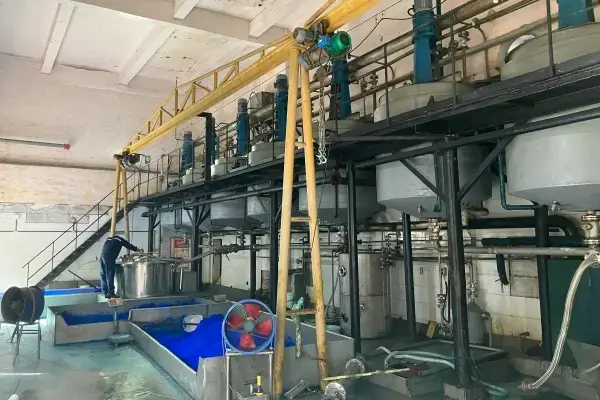
To get industrial chemicals, you need more than just a company with low prices. You need a Chromium Acetate maker that is dedicated to consistent quality, technical innovation, and quick service. Yunli Chemical has been making things for more than 20 years and makes RMB 1 billion a year. This shows that they are financially stable and have enough operations to keep your supply chain running smoothly. Our technology center at the provincial level creates custom recipes that meet all of your process needs, whether you need to change concentrations, get ultra-low impurities for medicinal uses, or make special package shapes.
We are in charge of the whole production process, from getting the raw materials to checking the quality with ICP-MS and atomic absorption spectrometry to make sure that every batch meets your needs. Direct access to the factory cuts out the middleman and gives you instant technical help for fixing problems and making the process run more smoothly. Our ISO 9001, ISO 14001, and OHSAS certifications give you the proof of compliance that your inspectors need, and our closed-loop environmental systems meet the needs of companies that want to be more environmentally friendly.
You can try our Chromium Acetate 50% Solution without any risk by getting free samples of up to 500 grams. This way, your expert team can check the performance before committing to buying in bulk. Flexible terms for buying include not having a minimum order size, being able to choose from different types of packing, like drums or IBC tanks, and shipping times that work with your production plans. You can email our team at wangjuan202301@outlook.com to talk about your needs. Feel the supply dependability and technical partnership that turns working with vendors into a competitive edge.

References
1. Baird, R. & Eaton, A.D. (2017). Standard Methods for the Examination of Water and Wastewater, 23rd Edition. American Public Health Association.
2. Covington, A.D. (2009). Tanning Chemistry: The Science of Leather. Royal Society of Chemistry.
3. Gupta, K.K. & Kundu, P.P. (2016). "Chromium Complexes as Catalysts in Organic Synthesis." Coordination Chemistry Reviews, 312, 90-108.
4. International Agency for Research on Cancer (2012). IARC Monographs on the Evaluation of Carcinogenic Risks to Humans: Chromium, Nickel and Welding. World Health Organization.
5. Shore, J. (1995). Cellulosics Dyeing. Society of Dyers and Colourists, Bradford, UK.
6.United States Environmental Protection Agency (2020). Toxicological Review of Trivalent Chromium. EPA/635/R-10/004F.