

How to safely store aluminium nitrate solution at home?
Aluminium Nitrate Solution needs to be kept in well-ventilated areas in containers made of stainless steel, PVC, or materials that can be sealed with glass. People who work with reducing agents or organic materials should stay away from the solution because it is very acidic and oxidizing. Dangerous things could happen if it does. To keep things safe, keep the temperature between 15°C and 25°C, use clear signs, and check the items often. Chemicals work better when they are kept in the right way, and they also follow safety rules, which saves people and the building where the action takes place.
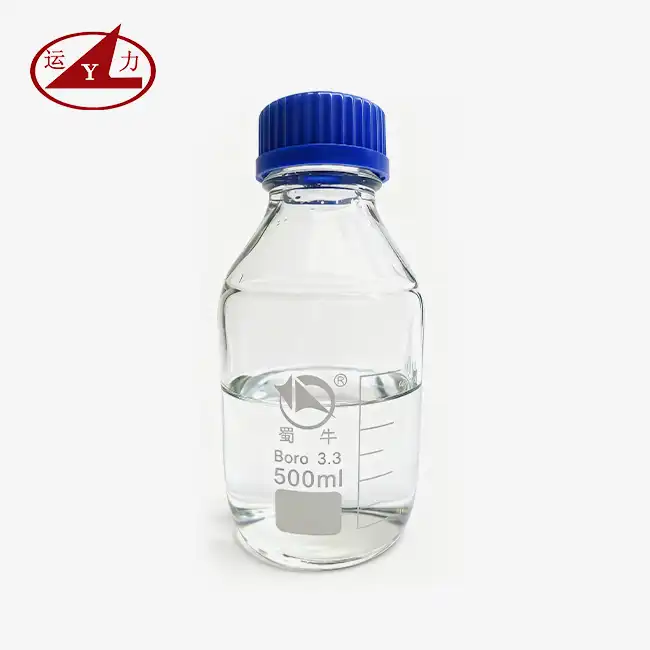
Understanding Aluminium Nitrate Solution and Its Storage Challenges
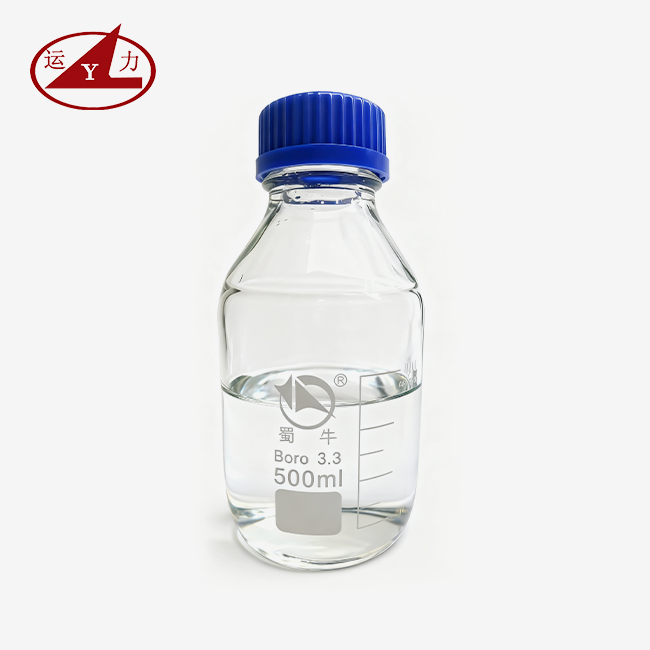
Aluminium Nitrate Solution has the molecular formula Al(NO₃)₃·9H₂O and a molecular weight of 375.13 when it is solid and not a syrup. With water, the specific gravity is usually between 1.35 and 1.45 g/cm³ at 20°C, and the concentration is around 50 to 60%. The pH level of this clear to slightly yellow fluid is very acidic, and it has strong oxidizing properties. This makes it necessary for many tasks, such as making high-purity alumina, helping catalysts in hydrodesulfurization, and improved metal surface passivation.
It's hard to keep the answer because it reacts and changes based on outside factors. When the temperature drops below 15°C, concentrated liquids can crystallize. On the other hand, too much heat speeds up the breakdown process. It pulls water to itself, which is called hygroscopicity. This might change the content and make the grade worse.
Light that stays on for a long time, especially in clear objects, can speed up photochemical processes that don't need to happen. Chemicals can break down, dangerous reactions can happen when the wrong things are mixed, and rust can get inside containers and make them dirty. When procurement and safety teams know about these risks, they can take steps to protect the product for longer and keep the process going easily in fields like electroplating, dying fabrics, making pharmaceutical intermediates, and making battery materials.
Key Principles of Safely Storing Aluminium Nitrate Solution
Environmental Control Requirements
In order to stay safe, nature forces must be carefully managed. The best temperature range is between 15°C and 25°C, since crystallization doesn't happen at lower temperatures and breakdown doesn't happen as much at higher temperatures. It's also important to keep the humidity in check, since too much wetness can weaken seals over time and water down the Aluminium Nitrate Solution. In order to keep the chemical safe, it is kept in climate-controlled areas away from direct sunlight and heat sources. Storage places should have enough air flow to get rid of any fumes or small leaks that happen when things are being moved around.
Container Material Compatibility
As an acid and a base, Aluminium Nitrate Solution breaks down carbon steel and many other common metals. You should store things in cases that don't rust. High-density polyethylene (HDPE), glass-lined tanks, 304L or 316L stainless steel, or PVC can be used to make these. These things keep things from getting dirty or breaking, which could lead to spills that are risky. The covers on containers need to be checked often to make sure they are properly sealed, which stops both solution loss and moisture entry. Chemicals must have clear, long-lasting signs that show the name of the chemical, its concentration, any danger marks, and the date it was received. This keeps the chemicals from getting mixed up.
Chemical Compatibility and Segregation
Stay away from materials that don't mix if you don't want to harm yourself. This Aluminium Nitrate Solution needs to be kept away from bases that could start exothermic reactions or fires, reducing agents, organic solvents, and things that can catch fire. Things don't touch by accident when they are stored in different boxes or areas. Second line of defenses, like chemical-resistant boxes or bunded areas, stop possible spills before they spread. It is important for buying teams to follow global standards. In the US, this is done by regularly going over Safety Data Sheets (SDS) and going over OSHA rules. You can use these steps to make any building safer, from small labs to huge plants that make things for the fertilizer, pottery, and glass industries.
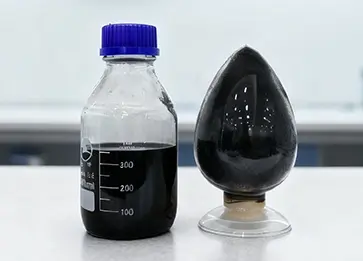
Step-by-Step Guide: How to Properly Store Aluminium Nitrate Solution at Home or Small Facilities?
Preparing Dedicated Storage Spaces
Make sure there is a safe place set away just for chemicals first. This spot should be cool, dry, and have good air flow. It should also be far away from places where people live, cook food, and start fires. Put up shelves at waist height made of materials that won't react with chemicals to keep people from hurting themselves while pulling and to make it easy to check. When dealing with bigger numbers of Aluminium Nitrate Solution, make sure the area has the right safety signs and comes with things like spill kits, eyewash stations, and safety baths in case of an emergency. Only people who are trained should be able to get in, and smaller amounts should be kept in rooms that can be locked.
Selecting and Preparing Appropriate Containers
Pack the answer in containers made to hold liquids that are acidic or oxidizing. Stainless steel or HDPE containers with tight, threaded lids are the safest. Keep glass items away from places where a lot of people walk by, as they are more likely to break. On the other hand, cases made with glass can be used to store things safely. Make sure that containers don't have any cracks, rust, or broken lids before you use them. Put a waterproof sign on each bottle with the chemical's name, its quantity, the date it was received, and any safety information that is important. Things that have been used to hold chemicals that don't mix should never be used again until they have been cleaned well and approved.
Implementing Best Handling and Monitoring Practices
If you're moving the solution, you should always wear the right safety gear, like chemical-safe gloves, safety glasses, and gas masks. When working in extra holding areas, carefully pour through tubes to keep things from splashing. Store goods straight on stable surfaces so they don't fall over. Check once a week to see if there are any leaks, broken containers, or strange color changes in the solution.
Use tools that are controlled to keep an eye on the temperature and humidity, and make sure the quality by keeping records. Set up a way to use older stock before getting new orders. This way, things won't be stored for longer than their suggested shelf life, which is usually 12 to 24 months. At the microscopic level, these regular tracking steps keep the drug stable and safe to use. Quality management systems like ISO 9001 also need a lot of paperwork to make sure they're following the rules. This group helps with that.
Comparing Aluminium Nitrate Solution Storage with Other Aluminium Salts
Storage Differences Among Aluminium Compounds
It's important to know how to store each type of metal salt when working with them in buying stocks. Aluminium Nitrate Solution is very different from aluminium sulfate and aluminium chloride in terms of how stable it is chemically and how sensitive it is to its surroundings. In a wider range of temperatures, aluminium sulfate can be kept and doesn't decompose as quickly. This makes it easier to work with.
On the other hand, aluminium chloride solutions need even better air flow than nitrate solutions because they give off hydrochloric acid smells. Nitrate is a strong oxidizer, so it should be kept away from things that are biological or that reduce things. For sulfate types, this is not as important.
Impact of Product Grades and Concentrations
How easy something is to handle and how long it can be kept depend on the type and amount of things that are being stored. When it comes to tight control, lab- or electronic-grade solutions with impurity profiles (Iron < 0.005%, heavy metals < 0.001%) usually need it more than industrial grades that are used to dye cloth or tan leather. More concentrated solutions (above 55%) are easier to make at room temperature, so they need to be kept in a place with controlled temperature and humidity.
Lower concentration (30–40%) solutions, on the other hand, are more steady, but they take up more room per unit of active ingredient. Because of how their building stores things, this part tells buying workers how to pick the right salt grade and concentration. In fields like fine chemical synthesis, new energy battery materials, and pharmaceutical intermediates, this helps to keep things going easily, make things safer, and cut down on waste.
Buying and Procuring Aluminium Nitrate Solution for Safe Storage
Selecting Certified and Reliable Suppliers
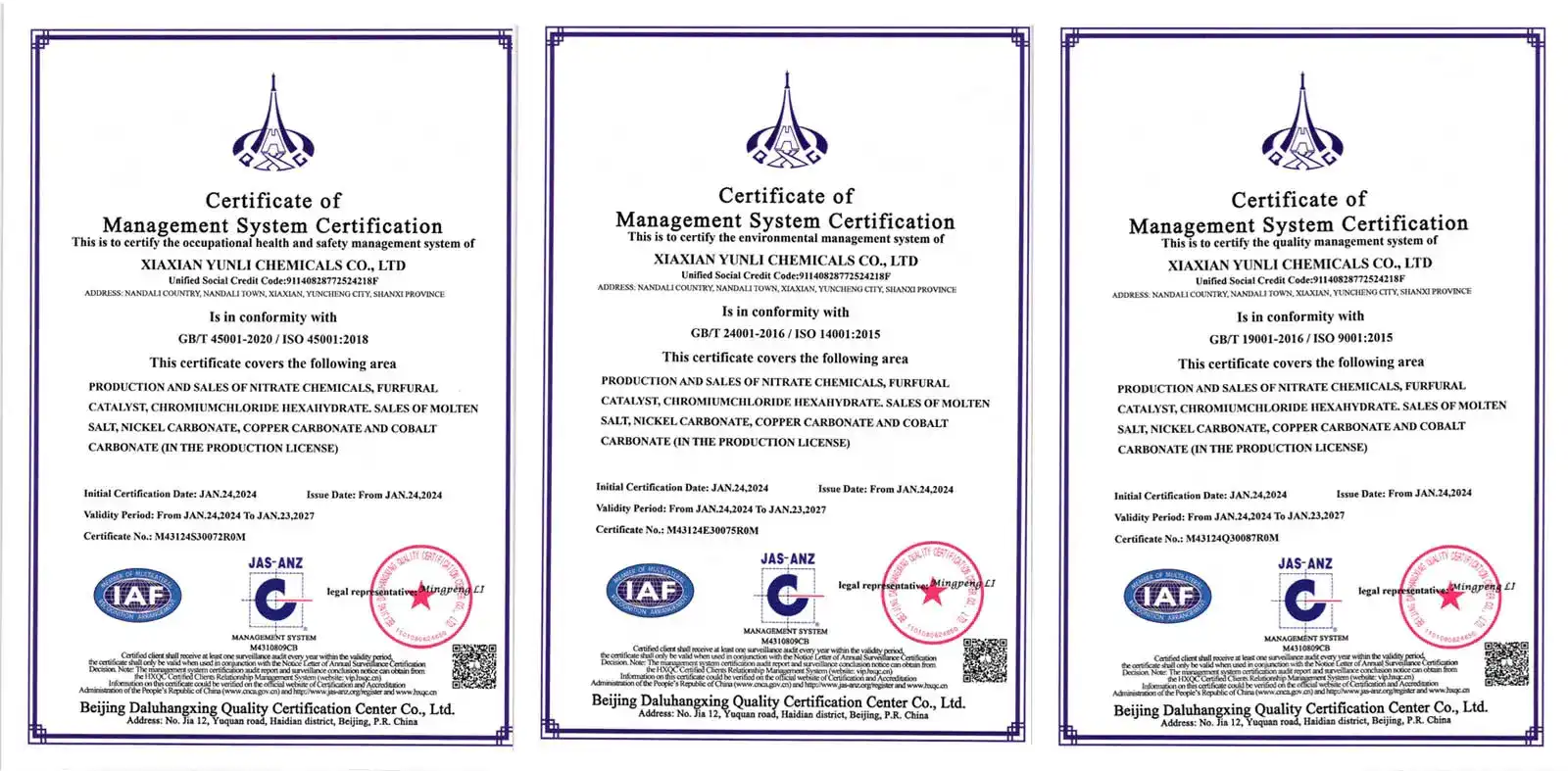
Being able to trust approved sellers who always meet quality and safety standards affects what you can buy. Yunli Chemical is a good example of the kind of business that procurement managers should look for. It was formed in 2005 and has more than 20 years of experience in the field. Three management systems—ISO 9001 for quality, ISO 14001 for the environment, and OHSAS for health and safety at work—have given their approval to the business. If you are called a Shanxi Provincial Enterprise Technology Center in 2019, it means that you have stable output of Aluminium Nitrate Solution, strict quality control, and care for the environment. The risks in the supply chain are greatly reduced when you choose partners with these well-known licenses and clean quality records.
It is very important to have improved testing tools when you are looking for high-purity goods. Suppliers with regional technology centers and high-standard inspection labs equipped with ICP-MS and atomic absorption spectrometers can make standardized goods and 4N-grade high-purity formulas. Some industries, like those that make electronics, medicines, and catalysts, need this skilled skill to make sure they meet strict quality standards. So that they can be sure that the impurity levels are right for the job, buying teams should ask for Certificates of Analysis (COA) and Material Safety Data Sheets (MSDS) with every package.
Bulk Purchasing and Packaging Considerations
It's important to think about things like the right packaging to keep the product's quality while it's being shipped and how to store the goods afterward when you buy in bulk. Customers are free to pick the best storage option for their needs when they buy directly from the factory and have options for different-sized drums, intermediate bulk containers (IBCs), or ISO tanks. When you can change the concentration level, you don't need lowering tools or the safety risks that come with them. Customers can try goods before they commit to big orders from sellers who are flexible and offer free samples up to 500 grams and low or no minimum order quantities (MOQ).
It is best for procurement managers to balance cost with safety and cleaning standards so that they get the best value without compromising operating safety. When suppliers run their own export business and offer factory-direct prices, they cut out the middlemen and can keep an eye on quality. Production doesn't stop because supply lines stay stable and deliveries happen on time. This is very important for processes that use constant flow, like making catalysts and treating surfaces. When people use this way to evaluate deals, they are more likely to think about them carefully and build long-term relationships with sellers that help them store chemicals in a safe way for use in electroplating, tanning leather, dying fabrics, and making glass.
Conclusion
To keep Aluminium Nitrate Solution safe at home or in small facilities, you need to pay close attention to rules about how chemicals react with each other, how the weather affects the solution, and the containers you pick. To lower risks and keep product quality high, procurement professionals and technical teams should keep temperatures stable, use materials that don't rust, and set up regular tracking procedures. When you're managing your chemical stock, it's helpful to know how to store this aluminium salt differently from other aluminium salts. The best way to make sure your business is successful and follows all the rules is to work with qualified providers who offer full paperwork, flexible packing, and expert support.
FAQ
What temperature range is optimal for storing aluminium nitrate solution?
It's best to keep things between 15°C and 25°C (59°F and 77°F). If the temperature goes below 15°C, strong Aluminium Nitrate Solution (above 55%) can crystallize. This means that you can't use the stuff without heating it up and stirring it. Chemicals break down faster and air pressure rises when temperatures are above 25°C. This could make container lids less reliable. Buildings that control the temperature are the best places to store things to keep them safe.
Can aluminium nitrate solution be stored near other common chemicals?
Not at all. Strong bases, reducing agents, organic solvents, and things that can catch fire should not be near Aluminium Nitrate Solution. It could start fires or other dangerous situations if you put it away near these things. Storage cabinets for chemicals that have separate parts or storage places that are not linked to each other keep chemicals safe.
How often should storage containers be inspected?
Eyes should be checked on containers once a week for rust, leaks, and broken seals. All of these things should be checked every month: the security of the containers, the reading of the signs, and the secondary containment systems. Any cases that are broken need to be replaced right away, and the items inside need to be moved safely according to the rules.
What is the typical shelf life of aluminium nitrate solution?
A sealed, corrosion-proof package kept in a controlled setting for 12 to 24 months is typically enough time. Over time, a small amount of breakdown might happen, which might change the pH and maybe make it not work right. The content and clarity of the solution are checked again after a year to make sure they still meet the needs of the purpose before they are used.
Partner with Yunli Chemical for Reliable Aluminium Nitrate Solution Supply
It is safe to do business with Yunli Chemical because they have been making Aluminium Nitrate Solution for more than 20 years, make more than 1 billion yuan a year, and follow many ISO standards that make sure they do so. At our provincial technology center, we offer high-purity blends with controlled impurity profiles that can be used in tough situations to make catalysts, treat surfaces, and make electronic materials. We have factory-direct prices, you can change the ratios and packing, you can order any size, and there is no minimum order number (MOQ). We also offer free samples of up to 500 grams to help you test and approve the products.
Because we run our own export business, we can make sure that orders happen on time and that stocks stay stable, which is important for keeping production going. Our expert team is here to help you with anything, whether you need standard industrial grades or high-quality 4N materials. That person can tell you how to keep the things safe, how to use them, and how to store them. You can talk to our buying experts about your specific needs, get full technical data sheets, or get low bulk prices by emailing wangjuan202301@outlook.com. Find out how working with a well-known company that offers Aluminium Nitrate Solution can make your business safer and your supply chain more efficient.

References
1. National Institute for Occupational Safety and Health (2021). Chemical Safety Guidelines for Aluminium Nitrate: Storage and Handling Protocols. Washington, DC: Department of Health and Human Services.
2. American Chemical Society (2020). Corrosion Resistance of Materials in Contact with Oxidizing Inorganic Solutions. Journal of Chemical Engineering Data, Volume 65, Issue 4.
3. Occupational Safety and Health Administration (2022). Hazardous Chemical Storage: Compliance Requirements for Small Facilities. OSHA Technical Manual, Section IV, Chapter 2.
4. International Organization for Standardization (2019). ISO 9001:2015 Quality Management Systems for Chemical Manufacturing. Geneva: ISO Publications.
5. Environmental Protection Agency (2021). Chemical Compatibility Chart for Industrial Storage Applications. EPA Office of Chemical Safety and Pollution Prevention.
6. European Chemicals Agency (2020). Safety Data Sheet Requirements for Aluminium Nitrate Solutions Under REACH Regulations. Helsinki: ECHA Guidance Documents.