


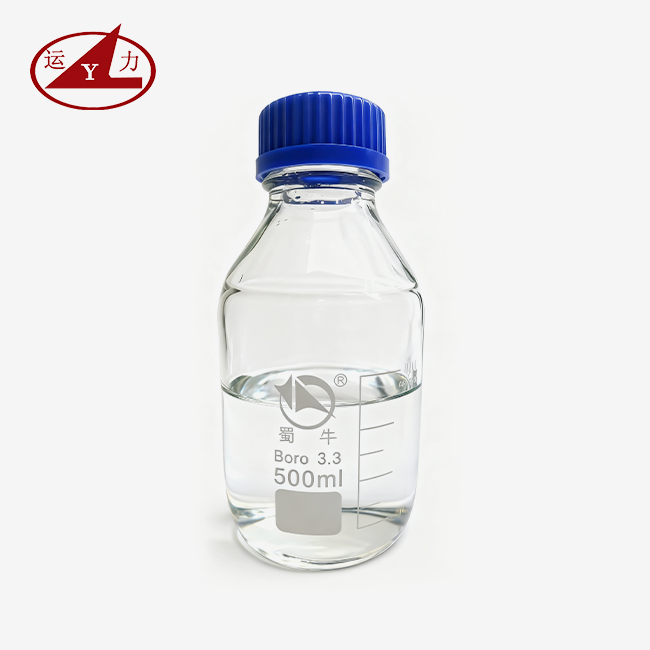
When picking a corrosion inhibitor for infrastructure projects, you should consider about the chemical properties, the performance demands, and how reliable the supplier is. Calcium Nitrite 30% Solution is one of the finest things you can do to keep reinforced concrete structures from corroding. This in-depth guide talks about the most essential things to think about when picking a product, its benefits, and how to purchase it. It helps engineering teams and purchasing managers make informed choices that will keep buildings robust over time and save money and time on projects.

Understanding Calcium Nitrite 30% Solution: Properties and Benefits
Calcium nitrite, which has a molecular weight of 132 and the formula Ca(NO₂)₂, is a difficult approach to keep concrete from breaking down. This chemical compound with the CAS number 13780-06-8 is a very good corrosion inhibitor when it is mixed with water.
Chemical Properties and Mechanism
A 30% solution concentration is the optimum compromise between how well it works and how easy it is to use. When you combine calcium nitrite with concrete, it penetrates through the cement matrix and produces a passivation layer that protects the steel reinforcing surfaces. This electrochemical method inhibits corrosion before it begins by keeping the area around the steel alkaline. This prevents oxygen and chloride ions from reaching to the steel.
Performance Advantages Over Alternatives
Calcium nitrite works better than sodium nitrite or calcium nitrate alternatives. The calcium ion part of the concrete helps it become stronger by making the cement hydrate better. But the nitrite anion is different from other chemical inhibitors in that it stops corrosion without the possibility of chloride contamination.
Infrastructure projects that use calcium nitrite solution frequently have stronger structures, last longer, and require less upkeep. Engineering and construction companies may save money over the long term and get a better return on their investments because of these advantages.
Essential Criteria for Selecting Calcium Nitrite for Infrastructure Projects
Successful Calcium Nitrite 30% Solution selection depends on evaluating multiple technical and logistical factors that impact project outcomes. When procurement teams know these criteria, they may make smart choices that fit the needs of the project.
Technical Specifications and Quality Parameters
There are rigorous limits on the content of high-quality calcium nitrite solutions, which is usually 30% ± 0.5%. This makes them useful in a lot of different scenarios. The pH should be between 9.0 and 11.0, the specific gravity should be between 1.28 and 1.32 g/cm³, and there should be minimal impurities, such as heavy metals below 10 ppm and chloride levels below 0.1%.
These factors have a direct influence on how well concrete performs and how well it stops rust. Products that satisfy these characteristics are safe to use, follow industry standards, and operate well.
Certification Requirements and Documentation
Material Safety Data Sheets (MSDS), Certificates of Analysis (COA), and ISO certifications are all signs that a supplier cares about quality and obeying the law. These documents include critical information about how to design a project, stay safe, and seek permission from the authorities.
Infrastructure projects may need a lot of documentation to check the quality and get the go-ahead. When suppliers provide all the necessary certification packages, it makes things simpler for engineering teams and speeds up the completion of projects.
Comparing Calcium Nitrite 30% Solution to Market Alternatives
Market research suggests that calcium nitrite is a much better corrosion inhibitor than other goods. This is why it's necessary to compare products to choose the best one.
Performance Testing Results
Tests in the lab demonstrate that calcium nitrite is a great technique to inhibit corrosion in many different types of concrete mixtures and weather situations. Tests done by people outside of the company show that corrosion rates are 75% lower than they would be with untreated concrete, and the protection lasts for decades of normal usage.
Data from infrastructure projects in the field supports what was observed in the lab: structures that have been treated with calcium nitrite show no symptoms of corrosion damage after more than 20 years of operation. This empirical study validates the economic justification for the use of calcium nitrite in essential infrastructure applications.
Economic Value Assessment
Calcium Nitrite 30% Solution is a great value since it lasts longer and requires less maintenance, even if the initial cost may be more than that of simpler options. Economic modeling says that the return on investment will be three to five times higher since maintenance expenses are lower and the structure will last longer.
Calcium nitrite solutions are the best choice for infrastructure owners who want to lower their long-term maintenance costs more than their original capital costs. This is because projects who use them report significant savings in long-term maintenance costs.
Best Practices for Application and Storage in Infrastructure Projects
While maintaining worker safety and environmental compliance over the course of the project, proper handling and application procedures optimize the efficacy of calcium nitrite.
Application Guidelines and Mixing Protocols
You need to know how much calcium nitrite to use based on how much concrete you have, how much chloride it will be exposed to, and how long you want the protection to endure. For every cubic meter of concrete, the usual dose is between 10 and 30 liters. However, the exact quantity required varies on the weather and the structure's design.
The liquid solution keeps the concentration the same while mixing and saves money on labor by not needing to dissolve on-site. This comfort element makes the field much more efficient while yet fulfilling quality control criteria.
Storage and Handling Requirements
To maintain calcium nitrite solutions chemically stable and helpful, you need to be very cautious about how you store them. The temperature in storage should maintain between 5 and 35°C, and the containers should be sealed to keep out contaminants and evaporation. Safety guidelines and the necessary instruments for handling the product keep it safe and safeguard workers.
Full MSDS information shows how to handle things safely and how to respond in an emergency. Project teams may follow safety regulations at work and make sure that both people and products are safe by learning these guidelines.
Trusted Procurement: Choosing the Right Supplier and Ensuring Quality
Supplier selection has a big effect on project success because of product quality, delivery dependability, and technical support availability. This is particularly true when it comes to getting Calcium Nitrite 30% Solution. To choose the best providers, you need to carefully look at their skills and past work.
Supplier Evaluation Criteria
Reputable calcium nitrite suppliers have a long history of assisting infrastructure projects, a lot of experience in manufacturing, and a lot of quality certificates. XiaXian Yunli Chemical is a great example of a company that has all of these qualities. They have been in business for more than 18 years and serve more than 1,000 enterprises throughout the globe while keeping ISO 9001, ISO 14001, and OHSAS certifications.
The fact that the firm is a "Shanxi Provincial Enterprise Technology Center" shows how advanced its research and development and quality control processes are. These credentials ensure that the supply chain will work well and the quality of the products will stay the same, which is what large-scale infrastructure projects require.
Quality Assurance and Supply Chain Reliability
Yunli Chemical has a lot of quality control instruments, such as ICP-MS and atomic absorption spectrometers, that help them make sure that their products are of high quality and come up with new formulas. This technology infrastructure can handle both regular product delivery and the special demands of demanding applications.
The company's direct manufacturing model cuts out intermediaries markups and makes sure that the supply chain is clear and that quality is controlled. Yunli Chemical is financially stable and has the production capacity to support long-term partnerships. Its annual sales are above RMB 1 billion, and its fixed assets are around RMB 300 million.
Conclusion
When using calcium nitrite for infrastructure projects, you need to find a balance between technical performance, quality assurance, and supplier dependability to get the best results. The Calcium Nitrite 30% Solution concentration protects against corrosion and is useful for construction teams in many ways. Successful selection depends on looking at chemical factors, certification requirements, and supplier skills in order to offer long-term structural protection and complete the project on time and under budget. By following the advice in this comprehensive manual, procurement managers and engineers may make smart decisions that lower the costs of long-term use and make infrastructure last longer.
FAQ
Q1: What is the optimal concentration of calcium nitrite for concrete applications?
A: The industry standard for infrastructure applications is a 30% solution concentration, which offers the best balance between practical application requirements and corrosion prevention efficacy. This concentration maintains compatibility with concrete mixing equipment and techniques while guaranteeing sufficient nitrite availability for steel passivation.
Q2: How does calcium nitrite compare to sodium nitrite for corrosion inhibition?
A: Due to its lower alkali concentration and improved cement compatibility, calcium nitrite performs better than sodium nitrite. Concrete is the material of choice for critical infrastructure applications that need long-term durability because the calcium component helps to enhance the concrete's strength while the nitrite component offers strong corrosion prevention.
Q3: What storage precautions are essential for calcium nitrite solutions?
A: Proper storage necessitates sealed containers to avoid evaporation, protection from freezing temperatures, and temperature regulation between 5 and 35°C. While thorough safety standards safeguard workers throughout handling and application processes, regular inventory turnover guarantees product freshness.
Partner with Yunli Chemical for Premium Calcium Nitrite Solutions
For infrastructure procurement managers looking for dependable supplier relationships for calcium nitrite, Yunli Chemical provides outstanding value. Our proven ability to provide premium-quality Calcium Nitrite 30% Solution for demanding infrastructure applications is shown by our 18 years of production experience and service to more than 1,000 international businesses. Large-scale projects need reliable supply chains, various packaging choices, and thorough technical assistance, all of which we provide.
Ready to enhance your infrastructure projects with premium corrosion protection? Contact our technical team to discuss your specific requirements and request complimentary samples up to 500 grams. Our experts provide detailed consultations on application protocols, dosing calculations, and project-specific recommendations. Contact ut at wangjuan202301@outlook.com to explore our comprehensive product portfolio and discover why leading engineering firms choose Yunli Chemical for critical infrastructure protection needs.
References
1. American Concrete Institute. "Guide to Durable Concrete - ACI 201.2R." ACI Committee Reports, 2016.
2. Berke, Neal S., and Michael C. Hicks. "Predicting Chloride Profiles in Concrete." Corrosion Science and Engineering, 2004.
3. Concrete Reinforcing Steel Institute. "Corrosion and Corrosion Protection of Reinforced Concrete." CRSI Technical Bulletin, 2018.
4. International Concrete Repair Institute. "Guide for Selecting and Specifying Materials for Repair of Concrete Surfaces." ICRI Guideline No. 03732, 2019.
5. National Association of Corrosion Engineers. "Corrosion Inhibitors for Steel in Concrete." NACE International Publication, 2017.
6. Portland Cement Association. "Concrete Durability and Corrosion Inhibition Systems." PCA Research and Development Bulletin, 2020.