


How to Select High Purity Chromium Chloride Hexahydrate
Selecting high-purity Chromium Chloride Hexahydrate (CrCl3·6H2O, CAS 10060-12-5) hinges on three foundational criteria: verifying purity levels exceed 99% through certified analysis reports, confirming impurity thresholds meet your application needs (particularly iron content below 30ppm for catalyst work), and partnering with suppliers holding ISO 9001 and environmental certifications that guarantee batch consistency. Procurement teams should prioritize suppliers offering complete technical documentation, including Certificates of Analysis (COA) and Material Safety Data Sheets (MSDS), while evaluating their capacity for stable long-term supply and responsive technical support to mitigate risks in mission-critical applications.
Introduction
Chromium Chloride Hexahydrate is an important chemical product used in many different industries, ranging from electroplating and tanning leather to making drugs and advanced catalysts. The compound's dark green solid structure and high solubility in water and ethanol make it a popular source of trivalent chromium. This is especially true as businesses move away from dangerous hexavalent chromium compounds to meet RoHS and REACH regulations.
More and more pressure is being put on global B2B procurement workers, such as purchasing managers, supply chain leaders, technical experts, and chemical distributors, to find products that meet quality standards and environmental goals. A single batch inconsistency can stop production lines, make products less safe, or lead to expensive fines for not following the rules. This guide tackles these problems head-on by giving useful information on how to evaluate suppliers, check their quality, and make purchases that work for large-scale operations and regular buying cycles.
Understanding Chromium Chloride Hexahydrate and Its Core Properties
Chemical Composition and Molecular Characteristics
The molecular formula CrCl3·6H2O describes a coordination complex. Chromium Chloride Hexahydrate is in the middle, and chloride ions and water molecules are all around it. This hexahydrate form is different from anhydrous forms because it has six coordinated water molecules, giving it a molecular weight of 266.45 g/mol.
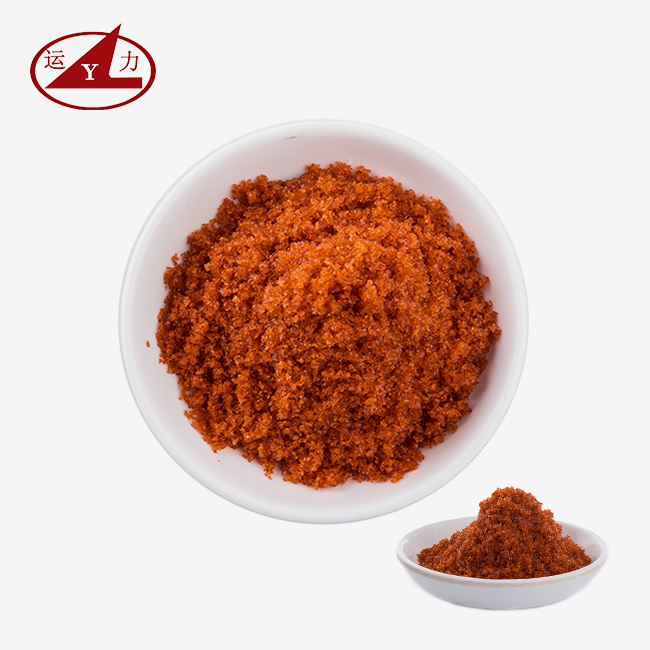
The combination usually shows up as dark green monoclinic crystals, but the color can change to violet because of hydrate isomerism, which is a difference in structure that affects how it reacts. Most industrial-grade materials have the trans-[CrCl2(H2O)4]Cl·2H2O isomer, which is valued for its fast breakdown rates, which are necessary in manufacturing processes that need to be done quickly.
Physical and Performance Attributes
Chromium Chloride Hexahydrate has a relative density of 2.76 and melts between 86°C and 90°C. These temperatures and densities affect how it should be handled and stored. The compound dissolves well in water and ethanol, but not so well in acetone. It does not dissolve at all in ether. Aqueous solutions are acidic, with pH values usually between 2.0 and 3.0. This is something that procurement teams need to think about when they are figuring out if a new chemical will work with an existing one.
Because the material is hygroscopic, which means it absorbs water from the air, strict packaging rules must be followed. When crystals are exposed to damp conditions, they liquefy and lose weight, which makes it harder to do accurate dosing calculations that are needed for making catalysts and keeping the electroplating bath in good shape.
Critical Impurity Considerations
Trace elements must be strictly controlled for high-purity grades. If there is more than 30ppm of iron in plating baths, it causes cloudiness and coloring, which lowers the efficiency of the cathode and makes surface flaws. Impurities of sulfate reduce the bright plating range and mess up the flow of electricity in electrolytic cells. Matter that doesn't dissolve in water that is more than 0.01% causes hardness or pitting on metal surfaces. Advanced providers use inductively coupled plasma mass spectrometry (ICP-MS) and atomic absorption spectroscopy to make sure that quality standards are met. This keeps heavy metals like lead and arsenic below 2ppm for pharmaceutical-grade uses.
Comparing Chromium Chloride Hexahydrate with Other Chromium Chloride Forms
Structural Variations and Performance Trade-offs
Anhydrous chromium chloride is a violet crystal that doesn't dissolve easily in water. Its kinetic inertness makes it less useful in water-based processes. The chemical can only dissolve at high temperatures or in acidic conditions, so it can't be used in processes that depend on temperature. The dihydrate and pentahydrate forms are in the middle because they offer partial hydration that strikes a good balance between stability and responsiveness. However, they are not widely used in industry like the hexahydrate form is.
The Chromium Chloride Hexahydrate form is the most common because it has the best balance of stability during transport and storage and immediate reactivity upon dissolution. When electroplating, hexahydrate-based electrolytes have better throwing power than systems based on less hydrated forms. This means they can put uniform coatings on complex shapes better. Catalyst makers like hexahydrate sources because they can control the rate of hydrolysis during the manufacturing steps, which stops precipitation before it happens and makes sure that the chromium is spread out evenly in the catalyst matrices.
Application-Specific Selection Criteria
In textile dyeing, hexahydrate is useful because it acts as a mordant, which means it makes strong bonds between dye molecules and protein fibers like nylon and wool. The exact hydration state allows for controlled release of chromium ions that ensure consistent colorfastness, which is a must for high-end textiles that have to pass strict wash tests. Ceramic glaze makers also depend on hexahydrate to provide uniform color development. Dehydrated types bring variation by releasing chromium in different ways during high-temperature firing processes.
Essential Criteria for Selecting High Purity Chromium Chloride Hexahydrate
Certification and Proof of Compliance
Reliable providers keep their ISO 9001 quality management certifications up to date, which shows that they have systematic process controls, regular internal checks, and frameworks for ongoing growth. ISO 14001 environmental certifications show that wastewater treatment and closed-loop recycling systems are stable and have minimal effect on the environment. This is especially important because chromium is controlled. Legal market entry across the European Union is ensured by REACH pre-registration and compliance paperwork. OHSAS occupational health certifications show safety measures for workers that lead to operational discipline.
Supplier Reputation and Manufacturing Maturity
Established producers with decades of experience show supply chain resilience that younger companies don't have. Companies that make more than RMB 1 billion in sales every year and have fixed assets worth RMB 300 million are financially stable. This protects them from changes in the prices of raw materials and lets them keep their goods on hand in case of supply problems. Being named a provincial or national technology center means that a lot of money is being spent on research and development. These centers have labs that can do spectral analysis and custom chemistry that goes beyond making basic products.

Quality Assurance and Batch Consistency
Variability from batch to batch is a major risk factor. Leading makers use statistical process control to keep an eye on key factors during each production run. Ask for past COA data that covers more than one month to see if the amounts of iron, chromium, and pH have stayed the same. When suppliers offer 4N-grade materials (99.99% pure), they show analytical skills and process improvement that lead to better control even in standard 99% pure Chromium Chloride Hexahydrate products. When modern instruments like ICP-MS systems are present, it means that they can identify small amounts of contamination, which stops problems before they are shipped.
Procurement Best Practices for Bulk Purchasing of Chromium Chloride Hexahydrate
Strategic Pricing and Contract Structures
Volume-based pricing usually starts at certain tonnage levels, with discounts going from 5% for 10-ton commitments to 12–15% for annual contracts over 100 tons for Chromium Chloride Hexahydrate. Long-term contracts that last between 12 and 36 months lock in prices that protect against changes in the chrome ore market and make sure that certain areas get priority during times when supplies are low. Talk about rebate structures that are based on the total amount of purchases made over the course of a year. This will create financial benefits that reward loyalty without needing earlier promises beyond quarterly minimums.
Payment terms have a big effect on how well working capital is used. Standard 30-day net terms give you a lot of freedom, but suppliers may extend terms to 60–90 days for long-term customers who have paid on time in the past. Letters of credit protect foreign deals and show that a business is financially stable, which can lead to better prices. Some makers will give small savings if you pay in advance, but procurement teams should think about whether the costs of lost capital opportunities are worth it.
Packaging, Logistics, and Storage Protocols
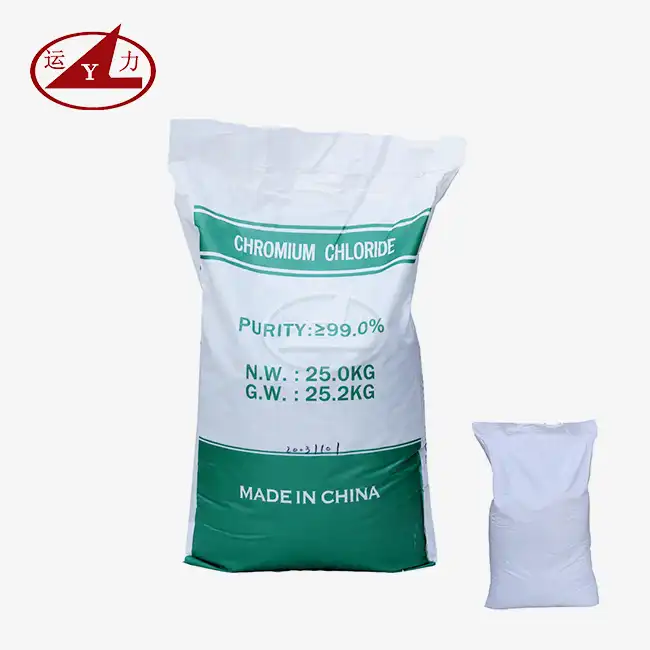
Standard packing in 25 kg moisture-resistant bags works well for small to medium-sized businesses. For high-volume buyers, IBC barrels (which can hold up to 1,000 kg) and bulk liquid forms make dealing more efficient. Customized packaging with nitrogen purging keeps moisture from getting in during long storage times. Make sure the materials used for packaging meet UN standards for transporting dangerous goods and are properly labeled with CAS numbers, hazard pictograms, and information on what to do in an emergency.
Transportation needs climate-controlled conditions that keep temperatures from going too high or too low and causing freezing or buildup of water. Warehouse storage needs to be dry (relative humidity must be less than 50%), the temperature must be between 15 and 25°C, and materials that don't go together, like strong oxidizers and alkalis, must be kept separate. Proper inventory movement based on first-in, first-out rules stops deterioration caused by aging, since storing something for more than 12 months can introduce hydrolysis leftovers that hurt performance.
Sample Testing and Pilot Programs
Before you commit to buying several tons, ask for 500-gram samples that are made from real production material, not specially made standards. Follow internal testing procedures that are specific to your application. For example, test electroplating to see how uniform and adherent the deposit is, test synthesis groups to see how active and selective they are, or test dyeing to see how consistent and long-lasting the color is. Systematically write down the results and compare samples from different suppliers that were all taken in the same way to get rid of any variables. Scaling up pilot programs from the bench to production levels shows compatibility problems that weren't seen in lab tests. These problems are mostly related to making sure that equipment works with each other and optimizing process parameters.
How Yunli Chemical Supports Your Chromium Chloride Hexahydrate Procurement Needs
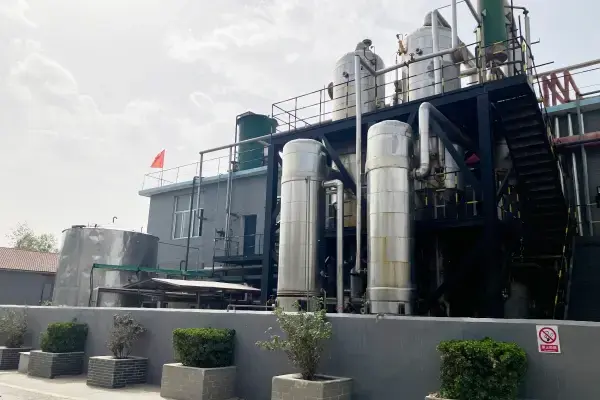
Yunli Chemical brings 20 years of experience in making specialized products to the global Chromium Chloride Hexahydrate market. The company was founded in 2005 in Shanxi Province and has grown into an RMB 1 billion business with RMB 300 million in fixed assets. Its stable finances ensure a steady supply even when the market is unstable. In 2019, it was named a Shanxi Provincial Enterprise Technology Center. This shows that the center has kept investing in its research skills. Its labs have ICP-MS and atomic absorption spectrometers that check that the specifications for ultra-low impurity are met.
The Chromium Chloride Hexahydrate that the company makes is 99.5% pure, and the iron amount is kept to 30ppm or less than 10ppm for catalyst-grade needs. Customization includes changing the pH from 4.0 to 6.5, choosing between powder and crystalline forms, and making sure the chloride level is just right for the chemistry of the application. Eco-friendly production uses closed-loop wastewater disposal systems that were created after 20 years of experience managing the environment. These systems meet the strict compliance needs of the pharmaceutical, electronics, and high-end manufacturing industries.
Through factory-direct delivery, which gets rid of distributor markups, procurement freedom can meet the needs of a wide range of customers. The company doesn't have a minimum order size and offers free samples of up to 500 grams, so you can try it out before you commit. Custom packing and marking services are flexible enough to meet the needs of both brands and local regulations.
There are aqueous solutions with certain concentrations that can be used instead of dilution steps and the contamination risks that come with them. Yunli Chemical offers dependable international logistics backed by complete documentation packages that include COAs, MSDSs, and regulatory compliance certificates. They have their own export operations and have worked with large multinational clients before.

Conclusion
To choose high-purity Chromium Chloride Hexahydrate, you need to carefully check the credentials of the suppliers, make sure that the material meets your needs, and plan your purchases in a way that balances saving money with making sure you have enough supplies. Making good buying decisions depends on working with manufacturers who show they know their stuff, care about the environment, and are operationally mature.
The high costs of replacing qualified chemical suppliers can be cut down by giving preference to suppliers who offer clear paperwork, flexible customization, and quick expert support. As industries around the world move toward safer trivalent chromium chemistry, procurement teams need to find reliable sources of high-purity hexahydrate to meet rising quality standards while keeping operational costs low.
FAQ
What purity level is recommended for electroplating applications?
To keep the bath clean and the surface from having flaws, electroplating processes usually need at least 99% purity and an iron level below 30ppm. Decorative chrome uses may be able to handle a little more impurity, but 99.5% grades are best for hard chrome plating on car parts because they keep the deposit qualities the same over long production runs.
How should chromium chloride hexahydrate be stored to maintain quality?
Keep Chromium Chloride Hexahydrate in containers that are tightly sealed and won't let water in. Keep them in climate-controlled spaces that stay between 15°C and 25°C and have a relative humidity of less than 50%. Separate from bases and oxidizing agents. Use first-in, first-out rotation and don't store things for more than 12 months. Checking for clumps or color changes on a regular basis is a sign of moisture exposure that needs to be fixed right away.
Can suppliers provide custom concentrations or forms?
Well-known companies offer customization options such as aqueous solutions with specific concentrations, pH changes, and different shapes for powder and crystal forms. Custom boxes and containers that have been cleaned with nitrogen meet specific handling needs. Talk to expert sales teams directly about your unique needs. They can figure out if the product is possible and give you prices for custom formulations.
Partner with Yunli Chemical for Reliable Chromium Chloride Hexahydrate Supply
Yunli Chemical is ready to help you buy Chromium Chloride Hexahydrate. They have been perfecting their production methods for 20 years while working with businesses around the world. As a well-known supplier with credentials from a provincial technology center and full ISO certifications, we provide the consistent quality and supply reliability that businesses need. Our ultra-low impurity formulations meet standards for pharmaceuticals, catalysts, and electroplating, and our eco-friendly production fits with your goals for sustainability.
You can email our technical team at wangjuan202301@outlook.com to get free samples, talk about unique requirements, or get full quotes. From the initial evaluation to the long-term relationship, we offer full support, with quick response times and order amounts that can be changed to fit your needs. You can look at our full line of chromium compounds at yunlichemical.com and learn how direct manufacturer partnerships can save you money and make the supply chain safer.
References
1. Cotton, F.A. and Wilkinson, G. (1988). Advanced Inorganic Chemistry: A Comprehensive Text, 5th Edition. New York: John Wiley & Sons.
2. Murphy, J. and Morris, K. (2016). "Trivalent Chromium Electroplating: A Sustainable Alternative to Hexavalent Chromium Processes." Journal of the Electrochemical Society, 163(9), pp. 712-720.
3. House, J.E. (2012). Inorganic Chemistry, 2nd Edition. Amsterdam: Elsevier Academic Press.
4. European Chemicals Agency (2020). Guidance on Requirements for Substances in Articles. Helsinki: ECHA Publications.
5. American Society for Testing and Materials (2019). ASTM E1479-16: Standard Practice for Describing and Specifying Inductively Coupled Plasma Atomic Emission Spectrometers. West Conshohocken: ASTM International.
6. Zhang, L. and Chen, W. (2021). "Quality Control Strategies for High-Purity Chromium Compounds in Industrial Applications." Chemical Engineering & Technology, 44(5), pp. 891-899.