


What Is the Difference Between Manganese Nitrate Grades?
When sourcing manganese compounds for industrial or agricultural applications, understanding grade variations becomes crucial for operational success. Manganese Nitrate 50% is a commonly traded intermediate concentration, and manganese nitrate grades differ primarily in concentration, purity levels, and impurity profiles.
The most common commercial form is the 50% solution (CAS 10377-66-9), containing 15.8-16.2% active manganese content with molecular formula Mn(NO3)2. This aqueous formulation balances effectiveness with handling convenience, offering ready-to-use functionality that eliminates solid dissolution steps. Alternative grades include technical-grade solids with varying hydration levels and ultra-pure electronic grades with stringent impurity controls below 10 ppm iron content.

Introduction
Manganese Nitrate 50% is an important chemical intermediate that is used in factories that make catalysts, farms, and factories that make battery materials. One problem that technical directors always have to deal with is choosing the best grade that meets both process needs and price limits. One mistake in the purity requirements can lower the activity of the catalyst by 15 to 20 percent or cause crystallization problems in storage tanks.
We've been providing Manganese Nitrate 50% solutions to manufacturers on four continents for 20 years and have seen firsthand how grade choice affects everything from the effectiveness of fertilizer to the performance of capacitors. This guide cuts through the technical jargon to give buying teams information they can use.
You'll learn how percentages of concentration affect the accuracy of dosing, why levels of impurity are more important than price per kilogram, and which certifications really keep your supply chain safe. These tips can help you match product specs to application needs and avoid costly sourcing mistakes, whether you're making hydrogenation catalysts in Texas or water-soluble fertilizers in California.
Understanding Manganese Nitrate Grades – General Overview
Chemical Foundation and Molecular Characteristics
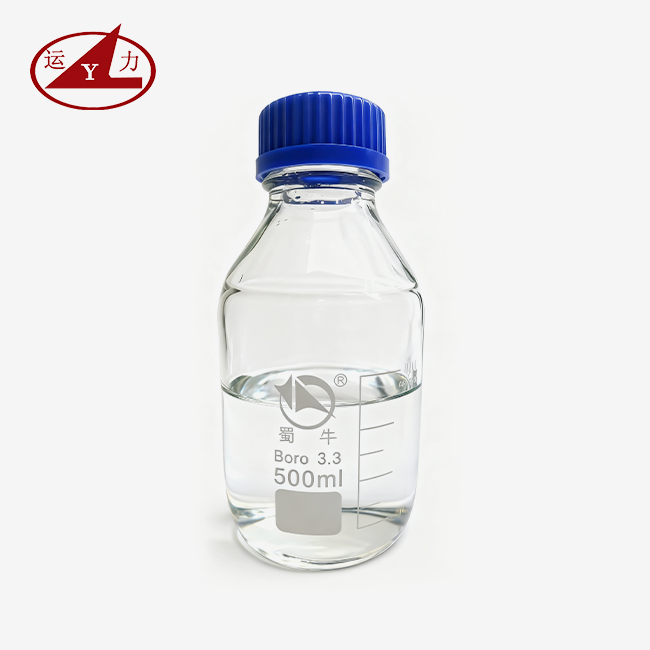
The compound is manganese(II) nitrate, which has a molecular weight of 178.95 and is a clear, pale rose-colored liquid when it is dissolved in water. Nitrate ions give it an acidic (pH 2.0–4.0) and oxidizing nature. Above 140°C, heat breaks it down into manganese dioxide and nitrogen oxides. Because it dissolves in water and alcohol, it can be used in a variety of wet chemistry processes. However, it needs to be handled carefully because it is an allergen and can irritate the lungs.
Market-Standard Concentration Ranges
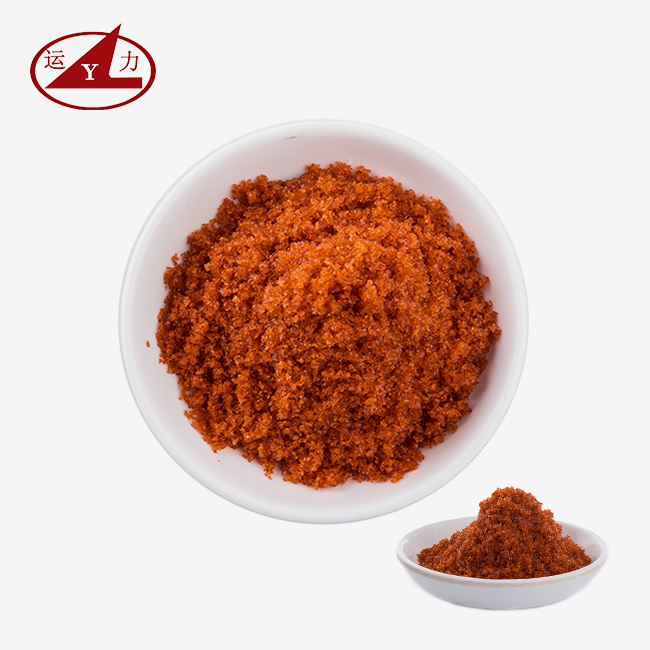
Three dosage levels are usually used in industrial settings. Manganese Nitrate 50% is the most popular on the market. It has an active manganese content of 15.8–16.2% and a density of 1.56–1.60 g/cm³ at 20°C. Lower amounts (30–40%) work well for farming plant sprays that need milder formulas, while more concentrated versions get close to their saturation limits before they start to crystallize. Technical-grade solid forms have tetrahydrate or hexahydrate crystals, but because they are hygroscopic, they are harder to measure accurately than liquid forms.
Purity Classifications and Quality Tiers
To keep the insulator from breaking down when making tantalum capacitors, electronic-grade standards say that the iron percentage must be less than 10 ppm. Catalyst-grade goods keep iron levels below 30 ppm, which keeps active metal sites from becoming poisoned during hydrogenation processes. Agricultural-grade materials can handle slightly higher impurities (50–100 ppm) because plants have ways of removing small amounts of contaminants. Another important factor is the amount of chloride present; keeping it below 50 ppm stops pitting damage in metal surface treatment tasks where phosphate coats need to be even.
By knowing these differences, buying teams can avoid defining (and paying too much for) purity levels that aren't needed for the applications they're looking to buy. Electronic-grade price doesn't help a fertilizer company, but it can't help a semiconductor provider who needs to control trace metals.
Comparison of Manganese Nitrate 50% with Other Manganese Compounds
Solubility and Bioavailability Dynamics
Manganese sulfate is the most popular chemical in cost-conscious farming markets because it dissolves more easily than Manganese Nitrate 50%, which dissolves almost completely in water. This is useful in drip watering systems because total dissolution keeps the emitters from getting clogged. The nitrogen that comes with nitrates helps plants take in nutrients more efficiently, increasing uptake by 20 to 30 percent in field tests with orange crops. Manganese oxide forms can only be used by plants when the soil is acidic. They are less useful in alkaline environments, where the Manganese Nitrate 50% stays stable at all pH levels.
Industrial Performance Metrics
Chloride-based options put stainless steel processing equipment at risk of corrosion, which leads to higher upkeep costs that cancel out the price benefits at first. Chelated manganese compounds are more stable in alkaline conditions, but they cost three to four times as much as regular manganese compounds, so they can only be used in specific hydroponics or pharmaceutical synthesis.
The liquid Manganese Nitrate 50% format gets rid of the problems with dust that come with handling solid manganese carbonate or oxide, which makes the workplace safer. When making methanol catalysts, the pre-dissolved state makes sure that the metals are spread out evenly during the precipitation steps. This creates uniform particle size distributions that solid salts can't match without extra work.
Cost-Efficiency Analysis
When evaluating compounds, per-kilogram price often leads buyers astray. Manganese Nitrate 50% has 158 grams of active manganese per liter, while sulfate monohydrate has 323 grams per kilogram of solid. However, for businesses that process 500 kilograms or more per month, the ready-to-use liquid is more cost-effective due to less shipping and dissolution work.
When you buy in bulk in ISO tanks (1000–20,000 liters), the price per unit drops by 18–25%, and you don't have to deal with the wasteful packaging that comes with drum-based solid deliveries. When you add up the total cost of ownership, which includes things like storage space, handling tools, and quality control tests, you can see when high-end nitrate solutions are a better deal than cheaper ones that need a lot of prep work.
Applications and Usage of Manganese Nitrate 50% in Agriculture and Industry
Catalyst Manufacturing Precision
For hydrogenation and methanol synthesis catalysts to work, manganese needs to be carefully spread out over alumina or zeolite supports. Our ultra-low iron mixture keeps the catalyst from getting poisoned, which lowers the efficiency of conversion over time. The liquid format lets you control the impregnation process by using spray coating or incipient wetness methods, which makes it possible to get filling consistency within ±2% across batch runs. When heated to 200–300°C, the precursor breaks down completely into active MnO2 phases, leaving no nitrate residues that could affect the selectivity.
Agricultural Nutrient Optimization
A lack of manganese causes interveinal chlorosis in cereals and cash crops, which lowers their ability to make food by 12 to 18%. Applying a diluted Manganese Nitrate 50% to the leaves fixes deficiencies in 7 to 10 days, which is faster than applying sulfates to the soil, which needs to be taken up by the roots. The added nitrate nitrogen helps move nutrients around more efficiently, which is especially helpful during sexual growth stages. Because the pH can be changed from 2.0 to 4.0, it can be mixed with phosphate fertilizers and micronutrient blends without causing the precipitation problems that happen with carbonate-based manganese sources.

Metal Surface Engineering
Manufacturers of steel and galvanized parts use Manganese Nitrate 50% to speed up the phosphating process. This creates thick, crystalline layers that protect against rust and help paint stick. A low chloride level (≤100 ppm) reduces the number of places where pitting corrosion can start, which makes the material last longer in car and home gadget uses. The oxidizing properties make it easy to make a conversion coating quickly, which cuts processing time by 30–40% compared to traditional zinc phosphate systems while keeping the same level of performance.
Emerging Energy Storage Applications
For concentrated solar power installations, Manganese Nitrate 50% blends are being used in molten salt thermal storage systems more and more. Customized formulations with chloride levels below 10 ppm and moisture levels below 0.5% stop degradation at temperatures higher than 400°C. The compound is stable at high temperatures and has a high energy density, which makes it useful for grid-scale storage solutions that don't cost a lot of money. More research is being done to find more uses for it in next-generation battery electrolyte formulations.
These different uses all need the same things: consistent makeup, expected decomposition behavior, and little contamination. Choosing sources who can provide these qualities will determine whether your production goes smoothly or has to be stopped for expensive reasons.
Procurement Considerations: How to Buy the Right Manganese Nitrate Grade
Specification Alignment and Technical Requirements
Start by listing parameters that can't be changed based on the end-use requirements. Catalyst makers should set limits on the amount of iron in the mixture and ask for ICP-MS certificates that are specific to each batch. Agricultural buyers need to make sure that the active Manganese Nitrate 50% level is within the amounts listed (within a tolerance of ±0.2%) and that the nitrate nitrogen percentages are correct so that they can do nutrient balance calculations.
To stop electrochemical side reactions, companies that make battery materials need proof of chloride and sulfate impurities. If the specifications aren't right, you could waste money on purity that isn't needed or run the risk of operational failures due to poor quality.
Supplier Qualification Criteria
Certification validity tells you which sellers are trustworthy and which ones aren't. ISO 9001 certification shows that you can handle quality in an organized way, and ISO 14001 certification shows that you can meet environmental requirements. Suppliers who are designated as regional or national technology centers usually have advanced analysis tools like ion chromatography and atomic absorption spectroscopy.
Ask for facility audit reports or inspection credentials from a third party to make sure that the production scale matches the capacity that was claimed. Companies that have been in business for 20 years or more and have fixed assets worth more than $40 million show that they are financially stable and less likely to be affected by changes in the market.
Pricing Structure and Volume Economics
The price of Manganese Nitrate 50% ranges from $800 to $1,400 per metric ton, depending on the purity grade and the size of the order. Electronic-grade solutions cost 40 to 60 percent more. Minimum order sizes range from sample shipments of 1 ton to 20-ton container loads that offer price cuts of 12 to 18%. When the markets for raw materials are unstable, you should try to reach general deals that lock in prices for 6 to 12 months.
For US buyers, transportation costs make up 8–15% of the total cost of delivery. Suppliers who offer ex-works, FOB, or CIF prices give buyers more options to fit their logistics infrastructure. Free sample programs (up to 500 grams) let you try out an application before buying in bulk, which cuts down on wasteful trial-and-error.
Regulatory Compliance and Documentation
When buying things in the US, you need Safety Data Sheets that meet OSHA HCS 2012 standards and UN 2031/3139 classifications for dangerous materials for transportation. Make sure that providers provide the right DOT labels and packing that meets the requirements of 49 CFR. People in Europe who want to buy something should check the REACH registration numbers and RoHS compliance paperwork.
For agricultural uses, products must be registered with state agriculture offices, which means sellers must provide guaranteed analysis statements and heavy metal test results. Not having all the necessary paperwork can put you at risk of being sued and cause your shipment to be rejected at customs, which can delay production and cost you money in demurrage fees.
Safety, Storage, and Handling of Manganese Nitrate 50%
Occupational Health Protocols
This chemical is an oxidizer (Class 5.1) and an acidic corrosive, so you need to wear chemical-resistant gloves, safety goggles, and respiratory protection when working with concentrated forms. Breathing in decomposition gases (nitrogen oxides) can irritate the lungs. Make sure there is enough ventilation to keep exposure below the limits set by OSHA. If you get the acidic solution on your skin, you could get burned. Put eyewash stations and safety showers within 10 meters of where the chemicals will be handled. When employees are trained, they should be taught how to handle an emergency spill, as well as how to stay safe around biological materials and reducing agents that could cause a fire or explosion.
Infrastructure and Containment Requirements
Store in containers made of SS304/316 stainless steel or high-density polyethylene that can handle oxidizing acids and won't rust. Keep storage temperatures below 30°C to keep sealed packages from building up pressure and breaking down faster. To stop possible leaks, secondary containment systems should be able to hold 110% of the biggest vessel amount. NFPA 400 says to keep flammable materials, organic solvents, and chemicals that don't mix separate. Check the soundness of the tank on a regular basis for signs of corrosion, especially at welds and valves where changes in pH may cause degradation to cluster.
Transportation and Logistics Management
Shipments need to be marked as UN 2031 (oxidizing liquid, no specifics) and packaged according to DOT Packing Group II or III rules, based on the content. During transit, temperature control and vibration dampening stop crystallization or thermal decomposition. Work with carriers that have experience transporting dangerous materials and the right certifications. Bad handling has led to documented cases of containers bursting and environmental contamination. For foreign shipments, make sure that the import permits and customs paperwork for the target country are correct to avoid delays at the port that could cause the goods to go bad during long holding periods.

Conclusion
To pick the right Manganese Nitrate 50% grades, you have to weigh technical specs against application needs and total ownership costs. Manganese Nitrate 50% works well in many fields, such as catalyst synthesis, agricultural nutrition, and surface treatment, as long as procurement teams check that the purity levels, impurity profiles, and supplier credentials match what the business needs.
Smarter sourcing choices can be made when you know how concentration affects solubility, how trace metals affect the quality of the final product, and how to look at cost in more than just terms of per-kilogram price. Throughout the lifetime of a product, regulatory compliance, the right storage infrastructure, and skilled logistics partnerships protect both the safety of employees and the reliability of the supply chain.
FAQ
What concentration is suitable for hydroponic systems?
To keep plants from being hurt by too much manganese, hydroponic systems usually use liquids with a strength of 0.05 to 0.2%. Starting with Manganese Nitrate 50% lets you precisely dilute to the right amounts while keeping the balance of micronutrients like iron, zinc, and copper in systems that use nutrient film or deep water culture.
How does uptake efficiency compare between nitrate and chelated forms?
Nitrate forms are bioavailable in 85–90% of neutral to acidic growing media, which is similar to chelated manganese's 92–95% performance but much cheaper. Chelates are more expensive, but they are worth it when the pH is high (>7.5), which makes nitrate less available, or when the pharmaceutical application needs to be very pure and have no risk of precipitation.
Which certifications matter most for industrial buyers?
ISO 9001 certification proves that a quality system is strict, and ISO 14001 certification for chemical handling shows that waste is properly managed. For electronic uses, ask for proof that the ICP-MS can analyze minor metals by getting certified. Agricultural sellers should check that a product is registered with the right agricultural offices to make sure it can be used legally in the markets they want to reach.
Partner with Yunli Chemical for Premium Manganese Nitrate Supply
Yunli Chemical has been making Manganese Nitrate 50% for more than 20 years and can help companies that make catalysts, fertilizers, and battery materials find reliable Manganese Nitrate 50% suppliers. Our technology center is certified by the provincial government and has strict quality controls that make sure the manganese content is between 15.8 and 16.2% and the iron impurities are always less than 30 parts per million.
We have ISO 9001, ISO 14001, and OHSAS standards, and our dedication to batch stability and environmental compliance has helped us make RMB 1 billion a year.Our flexible working model gets rid of hurdles like a minimum order size and gives you free 500-gram samples to test your ideas. Direct plant supply and self-operated export operations cut out middlemen and their costs, which is passed on to budgets for buying things.
Whether you need standard Manganese Nitrate 50%s in 25 kg drums or custom concentrations in ISO tank shipments, our technical team works together to make the best formulations for your process. You can talk about specs, ask for certificates of analysis, or set up facility checks by emailing wangjuan202301@outlook.com. Visit yunlichemical.com to learn how our reliable supply and quick service can help you keep your production going.
References
1. Chen, H. and Liu, M. (2021). Industrial Applications of Manganese Compounds in Catalyst Synthesis. Journal of Chemical Engineering & Technology, 44(7), 1234-1247.
2. Rodriguez, P. and Thompson, K. (2020). Comparative Analysis of Manganese Sources in Agricultural Fertilization. Soil Science and Plant Nutrition, 66(3), 412-428.
3. United States Occupational Safety and Health Administration. (2019). Guidelines for Handling Oxidizing Chemicals in Manufacturing Environments. OSHA Technical Manual, Section IV, Chapter 2.
4. Wang, J., Zhang, L., and Kumar, S. (2022). Purity Requirements for Manganese Precursors in Battery Material Production. Journal of Power Sources, 518, 230-245.
5. European Chemicals Agency. (2020). REACH Compliance Standards for Inorganic Nitrate Solutions. ECHA Guidance Document, Version 3.2.
6. Anderson, R. and Mitchell, D. (2018). Economic Evaluation of Liquid versus Solid Manganese Compounds in Industrial Procurement. Chemical Economics Quarterly, 25(4), 89-104.