


How to Store Ferric Nitrate Solution Safely?
Storing ferric nitrate solution safely requires understanding its oxidizing and corrosive nature. This aqueous solution, commonly used in catalyst manufacturing, water treatment, and metal etching, demands corrosion-resistant containers made from high-density polyethylene (HDPE) or glass. Keep the solution in a cool, well-ventilated area away from organic materials, reducing agents, and direct sunlight. Maintain temperatures between 5°C and 25°C to prevent crystallization or accelerated decomposition. Always label containers clearly, restrict access to trained personnel, and ensure Safety Data Sheets (SDS) are readily available. Proper storage prevents hazardous reactions, preserves product integrity, and ensures workplace safety.

Understanding Ferric Nitrate Solution and Its Storage Challenges
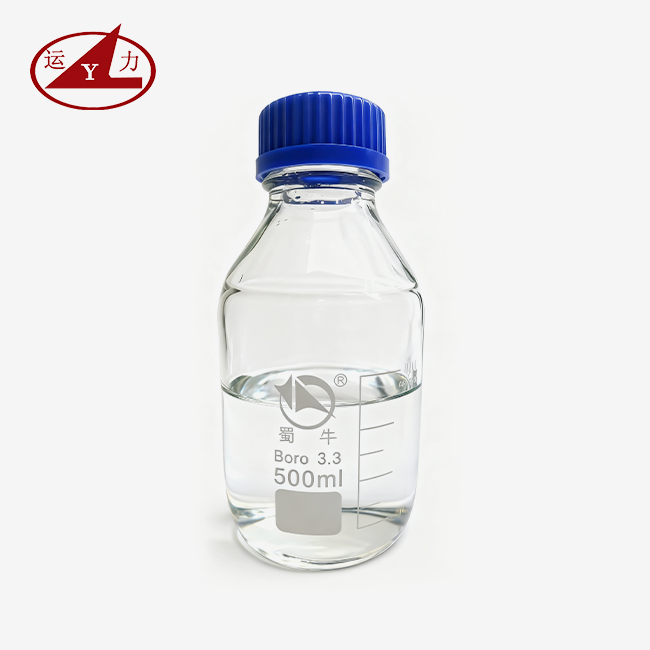
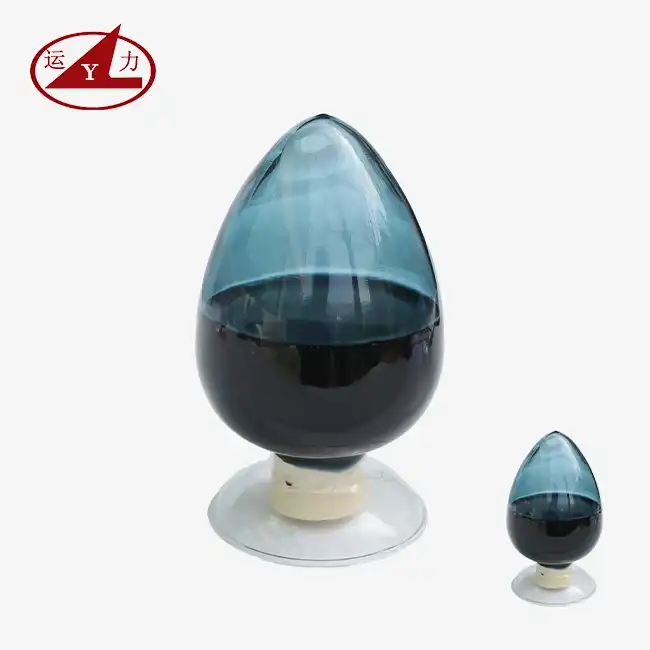
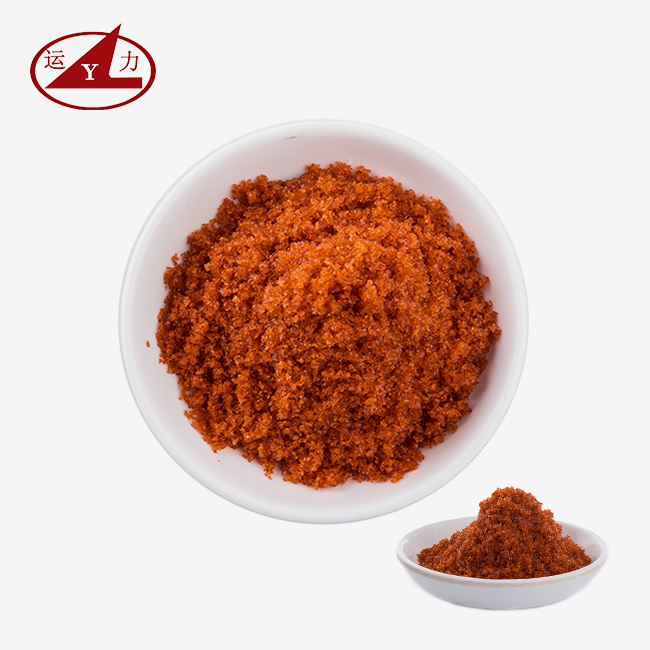
With the chemical formula Fe(NO3)3-9H2O, ferric nitrate nonahydrate (CAS# 7782-61-8), is used to make Ferric Nitrate Solution, a strong oxidizing agent. This reddish-brown to purple liquid is very important in many industrial processes, from making catalysts to cleaning up wastewater. A small amount of free nitric acid keeps the pH level between 3.0 and 3.5, and the solution usually has 40 to 50 percent iron nitrate dissolved in water.
To handle this object safely, you need to know what its basic properties are. The nonahydrate form has a specific mass of 1.68, melts at 47.2℃, and breaks down above 125℃. The solution dissolves easily in water, ethanol, and acetone, which makes it very useful but also makes it likely to deliquefy when it comes in contact with water. Because it is a strong oxidizer, it can cause organic chemicals to burn or even explode when it comes into contact with them.
Why Proper Storage Matters?
The effects of bad keeping go beyond the direct dangers to safety. Chemical degradation happens when Ferric Nitrate Solutions are exposed to changes in temperature or contamination, which causes changes in concentration that stop industrial processes from working properly. Industries that need to know the exact amount of iron in a solution, like those that make catalysts and remove metal, have to deal with production delays and quality control problems when the way the solution is stored makes it less stable. Regulatory groups like OSHA and REACH have set strict rules for how to handle oxidizing chemicals. If you don't follow them, you could face large fines, the closure of your business, or damage to your image.
Storage Challenges Specific to Industrial Applications
When it comes to making catalysts, procurement managers face some unique problems. Because the solution is acidic, it breaks down normal stainless steel equipment over time, so you have to spend money on special equipment. It is important for water treatment plants to find a balance between their storage space and their turnover rates. This is because storing water for too long raises the risk of crystallization in the winter. To keep etching rates and surface finish quality stable, metal etching processes need solutions with consistent concentrations. This makes variations caused by storage a major problem that affects production results and material waste.
Common Mistakes & Risks in Storing Ferric Nitrate Solution
Many facilities make mistakes in storage that could have been avoided, which hurts safety and product quality without them knowing it. One of the most common problems is that the temperature control stops working. Solutions kept in buildings that aren't warm during the winter may crystallize, especially if the concentration is above 45%. This salting-out process jams up transfer pumps and dosing systems, which requires expensive downtime for upkeep and cleaning.
The choice of container is another major security hole. Even though stainless steel may look like a good material for storing chemicals, even grade 316 stainless steel slowly rusts when ferric ions react with nitric acid. We've seen facilities replace corroded tanks 18 to 24 months after they were installed, while HDPE or rubber-lined steel tanks that are properly installed usually last 10 years or more.
Chemical Segregation Failures
Because iron nitrate solutions oxidize, storing them near materials that don't react with them is very dangerous. In the same storage area, reducing agents like sulfides, phosphides, or organic solvents should never be found. A warehouse fire broke out at a factory in the Southeast when leaking Ferric Nitrate Solution came into touch with hydraulic fluid-soaked boxes. The oxidation reaction that followed made enough heat to set nearby flammables on fire, which damaged over $2 million worth of goods and stopped production for six weeks.
Documentation and Labeling Oversights
Regulatory checks often point out that labels aren't clear or that paperwork is missing. Containers must have danger pictograms, UN classification numbers (usually UN 3264 for acidic liquids or similar codes), and instructions on how to get help in an emergency. Facilities that don't have up-to-date SDS documents at storage locations will be fined right away. Not only does missing documentation violate the law, it also puts emergency workers in danger because they need to quickly access chemical properties during spills or fire suppression.
Not storing things properly can cost you more than just the money you lose on products. Liability claims from workers being exposed, costs to clean up contaminated dirt or groundwater, and higher insurance fees add up quickly. A medium-sized water treatment plant found that following the right storage rules cost $45,000 up front but saved them about $380,000 in possible incident-related costs over three years.
Best Practices for Safe Storage of Ferric Nitrate Solution
For strong storage methods to be set up, environmental controls, container specs, and operational processes need to be carefully thought out. Controlling the temperature is what makes a solution stable. Keeping storage areas between 5°C and 25°C stops both crystallization at low temperatures and faster breakdown at high temperatures. The best conditions are in climate-controlled buildings, but for smaller businesses, insulated storage rooms with temperature tracking systems are a cheaper option.
Controlling humidity is just as important. Because ferric nitrate is a deliquescent substance, it can weaken solutions and damage container lids when they come into contact with water. Dehumidification devices or enough air flow should be used to keep the relative humidity below 60%. At least six air changes per hour are needed in storage areas to get rid of any nitric acid vapors that come out when containers are opened or small spills happen.

Container Specifications and Material Compatibility
By choosing the right storage containers, you can avoid costly fails and contamination:
- Primary containers: High-density polyethylene (HDPE) provides excellent chemical resistance for concentrations up to 50%. Cross-linked polyethylene (XLPE) offers enhanced durability for long-term storage exceeding two years. Glass containers suit laboratory-scale quantities and high-purity applications where polymer leaching concerns exist.
- Secondary containment: All primary containers require placement within secondary containment systems capable of holding 110% of the largest vessel's volume. Polypropylene or fiberglass containment basins resist corrosion from leaked solution while facilitating spill cleanup.
- Transfer equipment: Pumps and valves should utilize PTFE (Teflon) seals and PVC or polypropylene wetted parts. Carbon steel and aluminum components experience rapid corrosion and introduce metallic contamination that compromises solution purity.
Chemical Segregation and Facility Design
Warehouse planning has a big effect on how safe it is to store things. Set aside different areas for oxidizers and keep Ferric Nitrate Solutions at least 20 feet away from things that can catch fire, organic chemicals, and reducing agents. In big storage situations, physical barriers like fire-rated walls or dirt berms add extra safety. Many facilities use color-coded floor markings (yellow for oxidizers, for example) to keep things separate, even when they are receiving a lot of items at once.
The way ventilation is set up should move air away from areas where people work and toward exhaust points that, if necessary, have chemical scrubbers installed. According to ANSI Z358.1 guidelines, emergency eyewash units and safety showers must be placed within 10 seconds' walk of storage areas. Because vapors can build up, places that work with concentrated solutions must have lights and electrical systems that are safe from explosions.
Staff training is the last part of the safety framework. People who work with Ferric Nitrate Solutions need to be fully trained in the chemical's qualities, how to properly use PPE (like acid-resistant gloves, face shields, and chemical masks), how to clean up a spill, and how to call for help in an emergency. Refresher training every three months and yearly skill tests make sure that people remember what they've learned. Keeping records of all training classes is an important part of showing that you did your job during regulatory checks or incident investigations.
How Choosing Quality Suppliers Enhances Storage Safety and Reliability?
The process of choosing a supplier has a direct effect on how well storage works and how efficiently operations run. Certified manufacturers who follow ISO 9001 quality management systems make sure that their products always meet the same standards. This means that there are no storage problems that come up from differences between batches. When the iron content stays within ±0.5%, process engineers can get the most out of inventory management and warehouse rotation without having to check the quality of the product all the time.
With its complete quality infrastructure, XiaXian Yunli Chemical is a great example of a reliable supplier. The company has been around since 2005 and runs a provincial-level business technology center with high-tech analysis tools like ICP-MS and atomic absorption spectrometers. This makes it possible to make standard Ferric Nitrate Solutions with iron contents between 40 and 50 percent (adjustable upon request) and high-purity grades that meet the needs of the pharmaceutical and electronic industries. The building's ISO 14001 environmental approval makes sure that nitrate wastewater and exhaust gasses are handled properly. This lowers the risks in the supply chain that come with failing to comply with environmental laws, which could make it harder to get materials.
Documentation and Technical Support Advantages
Good providers give you important paperwork that makes managing storage easier. Full Certificates of Analysis (CoA) list the exact amount of iron, free acid, impurities (Fe²⁺ ≤30ppm, Na ≤50ppm, heavy metals ≤5ppm), and physical properties like specific gravity and pH. This information lets you figure out the best way to store the material and see if it will work with other things you already have.
Every shipment must come with an up-to-date Safety Data Sheet that meets the latest GHS classification standards. Yunli Chemical gives detailed SDS documents that include storage suggestions, lists of materials that don't work with the product, emergency response plans, and thoughts on how to properly dispose of the product. Technical teams are still available to answer questions about storage that are specific to an application, like the best way to dilute for custom ratios or how to change the packing for special uses.
Packaging Flexibility and Logistics Reliability
Customized choices for packing make storage much safer. Standard options include 25 kg drums for small-scale operations, IBC (Intermediate Bulk Container) boxes with a 1000-liter capacity for medium-volume users, and bulk van service for facilities with a lot of work to do. Because Yunli Chemical can export directly, there is no need for middle-man handling, which raises the risk of contamination and causes shipping delays. With 20 years of experience and yearly sales of more than 1 billion yuan, the company has the production stability and financial power that are needed for long-term supply partnerships.
Sample options let you test for compatibility in detail before committing to large sales. Yunli Chemical gives away up to 500 grams of free samples so that purchasing teams can make sure that the solution works with the storing infrastructure they already have, check the rate of rust on container materials, and make sure that the solution works well in certain situations. This way of lowering the risk keeps expensive storage problems from being found after large deliveries.
Emergency Response and Maintenance Procedures for Stored Ferric Nitrate Solution
Monitoring systems that are proactive find storage problems before they become emergencies. Visual inspections should be done once a week to look for problems with the stability of the containers, like drums that are bulging (which means there is too much pressure inside), changes in color that mean the materials are breaking down, or crystallization around the openings. When solutions change color from reddish-brown to yellow, it could mean that too much free acid has built up and needs to be neutralized or thrown away.
Temperature logging devices keep an eye on things all the time, and alarm systems go off when readings go above certain levels. Specific gravity readings or titration analysis are used to test the concentration of a fluid and make sure it stays stable over time. Facilities that keep inventory logs that list arrival dates, lot numbers, and storage places make sure that stock is rotated properly by following "first-in, first-out" (FIFO) rules that keep degradation from aging to a minimum.
Spill Response Protocols
Even though precautions are taken, spills do happen sometimes. Immediate reaction methods reduce the risks of exposure and pollution of the environment:
Get everyone who isn't necessary out of the damaged area and set up a safety barrier. Members of the response team must wear full PPE, which includes acid-resistant jackets, boots, gloves, and full-face respirators with the right filters to protect them from nitric acid vapor. When it is safe to do so, stop the source of the spill by turning containers on their sides or turning on emergency shutoff valves on transfer systems.
Use absorbent materials made especially for corrosive liquids to contain the spill. Stay away from cellulose-based absorbents like dirt and paper goods because they might combine with the oxidizing solution. Polypropylene absorbent pads and vermiculite keep things safe. Use sodium carbonate or sodium bicarbonate solutions to clean up small messes. Make sure the pH level stays in the normal range before throwing the solution away. Large spills need to be cleaned up by a professional hazmat team because the neutralization reactions produce a lot of heat.
Materials that are contaminated must be put in UN-rated bins that are clearly marked as hazardous garbage. Rinse the damaged areas with a lot of water, making sure that runoff goes to storage systems to stop it from going into the environment. For insurance and legal reasons, you need to keep track of all events, including how much of a spill there was, what was done to clean it up, and notes on how exposed people were.
Routine Maintenance and Inventory Management
Equipment lasts longer and doesn't break down as often when it gets regular maintenance. Three times a year, check the vents on the storage tank to make sure they don't block airflow and cause pressure to build up. Check backup containment pots for damage like cracks or corrosion that could make them less useful. According to the manufacturer's instructions, grease valves and test emergency equipment like eyewash stations, safety showers, and ventilation systems.
Inventory management software that keeps track of how long items are stored marks as "aging" items that need to be used up or thrown away right away. Solutions that can store data for up to two years should be put through scientific testing to make sure they are suitable for use in important situations. Rotation routines keep old materials from piling up and becoming more dangerous to handle.
Emergency drills that happen every six months keep people ready to respond. Test communication systems, evacuation plans, and first-aid routines with simulated situations that include spills, container failures, and exposure events. After a drill, reviews find ways to make things better and change reaction plans based on what was learned. These exercises show dedication to a safety culture and make sure that OSHA emergency action plan requirements are met.
Conclusion
Safely storing Ferric Nitrate Solution keeps workers safe, keeps product quality high, and makes sure that all industrial operations follow the rules. To be successful, you need to know how the material oxidizes and corrodes, set up the right environmental controls and container requirements, work with certified suppliers who can provide consistent quality and full documentation, and keep a close eye on things and have strong emergency response capabilities. Problems with storage include how sensitive it is to temperature, the need for materials to be compatible, and the need to separate chemicals. These problems need systematic solutions that balance safety expenses against operating risks. Purchasing managers who put storage infrastructure, supplier quality standards, and staff training at the top of their list of priorities set their companies up for reliable production while reducing their risk of liability and keeping a competitive edge by making sure materials are always available.

FAQ
What is the ideal storage temperature for ferric nitrate solution?
Keep the temperature of the storage area between 5°C and 25°C. Crystallization can happen at lower temperatures, especially when amounts are above 45%. On the other hand, decomposition and rust speed up at higher temperatures. The best conditions are in climate-controlled buildings, but insulated storage with temperature tracking is also a good option.
Can I store ferric nitrate solution in stainless steel containers?
Don't store things for a long time in stainless steel. Even though it's not as strong as ferric chloride, oxidizing ferric ions and leftover nitric acid can eat away at even grade 316 stainless steel over time. For tanks that will last 10 years or more, use high-density polyethylene (HDPE), cross-linked polyethylene (XLPE), or steel tanks sealed with rubber.
How long can ferric nitrate solution be stored before quality degradation?
Solutions that are stored correctly will keep their quality for one to two years. After this amount of time, photodecomposition and slow release of free acid may happen. Before using old stock in important jobs, it should be put through scientific testing to make sure that the iron content and impurity levels meet the requirements.
What chemicals must be kept separate from ferric nitrate solution storage areas?
Keep Ferric Nitrate Solutions at least 20 feet away from reducing agents (sulfides, phosphides), organic solvents, flammable materials, and things that can catch fire. The strong oxidizing qualities of the solution make it dangerous for materials that don't react with it to catch fire or explode.
Partner with Yunli Chemical for Reliable Ferric Nitrate Solution Supply
Yunli Chemical has more than 18 years of experience in nitrate chemistry and can provide Ferric Nitrate Solution that meets the high standards of catalyst makers, water treatment plants, and metal etching shops. We are a certified manufacturer of Ferric Nitrate Solution with ISO 9001, ISO 14001, and OHSAS certifications. Our consistent quality is backed by full analytical documentation, such as detailed Certificates of Analysis and up-to-date Safety Data Sheets. Our provincial technology center lets you choose iron amounts between 40 and 50% while strictly controlling impurities (Fe› ≤30ppm, heavy metals ≤5ppm). This makes sure that your storage systems get stable, specification-compliant material that is easier to handle and lowers operational risks.
Our model of direct plant supply cuts out middlemen, which saves money and ensures reliable processes through self-run export operations. We offer flexible packaging that can be used with your storage system, whether you need 25 kg drums for use in the lab or bulk tanker deliveries for high-volume production. You can email our technical team at wangjuan202301@outlook.com to get free samples of up to 500 grams, talk about unique formulations, or get expert advice on how to make storage methods work best for your needs.
References
1. National Institute for Occupational Safety and Health (NIOSH). "Ferric Nitrate: Chemical Hazards and Safe Handling Practices." NIOSH Pocket Guide to Chemical Hazards, 2022 Edition.
2. American Chemical Society. "Storage and Handling Guidelines for Oxidizing Chemicals in Industrial Settings." ACS Chemical Safety Standards, Volume 47, 2021.
3. International Organization for Standardization. "ISO 3165:2019 - Packaging of Dangerous Goods for Transport and Storage." ISO Technical Committee on Chemical Safety, 2019.
4. Occupational Safety and Health Administration. "OSHA Standard 1910.106 - Flammable and Combustible Liquids Storage Requirements." U.S. Department of Labor, 2023.
5. European Chemicals Agency. "REACH Guidance on Safe Storage of Corrosive and Oxidizing Substances." ECHA Publication Series, Helsinki, 2020.
6. Fire Protection Research Foundation. "Best Practices for Warehouse Storage of Oxidizing Chemicals." National Fire Protection Association Technical Report, Quincy, Massachusetts, 2021.