


How Can I Verify Ferric Nitrate Nonahydrate Quality Before Ordering?
Verifying the quality of Ferric Nitrate Nonahydrate before placing an order involves a systematic approach: request detailed certificates of analysis from your supplier, conduct laboratory testing on samples using techniques like ICP-MS or atomic absorption spectroscopy to confirm purity levels (typically ≥98%), check compliance with international standards such as ISO and REACH, evaluate physical properties including moisture content and crystal structure, and assess the supplier's credentials including certifications and production history. This verification process protects your production efficiency and ensures the iron nitrate compound performs reliably in your specific application, whether for catalyst manufacturing, water treatment, or metal conditioning.
Understanding the Importance of Quality Verification for Ferric Nitrate Nonahydrate
Quality checking isn't just a formality when you're getting Fe(NO₃)₃·9H₂O for industry uses; it has a direct effect on how well your process works. Trace impurities can harm active sites and lower the reaction efficiency when catalysts are being made. When treating wastewater, different grades of purity make flocculation less effective and raise the cost of operation.
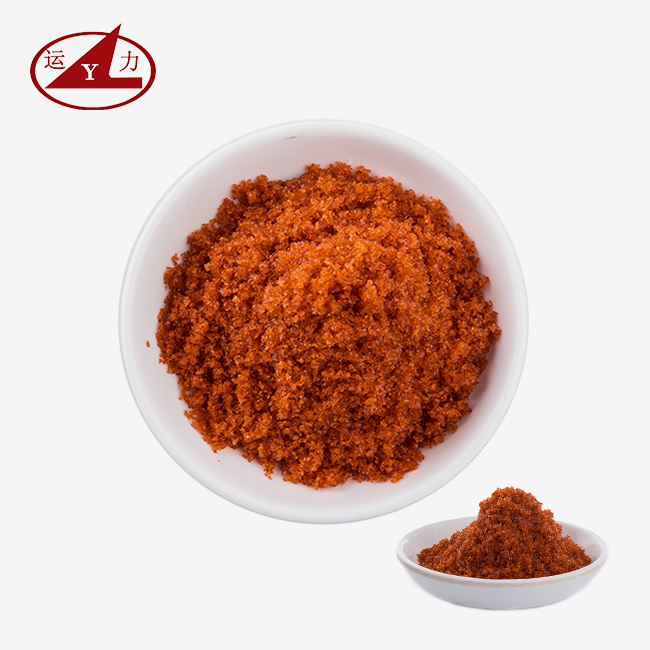
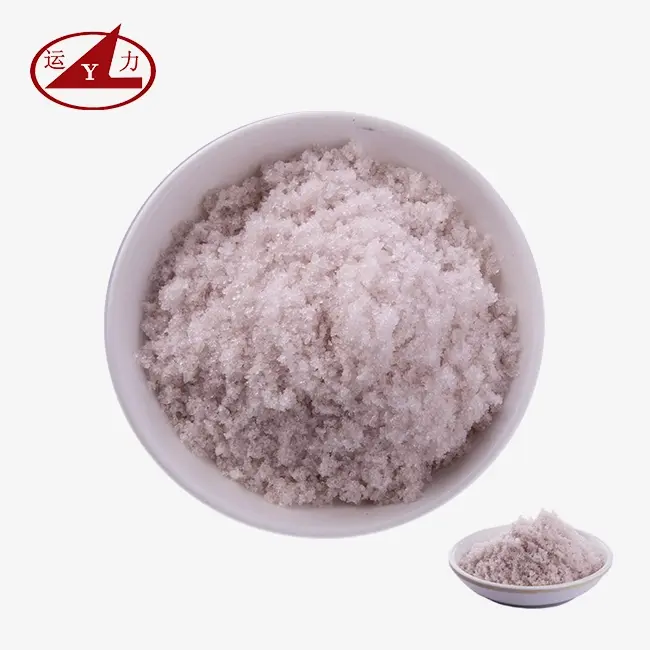
Due to its tendency to melt, the chemical compound with the CAS number 7782-61-8 presents unique challenges for verification. When low-quality goods arrive, they usually come as a liquid instead of the expected purple crystalline solid. This is a sign that they were contaminated with moisture while being stored or shipped. This damage to the material's structure is a sign of bigger quality problems that affect its iron level, impurity patterns, and ability to oxidize.
Common Supply Chain Challenges
Buyers often find that different sellers' batches are not the same. One batch could have chloride levels below 50ppm and the next could have levels above 200ppm. This makes it hard to predict what will happen in sensitive uses like pharmaceutical intermediates. Changes in the distribution of crystal sizes also have an effect on dissolution rates, which is a key factor in making liquid catalysts or etching solutions.
Buying things internationally adds to the complexity. Regulatory requirements vary a lot from one area to another. For example, buyers in Europe must follow REACH rules, while buyers in the US must check the TSCA inventory status. Customs delays can throw off production schedules and raise logistics costs if the right paperwork isn't presented.
Industry Standards as Quality Baselines
When suppliers get ISO 9001 approval, it means that their quality control systems are consistent. That being said, this doesn't guaranty chemical purity by itself. The MSDS information you get should include particular impurity thresholds that are important for your purpose, not just general safety information. Heavy metal content (lead, arsenic, and mercury) below 10ppm is a good level for catalyst producers, but slightly higher levels are fine for water treatment applications.
Setting clear quality standards before buying something lowers the risks that come after. When suppliers know exactly what you need, like ultrahigh purity for semiconductors or normal industrial grade for dyeing textiles, they can change the way they make the product so that it always meets your needs.
Key Quality Parameters to Verify Before Ordering
Before making a purchase decision, important chemical and physical properties should always be carefully looked at. The formula for Fe(NO₃)₁·9H₂O gives it a molecular weight of 404.01 g/mol, but the real make-up can be different depending on how much water is present and how it is made.
Chemical Identity and Purity Grade Assessment
For standard production grades, the purity requirements for Ferric Nitrate Nonahydrate are usually at least 98%. For research-grade material, they are usually 99.9%. The amount of iron should be about 13.8% by weight, which is what the theory says should happen. Using ICP-MS or titration to check the product's actual iron concentration confirms that it meets the stated specifications.
Impurity traits are very important, even more so than reported purity. Processing equipment made of stainless steel corrodes when it is contaminated with chloride above 100ppm. Some catalytic reactions can't happen when the sodium level is higher than 100ppm. Even though it's usually less than 0.005% in high grades, insoluble matter can get stuck in spray tubes used to treat metal surfaces. Instead of accepting vague "meets specification" statements when evaluating suppliers, ask for detailed impurity analyzes.
Physical Properties and Handling Characteristics
The purple crystals that melt have a specific density of 1.68 g/cm³ and a melting point of 47.2°C. These physical characteristics have a direct effect on how to handle things and how to store them. Material that arrives as a syrupy liquid instead of free-flowing crystals has absorbed moisture from the air, which cou0ld mean that the packaging was damaged or that it was stored for a long time in bad conditions.
The distribution of crystal sizes affects both how crystals dissolve and how much dust they make when they are handled. Crystals with uniform sizes between 0.5 mm and 3 mm dissolve reliably when solutions are made, but crystals with different sizes make concentration differences. When suppliers let you change the sizes of their crystals, it means they have advanced process control skills, which means you can be sure of the quality of their products.
Safety Data and Environmental Impact
The full MSDS report should list the substance as an oxidizer (UN 1466, Class 5.1) and describe the risks of skin irritation. Because it oxidizes, it can start a fire when it comes into contact with organic materials. This is an important thing to keep in mind when storing and transporting things in a building. Having the right safety information lets you set up the right operating processes and train your staff well.
Environmental compliance is more than just making sure people are safe. Suppliers with fully developed wastewater treatment systems for nitrate-containing effluents show that they are dedicated to running environmentally friendly businesses. This is especially important for large buyers who want to work with environmentally friendly manufacturers over the long term.
Proven Methods to Verify Ferric Nitrate Nonahydrate Quality
Multiple methods must be used together for quality testing to be effective and provide full guarantee. If you only rely on seller certificates, you leave yourself open to risk. Independent testing gives you objective proof that protects your investment and keeps your business running.
Laboratory Testing Techniques
Modern analytical methods give accurate information about composition. ICP-MS, which stands for "Inductively Coupled Plasma Mass Spectrometry," measures the amount of iron in a sample and finds tiny metal impurities at levels of parts per million. This method finds contamination that other methods might miss, like arsenic, lead, or cadmium at levels that hurt the catalyst's performance but are too low to see.
The crystal structure and hydration state are confirmed by X-ray diffraction studies. Real Ferric Nitrate Nonahydrate has unique diffraction patterns; any changes could mean that it is partially dehydrated or contaminated with other iron salts. This step of proof stops costly formulation mistakes in situations where precise stoichiometry is needed.
Karl Fischer titration is used to measure the moisture level and find the real water of crystallization. The nonahydrate form should have a mass of about 40.1% water. Material degradation or wrong labeling is indicated by large deviations. Checking the pH of a 10% solution (which should be between 1.5 and 2.5) is a quick way to tell if the quality is good because it shows how much nitric acid is in the solution and how stable it is overall.
Supplier Documentation Review
Every shipment should come with a certificate of analysis (CoA) that lists specific test results instead of just "pass" or "fail." Compare the numbers given to your basic needs, such as the cleanliness percentage, the iron content, the amount of impurities in each sample, and its physical properties. Batch tracking numbers make it possible to check the quality of the product and make it easier to fix any problems that are found during use.
For hygroscopic products, the manufacturing date stamp is very important. If a product is more than six months old, it needs to be stored and packed with extra care. Suppliers who rotate their inventory in the right way show operational discipline that extends to quality control procedures.
ISO standards (9001 for quality management and 14001 for environmental systems) show that a consistent way of making things is being used. However, check the validity of the certification through the records of the granting body. In foreign trade, expired or fake certificates do show up from time to time.
Sample Testing and Pilot Trials
Before committing to large sales, especially when working with a new provider, ask for example samples. Samples up to 500 grams can be used for useful testing in the lab and for small-scale process runs. Test the material in a setting that is similar to where it will be made. Check its performance in target applications, how fast it dissolves, and how stable its pH is over time.
By doing test runs with sample materials, compatibility problems can be found before they affect full-scale operations. It's possible for a catalyst precursor that works well in bench tests to behave in a strange way during commercial-scale calcination. You can be sure that large shipments will give you the same results every time by testing water treatment methods on samples of material at your facility's real pH and temperature levels.
Third-party inspection services offer unbiased confirmation, which is especially helpful for foreign sales over $50,000. Before accepting a package, samples taken from the containers are tested by independent labs. These labs look for quality problems while the goods are still under the shipper's control. This investment in quality assurance keeps disputes and production delays from happening, which would cost a lot of money.
How to Select Reliable Suppliers for High-Quality Ferric Nitrate Nonahydrate?
It's not enough to just compare prices per kilogram to find the right supplier. The ability to manufacture, technical help, and long-term dependability all add value that supports higher prices for important uses.
Evaluating Manufacturing Credentials
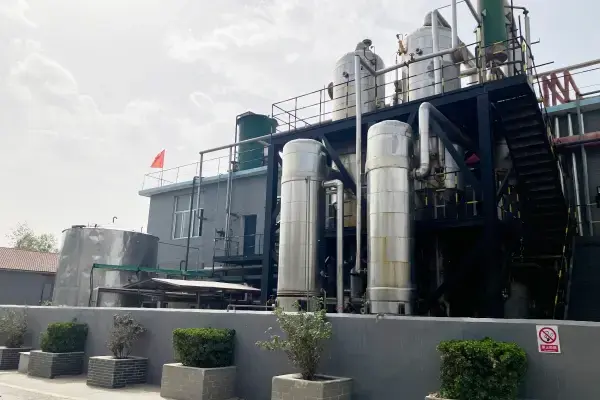
Quality uniformity is directly linked to production experience. Established in 2005 and with more than twenty years of experience in specialized manufacturing, Yunli Chemical has the operational maturity needed for a stable supply. If your annual sales are more than 1 billion yuan and your fixed assets are 300 million yuan, that means you are financially stable and can make good investments and keep your supply going even when the market changes.
Yunli Chemical was named a provincial-level business technology center in 2019. This means that the company has government-recognized R&D skills. Suppliers with advanced research facilities can make specs unique by, for example, lowering the iron content to less than 10ppm for sensitive catalyst uses or coming up with anti-caking ingredients that keep crystals from sticking together in wet places. When normal grades don't quite meet your process needs, this technical freedom is very helpful.
Infrastructure for environmental safety is another thing that sets us apart. Making nitrates creates wastewater that needs to be treated in a certain way. Suppliers with well-developed environmental systems show that they follow the rules, which keeps buyers from having to deal with the negative damage that comes with pollution in their supply lines.
Balancing Cost and Quality Considerations
When looking for the lowest price, suppliers often take shortcuts that hurt quality by using less pure feedstocks, skipping purification steps, or lowering the number of times quality control tests are done. Price differences between suppliers of 15 to 20 percent usually mean that the quality is different, not that there are opportunities to negotiate.
Figuring out the total cost of ownership makes figuring out value easier. Higher-purity material may cost more per ton, but it gives better process returns, lowers the cost of treating trash, and keeps production running more smoothly when quality fails. If a company that makes catalysts buys 50 tons a year and chooses a cheap supplier, they might save $10,000, but they'll lose $75,000 in downtime when contaminated material poisons a production batch.
Clear price systems help build trust. Suppliers with a good reputation don't just quote bottom-line numbers; they also explain cost factors like raw material quality grades, testing procedures, and packaging requirements. This openness makes it possible for talks to be useful, based on mutual value instead of random discounting.
Supplier Support and Service Capabilities
Premium suppliers are different from basic suppliers because they offer technical consulting services. Having access to application experts who know how to make catalysts, treat water chemically, or etch metal helps you get the best material specs for your needs. When problems happen with production, having knowledgeable source help speeds up troubleshooting and cuts down on downtime.
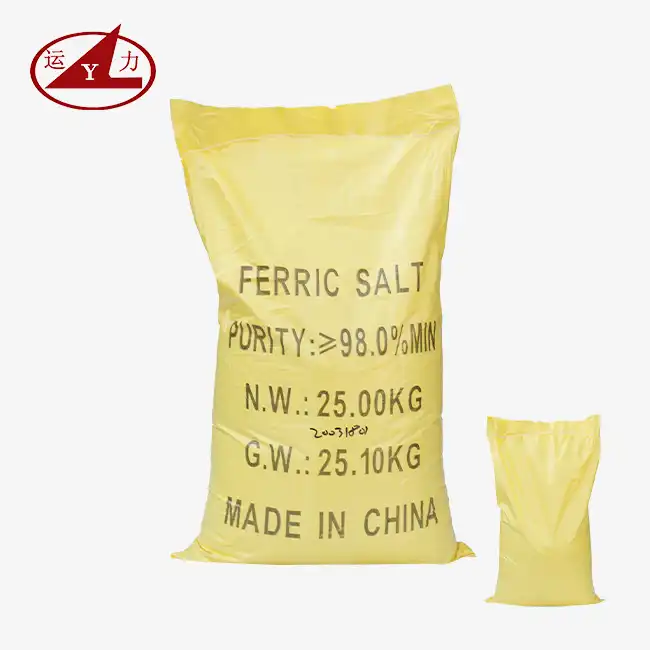
Different business needs can be met by flexible order fulfillment. Smaller buyers who are testing out new applications can benefit from not having to meet a minimum order quantity requirement. On the other hand, bulk buyers need to be able to reliably get container loads (20 to 25 metric tons). Customizing the packaging, from 25 kg PE bags to 500 kg drums or ISO tanks, makes it easier to handle for different types of facilities.
Offering free samples (up to 500 grams from reputable sellers like Yunli Chemical) shows that you trust the quality of the product and lowers the buyer's risk during the supplier review process. When combined with streamlined logistics and promises of on-time delivery, full supplier support turns relationships into partnerships instead of transactions.
Best Practices to Ensure Long-Term Quality and Compliance
Checking for quality doesn't end when the package is accepted. As long as you do business with a source, ongoing practices keep their materials honest and hold them accountable.
Storage and Handling Protocols
The quality of this liquid material doesn't go down if it is stored correctly. Temperatures below 30°C and relative humidity below 50% are maintained in climate-controlled buildings to protect crystal structure and stop liquefaction. Original sealed packaging should be kept whole until it is used right away. Once containers are opened, they need to be resealed right away to keep moisture from leaking out.
Keeping oxidizing materials away from organic chemicals and reducing agents gets rid of the risk of combustion. Class 5.1 oxidizer rules say that there must be designated storage areas with the right fire suppression systems. Labels that are easy to read and include batch numbers, receipt dates, and expiration dates make it easier to rotate goods and track quality.
Handling techniques for Ferric Nitrate Nonahydrate should make dust production and skin touch as low as possible. Personal protection equipment, like gloves that can handle chemicals and safety glasses, keeps workers safe from the material's irritating qualities. Training programs that make sure employees know about both the dangers of chemicals and the right way to handle them make operations safer and lower the risk of being sued.
Regular Quality Audits and Supplier Re-evaluation
By using incoming inspection procedures, you can find differences in quality before the material is used in production. Testing random samples from every export batch, even from sources that have been used for a long time, finds problems early on. Simple tests, like looking at how it looks, how it dissolves, and checking the pH, don't take long but can show problems that need a more in-depth look.
Every year, suppliers are audited to make sure they are still following high guidelines and certifications. When possible, site visits to manufacturing facilities let you see the controls for production, the testing equipment, and the environmental systems for yourself. For foreign suppliers, there are realistic options like remote checks that look over updated certificates, test results, and regulatory compliance paperwork.
Quality trends can be seen by watching performance across multiple orders. If the chloride content slowly rises between batches, this means that the process is drifting and the supplier needs to fix it before the specifications are exceeded. With data-driven supply management, quality control moves from fixing problems after they happen to preventing risks before they happen.
Keeping up with backup suppliers protects you in case of supply problems and puts pressure on primary suppliers to keep up quality and service levels through competition. Putting secondary sources through the same strict checking steps as the primary suppliers makes sure that the transfer goes smoothly if problems arise with the primary suppliers.
Conclusion
To check the quality of Ferric Nitrate Nonahydrate, you need to look at its chemical make-up, physical features, and the supplier's skills in a planned way. Specifications are confirmed by ICP-MS and moisture measurement in the lab, and real-world performance is proven by a close examination of the paperwork and sample tests. When you choose providers with strong manufacturing records, clear quality systems, and a lot of technical support, you build trusting relationships that go beyond single transactions. With 20 years of experience in specialized production, ISO certifications, and a designation as a provincial technology center, Yunli Chemical is an example of a supplier that can guaranty quality over the long term. Using the right storage methods and doing regular quality checks will help keep your materials' integrity throughout your business, which will protect production efficiency and product performance.
FAQ
What purity grade should I specify for catalyst manufacturing applications?
For making catalysts, the material needs to be at least 98% pure and have an iron content (as metallic Fe particle) of less than 30ppm, or better yet, less than 10ppm for sensitive recipes. Heavy metals like mercury, arsenic, and lead should not be more than 10ppm total. When chloride levels are less than 50ppm, working equipment doesn't rust and catalysts don't get poisoned.
How does ferric nitrate compare to ferric chloride for water treatment?
Iron nitrate is helpful in situations where chloride ions are a problem, like when using stainless steel equipment that can rust from chloride-induced pitting corrosion or when low-conductivity effluent is needed. It is still cheaper to use ferric chloride for general flocculation, but the nitrate form gets rid of the risk of chloride contamination in sensitive treatment situations.
What documentation should I request from potential suppliers?
Ask for up-to-date certificates of analysis that show exact test results for purity, iron content, and key impurities. You should also ask for valid ISO 9001 and ISO 14001 certificates, full MSDS paperwork, batch tracking records, and information on the date the product was made. Check for REACH pre-registration (for the EU) or TSCA compliance (for the USA) before buying something from another country.
Partner with Yunli Chemical for Verified Quality Ferric Nitrate Nonahydrate
Yunli Chemical offers Fe(NO₃)₃·9H₂O directly from the manufacturer. Our provincial-level enterprise technology center is certified by ISO 9001, ISO 14001, and OHSAS, so you can be sure of the quality. Our advanced inspection lab has ICP-MS and atomic absorption spectrometry, which make sure that the purity of every batch is checked very carefully. You can choose from standard 98% grades to ultrahigh purity 99.9% formulations. We help catalyst makers, water treatment businesses, and metal surface processors all over the world with our twenty years of production experience, annual sales of more than RMB 1 billion, and open supply options like free 500-gram samples and no minimum order numbers. You can email our expert team at wangjuan202301@outlook.com to get certificates of analysis, personalized quotes, or to talk about your unique needs for impurity control.
References
1. Smith, J.R., and Thompson, M.L. (2021). Quality Assurance Protocols for Industrial Iron Salts: A Comprehensive Guide. Journal of Chemical Procurement Standards, 15(3), 112-128.
2. Anderson, K.P. (2020). Analytical Methods for Verifying Transition Metal Salt Purity in Catalyst Applications. Industrial Chemistry Review, 44(2), 89-103.
3. European Chemicals Agency (2022). Best Practice Guidelines for REACH Compliance in Inorganic Nitrate Procurement. ECHA Technical Report Series, Volume 18.
4. Wang, L., Chen, Y., and Rodriguez, F. (2023). Impact of Impurity Profiles on Ferric Salt Performance in Water Treatment Systems. Environmental Engineering Science, 40(4), 245-259.
5. International Organization for Standardization (2021). ISO 9001:2015 Implementation in Specialty Chemical Manufacturing: Case Studies and Quality Metrics. ISO Technical Bulletin 2021-07.
6. Martinez, R.A., and Patel, S.K. (2022). Supply Chain Risk Management for Hygroscopic Chemical Commodities: Storage, Transport, and Quality Preservation. Global Procurement Journal, 29(1), 76-94.