


Industrial Applications and Benefits of Aluminium Nitrate Solution Liquid
Aluminium Nitrate Solution Liquid serves as an indispensable chemical intermediate across numerous industrial sectors, from catalyst synthesis to metal surface treatment. This aqueous formulation, derived from aluminium nitrate nonahydrate (CAS# 7784-27-2), delivers exceptional versatility while eliminating the operational burdens associated with solid chemical handling. As procurement managers and technical engineers face mounting pressure to optimize supply chains, reduce operational costs, and maintain stringent quality standards, understanding the unique advantages of this liquid formulation becomes essential.
This comprehensive guide explores the practical applications, tangible benefits, and critical procurement considerations that enable medium to large industrial enterprises to make informed sourcing decisions. We address the core concerns of supply stability, purity control, regulatory compliance, and long-term partnership value that define successful B2B chemical procurement in today's competitive landscape.
Understanding Aluminium Nitrate Solution Liquid: Composition, Properties, and Safety
Chemical Composition and Molecular Structure
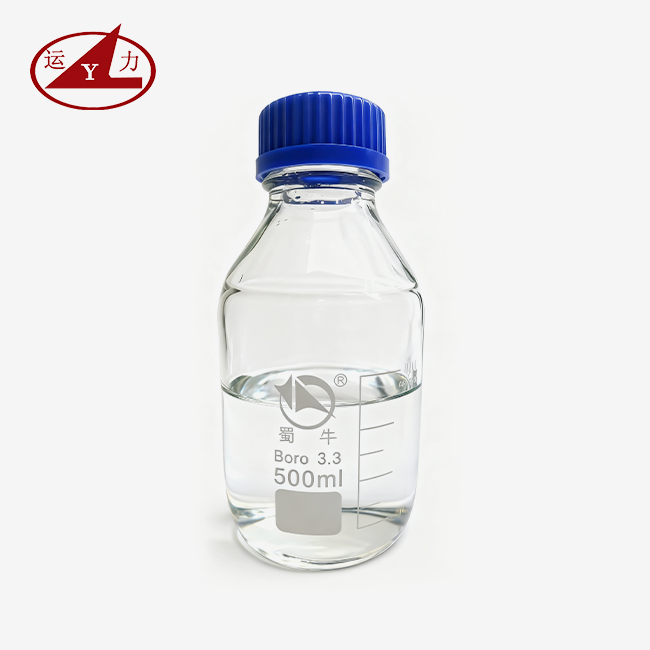
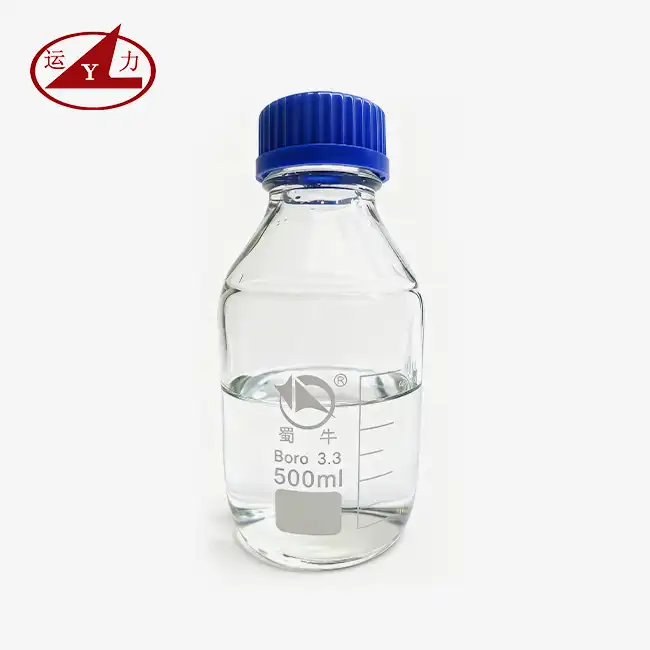
Aluminium Nitrate Solution Liquid is made up of nitrate ions (NO₃⁻) and aluminium ions (Al³⁺) that are dissolved in water. It is usually made from aluminium nitrate nonahydrate, which has the formula Al(NO₃)₃·9H2O and a molecular weight of 375.13. Most industrial-grade solutions have a specific gravity of 1.35 to 1.45 g/cm³ at 20°C and a concentration of 10% to 60%. The liquid is clear to slightly yellow and free of mechanical impurities. This makes it different from solid crystalline forms that need to be dissolved first.
Key Physical and Chemical Properties
The solution strongly oxidizes and keeps an acidic pH level, usually between 1.5 and 4.0, though this can change based on the concentration and composition changes. The parent chemical dissolves easily in water (64 g/100 mL at 25°C), which makes it easy to mix and spread evenly in industrial processes. The solid form of aluminium nitrate nonahydrate melts at 73.9°C and breaks down at 150°C. However, when properly prepared, the liquid form is thermodynamically stable over a wider temperature range. Heavy metals like lead and arsenic are kept below 10ppm in premium grades, and the iron content is kept below 30ppm (flexible to ≤10ppm). This meets the strict requirements for making electrical materials and advanced ceramics.
Safety Protocols and Regulatory Compliance
Because it is acidic and oxidizes easily, Aluminium Nitrate Solution Liquid needs to be handled with great care. Because the solution irritates the skin, you need to wear protective gear like chemical-resistant gloves, safety goggles, and make sure there is enough air flow. Containers for storing things must be made of stainless steel (304L or 316L), PVC, or glass to keep carbon steel from corroding.
Responsible buying is based on having complete MSDS documents, COA certificates, and records of environmental compliance. Solutions kept below 15°C may crystallize, so they need to be kept at the right temperature and transported heated in colder places. Facilities that deal with this stuff need to keep emergency plans for spills, such as ways to neutralize the material and get rid of it properly, that are in line with EPA rules and local rules for managing hazardous waste.
Industrial Applications of Aluminium Nitrate Solution Liquid
The ready-to-use Aluminium Nitrate Solution Liquid format solves important problems that solid alternatives can't, especially in settings with continuous processes where delays in dissolution cause bottlenecks.
Catalyst Manufacturing and Chemical Synthesis
One of the most difficult uses for Aluminium Nitrate Solution Liquid is in the making of catalysts. The liquid is used to make hydrodesulfurization and reforming catalysts. It holds the catalysts together and makes high-purity alumina supports. When you use liquid formulas, you can fill all the pores evenly, which makes the catalyst work better and last longer in high-pressure refining units. The phase purity of methanol synthesis catalysts can reach 99.5%, and the liquid form allows for precise stoichiometric control that is not possible with solid dissolution methods.
Getting rid of bits that haven't dissolved stops catalyst poisoning, which is a common quality problem in solid-based processes. Chemical companies that make pharmaceutical intermediates and fine chemicals like the fact that the EDTA complexometric titration shows that the aluminium content stays the same from batch to batch. This makes sure that the chemicals are reliable and meet Good Manufacturing Practice standards.
Metal Surface Treatment and Electroplating
Aluminium Nitrate Solution Liquid is used in surface cleaning processes to keep aluminium alloys from rusting and to protect them from damage. The very low chloride level (usually less than 30ppm) makes the phosphating bath last a lot longer than chloride-contaminated options, which lowers the need for upkeep and the costs that come with it. Electroplating plants like how liquid formulations let them precisely control the pH level, keeping the bath chemistry stable during long production runs. The solution's role in the anodizing pre-treatment helps adhesion, which makes the coating last longer on aircraft and car parts that are exposed to tough environments.
Textile Dyeing and Leather Tanning
Textile companies use Aluminium Nitrate Solution Liquid as a dye mordant because it makes the fabric last longer and keep its color better. The liquid form works well with continuous dyeing systems because it doesn't produce dust and doesn't take as long to dissolve as solid mordants do. This improved tanning agent gives collagen fibers great heat stability, which makes high-quality leather that doesn't get damaged by sweat or repeated washing. The constant quality stops the color changes that happen when businesses use bad or inconsistent mordant sources. This protects the brand's image in markets for expensive leather goods.
Emerging Applications in Electronics and Advanced Materials
More and more, the electronics industry needs high-purity Aluminium Nitrate Solution Liquids to make sapphire glass substrates that are used to make LEDs and screens for smartphones. The liquid starter allows hydrolysis processes to make high-purity alumina (HPA) with controlled particle shape, which is important for visual clarity. Ceramics used in piezoelectric devices and advanced dielectrics also benefit from the impurity control that premium liquid formulas allow. When iron contamination is below 10ppm, it stops the coloring and loss of electrical properties that hurt product performance.
Comparing Aluminium Nitrate Solution with Alternative Aluminium Compounds
Performance Differentiation from Aluminium Sulfate and Chloride
Aluminium Nitrate Solution Liquid is better than aluminium sulfate in situations where sulfate-free chemistry is needed, like in electronic materials where sulfur pollution changes the way semiconductors work. An alternative to aluminium chloride is Aluminium Nitrate Solution Liquid, which dissolves better and doesn't corrode handling equipment as quickly as chloride solutions do. This means that equipment lasts longer and costs less to repair. Because it can oxidize, the nitrate ion is better at some catalytic reactions than sulfate or chloride alternatives, which is why it is the best choice for oxidative catalysis tasks.
Liquid Versus Solid Form: Operational and Economic Considerations
Moving from a solid form of aluminium nitrate nonahydrate to a liquid form has real practical benefits. If facilities don't have to dissolve hygroscopic crystals on-site, they use 15-20% less energy because they don't have to heat up and stir things up, which costs money. The time saved is also very important because it frees up technical staff from doing the same dissolution tasks over and over again and avoiding the safety risks that come with handling dirty, hygroscopic solids. The liquid form stops the breathing problems and pollution that happen when hygroscopic nitrate dust soaks up water from the air, making cleaning harder and possibly putting people at risk of exposure.
Shipping costs go up a little because of the extra weight of water, but Total Cost of Ownership formulas always favor liquid formulations when dissolution labor, energy costs, equipment upkeep, and the efficiency of inventory management are all taken into account. Liquid metering pumps allow for precise dosing, which cuts down on wasted raw materials and makes the process more repeatable. These benefits have a direct effect on the uniformity of product quality and cut down on costly batch rejects.
Procurement Considerations for Aluminium Nitrate Solution Liquid
Supplier Reliability and Quality Assurance
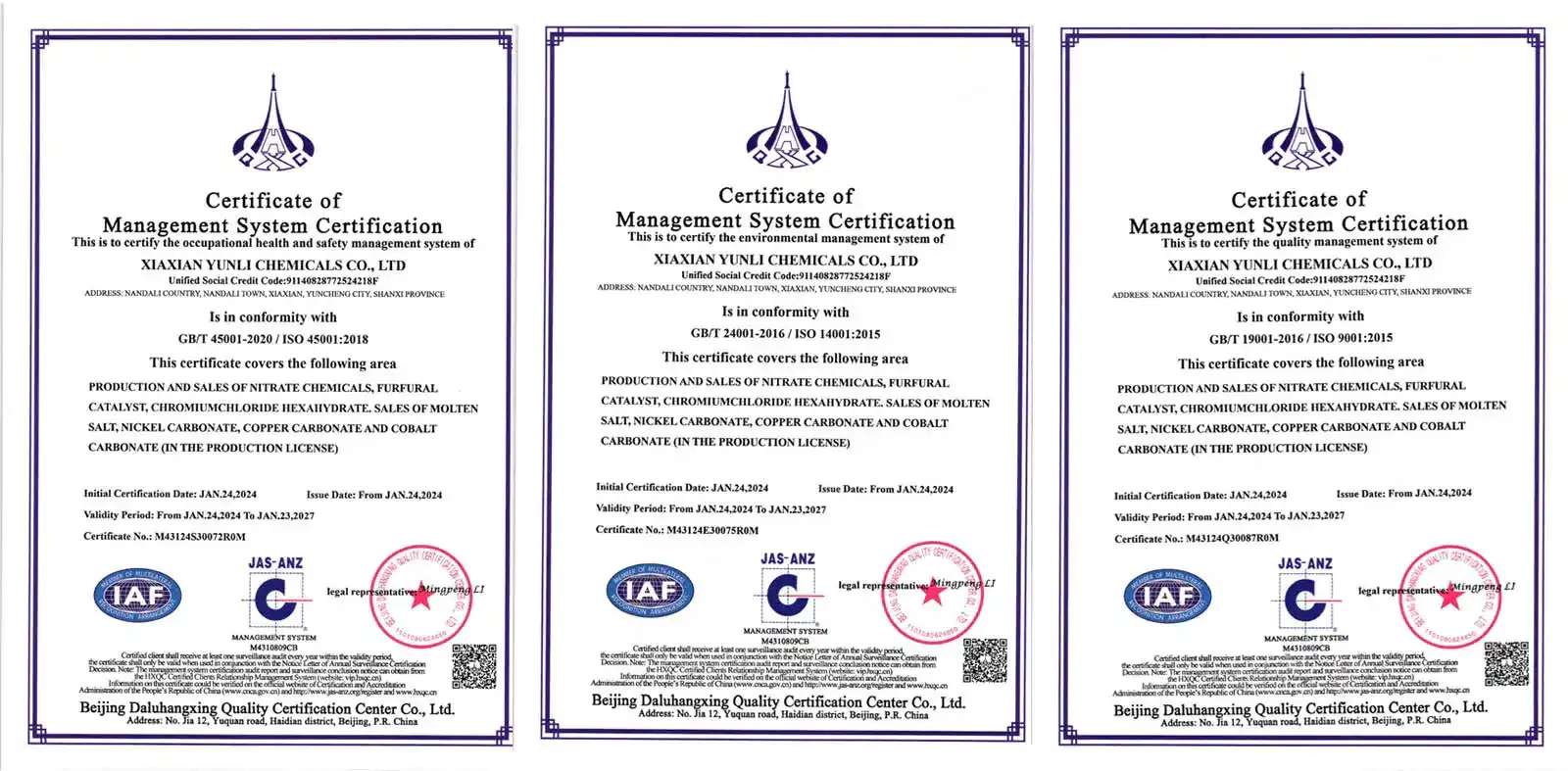
When choosing a provider for Aluminium Nitrate Solution Liquid, you need to look at their manufacturing skills, quality control equipment, and history of following the rules. Established companies that have ISO 9001, ISO 14001, and OHSAS credentials for occupational health and safety show that their operations are mature, which means that the quality of their products is always the same. A provincial or national technology center's approval shows that it has the research and development (R&D) skills needed to make custom formulations.
Advanced analytical tools, such as ICP-OES for analyzing trace metals and EDTA titration for checking aluminium content, make sure that specifications meet the standards that have been set. Suppliers who include a Certificate of Analysis with every shipment, full MSDS documentation, and REACH/TSCA compliance certifications make it easier for purchasing departments to follow the rules and speed up the import process.
Cost Structures and Logistics Management
When setting prices for dangerous liquid chemicals, you have to take into account things like concentration levels, packaging requirements, order volumes, and freight classifications. Volume discounts usually start to apply at certain tonnage levels, which rewards partners who stay with the company for a long time. Flexible packaging, such as IBC tote tanks, plastic drums, and custom containers, changes how quickly and efficiently goods are handled and stored at receiving sites.
The dangerous classification has a big effect on shipping costs because Class 5.1 oxidizers need special handlers and paperwork that make freight costs higher than for non-hazardous goods. Instead of looking at FOB prices, procurement managers should look at shipped costs that take into account freight, insurance, and possible demurrage charges. Payment terms, such as net-30 and net-60 agreements, and possible rebate policies for yearly volume commitments, affect cash flow management and should be in line with the financial planning cycles of the company.
Regulatory and Compliance Verification
When you buy something across borders, you need to make sure that your export licenses, certifications for transporting dangerous materials, and import permits for the target country are all valid. Facilities in the US must prove they are in compliance with TSCA, while facilities in Europe must prove they are registered under REACH. As business sustainability requirements get stricter, environmental production methods become a bigger factor in choosing suppliers.
Suppliers who show they can recycle wastewater, control nitrogen gas emissions with absorption tower technology, and reduce toxic waste through process optimization are in line with the environmental, social, and governance goals of the company. Receiving facilities can avoid compliance violations and the fines that come with them by keeping records like safety data sheets, transport emergency response information, and the right labels according to DOT/IMDG rules.
Maximizing Benefits: Best Practices for Usage and Storage
Concentration Optimization and Preparation Methods
Customizing the concentration of Aluminium Nitrate Solution Liquid to a specific use increases efficiency and lowers the cost of transportation. For catalyst synthesis, 40–60% concentrations are usually recommended for the best viscosity and aluminium loading. On the other hand, 10–20% solutions may be used for surface treatment to control the reaction kinetics. Protocols for dilution should use deionized water to keep contaminants out and slow mixing to keep exothermic heat release in check. Process engineers should write down standard operating procedures that include goal concentrations, dilution steps, and quality checks. This will make sure that the formulation stays the same from one shift to the next.
Storage Infrastructure and Inventory Management
When chemicals are stored correctly, they stay stable and accidents don't happen. Keeping the storage temperature between 20°C and 25°C stops crystallization at low temperatures and slows down degradation at high temperatures. Stainless steel or special polymer tanks don't rust like carbon steel tanks do, so there are no risks of contamination from vessels breaking down.
Following the first-in, first-out rule for inventory rotation makes sure that materials are used up within their suggested shelf life, which is usually 12 to 24 months in ideal circumstances. Facilities should do quality checks on a regular basis after 12 months to make sure the pH level stays stable and the amount of aluminium is correct, since solution properties may change over time due to gradual hydrolysis.
Hazard Management and Emergency Response
Even with careful handling, being ready for a spill is still very important. Neutralizing agents (like sodium bicarbonate or lime), absorbent materials, and control berms should be carefully placed near areas where they are stored and used for emergency situations. Exposure first aid training for staff, which includes lots of water flushing for skin contact and getting medical help right away for eye exposure, makes injuries less serious. Spill reaction methods should include steps for containment, neutralization, and working with approved hazardous waste companies to get rid of the waste in the right way. Regular emergency drills improve people's ability to respond and find holes in the process before real emergencies happen.
Conclusion
Aluminium Nitrate Solution Liquid is a smart way for industrial businesses that care about quality consistency, practical efficiency, and supply chain reliability to buy things. The liquid form gets rid of problems with dissolution, lowers the cost of labor and energy, and makes precise dosing possible that isn't possible with solid forms. Applications in making catalysts, treating metal surfaces, handling textiles, and making new materials show that it can be used in a wide range of industries.
To make a good purchase, you need to look at the qualifications of the suppliers, such as their quality certifications, analytical skills, and proof that they follow the rules. The safety and performance benefits are maximized by using the right storage infrastructure, optimizing concentration, and emergency preparedness protocols. As industrial processes need more strict purity standards and environmental responsibility, working with well-known makers who can offer expert support, custom formulation, and reliable supply becomes a huge competitive advantage.
FAQ
What concentration should I specify for catalyst manufacturing?
To make a catalyst, you usually need an Aluminium Nitrate Solution Liquid that is 40 to 60 percent. This solution has to be the right viscosity to evenly coat the material and have enough aluminium in it to reach the goal alumina content. Lower concentrations (10–20%) work well for tasks like treating metal surfaces, where controlled reaction kinetics keep the etching from being too rough. Technical experts can help you match the concentration to the needs of your process, taking into account the equipment's capabilities and your throughput goals.
How does liquid format reduce operational costs compared to solid?
Using liquid formulations instead of solid ones cuts down on energy-intensive steps for dissolving, which lowers costs by 15 to 20 percent by lowering the need for heating and work. The ready-to-use format keeps material waste from dissolving too slowly and allows for automated dosing systems that are more accurate. There is a small rise in freight costs due to the water content, but a full Total Cost of Ownership study always shows financial benefits when dissolution labor, equipment upkeep, and quality consistency benefits are taken into account.
What storage vessels are compatible with this solution?
For long-term keeping, stainless steel grades 304L or 316L are very resistant to corrosion. For smaller amounts, high-density polyethylene (HDPE) or PVC cases work best. Carbon steel tanks can't be used because they corrode quickly, contaminating solutions and putting the vessel's integrity at risk. Glass-lined steel is strong and doesn't react with chemicals, making it ideal for big projects. Before setting up a storage facility, you should always check with providers to make sure that the containers will work with the materials and read the material safety data sheets.
Partner with Yunli Chemical for Reliable Aluminium Nitrate Solution Liquid Supply
With over 18 years of specialized production experience serving demanding industrial sectors, Yunli Chemical is a reliable manufacturer of Aluminium Nitrate Solution Liquid. Our factory in Shanxi has ISO 9001, ISO 14001, and OHSAS certifications. It produces consistent batches, which is important for procurement managers to keep operations running smoothly.
Controlling the iron content to ≤30ppm is standard, or we can tighten it to ≤10ppm for high-purity uses. The pH range can be changed from 1.5 to 4.0 to keep crystallization from happening during storage and transport. As a business technology center at the regional level, our advanced analytical laboratory with ICP-MS and atomic absorption spectrometry makes sure that every shipment is thoroughly checked for quality. This is backed up by detailed COA and MSDS paperwork that makes regulatory compliance easier.
Our eco-friendly production turns rainwater into sodium nitrate that can be used again and again. At the same time, absorption tower technology lowers nitrogen oxide emissions, which is in line with the company's sustainability goals. Different facility needs can be met by flexible packaging options like IBC tanks and plastic drums. Concentrations from 10% to 40% are ready to ship right away. We offer free samples of up to 500 grams, so you can try out the product's performance without any risk before committing to buy in bulk. We know what quality-conscious industry buyers want because we don't have a minimum order size and 70% of our specialty chemical exports go to markets in the US, Europe, and Asia.
You can email Yunli Chemical at wangjuan202301@outlook.com right now to talk about your unique needs, get technical specs, or set up free sample tests. You can look at our full line of products at yunlichemical.com and learn how our direct factory supply model cuts out the costs of middlemen while still providing quick technical support throughout our partnership.

References
1. Smith, J.R., & Chen, L. (2021). Advanced Catalyst Supports: Aluminium Compounds in Hydroprocessing Applications. Industrial Chemistry Press.
2. Martinez, A.K. (2020). "Liquid vs. Solid Metal Salts: Operational Efficiency in Surface Treatment Operations." Journal of Industrial Coatings Technology, 45(3), 178-192.
3. Thompson, R.W., & Patel, S. (2022). Chemical Procurement Strategies for Process Industries: Quality Assurance and Supply Chain Optimization. Manufacturing Excellence Publications.
4. Anderson, M.E. (2019). "Trace Metal Impurities in Electronic Materials: Impact on Semiconductor Device Performance." Materials Science and Engineering Quarterly, 38(2), 245-261.
5. Wilson, K.L., & Zhang, Y. (2023). Environmental Compliance in Chemical Manufacturing: Best Practices for Nitrate Production Facilities. Sustainability in Industry Series.
6. Roberts, D.H. (2021). "Mordant Selection in Industrial Textile Dyeing: Performance Comparison of Aluminium Compounds." Textile Processing Technology Review, 52(4), 312-328.