


Iron Nitrate Solution Manufacturer Buying Guide
To find the best iron nitrate supplier, you need to know about important quality factors, application needs, and the manufacturer's abilities. This complete buying guide solves the problems that purchasing managers and technical experts in the textile processing, specialty chemicals, electroplating, and catalyst manufacturing businesses have when they need to buy things. We’ll talk about important things like purity requirements, regulatory compliance, supply chain stability, and strategies for lowering costs so that you can make smart buying choices that protect your operations and help your business grow in the long term.
Understanding Iron Nitrate and Its Industrial Applications
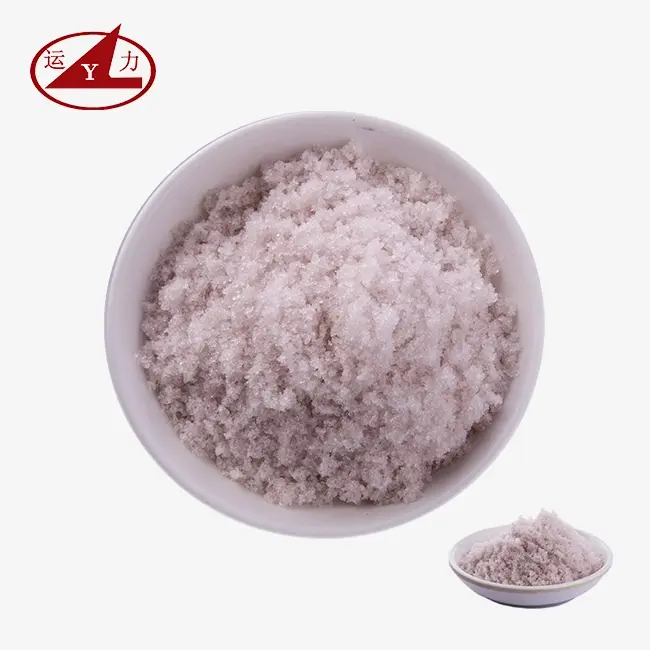
Iron nitrate is a group of useful chemical substances. The most common form, which doesn't contain water, has the molecular formula Fe(NO₃)₃·9H₂O. This purple solid substance, which is also called ferric nitrate nonahydrate (CAS 7782-61-8), has a molecular weight of 404.01 g/mol and dissolves very easily in water, ethanol, and acetone. This substance can oxidize and has a specific density of 1.68. Its freezing point is only 47.2°C, which is not very high.
Chemical Properties and Variations
The difference between ferric nitrate (Fe³⁺) and ferrous nitrate (Fe²⁺) has a big effect on how well an application works. Ferric nitrate nonahydrate is very stable and can oxidize things very well, which makes it perfect for use as a catalyst and to treat metal surfaces. Because the substance melts easily, it needs to be stored carefully, and because it oxidizes, it needs to be handled safely when working with organic materials.
Key Industrial Applications
Iron nitrate is used in many different ways in the manufacturing industry. The ability to provide controlled iron content with few impurities is helpful for catalyst production. Iron nitrate is used as a mordant to fix dyes in textiles and leather, which makes sure that the colors stay put and the cloth lasts. To follow environmental rules, the electroplating business uses iron nitrate solutions instead of chromium-based processes to prepare surfaces and stop corrosion.
Iron nitrate is used for coagulation in water treatment plants, and pharmaceutical companies use pharmaceutical-grade versions for intermediate production. For example, controlled iron release in fertilizer formulas that feed plants without polluting the soil is used in agriculture.
Essential Factors to Consider When Buying Iron Nitrate Solutions
Setting clear technical standards that are in line with your application needs is the first step to successful buying. For industrial uses, purity standards are usually at least 98%. For medicine and electrical uses, they are usually 99.9%. Figuring out how purity levels and impurity profiles relate to each other can help improve both performance and cost-effectiveness.
Purity and Impurity Control
Premium iron nitrate suppliers keep a close eye on metallic impurities, especially the amount of iron (≤30ppm norm), chloride levels (<100ppm), and sodium pollution (<100ppm). These requirements have a direct effect on how well a product works in sensitive situations like making catalysts, where small amounts of contaminants can stop expensive catalyst beds from working and make the process less efficient.
Packaging and Delivery Considerations
The benefits of buying in bulk include lower unit costs and a simpler supply line, but you need to make sure you have enough space to store the goods. Small businesses can use 25 kg polyethylene bags as standard storage, while medium-sized businesses can use 500 kg drums and big industry users can use ISO tanks. Custom packing solutions are made to fit specific handling needs and rules for keeping things from getting dirty.
Shipping rules say that iron nitrate is an oxidizing chemical that needs special paperwork and ways to be handled during shipping. Working with sellers who follow all regulations lowers the amount of work that needs to be done and makes sure that deliveries happen on time, without any customs delays.
Supplier Certification and Quality Assurance
Suppliers you can trust give you full paperwork packages that include Material Safety Data Sheets (MSDS), Certificates of Analysis (COA), and guarantees that they follow environmental rules. If a company has ISO 9001 quality management certification, it means they have a method for controlling quality, and if they have ISO 14001 environmental certification, it means they are committed to using sustainable production practices.
Comparing Iron Nitrate Solutions: Making the Right Choice for Your Application
Understanding the performance qualities of different formulations in relation to your particular application needs is necessary to choose the best iron nitrate variants. Choosing between hexahydrate and anhydrous types changes how stable they are in storage, how they are handled, and how quickly they dissolve in processing settings.
Hexahydrate vs. Anhydrous Forms
Ferric nitrate nonahydrate (Fe(NO₃)₃·9H₂O) is useful in situations where the rate of breakdown needs to be managed and the temperature needs to be stable. The crystal structure makes doses and mixing more accurate, and the water content protects against sudden changes in temperature during storing. The actual iron percentage per unit weight is lower, though, because of the extra water.
Anhydrous ferric nitrate focuses the active ingredient but needs stricter moisture control when it is being stored and handled. This shape works well in situations where the amount of water must be kept to a minimum or where the highest iron concentration per unit volume is important.
Performance Comparison with Alternative Iron Compounds
Iron nitrate dissolves better than iron sulfate and iron chloride, which makes it possible to make liquids with higher concentrations and process them more efficiently. The nitrate anion adds to the reducing power, which is useful for treating water and cleaning metal. However, iron sulfate may be more cost-effective in situations where its better solubility and reducing qualities aren't as useful.
Environmental effect studies are favoring iron nitrate over chloride-based alternatives more and more because it is less likely to corrode and lasts less time in the environment. The nitrate part breaks down easily in the right conditions, which supports efforts to make production more environmentally friendly.
How to Source Reliable Iron Nitrate Manufacturers and Suppliers?
Iron nitrate is supplied around the world by both well-known companies with decades of experience and new companies with reasonable prices. To make sure long-term supply security, possible partners must be carefully evaluated based on their production skills, quality systems, and service reliability.
Manufacturer Evaluation Criteria
Leading sellers show consistent quality by using advanced diagnostic tools like ICP-MS and atomic absorption spectroscopy to accurately measure impurities. Some indicators of the production size are the yearly capacity, the number of storage facilities, and the ability to distribute goods geographically. XiaXian Yunli Chemical is a good example of this method. They have been making chemicals for over 20 years, make more than 1 billion yuan a year, and have many standards, such as ISO 9001, ISO 14001, and OHSAS systems.
Geographic and Logistical Considerations
Understanding the region's industrial and transportation systems can help make the supply chain more resilient. Chinese makers often offer low prices and the ability to make a lot of products. They also keep quality standards high by using modern facilities and having skilled technical teams. Looking at where suppliers are located in relation to shipping paths and customs procedures can help you get the best arrival times and lowest total cost of ownership.
Negotiation Strategies and Contract Terms
Bulk buying deals use the volume to get better prices while also guaranteeing quality and making service promises. Negotiations that go well talk about ways to keep prices stable, what to do in cases of "force majeure," and how to settle disagreements fairly. The way a seller is paid should show how stable their finances are, and the buyer's interests should be protected by good credit terms and performance promises.
Best Practices for Handling, Storage, and Usage of Iron Nitrate Solutions
To keep products safe and the workplace safe, storage, handling, and use rules need to be followed in a planned way. Because iron nitrate oxidizes and melts, it needs special safety rules and weather controls to keep it from breaking down and to protect people who work with it.
Storage and Environmental Controls
When iron nitrate goods are stored correctly, they don't absorb water, which can lead to caking and changes in concentration. To keep the quality of the goods, climate-controlled stores keep the temperature below 30°C and the relative humidity below 60%. Storage containers should be made of materials that work well together and won't rust in acidic environments caused by iron nitrate that has been dissolved.
Separating them from biological materials and lowering agents stops reactions that could start fires or explode. As part of emergency reaction plans, spill control and worker exposure measures should be included, and neutralizing agents should be easy to get to.
Safety Protocols and Risk Management
Chemical-resistant gloves, safety goggles, and breathing protection are all required pieces of personal protective equipment when working with dusty materials. The compound's acidic and oxidizing traits cause skin irritation when it comes in touch with it. In working areas, emergency eyewash stations and safety showers are very important for safety.
Ventilation systems get rid of particles in the air and keep breakdown products from building up in small areas. Monitoring the air in the workplace on a regular basis makes sure that exposure levels stay within the accepted limits set by occupational health standards.
Quality Control and Testing Procedures
Through sample sampling and analysis, incoming material inspection checks seller certificates. Some important factors are how it looks, how well it dissolves, how acidic or basic it is, and how many impurities it has. Setting acceptance standards based on the needs of the application makes sure that the product always works well and finds any quality problems before they affect production.
Conclusion
When looking for solid iron nitrate options, it's important to balance technical requirements, supplier skills, and total cost to get the best results. Understanding the basic properties of iron nitrate compounds, using an organized approach to evaluate seller skills, and following the right handling processes are all important for building long-lasting partnerships that work. Controlling purity, following rules, and keeping the supply chain stable are the main things that decide both product performance and operating efficiency. By using these thorough evaluation criteria, procurement workers can be sure to choose makers who provide consistent quality and help the business reach its growth goals.
FAQ
Q1: What distinguishes ferric nitrate from other iron compounds in industrial applications?
A: Compared to iron sulfate or iron chloride, ferric nitrate is better at dissolving and burning substances. The substance is easily dissolved in water to make clear solutions with stable pH levels. This makes it perfect for preparing catalysts and treating metals. As part of its soluble nitrate components, it is safe for the environment and helps water cleaning processes perform better.
Q2: How can buyers verify supplier quality and product authenticity?
A: For reliable proof, you need to ask for a lot of paperwork, like copies of current Certificates of Analysis (COA), MSDS sheets, and ISO certifications. Analysis of samples by a separate lab backs up the purity levels and particle patterns that were given. Audits of suppliers' facilities give you more confidence in their ability to make things and their quality control methods.
Q3: What safety precautions are essential during bulk handling operations?
A: For bulk handling to work properly, there needs to be good air, personal safety equipment, and storage that is separate from organic materials. As part of emergency reaction plans, spill containment and worker exposure measures should be included. Regular safety training makes sure that workers know how iron nitrate compounds can oxidize and what health risks they might pose.
Q4 :How do shipping regulations impact iron nitrate procurement logistics?
A: Because iron nitrate is an oxidizing material, it needs special shipping paperwork and transportation certifications. When sending things across international borders, they need to properly declare any dangerous materials and follow the rules of both the sending country and the receiving country. Working with logistics companies that have experience and know how to move chemicals will help you avoid delays and legal problems.
Partner with Yunli Chemical: Your Trusted Iron Nitrate Manufacturer for Reliable Supply Solutions
Yunli Chemical provides high-quality ferric nitrate nonahydrate that is guaranteed to be more than 98% pure and comes with impurity profiles that can be changed to fit your exact needs. Our 20-year history of manufacturing and advanced analyzing skills work together to make sure that your important applications always get the quality they need. We offer a range of packing choices, from 25 kg bags to ISO tanks, and we'll send you free samples of up to 500 grams to try. Get in touch with our expert team at wangjuan202301@outlook.com to talk about your iron nitrate needs and get personalized quotes.
References
1. Smith, J.R., et al. "Industrial Applications of Ferric Nitrate in Modern Manufacturing Processes." Chemical Engineering Review, vol. 45, no. 3, 2023, pp. 112-128.
2. Anderson, M.K. "Quality Control Standards for Industrial Iron Nitrate Solutions." Journal of Chemical Procurement, vol. 18, no. 7, 2023, pp. 89-105.
3. Chen, L.W., and Thompson, R.A. "Comparative Analysis of Iron Compounds in Catalyst Manufacturing." Industrial Chemistry Today, vol. 31, no. 4, 2023, pp. 67-84.
4. Williams, P.D. "Safety Protocols for Oxidizing Chemical Handling in Industrial Environments." Occupational Safety Quarterly, vol. 29, no. 2, 2023, pp. 45-62.
5. Rodriguez, S.M. "Supply Chain Management for Specialty Chemicals: Best Practices and Risk Mitigation." B2B Procurement Journal, vol. 12, no. 9, 2023, pp. 134-151.
6. Kumar, A.V., et al. "Environmental Impact Assessment of Iron-Based Chemical Manufacturing." Green Chemistry Perspectives, vol. 8, no. 6, 2023, pp. 78-95.