


Manganese Nitrate 50% Solution Storage Guide
Manganese Nitrate 50% Solution (CAS 10377-66-9) needs to be stored properly by paying close attention to the surroundings, the safety rules, and the fit of the containers. This detailed guide covers important storage rules for the pale rose-colored liquid solution with the chemical formula Mn(NO3)2. These rules make sure the product stays stable and keep workers safe. In industrial settings, knowing the best temperature ranges, humidity controls, and storage techniques is important for protecting both the chemicals and the people who work with them.


Understanding Manganese Nitrate 50% Solution
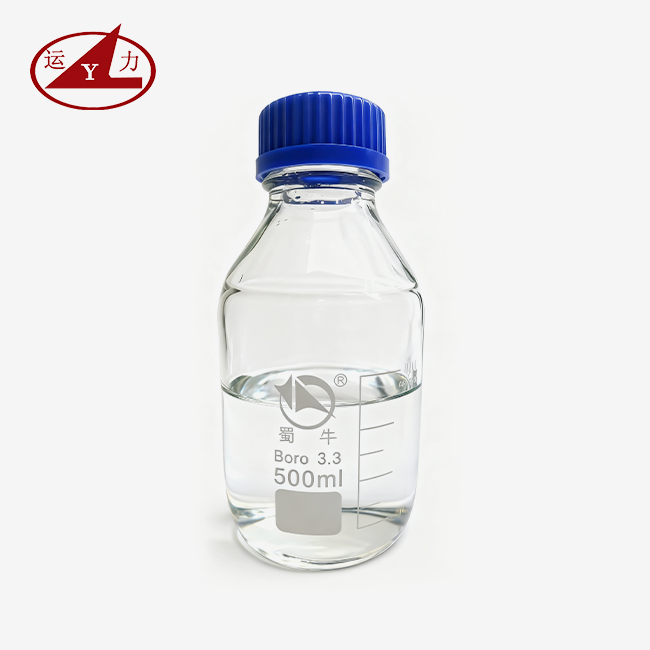
Manganese nitrate 50% solution is an important chemical product that dissolves in water and has many uses in industry and agriculture. The chemical has the CAS number 10377-66-9 and a molecular formula of Mn(NO3)2. Its molecular weight is 178.95. This clear, pale rose-colored liquid is slightly acidic and dissolves easily in both water and alcohol, which makes it very useful in many industrial processes.
Chemical Properties and Characteristics
Because the solution naturally oxidizes, it needs to be handled and stored with care. Manganese nitrate breaks down into manganese dioxide and nitrogen oxide when it is heated, producing vapors that could be dangerous. The compound's safety profile needs to be carefully thought through, especially when it comes to the risks of breathing it in. Manganese nitrate solutions for professionals usually have between 15.8 and 16.2% active manganese and a density of 1.56 to 1.60 g/cm³ at 20°C.
In business settings, quality standards are very important. In methanol and hydrogenation processes, ultra-low iron content below 30 ppm keeps catalysts from becoming poisoned, and in metal surface treatments, chloride levels below 100 ppm keep rust risks to a minimum. These quality standards make sure that the product works the same way in a wide range of situations, from making fertilizer for crops to making computer parts.
Industrial Applications and Usage
Manganese nitrate is used in many fields as an analytical solution, an oxidizer, and a precursor for electrical elements. In farming situations, the solution improves nutrient uptake by 20–30% compared to sulfate options. This helps citrus, grains, and cash crops grow strongly. The pre-dissolved liquid consistency helps with industrial catalyst production by making sure that the metals are spread out evenly during chemical operations.
Manganese nitrate 50% solution is used in surface treatment to add strong phosphate layers to steel and coated surfaces. The solution's pH range, which can be changed from 2.0 to 4.0, can be used in a variety of soil situations and commercial settings. Customized formulas with moisture control below 0.5% and ultra-low salt content are used in thermal energy storage systems to make them stable at temperatures above 400°C.
Key Principles for Safe Storage of Manganese Nitrate 50% Solution
Effective storage methods keep chemicals stable while keeping people and buildings safe from possible dangers. Temperature control is still very important. The best temperatures for storing are between 15°C and 25°C, which stop decomposition and keep the solution's structure. Humidity levels should stay below 60% to stop condensation and possible rusting of containers.
Environmental Controls and Ventilation
Since manganese nitrate is harmful to your lungs, storage areas for Manganese Nitrate 50% Solution must have adequate ventilation to prevent the buildup of fumes. These areas require dedicated vent systems capable of handling corrosive chemical vapors, along with continuous airflow. Emergency ventilation activation systems provide an additional layer of safety during crisis response situations.
Temperature changes that could cause chemicals to break down are kept at bay in climate-controlled storage sites. Monitoring systems that record digitally the temperature and humidity make sure that the environment stays the same during storage times. These rules are especially important for large-scale storage operations where changes in temperature could affect large amounts of goods.
Container Selection and Compatibility
The choice of container material for manganese nitrate storage is based on how well it reacts with chemicals. High-density polyethylene (HDPE) and stainless steel containers don't rust when they come in contact with the acidic solution. It is required that containers have airtight closing devices that stop moisture from the air and contamination from outside sources.
For professional use, there are 25 kg and 250 kg drums with special linings made for nitrate solutions. ISO tank containers can hold large packages and keep the chemicals safe while they are being moved and stored. Secondary control systems offer extra safety against spills, which is especially important in places that work with many toxic products at once.
Handling and Storage Risks: Common Pitfalls and Prevention
Mismanagement of storage causes big risks, such as chemical breakdown, safety issues at work, and pollution of the environment. Knowing about these possible problems lets you come up with effective ways to avoid them, which protects both people and the quality of the goods being stored.
Temperature and Moisture Control Failures
Too much heat speeds up the breakdown of manganese nitrate, which creates dangerous nitrogen oxides and makes the treatment less effective. Temperature changes that affect chemical stability happen in storage areas that are close to heat sources or don't have climate control systems. When moisture gets into a solution from broken containers or places with a lot of humidity, it lowers the concentration and may cause metal storage systems to rust.
Strong monitoring and control methods for the environment are at the heart of prevention tactics. Automated weather alarms let people know when conditions change before they get worse. Inspections of containers on a regular basis find problems with rust or broken seals before they affect the quality of the solution. Controlling humidity with backups makes sure that the right amount of wetness is always present, even when equipment is being serviced.
Chemical Incompatibility and Segregation Issues
Not storing chemicals properly or keeping them close to chemicals that don't mix is very dangerous. The oxidizing qualities of manganese nitrate 50% solution make it dangerous to mix with reducing agents, biological materials, and some metals. Cross-contamination can happen during spills when separation lengths aren't enough. This could lead to dangerous chemical reactions.
Dangerous chemical interactions can be avoided by following strict division rules. Oxidizing agents are kept safe lengths away from materials that don't work with them in designated storage areas. Color-coded storage systems make it easy for workers to find the right place to put things and avoid making mistakes. Regular checks of storage areas make sure that division rules are being followed and find problems before they get worse.
Comparing Storage and Handling Requirements with Other Manganese Compounds
When it comes to keeping, manganese nitrate is different from other manganese substances like sulfates and chlorides. These differences have a big effect on the facilities needed, the way the manganese is handled, and the total costs of running a business that buys manganese.
Stability and Environmental Sensitivity
When compared to nitrate liquids, manganese sulfate is more stable when temperatures change, so it doesn't need as strict climate controls. Sulfate substances, on the other hand, dissolve more slowly, which makes dissolution processes more difficult in industrial settings. When it comes to safety, manganese chloride is in the middle, but it can cause rust in stainless steel storage systems.
Because the nitrate solution is a liquid, there are no steps needed to dissolve solids. This cuts down on processing time and equipment needs. This benefit makes up for the fact that storage conditions are more strict in many commercial settings. Ready-to-use liquid mixtures that work well with current watering and fertilization systems and don't need any extra mixing tools are especially helpful for farmers.
Cost-Effectiveness and Infrastructure Requirements
The costs of storage facilities change a lot between the different manganese compound alternatives. Nitrate solutions need climate-controlled buildings with special air systems, which raises the starting cost of the project. Sulfate and chloride alternatives can be stored in a normal building, but they need special tools to dissolve in liquids.
Long-term running costs favor nitrate options, even though they need more space. When processing steps are cut down, worker costs and machine upkeep costs go down. Eliminating the production of dust during handling makes the workplace safer and cuts down on the amount of cleanup that needs to be done. For high-volume users, these practical benefits often make it worth investing in better storage systems.
Procurement Guide: Buying and Managing Inventory of Manganese Nitrate 50% Solution
Strategic procurement requires a clear understanding of necessary documentation, supplier capabilities, and optimal inventory management practices. For products such as Manganese Nitrate 50% Solution, effective purchasing decisions must balance product quality, supply chain reliability, and total cost throughout the procurement lifecycle.
Documentation and Compliance Requirements
Full paperwork packages make sure that regulations are followed and that products can be tracked back to their source. Material Safety Data Sheets (MSDS) give important safety advice about how to store and handle things. Certificates of Analysis (COA) check that a product meets certain requirements, such as having the right amount of manganese, impurities, and physical qualities.
Documentation that shows you follow environmental rules is becoming more and more important in global markets. Suppliers have to show proof of responsible ways of making things and dealing with waste. Getting an ISO certification shows that a company is committed to quality management systems and environmental care. This lowers the risks that procurement workers face in the supply chain.
Supplier Evaluation and Selection Criteria
Supplier reliability includes their ability to produce goods, offer expert help, and have a good name in the market. Companies that have been making nitrate for decades and are well-known in the industry offer more stable supplies than new companies that are just getting into the market. Technical support services help make the best use of a product's features and solve problems quickly and easily.
Some signs of financial security are yearly income numbers, asset valuations, and certifications earned. Suppliers with more than one billion RMB in annual sales and a lot of fixed assets show that they can run their businesses in a way that makes them able to keep their long-term supply promises. The quality of the products is always the same because the company is a recognized provincial technology center and has advanced analysis tools like ICP-MS and atomic absorption spectrometry.
Inventory Management Best Practices
Supply security, store space, and shelf life are all things that need to be thought about when managing goods well. Large-volume buying deals get you good prices and make sure you have enough safety stock. Coordinating delivery schedules keeps production going while preventing storage capacity overruns.
Monitors that keep track of how long a product is stored and how long it is exposed to the surroundings help keep the quality of the product. First-in, first-out turnover rules make sure that older stock is used first, before the quality starts to decline. Regular quality testing confirms that kept products meet the standards and finds any trends of degradation that need to be fixed.
Conclusion
To store manganese nitrate 50% solution correctly, you need to know a lot about its chemical qualities, how to keep the surroundings safe, and safety rules. When storage rules are followed correctly, they protect the purity of the product and make sure that the workplace is safe and that regulations are followed. To build long-lasting supply chains, strategic procurement choices should put a lot of weight on how reliable suppliers are, how well they can help with technical issues, and how full their paperwork is. Common storage mistakes that hurt product quality and operating safety can be avoided with regular tracking systems, the right choice of containers, and environmental controls.
FAQ
Q1: What temperature range is optimal for storing manganese nitrate 50% solution?
A: The best temperature range for keeping is between 15°C and 25°C, and constant climate control is needed to keep chemicals stable and stop them from breaking down. Temperatures above 25°C speed up decline, and freezing temperatures can damage containers and change the properties of solutions.
Q2: How long can manganese nitrate 50% solution be stored safely?
A: If you keep manganese nitrate 50% solution the right way, it will stay good for 12 to 18 months. Quality testing on a regular basis makes sure that standards are met, and first-in, first-out inventory movement makes sure that items are used up before they break down.
Q3: What container materials work best for manganese nitrate storage?
A: High-density polyethylene (HDPE) and stainless steel containers don't rust when they come into contact with manganese nitrate solutions that are acidic. The lids of containers must have airtight sealing devices that keep wetness and airborne germs out.
Q4: Can manganese nitrate be stored near other chemicals?
A: Keeping chemicals away from things that don't mix with them, like reducing agents, organic compounds, and toxic metals, is important for safety. Separate areas for storing oxidizing agents keep chemicals from reacting in ways that could be dangerous, both during normal operations and in emergencies.
Q5: What documentation is required for manganese nitrate procurement?
A: Material Safety Data Sheets (MSDS), Certificates of Analysis (COA), and environmental compliance certificates are all important pieces of paperwork. These papers make sure that the rules are followed, that the products can be tracked, and that safety rules are followed during all handling operations.
Partner with Yunli Chemical for Reliable Manganese Nitrate Solutions
Yunli Chemical offers manganese nitrate 50% solution of the highest standard. They have been making nitrates for twenty years and make over one billion RMB a year. Our ISO-certified factory makes ultra-pure solutions with less than 30 parts per million of iron and full paperwork packages that include COA and MSDS certificates. We are a well-known provider that has been recognized as a provincial technology center. For your business needs, we offer expert help, a variety of packaging options, and a reliable supply chain. You can talk to our team about your manganese nitrate needs and get free samples of up to 500 grams by emailing wangjuan202301@outlook.com.
References
1. Industrial Chemical Storage Guidelines for Oxidizing Agents and Nitrate Solutions, American Chemical Society, 2023.
2. Manganese Compounds in Agricultural Applications: Storage and Handling Best Practices, International Fertilizer Association, 2022.
3. Chemical Compatibility and Segregation Requirements for Inorganic Nitrate Solutions, National Institute for Occupational Safety and Health, 2023.
4. Quality Control Standards for Industrial Manganese Nitrate Solutions, International Organization for Standardization, 2022.
5. Environmental Health and Safety Guidelines for Chemical Storage Facilities, World Health Organization, 2023.
6. Procurement Best Practices for Industrial Chemical Supply Chain Management, Chemical Industry Association, 2022.