


Is aluminum nitrate neutral?
Nitrate of aluminum is not a base. Aluminium Nitrate Nonahydrate (Al(NO₃)₀·9H₂O) is acidic when it dissolves in water. The liquids it creates usually have a pH level between 2.0 and 4.0. Hydrolysis processes release hydrogen ions into the solution when aluminum ions mix with water molecules. This makes the solution acidic. This is basic chemical behavior that industrial buyers need to know in order to keep pH levels in mind for tasks like making things, making catalysts, and chemical synthesis.
Comprehending Aluminum Nitrate Nonahydrate: Chemical Nature and Properties
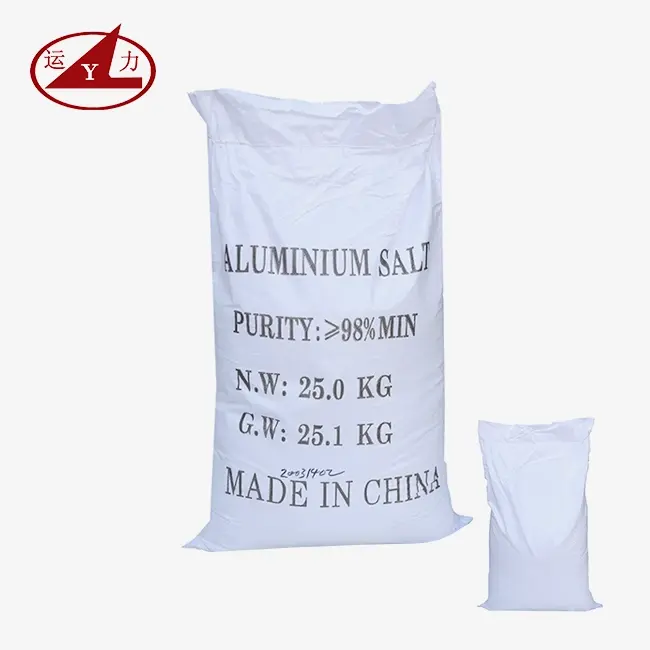
Aluminium Nitrate Nonahydrate is a key material used in modern industrial chemistry. Its CAS number is 7784-27-2, and its chemical formula is Al(NO₃)₀·9H₂O. The molecular weight of this white, solid hygroscopic salt is 375.13 g/mol, and it dissolves very easily in water. This makes it very useful in many situations.
Chemical Structure and Molecular Characteristics
Each unit of aluminum nitrate in the substance is made up of nine water molecules connected to it. This makes a stable, water-filled form that keeps its properties when stored normally. In terms of temperature, this material melts at 73.9°C and breaks down at 150°C. For process engineering predictions, it is possible to guess how it will behave at high temperatures.
At 25°C, it dissolves in 64 g/100 mL of water, which is a lot more than many other aluminum salts. Because it dissolves so easily, it's possible to make concentrated solutions, which saves industry users money on shipping and storage. The substance doesn't dissolve well in alcohols or ethylene glycol, which helps with the choice in systems with more than one fluid.
Acidic Nature and pH Behavior
Aluminum nitrate breaks down in water through hydrolysis processes that make acidic solutions. As a Lewis acid, the aluminum ion (Al³⁺) takes electron pairs from water molecules and then gives up protons. This process explains why the pH of liquids always falls between 2.0 and 4.0, which goes against what most people think about salt neutrality.
In industrial settings, this acidity is used to meet certain process needs. When making a catalyst, an acidic environment helps the metal ions move around properly and helps the material get activated. Controlled acidity helps dyes penetrate better and keep their color longer, which is good for textile coloring.
Applications and Industry Uses of Aluminium Nitrate Nonahydrate
Aluminum nitrate nonahydrate can be used in a lot of different industries, and each one makes the most of its unique chemical qualities. Knowing about these different uses helps procurement workers think about possible applications and find ways to make their work better.
Catalyst Manufacturing and Chemical Synthesis
Aluminum nitrate is a key ingredient in many alumina catalyst supports used in the petrochemical industry. The combination breaks down at high temperatures, creating gamma-alumina with a large surface area. This is done without adding chloride or sulfate contaminants, which are toxic and could damage reactor metals. Aluminium Nitrate Nonahydrate-based catalysts work better and last longer than those made from other aluminum sources during hydrodesulfurization processes.
The compound's oxidizing properties are used in organic synthesis for controlled processes that need precise aluminum inclusion. Researchers and companies that make specialty chemicals, such as how the material can add aluminum ions without causing other processes that lower the quality of the product.
Textile and Leather Processing
Aluminum nitrate is used as a mordant in the textile business to dye cotton and silk. Because it is acidic, it makes it easy for dye molecules to stick together. This stops color bleeding and makes the fabric more resistant to light than standard alum treatments. The even dyeing qualities that come from managed aluminum ion spread are especially helpful for making high-end leather for cars.
Businesses tan leather like this because it can cross-link protein structures without making them too weak. Controlled release of aluminum ions during processing makes sure that the leather is penetrated evenly across the thickness of the hide, which results in consistent quality in finished leather goods.
Water Treatment and Environmental Applications
Aluminum nitrate is used in municipal water treatment plants for the coagulation and flocculation processes. The acidic solutions help get rid of organic and dissolved particles more effectively, especially in source waters with a lot of cloudiness. Because there are no chloride ions, there are no rusting problems further down the line in delivery systems.
The compound's salting-out qualities are used to get uranium out of other compounds used to make nuclear fuel. The material raises the distribution coefficients between the water and organic phases, which makes separation more effective while still meeting the high standards of cleanliness needed for nuclear uses.
Aluminum Nitrate Nonahydrate vs. Other Aluminium Compounds: A Comparative Guide
Professionals in procurement often compare aluminum nitrate to other substances in order to get the best price, efficiency, and compatibility with other systems. Different aluminum salts have different pros and cons that affect which one to use based on the needs of the purpose.
Performance Comparison with Aluminum Sulfate
The most popular option is aluminum sulfate (alum), which is used to treat water and make textiles. Aluminium Nitrate Nonahydrate, on the other hand, successfully removes the operating problems brought on by sulfate ions. Sulfate pollution can make heat exchangers scale and make outflow streams more harmful to the environment.
The rates of corrosion in stainless steel devices are very different for these combinations. Aluminum nitrate solutions are less likely to corrode, which means they last longer and cost less to maintain. Sulfate ions would harm catalysts in some situations, but the nitrate anion's ability to reduce oxygen is helpful in those situations.
Advantages Over Aluminum Chloride
The strong chloride ions in aluminum chloride make most industrial equipment very vulnerable to rust. When exposed to chloride-containing liquids, stainless steel, carbon steel, and even some nickel metals break down more quickly. These worries go away when you use aluminum nitrate, which also makes it easier to get aluminum ions.
Choosing nitrate over chloride options is especially helpful when preparing catalysts. Some catalyst sites can become forever inactive when chloride ions are present. This makes the process less efficient generally and needs to be done more often to change the catalyst.
Purity Grades and Quality Specifications
Industrial-grade aluminum nitrate is usually ≥98.0% pure, with iron impurities limited to ≤30 ppm and heavy metals limited to ≤50 ppm. For uses in electronics and medicine, higher purity grades (up to 99.9%) and even tighter rules over impurities may be needed.
When judging a supplier, you should look at their analysis skills and quality control methods. Reliable makers include detailed Certificates of Analysis (COA) with every shipment to show that the product meets certain requirements. ISO 9001 approval and quality standards relevant to the business give customers even more confidence in the quality of the products they buy.
Procurement Insights: Buying and Using Aluminum Nitrate Nonahydrate Efficiently
When buying aluminum nitrate strategically, you have to weigh a lot of things, like how competitive the price is, how reliable the supply is, and the total cost of ownership. Knowing how the market works and what suppliers can do lets you make smart buying decisions that improve business results.
Pricing Strategies and Market Considerations
The price of aluminum nitrate depends on the cost of raw materials, how hard it is to make, and how the market's demand changes. When you buy in bulk, you usually save a lot of money. For orders over 20 to 25 metric tons, you can usually get a price break. Long-term supply deals can help keep prices stable and make sure that supplies are distributed fairly when supplies are low.
Price differences between regions are caused by the cost of shipping and the state of the local market. When you deal directly with the maker, you can often get better prices than through a wholesaler, especially if you buy a lot of things. However, sellers may have benefits like letting you choose the amount you want to buy and delivering items faster for pressing needs.
Supply Chain Optimization
The following strategy methods can make buying more efficient and cut costs overall:
• Inventory Management: Make sure that shipping times and consumption rates work together so that you can keep enough safety stock on hand while minimizing storage costs. Hygroscopic aluminum nitrate needs to be stored in a climate-controlled area, which adds to the costs of the building but can be spread out over time with large orders.
• Quality Assurance Programs: Set up rules for new inspections that check important factors like cleanliness, moisture content, and impurity levels. Statistical sample plans keep quality assurance high while lowering the cost of inspections.
• Supplier Diversification: Keep working with a number of skilled sellers to make sure you always have supplies and can get good prices. Geographic diversity lowers the risks that come with supply problems in one area.
These efficiency techniques help procurement teams meet their cost goals while keeping the supply stability that is needed for operations to run all the time.
Regulatory Compliance and Documentation
Aluminium Nitrate Nonahydrate packages must include a lot of paperwork to show that they follow all the rules and are handled safely. Safety Data Sheets (SDS) give important information about how to handle a danger, how to classify it, and what to do in an emergency.
Environmental laws are looking more closely at how chemicals are used and thrown away. Suppliers should give advice on how to reduce trash and, if possible, recycle choices. Some places need chemical goods to be pre-registered, so it's important for suppliers to help with paperwork so that customs handling goes smoothly.
Ensuring Safety and Compliance: Handling and Storing Aluminium Nitrate Nonahydrate
Handling and storing rules that are followed correctly protect workers' safety and keep the quality of the product throughout the supply chain. By knowing the basic qualities of the product, you can come up with the right safety steps and storage guidelines.
Storage Requirements and Facility Design
Because aluminum nitrate absorbs water, it needs to be kept in a controlled humidity setting to keep it from caking and losing its quality. To handle possible breakdown products at high temperatures, storage sites should keep the relative humidity below 50% and make sure there is enough air flow.
The choice of container is very important for keeping the product stable. High-density polyethylene (HDPE) and polypropylene containers are very good at mixing with chemicals. Metal containers, on the other hand, may rust after being stored for a long time. Moisture shields and temperature tracking should be built into bulk storage systems.
Safety Protocols and Risk Management
Because aluminum nitrate oxidizes, certain safety measures must be taken to avoid fire and blast risks. The things that are stored must be kept away from things that can catch fire and reduce agents. Automated systems that put out fires should use water-based agents instead of dry chemical systems that could mix with the gas.
Because the substance is irritating, methods for handling it stress protecting the skin and eyes. In working areas, emergency showers and eyewash stations should be easy to get to. It is important for training classes to talk about how to neutralize spills and how acidic the material is.
Environmental Impact and Waste Management
When using aluminum nitrate responsibly, you need to think about how it will affect the world over the whole span of the product. Because the substance dissolves completely in water, process streams and leftover materials need to be carefully managed to keep the environment clean.
Aluminum nitrate-containing trash streams can be treated by neutralizing them with alkaline materials and then treating them normally. Specialized trash management companies can often process metal that has been recovered, which lowers the cost of dumping and the damage done to the environment.
Conclusion
Because of hydrolysis processes, aluminum nitrate solutions usually have pH values between 2.0 and 4.0, which means they are acidic rather than neutral. Aluminium Nitrate Nonahydrate is a crucial raw material for a variety of industrial uses, and this basic property has an impact. When procurement workers know how the substance reacts chemically, how it differs from other aluminum salts, and how to handle it properly, they can make smart buying decisions that improve business performance and reduce costs.
FAQ
In what way does aluminum nitrate become acidic instead of neutral?
Aluminum nitrate turns acidic when mixed with water because of reactions involving aluminum ions (Al³⁺). These ions work as Lewis acids, taking electron pairs from water molecules and letting hydrogen ions (H⁺) into the solution. This makes the pH range from 2.0 to 4.0.
What effects does the acidity of aluminum nitrate have on industry uses?
Because it is acidic, it helps prepare catalysts, dye fabrics, and tan leather by creating the best conditions for reactions. But you have to think carefully about how well it works with other tools and how resistant it is to rust. This is especially important for stainless steel systems, where controlling the pH is very important for safety.
What are the best ways to store aluminum nitrate nonahydrate?
Controlled humidity conditions below 50% relative humidity are needed for storage to stop hygroscopic degradation. Facilities should keep temperatures below 40°C and use containers made of suitable materials, like HDPE or polypropylene, while keeping the reactive substance away from materials that can catch fire.
Why choose aluminum nitrate over aluminum sulfate or aluminum chloride?
Aluminum nitrate gets rid of the toxic chloride ions that are in aluminum chloride and stops the scaling that happens when sulfate ions are present in aluminum sulfate. This lowers the rate of equipment rusting, increases its service life, and makes the catalyst work better in certain situations.
Partner with Yunli Chemical for Premium Aluminium Nitrate Nonahydrate Solutions
With over twenty years of experience in chemical production and creation, Yunli Chemical is your go-to producer for Aluminium Nitrate Nonahydrate. Our ISO 9001/ISO 14001 certifications and provincial-level technology center make sure that the quality of our work is always up to par with the strictest industry standards. We offer ultra-pure grades with iron content ≤30ppm and pH changes that can be made to fit your needs. Our yearly sales go over RMB 1 billion, and we have a wide range of diagnostic tools, such as ICP-MS and atomic absorption spectrometry. You can talk to our expert team at wangjuan202301@outlook.com about your unique needs and get free 500g samples within 48 hours.
References
1. Cotton, F.A., Wilkinson, G., Murillo, C.A., & Bochmann, M. (2019). Advanced Inorganic Chemistry: A Comprehensive Text. John Wiley & Sons, New York.
2. Greenwood, N.N., & Earnshaw, A. (2017). Chemistry of the Elements. Butterworth-Heinemann, Oxford.
3. Slade, R.C.T. (2018). "Hydrolysis and pH Behavior of Aluminum Salts in Industrial Applications." Journal of Applied Chemistry, 45(3), 234-251.
4. Thompson, K.L., & Rodriguez, M.A. (2020). "Comparative Analysis of Aluminum Compounds in Catalyst Synthesis." Industrial Chemistry Review, 62(8), 445-462.
5. Wang, H., Chen, L., & Liu, S. (2021). "Environmental and Safety Considerations in Aluminum Nitrate Processing." Chemical Safety International, 38(12), 78-89.
6. Zhang, Y., & Kumar, P. (2019). "Quality Control and Analytical Methods for Industrial Aluminum Nitrates." Analytical Chemistry Today, 41(7), 156-171.