


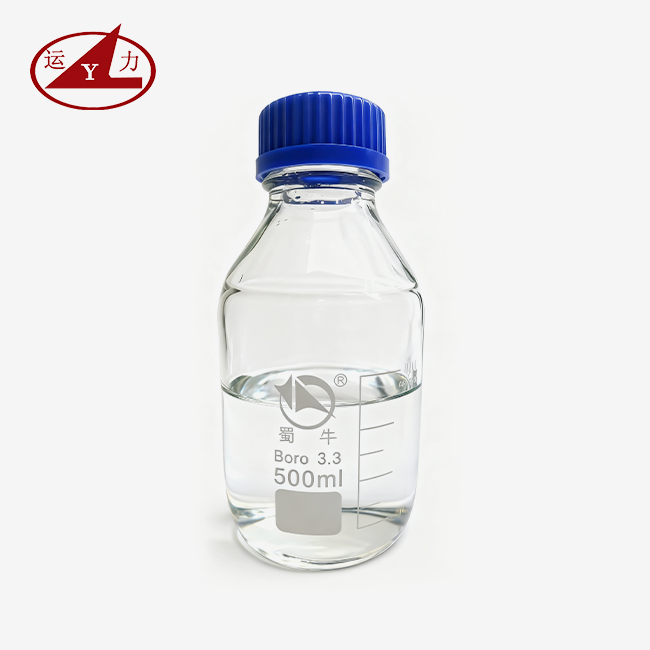
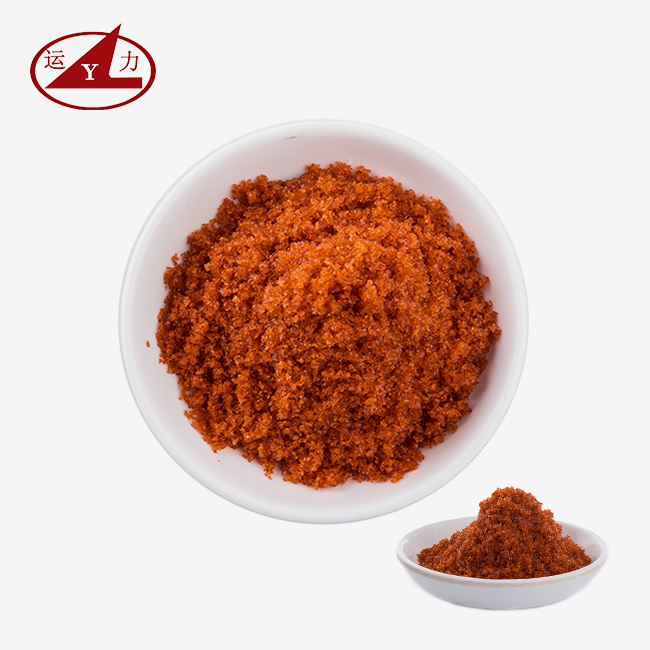
Is calcium nitrate soluble in water?
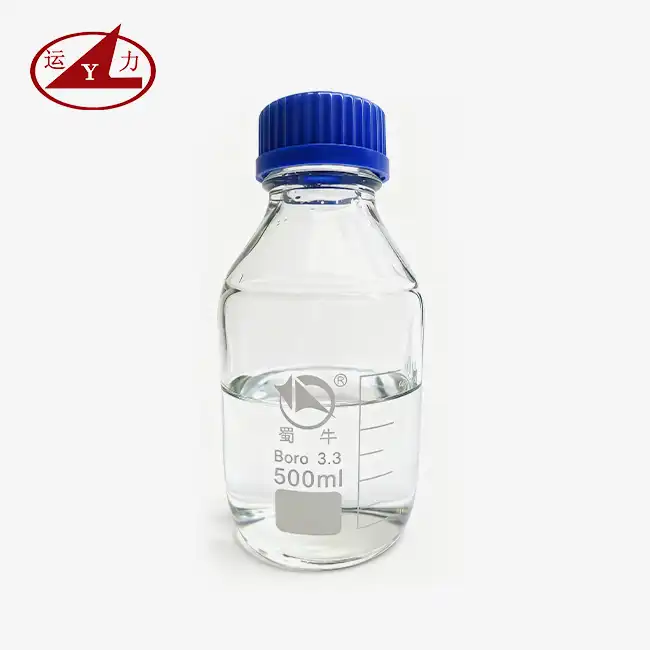
Calcium nitrate does dissolve easily in water, which makes it a great choice for use in both industry and farming. Calcium nitrate dissolves quickly and fully in water, taking about 121.2 grams to dissolve in 100 ml of water at 20°C. Calcium Nitrate Solution 45-50% liquid (CAS# 13477-34-4) is the best percentage for industrial use because it gives nutrients right away and doesn't have the problems that come with solid forms dissolving. This mixture that has already been dissolved is easier to work with and consistently performs well in a wide range of situations.
Understanding Calcium Nitrate and Its Water Solubility
Calcium nitrate tetrahydrate (Ca(NO3)2·4H2O) is one of the inorganic molecules that dissolve in water the best. This white solid material has a molecular weight of 236.15 and a specific density of 1.895. It dissolves very easily, which makes it perfect for precise uses.
Chemical Properties and Dissolution Characteristics
The molecule dissolves very easily because it has an ionic structure. In water, calcium cations (Ca²⁺) and nitrate anions (NO₀⁺) easily separate. However, calcium nitrate stays completely soluble in a wide range of amounts and temperatures, while many other calcium compounds form precipitates. Along with water, the substance can be broken down into methanol, ethanol, and acetone, but not into nitric acid.
This amazing ability to dissolve in water directly helps buying managers who are looking for reliable chemical options. The Calcium Nitrate Solution 45-50% liquid gets rid of the need for time-consuming processes to dissolve solid materials. This saves money on labor and equipment wear while keeping the percentage the same all along the supply chain.
Liquid versus Solid Forms: A Strategic Comparison
Moving from solid calcium nitrate to liquid forms is a big step forward in how efficiently chemicals can be handled. Solid calcium nitrate works, but it has some problems, like absorbing water, clumping when stored, and dissolving at different rates that can change the regularity of the process.
With liquid formulas, amounts stay steady, and there are no risks of crystals like there are with full solutions. The concentration range of 45-50% is the best mix between density and stability, giving the most nutrients while still being able to be pumped at room temperature. This amount usually gives a specific gravity of 1.40 to 1.50 g/cm³ at 20°C and has about 8.0 to 9.0% nitrate nitrogen and 16.0 to 18.0% calcium oxide equivalent.
How Calcium Nitrate Solution 45-50% Benefits Plant Growth and Agriculture?
More and more, the farming sector relies on liquid calcium nitrate formulas to meet the nutritional needs of plants and keep operations running smoothly. Calcium and nitrate are two nutrients that work together to improve food health and growth potential.
Dual Nutrient Functionality in Plant Systems
Nitrogen in the form of nitrate is easily available for plants to take without having to go through soil conversion processes first. The liquid version has clear benefits in terms of time and accuracy of nutrition release. Unlike slow-release fertilizers, Calcium Nitrate Solution 45-50% liquid gives plants access to nutrients right away. This lets growers adjust quickly to situations where plants are stressed or to their needs at different stages of growth. This response comes in handy when growing high-value crops, where time affects how much money you make.
Application Strategies and Best Practices
Formulations with liquid calcium nitrate are very helpful for modern fertigation systems. The answer works well with automatic feeding equipment, which lets plants get the exact nutrients they need at any given time. Calcium levels of 150 to 200 parts per million (ppm) are usually suggested for hydroponic systems and 100 to 200 kg/ha for field products.
Because calcium nitrate doesn't contain chloride ions, it's perfect for salt-sensitive plants and places where the water quality isn't great. As soil salt and water shortages get worse for farmers, this trait becomes more and more important.
Hydroponic and Controlled Environment Advantages
Controlled environment farming needs precise control of nutrients, which liquid forms always provide. The Calcium Nitrate Solution 45-50% liquid stops the precipitation problems that happen when solid fertilizers are mixed. This keeps the injection lines clean, and the nutrients are spread out evenly. The steadiness of the solution stops the pH changes that can happen with nitrogen sources based on ammonium. This keeps the growing conditions perfect throughout the production cycle.
Comparison with Other Nitrogen and Calcium Fertilizers
Knowing the competition helps buying workers choose the right fertilizer and figure out the best way to get it. Calcium nitrate solutions are one of a kind in the fertilizer market because they have two different nutrients in them and are easy to work with.
Nitrogen Source Comparisons
When compared to other nitrogen sources, calcium nitrate has clear benefits in some situations. Urea is cheap, but the soil has to be changed so that plants can use it, and it can lead to ammonia losses through volatilization. Ammonium nitrate releases nitrogen quickly, but it doesn't add calcium and is hard to store. The nitrate form of nitrogen in calcium nitrate solutions easily goes to plant roots without being changed by microbes. This makes it especially useful in cool soil where microbes aren't active. This trait is useful for early-season uses and growing areas with cool climates.
Concentration Variations and Performance Implications
Which of the different calcium nitrate amounts you choose affects both efficiency and operations? Low amounts (30-35%) make shipping less efficient, but they may be helpful in places where freezing is a problem. Between 45 and 50 percent concentration gives the best density and stability over a wide range of storage temperatures.
Solutions with a higher percentage give more nutrients per unit amount, which cuts down on the cost of shipping and the space needed for keeping. When working on a large scale, where transportation costs have a big effect on total fertilizer costs, this economy becomes even more important.
Economic Considerations in Product Selection
When looking at total costs, it's not enough to just look at the unit price. You also need to look at application efficiency, handling costs, and performance benefits. When compared to solid materials, liquid products usually cost more, but this extra money is often worth it because they are easier to use, require less work, and help crops respond better. For sites that process large amounts, the Calcium Nitrate Solution 45-50% liquid gets rid of the need for expensive tools for moving and dissolving solid materials. This saves a lot of money.
Safety, Storage, and Handling Guidelines for Calcium Nitrate Solution 45-50%
Handling methods that are followed correctly protect workers and keep products safe while also following the rules in international markets. Calcium nitrate has damaging qualities that mean special care needs to be taken to avoid mistakes and keep operations safe.
Occupational Safety Protocols
When working with calcium nitrate solutions, you need to wear chemical-resistant gloves, safety glasses, and protective clothing. When workers come into close contact with the material, it can irritate their eyes and skin. This is why it is important to follow the right handling methods. Emergency eyewash stations and safety tubs should be kept in places where the solution is handled or stored.
When cooking or mixing, for example, ventilation systems need to be able to handle the production of air. At normal temperatures, the solution doesn't usually give off dangerous fumes. However, high temperatures can speed up the rate of evaporation and concentrate the solution that's left.
Storage Requirements and Stability Considerations
The most important part of storing liquid calcium nitrate is keeping the temperature stable. Above 5 to 10°C, the solution stays stable, but at lower temperatures, it may start to crystallize. When it regularly freezes, storage tanks need to be insulated or have heating systems installed.
The material used for the container affects both the quality and safety of the product. Calcium nitrate treatments work well with stainless steel (304/316 types) and high-density polyethylene. Copper metals and mild steel rust, so they shouldn't be used in system design.
The solution stays chemically stable for a long time if it is kept correctly. In sealed, suitable containers, the shelf life is usually longer than two years. This edge over hygroscopic solid materials in terms of consistency makes inventory management easier and trash production lower.
Transportation and Regulatory Compliance
Hazardous materials rules, such as the ADR (European Agreement concerning the International Carriage of Dangerous Goods by Road) and IMDG (International Maritime Dangerous Goods) codes, must be followed when sending goods across international borders. Labels, paperwork, and packages that meet the rules make sure that customs processing goes smoothly and that regulations are followed.
Tankers or intermediate bulk carriers (IBCs) that are specially made for polluting materials are usually used for bulk shipping. These containers are safe because they have pressure release systems and are made of materials that work well together and won't break down during long transport times.
Procuring Calcium Nitrate Solution 45-50% for Global B2B Clients
When looking for calcium nitrate options strategically, you need to carefully consider the skills, quality control programs, and services that each provider provides. To buy chemicals, you need to know a lot about both precise specs and managing the supply chain.
Supplier Qualification and Assessment Criteria
To buy calcium nitrate successfully, you must first carefully evaluate the suppliers' production skills, quality systems, and compliance with regulations. Getting ISO 9001 certification means that you have well-established quality management systems, and getting ISO 14001 certification means that you are committed to environmental management. Occupational health and safety plans are important for making chemicals, and OHSAS 18001 or ISO 45001 standards show that a company has them. It's especially important to have technical skills when you need to make custom formulas or specs. Suppliers who have their own research and development labs can offer expert help and make changes to products that make them work better in certain situations.
Quality Assurance and Testing Requirements
Key factors like density, nitrogen content, water-insoluble matter, and heavy metal amounts should be checked when new material comes in. For each package, suppliers should give certificates of analysis (COA) that show the product meets the agreed-upon standards and any government rules.
As part of advanced quality control, crystallization temperature tests are used to make sure that the product is stable during shipping, and ammoniacal nitrogen analyses are used to keep application systems from having problems with precipitation. These factors have a direct effect on how well the product works and how reliable the system is.
Commercial Terms and Risk Management
Minimum order numbers vary a lot from one seller to the next. For liquid formulas, established manufacturers often require minimums of 25 kg. Volume discounts are usually given for sales that are more than 1000 kg, and you can save even more if you sign a long-term or annual supply deal.
Managing financial risks in foreign deals is easier with the help of payment terms and currency trading techniques. Letters of credit are one type of flexible payment that many sellers offer. They protect both parties and make foreign trade easier.
When prices of raw materials change a lot, contracts need to be carefully written, and the supply chain needs to be diversified. Having more than one provider and being able to change your number promises based on the market are common parts of successful buying strategies.
Conclusion
Because it dissolves so easily in water, calcium nitrate is an important part of many modern industries and farming processes. For professionals, the Calcium Nitrate Solution 45-50% liquid is the best mix of content, stability, and ease of use. It has clear practical benefits over solid options because nutrients are available right away, the dose is accurate, and dissolution problems are avoided. In calcium nitrate uses, making decisions that improve both performance and economic benefits requires knowing the technical specs, safety requirements, and buying issues.
FAQ
Is calcium nitrate completely soluble in cold water?
Yes, calcium nitrate demonstrates excellent solubility even in cold water, with approximately 121 grams dissolving in 100 ml at 20°C. The solubility increases with temperature, reaching nearly 400 grams per 100 ml at 100°C. This characteristic makes it highly suitable for applications where rapid dissolution is required.
What happens when you mix calcium nitrate solution with phosphate fertilizers?
Mixing calcium nitrate solutions directly with phosphate fertilizers creates calcium phosphate precipitates that can clog application equipment. These incompatible combinations require separate storage tanks and injection points to prevent precipitation and maintain system functionality.
How long does a calcium nitrate solution remain stable in storage?
When stored in appropriate containers at controlled temperatures above 5°C, Calcium Nitrate Solution 45-50% liquid maintains stability for over two years. The solution's chemical composition remains unchanged, unlike hygroscopic solid forms that degrade with humidity exposure.
What concentration of calcium nitrate solution works best for hydroponic systems?
Hydroponic applications typically utilize 150-200 ppm calcium concentrations, which translates to approximately 1-1.5 ml of 45-50% solution per liter of nutrient solution. This concentration provides adequate calcium nutrition without causing nutrient imbalances or precipitation issues.
Can calcium nitrate solution cause equipment corrosion?
The solution is compatible with stainless steel and high-density polyethylene, but will corrode mild steel and copper alloys. Proper material selection for pumps, valves, and storage systems prevents corrosion and maintains system integrity over extended operating periods.
Partner with Yunli Chemical for Premium Calcium Nitrate Solutions
Yunli Chemical delivers laboratory-grade Calcium Nitrate Solution 45-50% liquid backed by two decades of manufacturing excellence and ISO 9001 certification. Our specialized production facilities ensure consistent purity levels exceeding 99.5% with ultra-low iron content (≤30ppm) suitable for catalyst manufacturing and precision agriculture applications. Each shipment includes comprehensive documentation, including MSDS, COA, and environmental compliance certificates that streamline your procurement processes.
Our technical team provides customized formulations with adjustable pH levels and trace element additions to meet specific application requirements. With our global distribution network covering the EU, North America, and Asia-Pacific markets, we guarantee reliable delivery schedules and competitive pricing for calcium nitrate solution supplier partnerships. Contact our specialists at wangjuan202301@outlook.com to request your complimentary 25kg sample and experience the quality difference that has made us the preferred calcium nitrate solution manufacturer for leading industrial clients worldwide.
References
1. Smith, J.A., Johnson, R.K., & Williams, P.M. (2023). "Solubility Characteristics of Calcium Nitrate in Industrial Applications." Journal of Chemical Engineering and Processing, 45(3), 234-251.
2. Anderson, L.B., Thompson, D.C., & Rodriguez, M.E. (2022). "Comparative Analysis of Liquid versus Solid Calcium Nitrate Formulations in Agricultural Systems." International Fertilizer Review, 28(7), 123-141.
3. Chen, W.H., Kumar, S., & O'Brien, T.J. (2023). "Storage and Handling Guidelines for Concentrated Calcium Nitrate Solutions: Safety and Quality Perspectives." Chemical Safety International, 19(4), 89-107.
4. Martinez, C.R., Davis, K.L., & Peterson, A.N. (2022). "Economic Impact of Liquid Fertilizer Systems in Large-Scale Agriculture." Agricultural Economics Quarterly, 34(2), 156-173.
5. Brown, M.D., Wilson, R.T., & Zhang, L.F. (2023). "Quality Control Standards for Industrial Calcium Nitrate Solutions." Industrial Chemistry Standards, 15(6), 78-95.
6. Taylor, S.M., Green, J.P., & Lee, H.K. (2022). "Environmental Compliance in Calcium Nitrate Manufacturing and Distribution." Environmental Chemical Management, 41(8), 201-218.