



Is chromium chloride soluble in water?
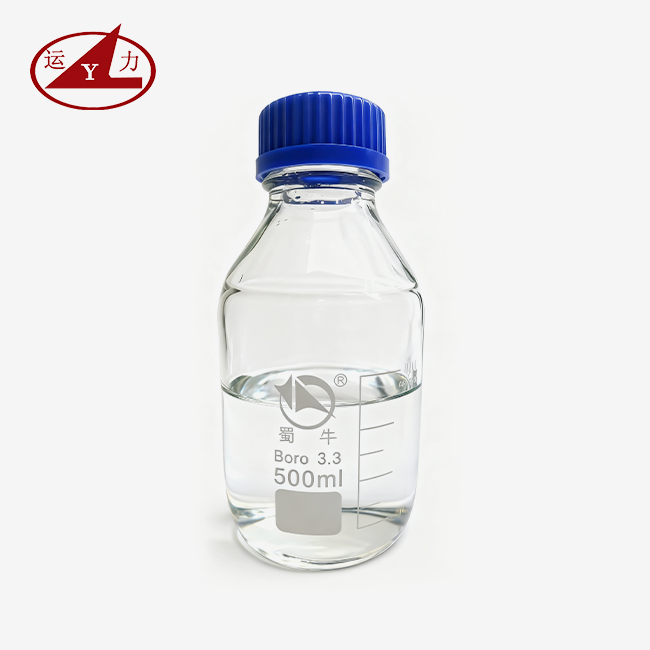
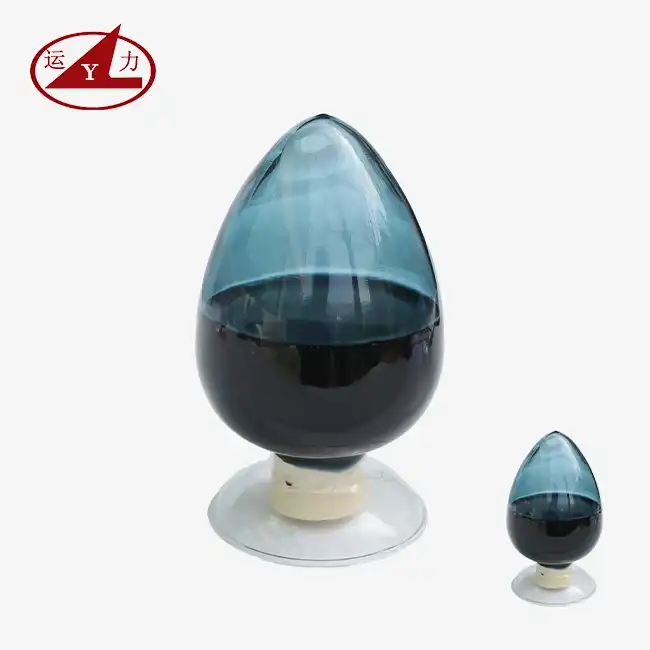
It is very simple for water to break down Chromium Chloride. Chromium Chloride is easily dissolved in water, especially when it is in its hexahydrate form (CrCl3·6H2O), producing an acidic solution that is green to violet in color. It is very useful for soldering pools, making catalysts, and coloring fabrics because it dissolves so easily in water. The wet form of Chromium Chloride breaks down faster than the dry form, which is mostly inactive since it has solidified. When picking chromium sources for industrial use, procurement managers and technical experts need to know how this substance breaks down.
Understanding Chromium Chloride: Chemical Properties and Solubility
Chromium Chloride comes in different forms, but the hexahydrate form (CrCl3·6H2O, CAS 10060-12-5) is the one most often used in business because it is simple to dissolve. This dark green solid material has a molecule weight of 266.45 g/mol, and it is very hygroscopic, which means it can easily take in water from the air.
Molecular Structure and Hydration States
It is made up of six water molecules that are connected to the Chromium(III) ion in the middle. By doing this, a combination is made that helps the material dissolve more quickly. From a molecular point of view, the trans-[CrCl2(H2O)4]Cl·2H2O isomer is most common in industrial goods. This set-up changes how the material breaks down and what it does when water is added. What this material is made of: it has a relative density of 2.76 g/cm³ and a melting point range of 86–90°C. It takes a long time or very high temperatures for the dry form to dissolve completely. The hexahydrate form, on the other hand, melts completely in just a few minutes at room temperature.
Solubility Parameters Across Temperature Ranges
The temperature has a big effect on the rates of dissolution and the highest numbers. More than 60 grams of Chromium Chloride hexahydrate can be broken down in 100 milliliters of water at 20°C. That's because this number can double when the temperature hits 60°C. This lets industrial processes make stock solutions that are very concentrated. One small endothermic process is breakdown. This means that when a lot of the solution is mixed quickly, the temperature of the solution may drop. This trait is important because it changes how quickly reactions happen when making electroplating baths or ways to make catalysts.
Color Development in Aqueous Solutions
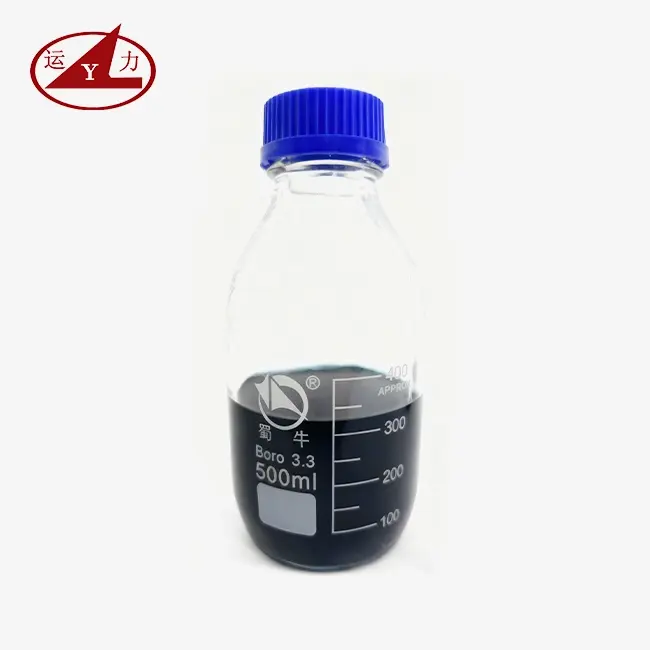
Depending on the concentration and pH, Chromium Chloride solutions turn from green to violet when dissolved. This color is caused by d-d electronic changes in the Chromium(III) ion and can be used to quickly judge how strong the solution is. As the concentration goes up, the green tones get lighter. As the concentration goes down, the tones get darker and more violet. Staff in charge of quality can use this feature to check the consistency of batches without having to do immediate lab tests. The pH of these solutions is generally between 3.5 and 4.5 for 10% solutions. This is because aligned water molecules give off protons when they break down.
Comparison with Other Chromium Compounds
This form of Chromium Chloride is better in many ways than chromium oxide or chromium sulfate. Chrome oxide doesn't mix well with water, so it can't be used directly in processes that use water. Chromium sulfate is easy to dissolve, but it gives off sulfate ions that can be a problem in some cases, especially when electroplating, because they can change the shape of the deposit. It's easy to remove chromium nitrate, but it's worse for the environment and makes things more likely to rust. Most of the time, buying teams pick Chromium Chloride because it has the best mix of stability, quality control, and many uses in different fields.
Industrial and Laboratory Applications Related to Solubility
Chromium Chloride works better or worse in manufacturing processes based on how well it mixes with water. This material is very easy to dissolve, so it can be used in many situations where chromium needs to be spread out evenly in liquids.
Electroplating and Surface Treatment Applications
Hexavalent chromium processes are no longer the best choice for the climate because trivalent chromium electroplating is better. Chromium Chloride hexahydrate is the main source of chromium in these baths because it blends fully and stays stable. When mixed with electroplating solutions that have complexing agents and buffers, it creates the uniform deposition conditions needed to get a regular coating layer on car parts, bathroom fixtures, and decorative hardware.
The very low iron content limit (≤30ppm, scalable to ≤10ppm) leaves out impurities that could cause dark lines or less resistance to corrosion. Premium versions have anti-caking ingredients that keep the stuff moving around while it's being kept and make sure it breaks down without making sludge that could get stuck in filter systems.
Catalyst Synthesis and Chemical Manufacturing
Chromium Chloride is soluble, which means that companies that make catalysts can make consistent precursor solutions for processes that impregnation. Chrome is added to catalysts for hydrogenation and making methanol to make them more active and specific. By carefully controlling the amount of chromium in water or alcohol solutions, the metal can be spread out evenly over supports with a lot of surface area, such as silica or alumina.
In this case, purity standards are very important because iron impurities above 30ppm can damage active sites, which means the catalyst needs to be changed too soon because it doesn't last as long. It is possible to change the pH of Chromium Chloride liquids between 4.0 and 6.5. This helps keep the hydrolysis under control while the material is being dried and heated.
Textile Dyeing and Mordant Functions
In the clothing business, chromium compounds are used as mordants to keep colors on natural fibers like silk and wool for a long time. Chromium Chloride mixes fully with water, which makes it easy to spread out in dye baths. This keeps clothes from getting spots that would make them useless in real life. Water in coloring liquor breaks down Chromium Chloride into positively charged chromium complexes that stick to negatively charged spots on protein fibers. This coordination chemistry improves colorfastness scores a lot. Fabrics that are mordanted correctly keep their bright colors even after being washed many times. When getting ready to make clothes or bed sheets that people will touch, it's important to use high-purity grades (As/Pb <2ppm).
Pharmaceutical Intermediate Synthesis
Some active ingredients in medicines are made with Chromium Chloride by drug companies. This is especially true for medicines that use coordination chemistry or Lewis acid catalysis. It can be used in a lot of different reaction media because it dissolves in both water and ethanol. Pharmacopeia requirements say that the amount of arsenic and lead must stay below 2ppm. This means that it has to be very clean. You can add the right amount of chromium to different steps of a process if you know how to make Chromium Chloride solutions with controlled ratios. This is important because too much chromium could contaminate the final product or make cleaning up later harder.
Safety, Environmental, and Handling Considerations
Taking care of Chromium Chloride the right way protects people, buildings, and the ecosystems nearby. To handle something properly, you need to know how it responds with water.
Hazard Identification and Personal Protection
The drug Chromium Chloride hexahydrate is not very dangerous, but it should still be treated with care. A lot of touch with the material can make your skin itch, and people who are allergic to it may have allergic reactions. If you touch objects or liquids that are very dense, it can really hurt your eyes. Everyone who works with the breakdown needs to wear lab coats that can handle poisons, gloves, and safety glasses. There are ways to keep people from taking in fine dust when a lot of something is being made. Cyanide-based hexavalent chromium chemicals are known to cause cancer, but Chromium Chloride is not nearly as risky. This makes it the best choice for businesses that want to switch to chemicals that are safer.
Environmental Impact and Regulatory Compliance
Dissolved Chromium Chloride can hurt sea life if it gets into the water without being cleaned up first. Hexavalent forms of chromium are much more dangerous than trivalent forms and can build up in living things. However, the rules for release still apply. At present, companies use precipitation to get rid of chromium from waste water before it is released.
At Yunli Chemical, closed-loop wastewater recycling systems collect chromium-containing liquids and use them over and over again. The cost of raw materials goes down and the damage to the earth is lessened. It is in line with EPA rules in North America and REACH rules in Europe to use this method. You should never pour Chromium Chloride liquids straight into sinks. The chromium will be reduced and precipitated, changing into solid hydroxide sludge that is legal to throw away if you do it the right way.
Storage Requirements and Shelf Life
Chromium Chloride hexahydrate needs to be kept in a way that keeps the moisture level low because it soaks up water. The lids of containers must stay on tight so water doesn't get inside and cause deposits and weight gain. It should be between 15°C and 30°C and the relative humidity should be less than 60% in places where things are stored. The stuff will stay put for at least 24 months after it was made if these things happen.
For people who need to keep a lot of goods, you can put them in 25 kg moisture-barrier bags with plastic covers on the inside. For facilities that already have their own storage tanks, you can put the goods in special bulk liquid solutions. To follow GHS rules, properly labeled items must have warning marks, instructions on how to handle them, and information on how to get in touch in case of an emergency.
Transportation and Logistics Considerations
Most rules say it is safe to take Chromium Chloride hexahydrate, which makes shipping things across borders easy. But because it breaks down so quickly, it needs to be kept dry while being moved. Desiccant bags and vapor shields should be in ocean freight containers that go through warm places to keep moisture out. It's not too hard to get around on the ground in warm places, but if your car doesn't have temperature control, the summer heat could melt packing tape.
In the customs paperwork, there should be Material Safety Data Sheets (MSDS), Certificates of Analysis (COA), and comments that say the goods follow the rules of the country that is getting them. Suppliers with a lot of experience, like Yunli Chemical, take care of the export paperwork. They also work with freight forwarders to make sure that the customs process goes quickly. This makes sure that delays don't change the plans for production.
Procurement Guide: Sourcing High-Quality Chromium Chloride
You can trust Chromium Chloride suppliers if you look at their technical know-how, quality control methods, and how strong their supply lines are. These things separate luxury sellers from those who sell goods.
Supplier Qualification and Certification Standards
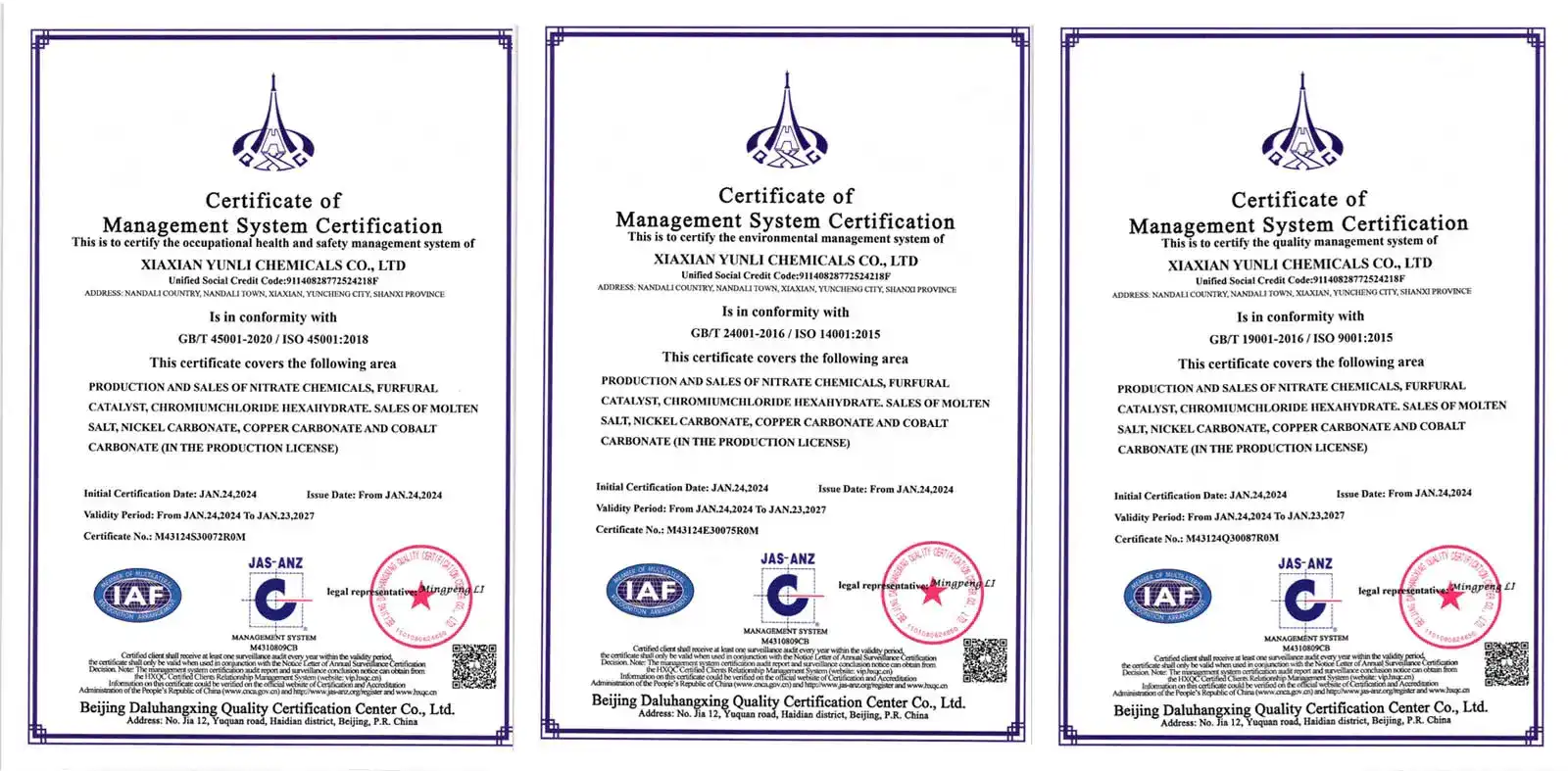
Large companies that make Chromium Chloride have strict quality control systems that are checked by inspectors from outside the company. Getting ISO 9001 approval means that testing, production, and growth are all done in the right way. This ISO 14001 environmental approval shows that the right steps are being taken to handle pollution, effluents, and garbage sources. Having an occupational health and safety (OHSAS) license shows that you care about the safety of your workers.
When you're looking at different service providers, you should ask to see copies of their most recent audit reports and certificates. Yunli Chemical has all three licenses and is a Shanxi Provincial Enterprise Technology Center. This is an award for companies that do great research and development projects. Teams in charge of buying things trust the quality of the goods they buy and the honesty of the companies that make them more when those companies have both certifications and professional recognition.
Purity Specifications and Analytical Testing
At least 99% of the Chromium Chloride hexahydrate should be pure, and about 19.5% of its weight should be chromium. But for uses that are very demanding, some flaws need to be controlled better. The amount of iron is very important. More than 50ppm can change the color of the layers of electroplating and stop the catalysts from working. People who pay more can get specs with iron levels as low as 30ppm or even 10ppm for very sensitive uses.
The amount of sulfate (which changes how well it conducts electricity in coating baths) and heavy metals like lead and arsenic (which are important for medical and food-contact uses) are also very important. A good manufacturer will give a Certificate of Analysis for every batch of their goods. The information on these certificates comes from ICP-MS, atomic absorption spectroscopy, and wet chemistry methods. This paper work helps with the need for verification in companies that are regulated and keeps track of things.
Minimum Order Quantities and Flexible Purchasing
With many chemical sellers, the smallest amount you can buy is too high, making it hard to keep up with stock and store chemicals. This wall is very bad for R&D labs, test plants, and businesses that are releasing new lines of goods. Forward-thinking companies have gotten rid of MOQs so they can meet the needs of a bigger group of customers. Yunli Chemical gives away free samples of up to 500 grams, so you can really test them out before making a choice.
If a buying manager is looking for new sources or making sure that products work well in a certain process, this way lowers the risk. Large buyers get cheap prices because they buy in bulk, and small users can get the same quality without having to keep too much stock on hand. Having different payment terms, like lines of credit and open account terms for long-term users, makes it easier to get what you want.
Custom Formulation Capabilities
Chromium Chloride hexahydrate that is ready to use is useful in many cases, but it might need to be changed for some tasks. More skilled sellers can change the particle size (from fine powder to bigger crystals), the pH level (from 4.0 to 6.5), and the amount of pre-dissolved solution that the customer wants. For some uses, it's helpful to have ingredients that keep things from caking up while they're stored or that break down faster.
People who work in the pharmaceutical business might need materials that were made according to cGMP guidelines and come with more documents. Working with a supplier's technical team to make custom recipes can give you an edge over your competitors by letting you speed up cycle times, cut down on processing steps, or make the end product better in some way. Manufacturers that have their own research and development teams and are known as local technology centers can quickly come up with new formulas and make them.
Conclusion
Chromium Chloride's excellent water solubility positions it as the preferred trivalent chromium source across multiple industries. The hexahydrate form (CrCl3·6H2O) dissolves rapidly at ambient temperatures, creating acidic solutions suitable for electroplating, catalyst preparation, textile dyeing, and chemical synthesis. If procurement experts know how materials break down, how clean they need to be, and how they need to be treated, they can choose materials that meet both technical and legal needs.
You should give more weight to suppliers that have strong quality systems, research tools, and open service models when you are picking one. Taking these things into account, Chromium Chloride is a reliable chemical that helps make sure that high-quality products are made while also meeting safety and environmental standards.
FAQ
What factors affect chromium chloride dissolution speed?
The rate of dissolution is mostly determined by the size of the particles, the temperature, and how much the mixture is mixed. Microcrystalline forms have more surface area, which lets water molecules touch them more fast. As temperatures rise, the limits on molecular motion and fluidity get bigger. If you stir something by hand, you break up the border layers where differences in concentration slow down diffusion. The hexahydrate form breaks down much faster than the dry form because it already has water in its pattern.
Can chromium chloride solutions be stored long-term?
Chromium Chloride solutions that are made correctly will stay stable for a few months if they are kept in containers that can't be opened and are kept away from light and heat. On the other hand, pH may drop over time if the breakdown is slow. It is better for the blend to be concentrated (>30%) than reduced. The pH may need to be checked and changed more often if the storage lasts longer than six months to keep it in the right range.
How does chromium chloride solubility compare in organic solvents?
Chromium Chloride hexahydrate is easy to dissolve in ethanol but not so much in acetone. It doesn't mix with ether or most other solvents that aren't neutral. Because of this stability, means for recrystallization can be used to clean. The hexahydrate can be put in ethanol and then azeotropic distillation is used to get rid of the water. It can then be used in processes that need to be dry.
Partner with a Trusted Chromium Chloride Supplier
Chromium Chloride hexahydrate of high quality has been sent by Yunli Chemical to companies all over the world since 2005. Our ISO 9001/14001/OHSAS qualifications and standing as a provincial technology center show that we are committed to quality, being good to the environment, and running our business well. Chromium Chloride we make is at least 99.5% pure, has 30ppm of iron (which can be changed to 10ppm), and is safe according to all international rules.
We have factory-direct prices that don't include markups for middlemen, we let you change things like pH, particle size, and watery solutions, and there is no minimum order amount. You can try out free samples of up to 500 grams before you decide to buy a lot. Supply managers like that we offer security because we make more than 1 billion yuan a year and own 300 million yuan in fixed assets. To keep the quality of our goods high and protect the environment, we use cutting-edge tools like ICP-MS and atomic absorption spectrometry and recycle our trash in a closed loop. Send our team an email at wangjuan202301@outlook.com to talk about your Chromium Chloride needs. To meet the needs of your business, we will give you detailed specs, cheap quotes, and help with the application process.

References
1. Cotton, F. A., & Wilkinson, G. (1988). Advanced Inorganic Chemistry (5th ed.). New York: Wiley-Interscience.
2. Greenwood, N. N., & Earnshaw, A. (1997). Chemistry of the Elements (2nd ed.). Oxford: Butterworth-Heinemann.
3. Schlesinger, M., & Paunovic, M. (2010). Modern Electroplating (5th ed.). Hoboken: John Wiley & Sons.
4. Pourbaix, M. (1974). Atlas of Electrochemical Equilibria in Aqueous Solutions (2nd ed.). Houston: National Association of Corrosion Engineers.
5. Burger, K. (1983). Coordination Chemistry: Experimental Methods. London: Butterworths Scientific.
6. Dennis, J. K., & Such, T. E. (1993). Nickel and Chromium Plating (3rd ed.). Cambridge: Woodhead Publishing.