


Is chromium nitrate soluble in water?
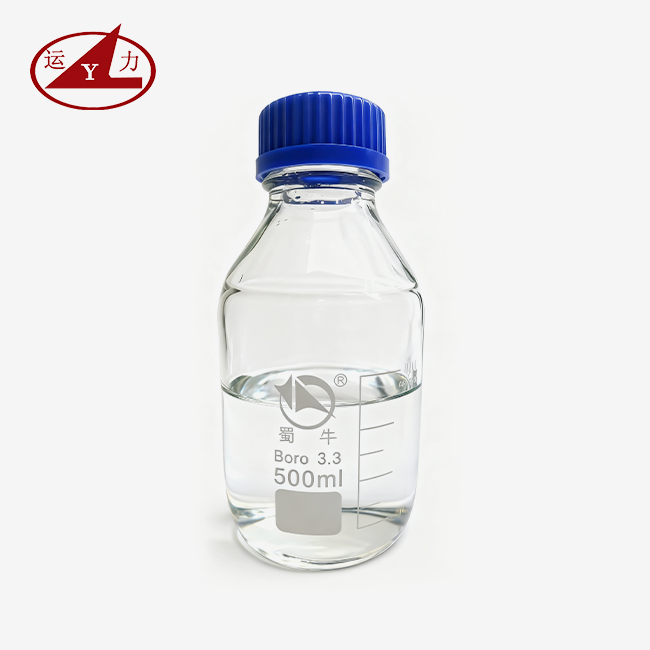
The short answer is yes, Chromium Nitrate does dissolve very easily in water. Chromium Nitrate Nonahydrate, whose molecular formula is Cr(NO₃)₃·9H₂O, is easily dissolved in water at a temperature of 20°C, where it amounts to about 81 grams per 100 milliliters. Because it dissolves so easily in water, it is a popular source of trivalent chromium in industries like textiles, electroplating, and making catalysts, where quick dissolving and uniform solution preparation are important for running the business.
When I first started working with chemical sourcing teams in the surface treatment business, there was one question that came up over and over again: how does the solubility of chromium compounds affect how quickly and consistently products are made? After working at Yunli Chemical for almost twenty years, I've learned that knowing about solubility isn't just for school—it has a direct effect on your bottom line, your ability to follow regulations, and the stability of your operations.
Understanding Chromium Nitrate and Its Solubility
Chemical Structure and Molecular Properties
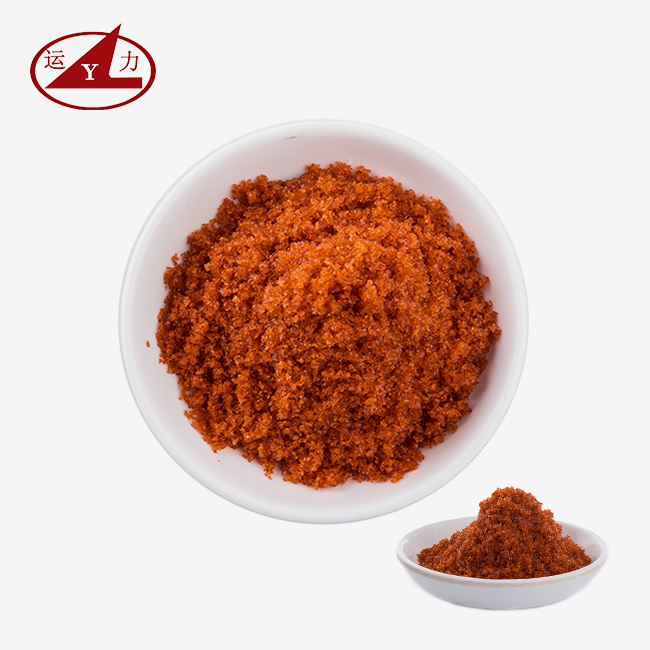
Chromium Nitrate Nonahydrate (CAS 7789-02-8) is a kind of rock that is dark purple-red and has a molecular weight of 400.15 g/mol. The structure of the chemical is made up of nine water molecules, three nitrate groups, and a center Chromium(III) ion. This wet crystalline form is naturally hygroscopic, which means it takes water from the air easily. This shows how much it likes water at the molecular level.
The nitrate anions around the chromium center are very polar, which means they have strong electrostatic interactions with water molecules. When it comes into contact with water, the large network of hydrogen bonds between water molecules and the nitrate groups as well as the nine ordered water molecules makes breakdown quick and easy. The reason Chromium Nitrate dissolves better than other chromium salts is because of its chemical structure.
Temperature-Dependent Solubility Characteristics
When procurement workers create storage and application protocols, they need to keep in mind that solubility performance changes a lot when the temperature changes. About 81 grams of Chromium Nitrate dissolve in 100 milliliters of water at 20°C. When the temperature goes up to 40°C, the solubility goes up to about 125 g/100 mL. This is a normal positive temperature index for inorganic nitrates.
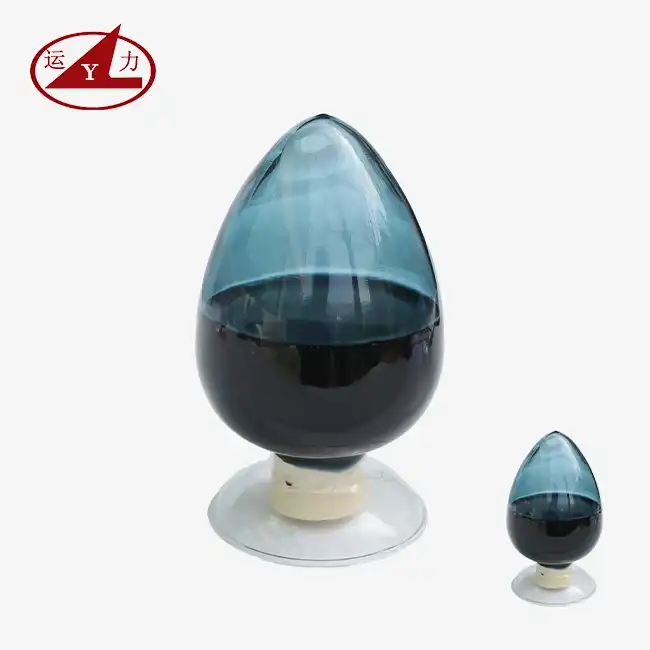
The watery solution changes from its normal purple-red color to green above 60°C, then back to purple when it cools down. This is an interesting temperature behavior. This color change that can be undone is caused by changes in the binding sphere of chromium ions. It doesn't affect the compound's ability to dissolve or function chemically, though. Technical engineers can tell the difference between normal temperature effects and quality problems that could happen during production processes when they understand this phenomenon.
Solubility in Alternative Solvents
Besides water, Chromium Nitrate dissolves very well in polar organic solvents like acetone, ethanol, and different chemical acids. Because of this, formulators can come up with unique solutions for uses that need non-aqueous media. In cases where fast evaporation is needed, like in some coating uses or analytical processes, ethanol solutions are very useful.
The compound's ability to dissolve in acidic media gives formulators more options. Chromium Nitrate is very stable in weak nitric acid solutions because it doesn't combine with water like it might at neutral or alkaline pH levels. When making catalyst precursor solutions or specialized metal treatment formulations, where pH control decides how well the finished product works, this acid compatibility becomes very important.
Critical Factors Affecting Solution Stability
The safety of Chromium Nitrate liquids over time depends on a number of factors. The pH level is very important; solutions that are kept between 2.0 and 4.0 are the most stable and don't break down easily, which stops the formation of chromium hydroxide precipitates that can't be dissolved. At Yunli Chemical, we adjust the pH of solutions between 5.0 and 7.0 based on the needs of the application. This makes sure that the solutions are stable enough for your working conditions.
Levels of concentration also have an effect on steadiness. When the temperature changes, highly concentrated liquids that are getting close to their saturation points are more likely to crystallize. Most storage guidelines say to keep concentrations between 70 and 80% of the saturation levels for normal circumstances. Another thing to think about is light exposure. Long-term UV exposure can possibly start photochemical processes, but Chromium(III) compounds are more resistant to light than Hexavalent Chromium species.
Practical Implications of Chromium Nitrate Solubility in Industrial and Lab Settings
Applications in Electroplating and Surface Treatment
How well Chromium Nitrate works in trivalent chromium plating baths is directly related to how well it dissolves. Instead of the usual Hexavalent Chromium methods, trivalent systems using Chromium Nitrate create coatings that are RoHS and REACH-compliant without lowering the defense against rust. The fast dissolve feature makes it easy to set up the bath quickly and change the concentration during production runs.
Our pharmaceutical-grade Chromium Nitrate, which has an iron content below 30 ppm and chloride levels that can be changed, stops gunk from forming, which is a problem that many electroplating operations have. Technical experts like that the full dissolution gets rid of the need for filtering and makes the bath last longer. When operations switch from hexavalent to trivalent chromium systems, they report a 99.9% drop in toxicity while still meeting the quality standards needed for coatings in aerospace and car uses.
Catalyst Preparation and Chemical Synthesis
Because Chromium Nitrate is soluble, it can be used to soak up alumina or silica supports in hydrogenation and polymerization catalyst production. The homogeneous solutions make sure that the chromium is spread out evenly across the porous support structures. This increases the number of active sites and the efficiency of the catalysts. The nitrate breaks down completely during calcination, leaving behind no harmful substances that could affect the catalyst's ability to work.
Chromium Nitrate intermediates are especially helpful for catalysts that help make methanol. Solution-phase impregnation gives catalyst makers precise control over the amount of chromium that is loaded. This lets them improve activity and selectivity. Low levels of alkali metal impurities (below 50 ppm) in our production grades make catalysts last longer by stopping the sintering and deactivation processes that slow down production in big chemical plants.
Proper Handling and Storage Protocols
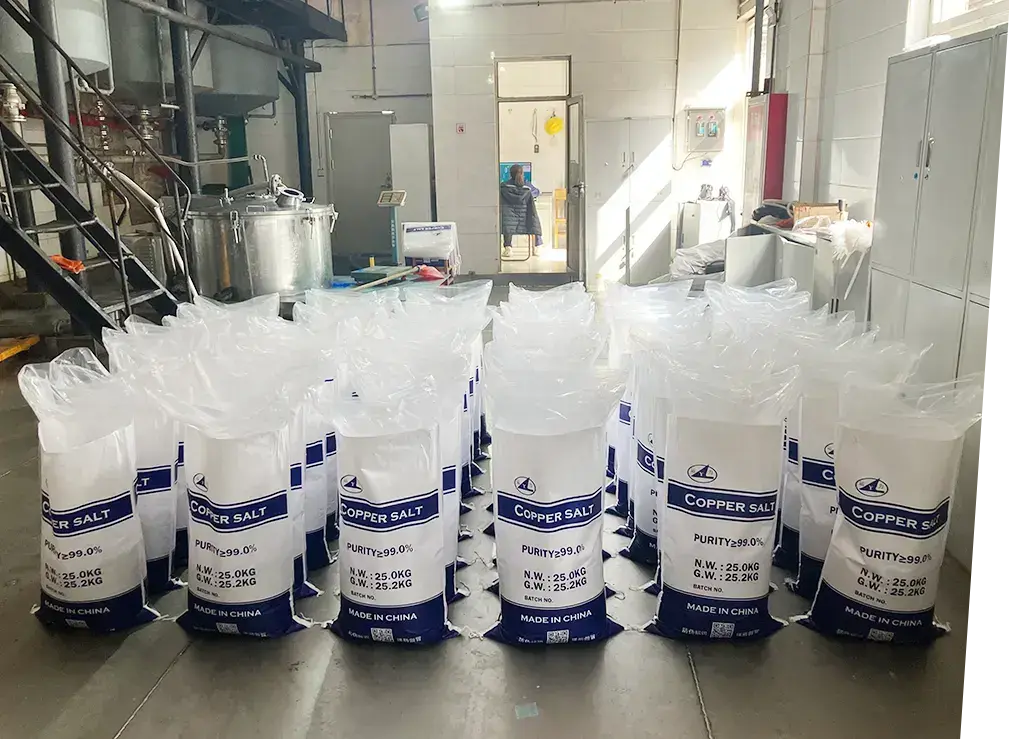
Because Chromium Nitrate crystals absorb water, they need to be kept dry while they are being stored. We suggest keeping solid things in sealed cases in climate-controlled spaces where the relative humidity stays below 60%. Original packaging should not be opened until it is time to use it, and empty packages must be sealed back up right away with desiccant packs to stop moisture absorption that causes caking.
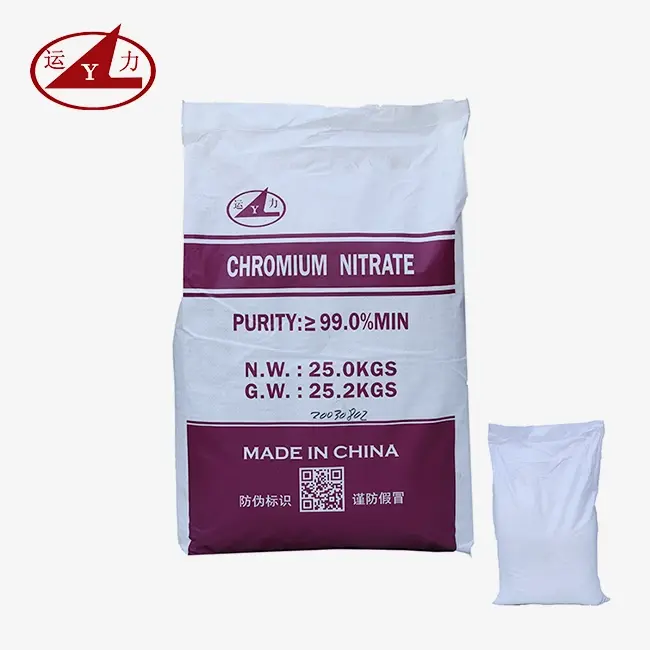
When storing a solution, you need to think about different things. Chromium Nitrate solutions that have been prepared will stay stable for six months if they are kept out of direct sunlight in containers that are dark and won't react with chemicals. Changes in temperature should be kept to a minimum so that percentage changes don't happen because of evaporation or crystallization. For solids, we offer 25 kg moisture-resistant bags, and for liquids, we offer IBC tanks. Both of these types of custom packing are made to keep the integrity of the product while it is being stored and shipped.
Safety and Environmental Compliance
Even though Chromium(III) products are not as dangerous as Hexavalent Chromium, it is still important to follow the right safety rules. Chromium Nitrate liquids are corrosive and can burn your skin with chemicals if they come in touch with it. During handling activities, everyone should always wear protective gear like chemical-resistant gloves, safety glasses, and protective clothes.
Environmental rules are favoring trivalent chromium products more and more over hexavalent ones. Our production of Chromium Nitrate meets the environmental management standards set by ISO 14001, and we offer full paperwork packages that include MSDS, COA, and certificates of environmental compliance. This all-around method helps buying managers meet legal needs in North America and Europe while also living up to their companies' sustainability promises.
Comparative Analysis: Chromium Nitrate Solubility vs Other Chromium Salts
Chromium Chloride Comparison
Chromium chloride hexahydrate dissolves in water similarly to Chromium Nitrate, but it adds chloride ions that make it hard to use in many situations. Stress corrosion cracking happens faster in stainless steel handling equipment where chloride is present, especially in areas that are heated up near welds. This chance of corrosion directly leads to higher upkeep costs and the possibility of production stopping.
Another problem is shown by catalyst uses. Chloride ions can damage catalysts made of valuable metals and stop processes that need acid to work. Chromium Nitrate completely gets rid of these worries by offering a chromium source that doesn't contain halides. This saves equipment investments and keeps product quality standards. Technical experts who switched from chloride to nitrate forms say that the equipment lasts longer and there are fewer contamination events in sensitive manufacturing processes.
Chromium Sulfate Considerations
Chromium sulfate doesn't dissolve as easily in water as Chromium Nitrate, which makes it less useful for tasks that need concentrated liquids or quick dissolving. The sulfate counterion can also cause problems in some chemical production methods if sulfate contamination gets in the way of product specs or steps further down the line.
There are clear changes in performance between electroplating uses. Compared to nitrate systems, sulfate-based trivalent chromium baths need more complicated recipes and careful maintenance plans. Because Chromium Nitrate dissolves more easily than other chemicals, it makes bath chemistry easier, concentration control easier, and deposit traits more uniform. Operations managers like that the system is less complicated, which means that less training is needed and output is more consistent.
Advantages Over Hexavalent Chromium
Hexavalent Chromium compounds have some useful properties, but they are very dangerous and have a lot of rules that makers have to follow, which makes them less and less practical for use. The trivalent option to Chromium(VI) is Chromium Nitrate. It keeps working properly while getting rid of the risks of cancer and the huge amount of paperwork that comes with using Cr(VI).
Trivalent chromium standards are becoming more and more common in regulations. Hexavalent Chromium use is being limited more and more by REACH rules in Europe and related programs in North America. Teams in charge of buying things know that switching to Chromium Nitrate products now will keep the supply chain running smoothly in the future and put their companies ahead of the rules. Our expert support team helps customers through this process of transition, making sure that the changes go smoothly and that work doesn't stop.
Procurement Insights: Selecting and Purchasing Chromium Nitrate
Purity Grades and Specifications
Product quality is directly related to how well it works in an application and how much it costs. Standard industrial grades with 98% purity are used for a wide range of tasks, such as mordanting textiles and glazing ceramics. When making catalysts and pharmaceutical intermediates, where tiny metal contaminants can mess up reaction paths or product quality, high-purity grades of up to 99.9% are needed. This is especially true when working with chemicals like Chromium Nitrate, where even small variations in purity can impact the effectiveness and consistency of the end product.
Supplier Qualification and Certification
At Yunli Chemical, we make pure grades that are tailored to the needs of each business. Our high-tech quality control lab has ICP-MS and atomic absorption spectrometers that check for iron levels below 30 ppm and alkali metal levels below 50 ppm. This analytical ability makes sure that every production batch exactly meets your needs. This lowers the workload for new inspections and helps just-in-time inventory management strategies work.
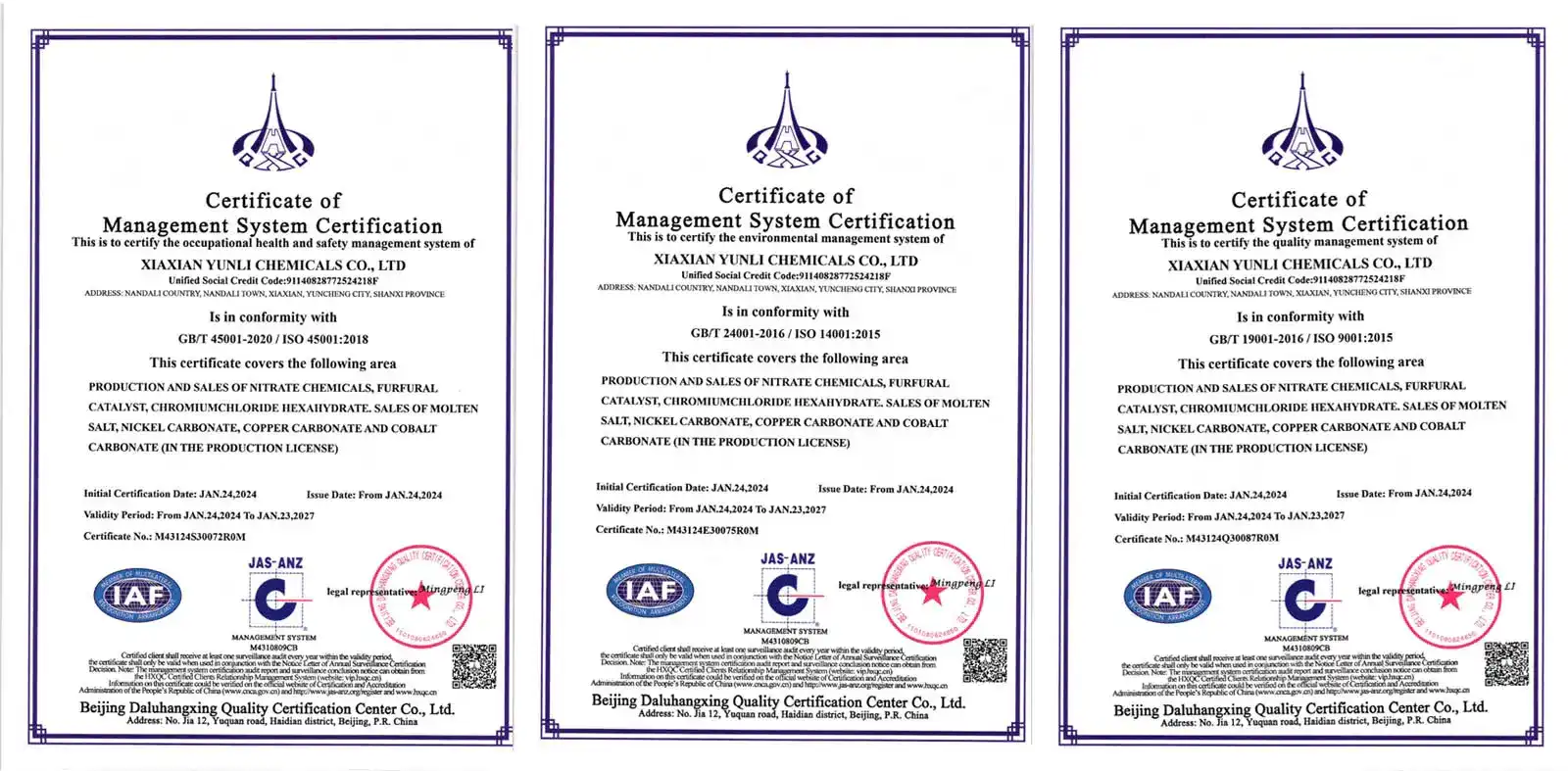
Suppliers you can trust show their dedication to quality by having well-known certifications and written quality control systems. Getting ISO 9001 certification means that you have a method for controlling quality, and getting ISO 14001 certification means that you care about environmental management. OHSAS approval backs up health and safety rules at work that keep workers safe and make sure that output conditions are always the same.
In 2019, Yunli Chemical was recognized as an Enterprise Technology Center at the state level. This shows that our research and development skills are strong. We've been in business for 20 years, make more than 1 billion yuan a year, and have 300 million yuan in fixed assets. This gives us financial security that ensures supply consistency. When building long-term relationships with suppliers, these qualifications are important, especially for companies that need regular quality and reliable shipping schedules that work with lean production systems.
Bulk Ordering and Sample Programs
Procurement risk is lower when you know how well a product works in your unique application before you buy a lot of it. We give away free samples of up to 500 grams, which lets our expert teams do thorough testing in real production circumstances. This method finds possible problems before they happen on a large scale and boosts confidence in the product's fit.
The flexibility of bulk buying works for a wide range of operating sizes. Our minimum order number of 1000 kg is good for medium-sized businesses. For big producers, truckload and container shipments are the best ways to save money on freight. When you are buying Chromium Nitrate in a lot of it, custom packing choices, such as bags that don't absorb water, drums, and IBC tanks, keep the structure of the product safe while it's being shipped and stored. When you buy directly from the plant, you skip the markups that come from middlemen. This means that you get competitive prices that lower your costs without lowering the quality.
Logistics and Delivery Considerations
International shipping of chemicals needs knowledge of how to follow rules and keep records. Our export business handles all parts of foreign logistics, such as correctly classifying dangerous materials, filling out customs forms, and choosing the right shipping containers. When purchasing specific chemicals from foreign sources, procurement managers often run into problems. This all-in-one service takes care of those problems.
Reliable delivery helps with planning output and making the best use of supplies. Our well-established transportation network makes sure that shipments are processed on time. For example, it usually takes two to three weeks for containerized ocean freight to get to North American ports. Supply chain managers are kept up to date on the delivery process through real-time tracking of shipments and effective contact. This level of operating openness helps build the trust that is needed for long-term relationships with suppliers that lower overall procurement costs over time.
Conclusion
Chromium Nitrate dissolves very easily in water (about 81 g/100 mL at 20°C), which makes it an important product for electroplating, making catalysts, processing textiles, and making specialty chemicals. Its chemical structure makes it easy to dissolve completely and quickly, and it works with a wide range of fluids and pH levels. Chromium Nitrate works better than chromium chloride and sulfate options because it doesn't add harmful chloride ions or sulfate contaminants.
The compound's trivalent chromium form is a better and more environmentally friendly option to Hexavalent Chromium, which is highly toxic. This puts buying teams that are ahead of the curve as environmental rules get stricter. When you choose high-purity grades from certified providers with tried-and-true quality systems, you can be sure of steady product performance, supply continuity, and cost-effectiveness, all of which help you stand out in competitive industrial markets.
FAQ
Q1: Does chromium nitrate dissolve completely in water?
A: It is normal for Chromium Nitrate nonahydrate to completely dissolve in water, creating clear purple-red solutions. It dissolves in about 81 grams per 100 milliliters of water at 20°C. The dissolution process is pretty quick; with light shaking, it's usually done in minutes. The final solution has Chromium(III) ions that are totally hydrated and are surrounded by coordinated water molecules and nitrate counterions.
Q2: How does temperature affect chromium nitrate solubility?
A: Solubility is strongly affected by temperature, following the usual positive relationship for nitrate salts. Solubility rises to about 125 g/100 mL at high temperatures around 40°C, which lets you make working solutions that are more concentrated. The color of the solution changes back and forth when heated. It goes from purple-red to green above 60°C and back to purple when cooled. This thermal behavior doesn't change the chemical makeup, but it does show how long something has been exposed to heat, which helps quality control staff spot possible storage or handling problems.
Q3: What factors maintain solution stability during storage?
A: Controlling the pH, managing the concentration, and the surroundings are the main things that determine how stable a solution is. Keeping the pH between 2.0 and 4.0 stops hydrolysis processes that make precipitates that can't be dissolved. Keeping the content between 70 and 80% of saturation lowers the chance of hardening when the temperature changes. For six months, the solution stays stable when stored in clear, chemical-resistant containers out of direct sunlight and at room temperature. If you follow these steps, the answer will always work the same way during normal stocking cycles, without needing to be reformulated or have its quality checked.

Partner with Yunli Chemical for Premium Chromium Nitrate Supply
Yunli Chemical is a Chromium Nitrate source you can trust. They have been making Chromium Nitrate for over 20 years and have the technology center skills of a provincial level. When you buy Chromium Nitrate Nonahydrate from us, you can choose from different purity levels ranging from 98% to 99.9%, ultra-low iron content levels below 30 ppm, and pH levels between 5.0 and 7.0. Our ISO 9001, ISO 14001, and OHSAS certifications show that we are dedicated to quality, safety at work, and protecting the environment. This helps keep your supply chain honest.
As a direct plant source that handles its own exports, we cut out the middleman and offer free samples of up to 500 grams for full testing of applications. The flexible packing and logistics options we offer can meet your needs, whether you need 25 kg bags for specific uses or full IBC tank shipments for high-volume production. You can email our technical team at wangjuan202301@outlook.com to talk about your unique Chromium Nitrate needs, ask for product samples, or get full quotes for planning your purchase. You can look at our full line of chemicals at yunlichemical.com and find out how our factory-direct method gives you the best value for your chromium compound needs.
References
1. Cotton, F.A. and Wilkinson, G. (1988). Advanced Inorganic Chemistry: A Comprehensive Text, 5th Edition. New York: Wiley-Interscience Publications.
2. Greenwood, N.N. and Earnshaw, A. (1997). Chemistry of the Elements, 2nd Edition. Oxford: Butterworth-Heinemann.
3. Sax, N.I. and Lewis, R.J. (1989). Dangerous Properties of Industrial Materials, 7th Edition. New York: Van Nostrand Reinhold.
4. Perry, R.H. and Green, D.W. (1997). Perry's Chemical Engineers' Handbook, 7th Edition. New York: McGraw-Hill Professional.
5. Kirk, R.E. and Othmer, D.F. (2004). Encyclopedia of Chemical Technology, 5th Edition, Volume 7: Chromium Compounds. Hoboken: John Wiley & Sons.
6. American Chemical Society (2015). Reagent Chemicals: Specifications and Procedures for Reagents and Standard-Grade Reference Materials, 10th Edition. Washington DC: American Chemical Society Publications.