


Which is better, urea or calcium nitrate?
The choice is not as simple as urea or calcium nitrate. What your plants need, how the land is, and your real goals will all play a role. Calcium Nitrate (Ca(NO₃)₂·4H₂O) is great for hydroponic systems and high-value crops because it gives plants calcium and nitrate right away. This keeps the pH of the earth between normal and slightly acidic, which stops physiological problems like blossom end rot. For large-scale field use, urea is cheaper, but plants have to wait for microbes to change it before they can take in the nitrogen. The technical, economic, and ecological factors are broken down in this paper so that buying managers and technical experts can choose the best places to get things.


Understanding the Basics of Urea and Calcium Nitrate
It's helpful to know how these two fertilizers work scientifically and what nutrients they have before you compare them. You'll understand their different roles in plant food and business uses after reading this.
Chemical Composition and Nutrient Profiles
Because 46% of its nitrogen is in the amide form (NH₂-CO-NH₂), urea is the densest solid nitrogen fertilizer on the market. It has to be changed by urease enzymes in the soil into ammonium and then nitrate through nitrification before plants can use it. Based on the temperature and the bacteria in the soil, this change could happen in a few days or a few weeks.
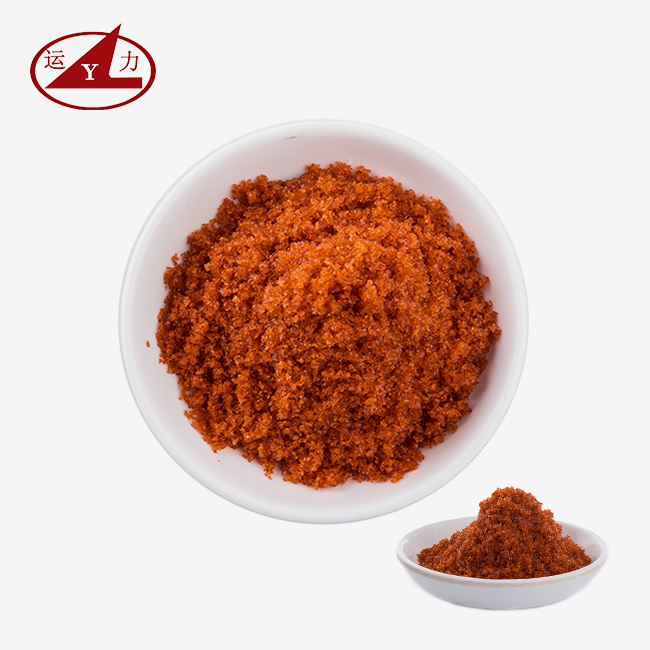
You can write Calcium Nitrate tetrahydrate as Ca(NO₃)₂·4H₂O. It is mostly made up of calcium (19%) and nitrate-nitrogen (15.5%). In terms of mass, it is 1.895 and its molecular weight is 236.15. It looks like single-crystal white columns. Nitrate doesn't need to be changed by bacteria like urea does. Roots can use it right away. The calcium helps with a very important secondary vitamin that is often missing in farms that work too hard, especially for plants that have a hard time moving calcium around, like peppers, tomatoes, and leafy greens.
Solubility and Application Flexibility
Calcium Nitrate and nitric acid don't mix, but water, methanol, ethanol, and acetone do. With its high solubility, it works great in hydroponic solutions, fertigation systems, and sprays that need to make sure nutrients are spread out evenly. As it breaks down in water, the process is endothermic, which means it takes in heat.
Urea is easy to mix with water, but it likes to escape as ammonia gas in alkaline soils or when it is spread on top of the ground without being mixed in. Some places can lose 10% to 40% of their nitrogen through volatilization. This makes the treatment less effective and adds to air pollution.
Safety and Handling Considerations
You need to be careful with both types of fertilizer when you store and use them. This means that Calcium Nitrate can take in water from the air and may even form a crust when it's wet. Because it can light things on fire and break down other chemicals, it needs to be stored away from fuels and organic chemicals. It can burn skin when strong solutions of the material touch it, because it breaks down skin.
On most days, urea is safer to work with, but in dusty places, it can make your eyes and lungs hurt. Dry places to store the product should stay that way so it doesn't clump, and strong chemicals should stay away from it. Both of these things should be kept in well-ventilated, clearly marked places that only trained individuals who know how to put on the right safety gear and handle an emergency can get to.

Comparative Analysis: Urea vs Calcium Nitrate in Agriculture
If the people who buy these fertilizers know how they work with soil and how they affect food growth, they can pick goods that meet both business goals and environmental promises.
Nitrogen Uptake Mechanisms and Efficiency
It is possible for active transport systems that work even when the ground is cool to get Calcium Nitrate into plant roots. This fast access speeds up plant growth and cuts down on the time it takes for an effect to happen after application. There is evidence from the International Plant Nutrition Institute that nitrate-based fertilizers are 15–25% better at using nitrogen than amide sources in systems with a lot of plants.
In order to be useful, the nitrogen in urea must first be broken down by enzymes and nitrified. This bacteria's work slows down a lot when the temperature of the dirt goes below 50°F (10°C). Urea is less useful for early-season or cool-weather uses because of this. Still, urea conversion works best in warm, well-aerated soils where microbes are active. The nitrate that is made can be used by plants.
Soil pH Impact and Nutrient Dynamics
Most of the time, the pH of soil stays the same or goes up a little when Calcium Nitrate is added. This is because plants don't make the soil more acidic when they take up the nitrate anion. Over time, the calcium can help lower the acidity of the soil and make it more stable by helping clay particles clump together. This makes it easier for water to get into the soil and for roots to grow through it.
The pH of the ground around fertilizer pellets goes up at first because urea breaks down into ammonia. But the next step, nitrification, turns nitrogen into hydrogen ions, which make the soil acidic. Too much urea can make the soil more acidic over time if you don't keep an eye on the pH. To get the most benefits out of the food, you will need to add lime regularly. Manganese and aluminum can move around and get to levels that could be dangerous when soils become more acidic.
Crop Quality and Yield Outcomes
Calcium Nitrate works better for crops that care about quality, as shown by several tests done in the field. A study published in HortScience found that greenhouse tomatoes fertilized with Calcium Nitrate had 34% less blossom end rot than greenhouse tomatoes fed with ammonium or urea. With calcium being sent at the same time, the shortages that break down cell walls in plant tissues that are growing quickly are stopped.
Fertilizers that are based on nitrates tend to make lettuce and other edible greens darker green, smoother, and more durable after they are picked. The calcium makes the inner lamella and cell walls harder. This makes it less likely that the plant will get hurt when it is being picked or handled. These improvements in quality directly lead to higher prices and smaller shrink losses. For business growers who focus on fresh market produce, this often makes the higher cost of Calcium Nitrate worth it.
Environmental Considerations and Nitrogen Loss Pathways
The main damage that urea does to the environment is the release of ammonia into the air. This happens when it is dumped on alkaline soils or crop waste without being mixed in. Along this path, not only does fertilizer not work as well, but it also makes the air more polluted and can hurt plants that are sensitive to ammonia when it builds up near leaf surfaces.
Calcium Nitrate is less likely to evaporate, but nitrate could leak out when it rains or when the water level is too high. Because it has a negative charge, the nitrate ion doesn't stick to dirt items. In other words, it can move in water in the dirt. For this leaking risk to be as low as possible, the right rate must be used at the right time, as determined by crop nitrogen demand models. For both products, the best way to handle them is to split the doses and time them to match with the crops' peak uptake times. This is very important for fertilizers that use nitrates.

Selecting the Right Fertilizer for Specific Crops and Applications
When the right type of fertilizer is used for the right crops and production methods, both farming success and return on investment go up. Technical buyers should look at these program settings when they are making their requirements for purchases.
High-Value Horticultural Crops
Garden plants like strawberries, peppers, tomatoes, and peppers that are grown in greenhouses get most of their nitrogen from Calcium Nitrate. diseases linked to calcium have a direct affect on how much they can be sold for. When the tetrahydrate form breaks down, it doesn't leave behind any leftovers that could block emitters in systems for hydroponic recycling or drip watering.
Adding Calcium Nitrate to the leaves at a concentration of 0.5 to 1.0% during the fruit growth stages immediately gives cells that are growing more calcium. Some translocation limits make it impossible for calcium to move through xylem tissue. This way gets around those limits. This sends the right nutrients to the right spot at the right time. Technical managers like how flexible this app is when they're making full crop feeding plans.
Soil-Based Field Crop Production
Corn, wheat, cotton, and soybeans are all broadacre crops that need a lot of nutrients but don't need any special nutrients. Urea is still the most cost-effective way to feed these crops. Urea is a cheap nitrogen source that can be used to make biomass and fill grains as long as it is managed properly by adding urease inhibitors, underground banding, or incorporating it.
On the other hand, Calcium Nitrate is only used in areas where the soil or crops make it worth the money. Plants that can't handle too much acid can grow in low-pH soils, which don't make the soil more acidic by adding calcium. If you want to grow big crops of corn—200 bushels or more per acre—you can add Calcium Nitrate to the starting fertilizer mix or spread it on the plant's leaves during vegetative growth to help build structure carbs and make the stalk stronger.
Hydroponic and Controlled Environment Agriculture
For soilless farming, Calcium Nitrate is the most common way to get calcium and nitrogen. The high cleanliness standard (generally less than 0.01% water-insoluble matter and less than 0.001% iron content) keeps nutrition solutions from sticking together and stops systems from getting clogged. Growers keep Calcium Nitrate away from sources of phosphate and sulfate until the very end of the process of making concentrated stock solutions. This is done to keep solid calcium precipitates from forming and blocking filters and emitters.
Most nutrient systems don't have the right bacteria to change urea into a form that plants can use, so it's not very useful in hydroponics. Small amounts of urea are used by some farmers as a nitrogen cushion that lets nitrogen out slowly. But plants can only get nitrogen from sources that are nitrate or ammonium.

Procurement Insights for B2B Buyers: Purchasing Calcium Nitrate and Urea
Choosing a seller isn't just based on how well the crop grows; source stability, legal compliance, and the total cost of ownership are also important. Purchasing managers who have to deal with chemistry markets around the world need useful tools to help them compare sellers and work out deals.
Identifying Qualified Suppliers and Quality Benchmarks
Companies that make Calcium Nitrate and have a good name keep their ISO 9001 Quality Management System certification up to date. This shows that they follow strict rules when they make things and make sure that every batch is the same. You can handle nitrate wastes and treat exhaust fumes in the right way if you have the ISO 14001 Environmental Management System certification. This is very important because the material can oxidize. Suppliers should be able to quickly show all the proof that their goods are safe, like Material Safety Data Sheets (MSDS), Certificates of Analysis (COA) with real test results for each lot, and proof that they follow environmental rules.
It's very important to read the specs on technical things. Food-grade Calcium Nitrate should be at least 99% pure in its tetrahydrate form, and there should be tight limits on the amount of heavy metals, salt (which is bad for plants), and water-insoluble matter (≤0.05%) that is present. Purchasing managers should ask for samples to be kept and have third-party verification tests done when they buy from new sources or look at cheaper choices.
Commercial Terms and Logistics Planning
The smallest amount you can order from each service company is very different. Most of the time, 25–50 MT lots of urea are shipped because it is cheaper to make a lot of it. Calcium Nitrate is a more specialized product, so the MOQ can be anywhere from one box to a whole truckload, depending on where the seller stands in the market and how much they make.
The terms of payment often show how stable the seller's finances are and how much the market trusts them. Companies that have been around for a while and have strong balance sheets may offer net 30 to 60-day deals or large rebate models to reward customers who buy from them often. New players in the market or people who act as agents in trade often need letters of credit or advance payments. It costs more to do business and needs more money to run. It is best to look at the total provided cost when comparing different companies. This cost includes freight, insurance, customs taxes, and payment terms.
How easy it is to get materials and plan output directly affects how much it costs to do these things. Trading companies that depend on outside production often can't predict lead times as well as sellers who run their own plants and keep strategic stock levels. In 2019 and 2020, problems in the global supply chain showed how important it is to have a number of sources and be open about plans for production and shipping.

Making the Informed Choice: Which Fertilizer Fits Your Business Needs?
When buying teams look at technical, economic, and practical factors together, they can make plans for getting fertilizer that fit the company's goals and level of risk tolerance.
Decision Framework for Industrial End Users
Because it is highly pure and can oxidize, Calcium Nitrate is perfect for electroplating and making medicinal intermediates, which urea can't do. For these scientific uses, you need records of analysis that show the crystal has a stable structure and low amounts of heavy metals. There is no cost comparison; the choice is based on getting things done and following the rules.
Agricultural operations face more nuanced trade-offs. Calcium Nitrate is very expensive because it helps crops grow better, lowers physiological conditions, and works well with other systems. This is how high-value greenhouse and hydroponic farmers explain it. Because it has two benefits, it eliminates the need for various calcium sources. This makes fertility programs easier to use and reduces the amount of work that needs to be done for application. Most of the time, urea is a cheaper way for broadacre field companies to get the nitrogen they need. If tests of the soil show that it needs extra calcium, it can be added.
Building Strategic Supplier Partnerships
For people who work with organic raw materials, having stable, long-term relationships is important because they help them plan their production better and keep better track of their stock. When buyers sign offtake agreements that last more than one year, they often get better prices, first choice when supplies are low, and customized packing or concentration specs that lower the cost of handling.
Their expert help is another thing that makes them valuable. A manufacturer with a strong research and development (R&D) department and the title of local technology center can help with application problems, formulation changes, and analysis in a way that dealing agents can't. When you're making new products or entering new markets, this professional relationship is very helpful because you need to test materials many times to make sure they meet the right standards.
Emerging Trends in Nitrogen Fertilizer Technology
It tries to take advantage of the lower cost of urea by covering it with polymer layers that have controlled release. This increases the supply of nitrogen and reduces the number of ways it can be lost. These items work better than regular urea and nitrate sources, but they are very pricey, so they should only be used in high-value scenarios.
You can better manage nitrogen from any source with precision agriculture technologies like soil monitors, tools for applying nitrogen at different rates, and crop growth models. These tools help people get the most out of any fertilizer, no matter what kind they use or how much they spend. The question is now "how can we get the most out of what we're using?" instead of "which is better?"
New products on the market that contain urea that has been improved with calcium try to get the best of both materials in one piece. To make sure that the calcium stays available, these mixes should be carefully tested in the field, not just looked at. This is to make sure that the calcium doesn't just turn into chemicals that don't dissolve during milling or soil reactions.

Conclusion
It is not always true that urea or Calcium Nitrate is better than the other. The best choice depends on the needs of the crop, the way of production, the land, and the goals of the business. Nitrogen needs to be available right away along with calcium to keep the body healthy. Calcium Nitrate is great for high-value farming, hydroponics, and other situations like these. It is still cheaper to use urea in big fields where good control lowers the risk of volatilization and conversion delays. Procurement managers shouldn't just look at prices per ton; they should also look at the overall cost, how reliable the supplier is, how good their technical help is, and proof that they are following all the rules. Having long-term ties with qualified makers who provide full paperwork, consistent quality, and quick expert service is more valuable than just buying something once.
FAQ
Q1: What is the main difference between urea and calcium nitrate?
A: Microbes in the earth have to change the amide form of urea before plants can use it. This form gives plants 46% nitrogen. Calcium Nitrate, on the other hand, gives plants 15% nitrogen right away in the form of nitrate and 19% calcium. Calcium Nitrate is better for quality-sensitive crops because it is available right away and has two different types of nutrients.
Q2: Can I use urea in hydroponic systems?
A: If you use hydroponics, urea doesn't work very well because most nutrient solutions don't have the nitrifying bacteria and urease enzymes that plants need to change amide-nitrogen into forms they can use. Calcium Nitrate and potassium nitrate are the main sources of nitrogen in systems that don't have dirt.
Q3: Why does calcium nitrate cost more than urea?
A: The price difference is because making the product is more difficult and there are fewer of them made. Making Calcium Nitrate takes more work and steps, and it can't be made on the same scale as urea, which is made in huge plants all over the world. This is because Calcium Nitrate is used in specific ways.
Q4: Does calcium nitrate acidify soil like urea?
A: The nitrate anion keeps the pH level steady, and the calcium part can make the soil less acidic over time. This means that when plants use Calcium Nitrate, it doesn't make the soil more acidic. At first, urea raises the pH of the area, but over time, the process of nitrification, which creates hydrogen ions, makes the soil more acidic.

Partner with Yunli Chemical for Your Calcium Nitrate Supply
Technical buyers need a reliable Calcium Nitrate supplier. Yunli Chemical meets the needs of modern buyers with constant quality, following the rules, and service flexibility. Yunli Chemical has been in business since 2005 and makes more than RMB 1 billion a year. Its fixed assets are worth RMB 300 million. It is a good ISO 9001, ISO 14001, and OHSAS maker, not just a broker. It is made at our regional business technology center from Calcium Nitrate tetrahydrate, which is used in both farming and industry.
Every time we ship something, we make sure it's good by trying it and giving the full COA papers. You can get free samples of up to 500 grams to try. We also offer special formulas for packing and concentration, and our prices are direct from the factory, with no markups for wholesalers. You can email wangjuan202301@outlook.com to talk to our buying team about your Calcium Nitrate needs and get exact specs for your project.
References
1. International Plant Nutrition Institute. "Nitrogen Uptake Efficiency in High-Intensity Cropping Systems: Comparative Analysis of Nitrate and Amide Sources." 2018.
2. American Society of Horticultural Science. "Calcium Nutrition and Blossom End Rot Prevention in Greenhouse Tomato Production." HortScience, vol. 54, no. 3, 2019.
3. Soil Science Society of America. "Nitrogen Transformation Processes and Environmental Implications of Fertilizer Choice." Journal of Environmental Quality, 2020.
4. United States Department of Agriculture. "Fertilizer Use and Price Statistics: Nitrogen Source Comparison." Economic Research Service Report, 2021.
5. European Fertilizer Manufacturers Association. "Best Practices for Calcium Nitrate Application in Controlled Environment Agriculture." Technical Guidelines, 2019.
6. Journal of Plant Nutrition. "Soil pH Dynamics Under Long-Term Nitrogen Fertilization Regimes: Urea versus Nitrate-Based Programs." vol. 42, no. 8, 2020.