


Is cobalt nitrate ionic or covalent?
Most of Cobalt Nitrate is made up of ionic molecules. When it is dissolved or solid, Cobalt Nitrate Hexahydrate (Co(NO₃)₂·6H₂O) splits into cobalt cations (Co²⁺) and nitrate anions (NO₃⁻). Because it is made up of ions, it dissolves easily in water, conducts electricity when mixed with other substances, and breaks down at high temperatures. All of these skills are very useful in many work situations, like when making batteries or triggers. If procurement managers and scientific experts know how Cobalt Nitrate is put together chemically, they can choose it better for their processes.
Fundamentals of Cobalt Nitrate's Chemical Structure
Molecular Identity and Physical Characteristics
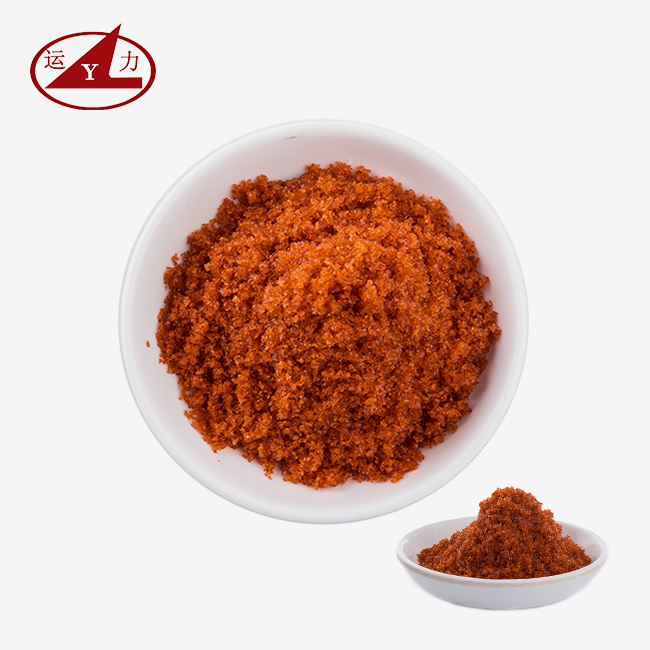
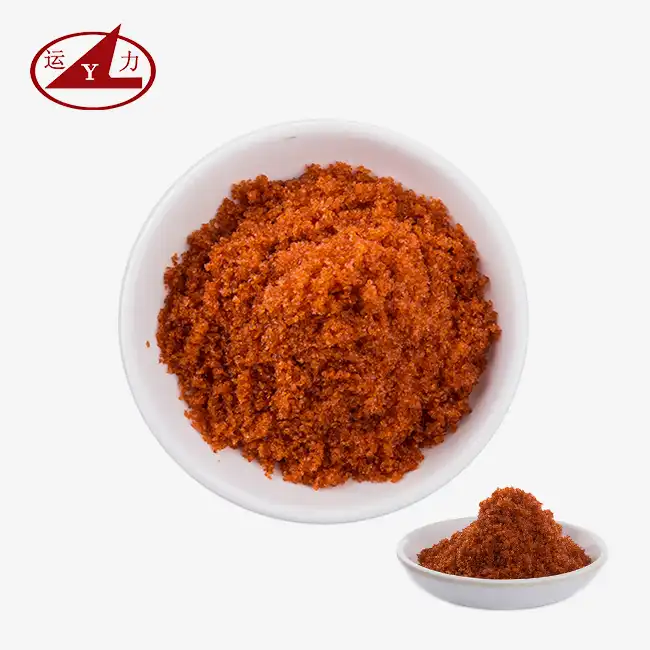
When broken down, Cobalt Nitrate Hexahydrate is written as Co(NO₃)₂·6H₂O. Its CAS number is 10026-22-9. Its molecular weight is 291.03 g/mol, and it generally looks like reddish-brown grains or crystals that are monoclinic and can soak up water. To give you an idea of how dense it is, it weighs about 1.88 grams per cubic centimeter. It freezes at 55 to 56°C and dissolves in the water where it forms crystals. Water, ethanol, and acetone all dissolve very well in the chemical (about 134 g/100 mL at 0°C). This makes it very useful for many liquid-phase processes and surface cleaning jobs.
Understanding Ionic Versus Covalent Bonding
These two types of things are different because of how their atoms share or move electrons. Charged ions are made when metals give electrons to nonmetals. Electrostatic forces hold these ions together. When two or more nonmetals share electron pairs, they form covalent substances. There are two electrons lost by the cobalt atom, making Co²⁺. There are also electrons gained by the nitrate groups, making NO₃⁻. Ionic interaction is demonstrated by Cobalt Nitrate. It's very easy for these ions with opposite charges to stick together, making a solid grid structure. Nitrate ions have covalent bonds between their nitrogen and oxygen atoms, but the molecule is still made up of ions because Co²⁺ and NO₃⁻ ions talk to each other more than any other ion.
Industrial Relevance of Ionic Character
Being an ionic material, Cobalt Nitrate behaves differently in production settings. Ionic chemicals usually let electricity flow when they dissolve in water. This quality is helpful for etching and making liquids for batteries. They also break down easily in polar solvents, which makes it easier to mix them evenly in processes that use catalysts that are impregnated. At high temperatures, Cobalt Nitrate completely breaks down into Cobalt Oxide (Co₃O₄), leaving no sulfur or chloride behind. It is better than other cobalt salts for calcination-based production because it doesn't leave behind any anions that could make the end product less clean or less useful as a catalyst.
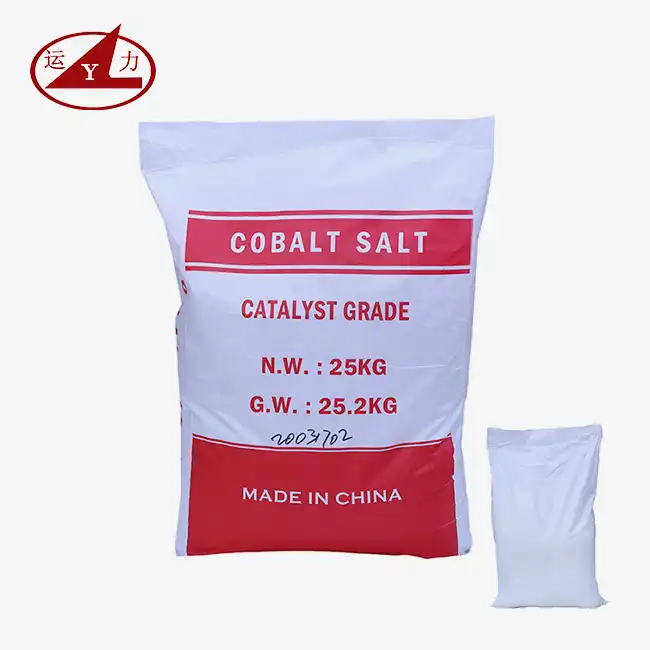
Key Properties and Safety Considerations of Cobalt Nitrate
Critical Physical and Chemical Properties
Cobalt Nitrate Hexahydrate is more than just an ionic structure; it also has a number of other traits that are important for business dependability. It's very hygroscopic, which means it takes in water from the air quickly. This could make it stick together when it's being stored or moved. Because it oxidizes, it can have strong reactions with living things. If the conditions aren't right, this could cause fires or blasts. At temperatures above 74°C, Cobalt Nitrate breaks down, creating cobalt oxides and nitrogen oxides (NOx). The iron level is less than 30 parts per million (ppm), there is almost no sulfur, and there aren't many insolubles in premium industrial types. This means they can be used with delicate processes like making electronics and drugs.
Safety Data Sheet Essentials
Different safety sheets say that Cobalt Nitrate Hexahydrate is not safe in more than one way. It can be bad for your health if you eat it, breathe it in, or touch your skin with it. Cobalt metals can hurt your lungs and even give you cancer. The stuff is called UN 1477 (Nitrates, artificial, n.o.s.) and is recognized as an oxidant (Class 5.1) by shipping rules. For proper handling, you need to wear protected gear like chemical-resistant gloves, safety masks, and breathing protection in places where air flow is low. Chemicals that don't mix, materials that can catch fire, and cooling agents must be kept separate when they are being stored. Facilities must keep things dry, cool, and in cases that can't be opened so that they don't break down or soak up water.
Environmental and Regulatory Compliance
In addition to making sure workers are safe, it is important to be careful with the surroundings when dealing Cobalt Nitrate. Because cobalt is bad for sea life, wastewater that has cobalt ions in it has to be handled in a certain way before it can be released. Responsible service providers clean NOx and recycle wastewater in closed-loop systems to have less of an impact on the environment. If a business needs to buy Cobalt Nitrate, they should make sure that the sellers have the right ISO 14001 Environmental Management System approval and area release permits. There should be files like Certificates of Analysis (COA), Material Safety Data Sheets (MSDS), and records of environmental compliance in every box. This makes it possible to keep track of everything in the supply chain and follow the rules.
Industrial and Application-Specific Uses of Cobalt Nitrate
Catalysis and Petrochemical Applications
The production of Cobalt-Molybdenum (Co-Mo) catalysts, which are used in the oil business for hydrodesulfurization (HDS) processes, requires Cobalt Nitrate as a starting material. There are porous alumina carriers that the liquid or weakened form can get deep into. This makes sure that the active sites are spread out evenly. This evenness directly makes it easier for a high-pressure, high-temperature process to get sulfur out of crude oil. When compared to sulfate choices, the nitrate form is better because it doesn't pollute with sulfur and has cleaner profiles for thermal breakdown.
Battery Manufacturing and Energy Storage
Cobalt salts that are very pure are very important to the battery business, especially for making lithium-ion cells. Nickel-Cobalt-Manganese (NCM) and Nickel-Cobalt-Aluminum (NCA) cathode stages need Cobalt Nitrate to help the co-precipitation process work. It is easy to dissolve, so it can be mixed with nickel and manganese fluid at the atomic level. This is needed to make sure that the stoichiometry and shape of battery materials are all the same. It is easier to calcinate the nitrate form of cobalt than the sulfate form because it doesn't add sulfur impurities that could make cells less stable or less good at conducting electricity.
Ceramics, Pigments, and Surface Treatment
For high-quality pottery glazes and colors, especially the very sought-after "cobalt blue" shades, Cobalt Nitrate has become the most common source of cobalt. The color doesn't change when it's heated up very hot because it doesn't have much iron in it. Using weak Cobalt Nitrate solutions to finish metal makes the finish stick better and fights rust better by keeping the deposition in check. As a reagent for finding potassium in analytical chemistry, it can also be used to dry out paint, make medicine intermediates, and come up with farming recipes.
Comparative Analysis with Other Cobalt Salts
When procurement teams pick between cobalt salts, they should think about a number of things. It is cheaper to use cobalt sulfate (CoSO₄), but it adds sulfur, so it needs to be washed many times in many processes. Cobalt chloride (CoCl₂) is really simple to remove, but it can rust things made of stainless steel. Cobalt acetate costs more per kilogram, but it works well in some ways of making chemicals. Cobalt Nitrate is useful, easy to break down, and dissolves in a wide range of chemicals. Its price-to-benefit ratio is good. This makes it perfect for uses where polluting anion waste could lead to quality or process issues.

How to Procure Cobalt Nitrate Effectively for Industrial Use?
Evaluating Supplier Credentials and Product Quality
If you want to buy something, the first thing you need to do is carefully evaluate the seller. If a chemical company has been around for a while and has an ISO 9001 Quality Management System approval, it means that they consistently meet quality standards. An environmentally friendly business will have extra certifications like ISO 14001 and OHSAS 18001, which show that they are responsible. Get full Certificates of Analysis from each source you look at for Cobalt Nitrate. These should include test results, residue profiles (especially for iron, nickel, copper, and chlorides), and the amount of matter that doesn't dissolve in water. Some of the best companies offer different kinds of pure grades, from normal industrial (≥98.0% test) to electronic-grade (≥99.5% with <0.001% iron).
Strategic Procurement Considerations
Cobalt Nitrate Hexahydrate has a price that changes based on the cobalt market, the purity level needed, and the number of orders. In general, buying in bulk (by the ton) saves you money and cuts down on the cost of shipping each package. New sources or uses, on the other hand, need sample testing methods. Good manufacturers give away free samples (often 500 grams or more) so you can try the product out on a small scale before you buy a lot of it.
There are fewer risks with this method when it comes to process compatibility, dissolving traits, and how the end result will turn out. It is important to test the substance to make sure it dissolves properly in the solvents you choose, that its temperature breakdown profiles match the parameters you set for calcination, and that it doesn't get in the way of analysis or catalytic processes. Setting up trial buy deals with clear quality standards saves both sides and makes it easier to work together for a long time.
Logistics, Packaging, and Storage Protocols
Because Cobalt Nitrate is an oxidizer and a hygroscopic material, it needs to be moved and packed with care. HDPE drums that don't soak up water (25 kg minimum) or big totes for people who need to store a lot of things are standard choices. Custom packing designs, such as vacuum-sealed bags or climate-controlled cases, may be useful for companies that need to keep things for a long time or in damp places. When you ship dangerous goods, your paperwork has to follow certain rules.
For example, it needs to have the right UN labels and oxygen signs and be kept away from other types of cargo. When the product is delivered, it needs to be stored right away in a cool, dry place (below 30°C) so that the crystal structure stays completely free. Inventory should be moved first-in, first-out, and things should be checked for quality regularly because being exposed to changing humidity for a long time can change the amount of wetness and how easily it dissolves.
Conclusion
It is obvious that Cobalt Nitrate is an ionic molecule, and the Co²⁺ and NO₃⁻ ions in its structure determine how it dissolves, conducts electricity, and responds to heat in a variety of industrial settings. There are many ways to use this chemical, such as to treat surfaces, color clay, and make battery intermediates. It's very helpful when efficiency and understanding come together. To be good at buying, you need to know about both the essential parts of the material and practical matters such as the supplier's history, quality standards, sample testing, and shipping plans. When businesses care about stable supply lines, strict quality control, and environmental responsibility, they find that working with experienced makers makes their goods more consistent, gives them better support, and helps them handle long-term costs.
FAQ
Does cobalt nitrate conduct electricity?
Cobalt Nitrate Hexahydrate is a material that doesn't carry electricity very well. But when it mixes with water, it breaks apart into electrically charged Co²⁺ and NO₃⁻ ions. This shows that it is an ion. This means that products that are based on water can be used for research and electroplating.
What safety precautions apply when handling cobalt nitrate industrially?
People who work in places with little air flow must wear protective gear like safety glasses, gloves that can fight chemicals, and masks for their faces. Cobalt Nitrate needs to be stored away from things that are on fire and things that break down metals. Near the bathrooms, there should be booths with eyewash and safety baths. Plans for what to do in an emergency should include how to clean up messes and keep people from getting sick.
How do I choose between cobalt nitrate and cobalt sulfate?
Cobalt Nitrate performs admirably in procedures that require clean heat breakdown without sulfur residues, such as catalyst calcination and direct oxide preparation. You can get cobalt sulfate for less money, but it can pollute with sulfur. Nitrate is being used more and more by battery makers to make NCM and NCA precursors. However, either salt can be used in electroplating, depending on the cost and the needs of the bath chemistry.
Partner with Yunli Chemical for Reliable Cobalt Nitrate Supply
Yunli Chemical has worked with nitrates for more than 20 years. Experts in ceramics, catalysts, and batteries from all over the United States use their Cobalt Nitrate Hexahydrate, which meets their high standards. We follow all rules and make sure that the quality of every package stays the same thanks to our ISO 9001, ISO 14001, and OHSAS standards and the fact that we are a Shanxi Provincial Enterprise Technology Center. We have very pure recipes with less than 30 parts per million of iron, mixes with no sulfur, and pH ranges (3.0–5.0) that can be changed to fit your process needs.
You can get our goods as solids, crystals, or liquids, and there is no minimum order size. For free, you can get up to 500 grams. See all of our more than 60 nitrate options and get prices that come straight from the source, without any markups. If you email wangjuan202301@outlook.com, you can talk to our expert team about your specific needs, get samples, or get full quotes. You can get more information about our goods, such as COA forms and MSDS files. We make Cobalt Nitrate in a safe way that fits right into your supply chain.

References
1. Greenwood, N. N., & Earnshaw, A. (2012). Chemistry of the Elements (2nd ed.). Butterworth-Heinemann.
2. Patnaik, P. (2003). Handbook of Inorganic Chemicals. McGraw-Hill Professional.
3. Lide, D. R. (Ed.). (2005). CRC Handbook of Chemistry and Physics (86th ed.). CRC Press.
4. Cotton, F. A., & Wilkinson, G. (1988). Advanced Inorganic Chemistry (5th ed.). John Wiley & Sons.
5. Pourbaix, M. (1974). Atlas of Electrochemical Equilibria in Aqueous Solutions. National Association of Corrosion Engineers.
6. Perry, R. H., & Green, D. W. (Eds.). (2008). Perry's Chemical Engineers' Handbook (8th ed.). McGraw-Hill.