


What is cobalt nitrate?
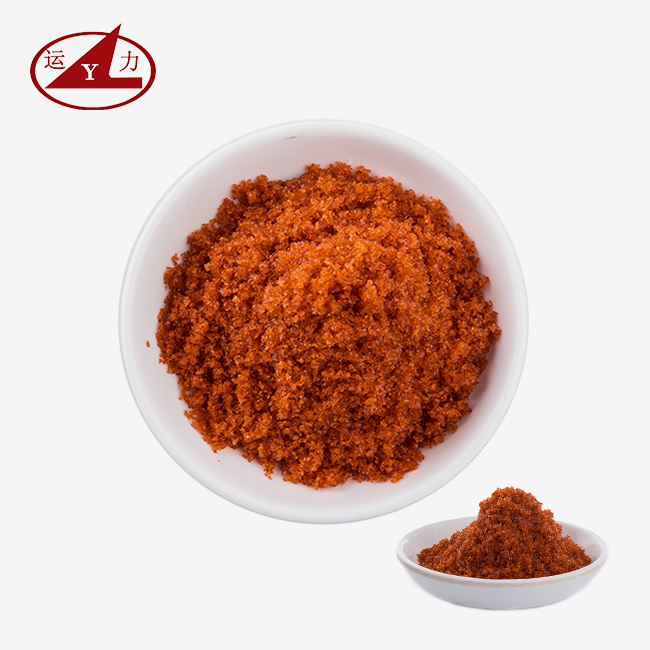
Cobalt Nitrate, whose full name is cobalt(II) nitrate hexahydrate and CAS# 10026-22-9, is a solid, reddish-brown inorganic material that is used to make specialty chemicals, catalysts, and surface treatments. There are 291.03 grams of this oxidizing agent in every mole. Its molecular formula is Co(NO₃)₂·6H₂O. It's a major source of cobalt that is used in many things, from batteries to pottery colors. It needs to be handled and stored carefully so that the quality of the product is kept throughout the supply chain. This is because it draws water and has a low freezing point of 55–56°C.
Understanding Cobalt Nitrate: Properties and Basics
Core Chemical and Physical Characteristics
Because it is different, Cobalt Nitrate hexahydrate is useful in industry. The stuff has a density of 1.88 g/cm³ and looks like reddish-brown grains or monoclinic crystals that melt. As little as 134 grams per 100 milliliters of water, ethanol, or acetone, it dissolves easily. This makes it useful for measuring out exact amounts in liquid-phase coating and synthesis. The substance can strongly oxidize, which means that when it comes into contact with organic substances or reducing agents, it can react strongly or even blow up. Heat it above 74℃, and it breaks down into cobalt oxide and sulfur dioxide. It doesn't pollute with chloride or sulfur. Because of this, it is very useful for tasks that need predecessors that don't have any negative charges on them.
Safety and Handling Requirements
Teams that buy things need to know the risk profile in order to make sure that sellers are following the rules. It is very important to follow the work exposure guidelines because this substance can be very bad for your health if you eat, breathe it in, or touch it on your skin. The material has the UN Number 1477 and is a Class 5.1 oxidizer. This means that it should not be stored or moved near things that are already on fire. When suppliers meet the standards for ISO 14001 approval, it shows that they care about the environment.
As an example, they use a closed loop to treat wastewater that contains nitrates and deal with NOx emissions during production. Purchasing managers should make sure that the Safety Data Sheets (SDS) they give to sellers include specific information on what to do in an emergency, how to properly dispose of toxic materials, and what safety gear is needed. This will help make sure that sellers follow EPA and OSHA rules.
Comparing Cobalt Nitrate with Related Chemicals for Industrial Applications
Cobalt Nitrate versus Cobalt Sulfate and Cobalt Chloride
Getting the right mix of cobalt affects how well the process works and how good the end result is. Because it doesn't leave behind sulfur toxins that can hurt catalytic systems or electronic parts, the nitrate form of cobalt is better than the sulfate form. It also has cleaner thermal breakdown paths. Being able to do this is very helpful when making materials for battery cathodes, since sulfate-based sources need to be cleaned many times to get rid of sulfur traces. Cobalt chloride, on the other hand, adds chloride ions that make stainless steel reaction tanks rust faster. Because of how nitrates work, this is not at all a risk. You don't need to treat Cobalt Nitrate hexahydrate with acid first because it dissolves better in water than cobalt carbonate. This speeds up and simplifies the process of creating testing chemicals and electroplating baths.
Nitrate Form Selection: Powder versus Crystalline
How easy something is to work with and how fast it breaks down are both affected by its shape. Crystalline Cobalt Nitrate hexahydrate lets you know how wet something is and lowers the chance that dust will form during transfers. The granular form works better with automatic filling equipment, which means that measures are more consistent during batch production. When mixed with cold water, powdered forms dissolve more quickly, which is useful for recipes that need to dissolve right away. The needs of the purchase step should meet the needs of the next step in the process. For instance, crystalline grades are best for controlled pore entry in catalyst impregnation, while powder forms may work better with atomization in spray pyrolysis.
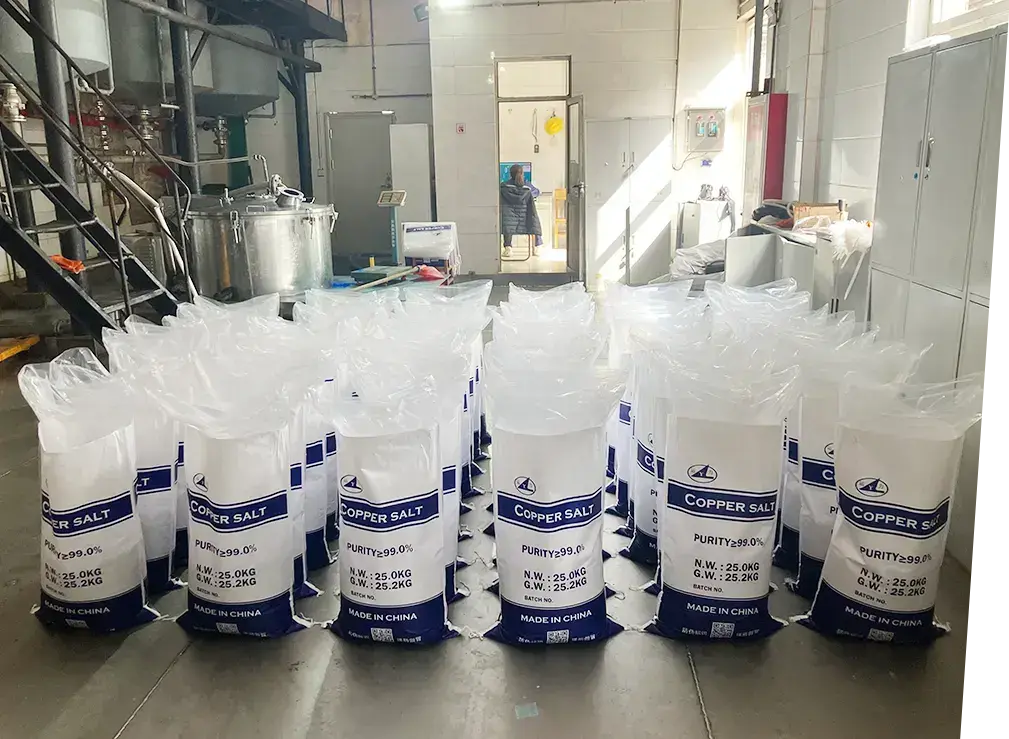
Procurement Insights: How to Source High-Quality Cobalt Nitrate?
Identifying Certified Suppliers and Quality Benchmarks
The first step in reputable buying is to check a supplier's credentials to make sure they consistently follow the law and make good products. Partner with people who are certified in both ISO 9001 quality management and ISO 14001 environmental management system. This shows that they have spent money on equipment to keep processes running smoothly and for the long term. Industrial-grade Cobalt Nitrate should be very pure. It should have a total cobalt content of at least 98.0% (checked with complexometric titration), iron residues below 30 ppm (checked with ICP-OES), and water-insoluble matter below 0.01%.
You can tell how well the catalyst works and how stable the electrical material is by these things. Suppliers whose buildings are known as provincial-level technology centers, like those in Shanxi Province, usually have high-tech tools for checking trace metals, such as ICP-MS and atomic absorption spectroscopy.
Evaluating Bulk Purchasing Advantages and Sample Testing
Businesses that make a lot of things can save a lot of money and make sure they always have supplies by buying things on a tonnage scale. Build ties with suppliers who will let you try samples before you place big orders. Trustworthy sellers give away free samples of up to 500 grams to make sure they are real. This way, expert teams can confirm how the substance breaks, find out what kinds of impurities are really there, and make sure it will stay stable under the chosen store conditions.
Certificates of Analysis (COA), Material Safety Data Sheets, and environmental compliance certifications that meet the needs of the target country must all be part of the papers that is sent with the package. People who buy from manufacturers don't have to pay markups to people who sell their goods. When a company exports its own goods, it can offer factory-gate costs and keep quality control up the whole supply chain.
Application Scenarios and Best Practices in Using Cobalt Nitrate
Catalysis and Petrochemical Processing
Cobalt Nitrate is the best way to begin adding cobalt to alumina supports in Co-Mo catalyst systems to create hydrodesulfurization catalysts. Since the nitrate dissolves fully in water, it is evenly taken up by the holes in the support material. This makes the active sites spread out more after heating. With nitric acid changes, the pH of the solution should stay between 3.0 and 5.0 so that it doesn't break down too quickly, which can cause surface coating instead of pore entry. Because it is hot, cobalt breaks down into pure cobalt oxide stages. These stages don't have any extra anions that could stop catalytic sites from doing their job or make the reactor run more acidic.
Battery Materials and Electronics Manufacturing
Cobalt Nitrate is a key part of the supply chain for electric car batteries because it is used to create nickel-cobalt-manganese (NCM) cathode materials through co-precipitation or sol-gel methods. Phase segregation can't happen when nickel and manganese nitrates are mixed at the atomic level in water.
This directly makes the battery last longer and stay stable at higher temperatures. For these uses, buying teams should ask for sulfur-free formulas with iron amounts below 10 ppm so that impurities don't get in the way of how well charge-discharge works. Metal surfaces are treated with cobalt-based conversion coatings made from this nitrate. These coatings keep zinc and aluminum surfaces from rusting and help them heal. These coats are legal because they don't have chromate in them and follow REACH rules.
Environmental Management and Waste Handling
You need to take the right steps for getting rid of waste if you want to use something properly. Used Cobalt Nitrate solutions should have their pH level dropped and cobalt hydroxide should settle out before they are thrown away. Heavy metals can't get into sewer systems because of this. With closed-loop recycling methods, plants can get back valuable cobalt from process lines. This helps the earth and cuts down on the use of raw materials. You can be sure that your production activities will meet the stricter discharge standards in the US market if you work with sellers who take care of older environmental cleanup sites.
Conclusion
It is important for companies that need to offer high-purity cobalt, like those that make catalysts, new battery materials, or exact surface treatments, to have Cobalt Nitrate hexahydrate on hand. If you want to buy it, you should know why it dissolves better than other cobalt salts, make sure the seller has the right credentials to make sure quality, and handle it in a way that takes into account how it oxidizes and absorbs water. Because it doesn't contain any halides and has a clean thermal breakdown profile, the substance is very useful when small flaws make a product less useful. To make sure that supply chains are stable and follow all laws and rules, procurement managers can work with well-known companies that offer full research help and environmental compliance paperwork.
FAQ
Why does cobalt nitrate hexahydrate sometimes arrive caked or clumped?
Because it is hygroscopic, this material takes in water from the air very quickly. Because it doesn't freeze at low temperatures, if it is shipped or kept in temperatures above 55℃, it can soften or dissolve in its own crystal water. What's wrong with this change in how it looks? The chemicals that make it up don't change unless it gets very hot. To keep the solid form that is needed for industrial processes, it needs to be kept in climate-controlled rooms with less than 60% relative humidity.
How does cobalt nitrate compare to cobalt sulfate for catalyst preparation?
When it gets hot, Cobalt Nitrate breaks down more easily and goes right into cobalt oxide, leaving no sulfur behind that needs to be cleaned up. This benefit cuts down on the time needed to work and saves sulfur from hurting the catalytic sites. For calcination or spray pyrolysis that needs to be done quickly and with little anion poisoning left over, the nitrate form is the best option.
What certifications should procurement teams verify when selecting suppliers?
Do not forget to give more weight to buyers who have been certified in ISO 9001 quality management, ISO 14001 environmental management, and OHSAS health and safety at work. Also, be sure that full reference packages are easy to find. Certificates of Analysis showing trace metal impurity levels (especially iron content below 30 ppm), paperwork for UN1477 shipping classification, and environmental release permits showing that the wastewater treatment system can handle nitrates correctly should all be on this list.
Partner with Yunli Chemical for Reliable Cobalt Nitrate Supply
For more than 20 years, Yunli Chemical has been a dependable source for Cobalt Nitrate. Their ultra-pure goods have helped buying managers in the electroplating, catalyst production, and battery material industries. The state-level technology center uses advanced ICP-MS and atomic absorption spectroscopy to make sure that the iron level is less than 30ppm and that the pH levels can be changed between 3.0 and 5.0 to accommodate processes that need to be kept stable. Our factory makes more than 1 billion yuan a year and is ISO 9001, ISO 14001, and OHSAS approved. Because we have a lot of fixed assets and a well-established system for treating waste, we can offer supply chain security.
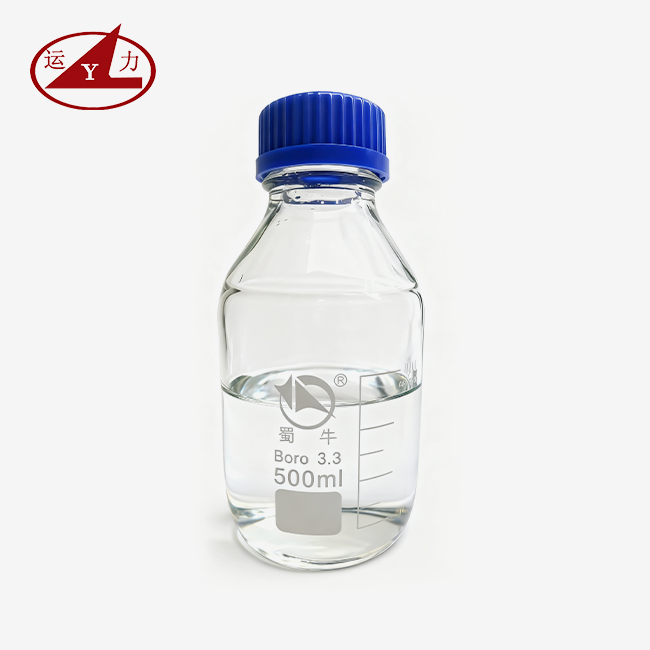
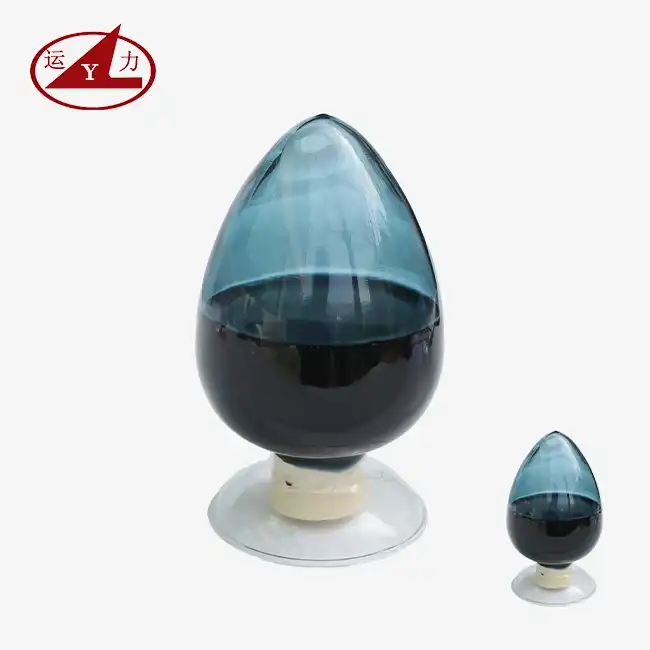
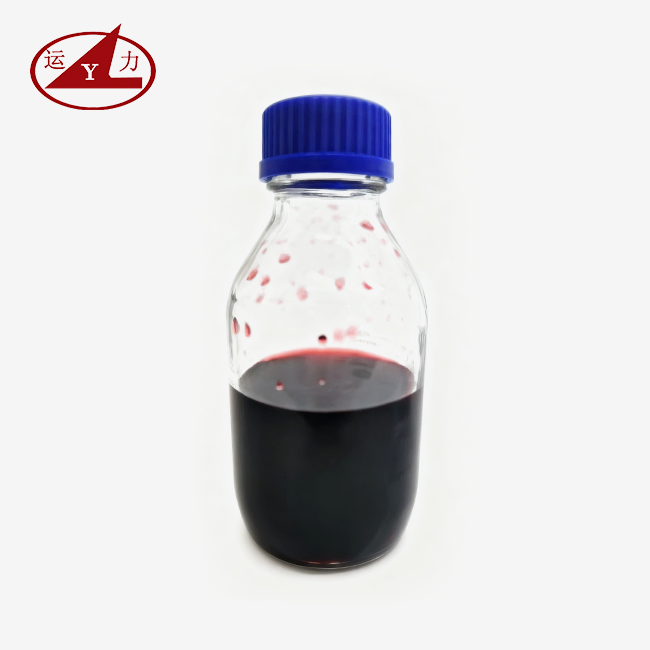
There are many ways for us to work together, and there is no minimum order amount. We also give away free samples of up to 500 grams so that you can try them out. For solid, granular, and liquid types of Cobalt Nitrate, our own export operations offer prices that come straight from the plant. There will be no markups for wholesalers, and full records will be kept. Our expert team can help you get the most out of your processes by giving you advice that is specific to your needs. It doesn't matter if you need regular industrial-grade material or 4N electronic-grade pure. By writing wangjuan202301@outlook.com, you can talk to our sourcing experts about what you need and get detailed quotes with all the paperwork you need.

References
1. Cotton, F.A. & Wilkinson, G. (2019). Advanced Inorganic Chemistry: A Comprehensive Text, 6th Edition. Wiley-Interscience Publications.
2. American Chemical Society. (2021). Reagent Chemicals: Specifications and Procedures for Reagents and Standard-Grade Reference Materials, 11th Edition. Oxford University Press.
3. Kirk, R.E. & Othmer, D.F. (2020). Encyclopedia of Chemical Technology, Volume 7: Cobalt Compounds. John Wiley & Sons.
4. Environmental Protection Agency. (2022). Guidelines for Hazardous Waste Management: Metal Finishing and Electroplating Industries. EPA Office of Resource Conservation and Recovery.
5. Liu, Y. & Zhang, H. (2023). Advanced Catalyst Preparation Methods Using Nitrate Precursors for Hydrodesulfurization Applications. Journal of Catalysis Science & Technology, 15(4), 892-908.
6. International Battery Materials Association. (2023). Technical Standards for Precursor Chemicals in Lithium-Ion Battery Cathode Manufacturing. IBMA Technical Report Series.