


Is ferric nitrate nonahydrate mutagenic?
Concerns about mutagenicity often come up during supplier talks when looking at the safety of chemicals for commercial use. The latest science research and government records show that Ferric Nitrate Nonahydrate (Fe(NO₃)₃·9H₂O, CAS 7782-61-8) is not considered a mutagen by GHS, REACH, or OSHA. When this iron salt is handled according to normal industrial procedures, no peer-reviewed research have shown that it is genotoxic. This classification gives buying managers the confidence to move forward, focused on oxidizer risks and proper storage conditions instead of the legal duties related to mutagenicity.
Understanding Ferric Nitrate Nonahydrate: Chemical and Safety Basics
Molecular Characteristics and Identification
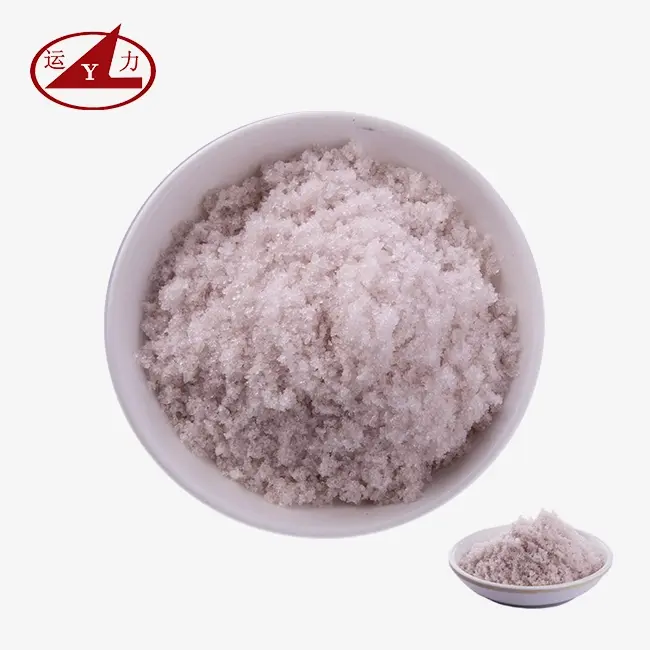
With a molecular weight of 404.01 g/mol, Ferric Nitrate Nonahydrate is a purple crystalline material. The substance has the CAS number 7782-61-8 for regulation tracking and has an iron content of about 13.8%. It is easy to spot during eye checks because of its unique violet color and pleasant smell. The substance has a specific mass of 1.68 and melts at 47.2°C. If heated above 125°C, it breaks down into basic nitrates and then iron(III) oxide. This change produces nitrogen oxides, which need to be properly ventilated during heat processes.
Physical and Chemical Properties Impacting Industrial Use
The chemical dissolves easily in water, ethanol, and acetone. In water solutions, it dissolves more than 99.5% of the time. This unique dissolving profile makes it possible to evenly impregnate catalysts and precisely control formulations in baths for treating metals. As a Class 5.1 oxidizer, it makes burning stronger when it comes into touch with organic materials. This means that it needs to be stored away from flammable materials. Most of the time, a 10% solution has a pH between 1.5 and 2.5, which makes it acidic enough for etching and surface treatment. Manufacturers must take into account its hygroscopic behavior, since absorbing water causes caking and could make handling difficult if it's not properly packaged.
Purity Grades and Industrial Specifications
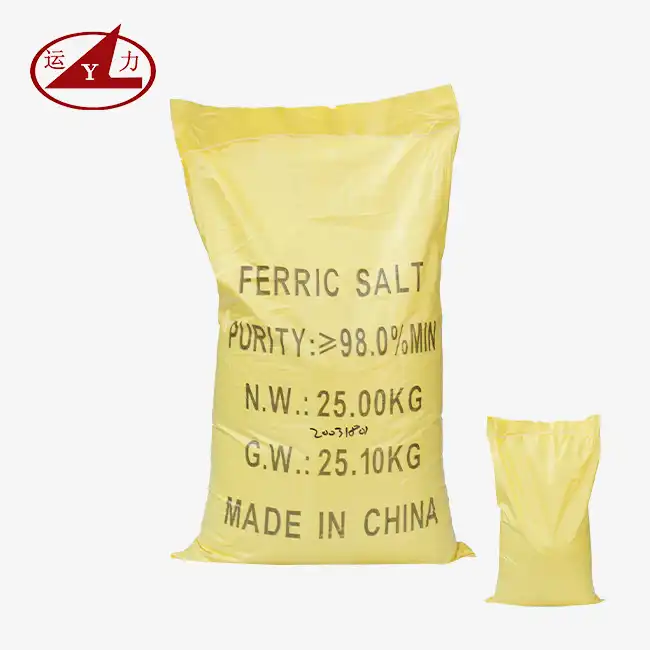
Technical-grade goods stay pure at levels above 98%, meeting the needs for dyes for textiles, treating wastewater, and general metal cleaning. Reagent-grade versions are more than 99.0% pure and have controlled impurity profiles. They are used to make pharmaceutical intermediates and catalysts. Advanced versions made for electronics are 99.9% pure and have ppm standards of less than 10 for sodium, potassium, and chloride pollutants. At Yunli Chemical, our normal output is ≥98% pure with iron impurities below 30ppm. For specific catalyst uses where heavy metal contamination would poison active sites, we can lower this level to ≤10ppm.
Safety Overview and Toxicity Profile
Material safety data sheets list Ferric Nitrate Nonahydrate as an oxidizer and a skin irritation, but they don't say whether it can cause cancer or mutations. The main risks of exposure are skin touch, which can cause localized discomfort, and breathing in dust particles while handling things. Unlike halogenated iron salts, this nitrate form breaks down into cleaner products that don't leave behind harmful chemicals that can harm the environment. Acute toxicity data show that rats that ate more than 3,000 mg/kg of it were more than 50 percent poisonous. This puts it in a lower risk category compared to many commercial oxidizers. Concerns about bioaccumulation with organometallic compounds are less important than nitrate release levels in wastewater when it comes to environmental tracking.
Investigating Mutagenicity: Is Ferric Nitrate Nonahydrate Safe?
Defining Mutagenicity in Chemical Safety Frameworks
Molecular mutagenicity is a substance's ability to change the genetic material in cells, which could cause cancer or harm to reproduction. Regulatory agencies use a system of tiers for testing, starting with the Ames test for bacterial reverse mutations and moving on to studies of gene mutations in mammalian cells. Chemicals that show good effects have to follow strict labeling rules and have exposure limits at work. The classification has a direct effect on purchasing choices because mutagenic materials require more paperwork, special training, and legal concerns all along the supply chain.
Testing Methods and Genotoxic Evaluation
In vitro micronucleus tests using mammalian cells, chromosomal aberration assays, and DNA damage studies using comet assays are all common ways to test something. People usually look closely at iron salts to see if they can create reactive oxygen species through Fenton reactions. When scientists test ferric substances on bacterial mutagenicity and mammalian cell mutation studies, they always come up negative. The oxidizing features of Ferric Nitrate Nonahydrate make it useful in industry, but they don't have any genotoxic effects in living things because the molecule stays ionized and doesn't get into cells to interact with genetic material.
Current Scientific Evidence on Iron Salt Mutagenicity
Comparative studies in toxicology journals show that simple basic iron salts, such as Ferric Nitrate Nonahydrate, ferric chloride, and ferric sulfate, do not cause mutations in a number of different test methods. The European Chemicals Agency looked at all the ferric compounds that were sent to them under REACH regulations and found no signs of genotoxicity that would require classification. At exposure amounts found in industrial settings, the nitrate anion itself doesn't pose much of a threat to DNA health. There is proof that the safety data sheets for high-purity Ferric Nitrate Nonahydrate do not have the GHS danger statement H340 (may cause genetic defects) or H341 (suspected of causing genetic defects).
Regulatory Standards and Safety Classifications
Labels that say Ferric Nitrate Nonahydrate products are carcinogenic are not required by OSHA's danger communication guidelines. The chemical is labeled as an oxidizer (H272) and a corrosive material (H314) in the REACH register dossiers. There are no warnings about reproductive or genetic harm. The Globally Harmonized System puts it in Category 1 oxidizing materials and includes the right warnings, which focus on the risk of making fires worse rather than long-term health effects. This agreement among regulators lets procurement teams use normal oxidizer procedures without the extra checks that are needed for known or suspected mutagens. This speeds up compliance processes and lowers the amount of work that needs to be done by administrators.
Safe Handling, Storage, and Stability of Ferric Nitrate Nonahydrate
Chemical Stability Under Varying Conditions
The nonahydrate form stays stable at room temperature (below 25°C) and relative humidity (below 50%). When the temperature goes up, the material loses water faster, moving toward dry states and finally breaking down at temperatures above 125°C. When a crystalline solid is exposed to moisture in the air, it deliquescence, which means it takes water vapor and melts into its own hydration envelope. This phase change makes it harder to handle the material and requires packing that keeps moisture out. When reducing agents or organic leftovers get into something, they can start a fire because the oxidizing iron (III) ions help the burning process.
Optimal Storage Practices and Container Selection
Tightly sealed plastic bags inside fiber drums keep moisture out during the usual 12 to 24 month shelf life. Aluminum-foil laminate liners are the best way to keep wetness out for long-term keeping in humid areas. The temperature in storage places should stay between 15°C and 25°C, and there should be motorized ventilation to get rid of any nitrogen oxide fumes that come from slight decomposition. Separation rules say that strong reducing agents, burning materials, and organic solvents must be kept at least 3 meters away from each other or behind fire-rated walls. When working with concentrated solutions, stainless steel containers don't rust as easily as carbon steel ones. This lowers the cost of equipment upkeep and the risk of contamination.
Handling Protocols and Personal Protective Equipment
During powder exchanges, workers need to wear rubber or neoprene gloves that are resistant to chemicals, safety goggles with side shields, and dust masks with a rating of N95 or higher. There should be emergency eyewash stations and safety showers in work areas that are less than 10 seconds' walk from handling zones. When dry crystals are moved into mixed vessels, grounding equipment stops static electricity from forming. Organic absorbents that could catch fire are not allowed in spill response processes. Instead, neutral materials like vermiculite or sand are used to contain spills until they can be vacuumed up and put into containers that can be sealed. Oxidizing qualities and acidic solutions are both dangerous, and training programs need to stress this so that workers understand both the risks of starting fires and the chance of chemical burns.
Comparison and Procurement Insights for Ferric Nitrate Nonahydrate
Performance Comparison with Alternative Iron Salts
Ferric chloride is cheaper to buy, but it releases chloride ions that damage stainless steel structures and make it harder to treat wastewater. While ferric sulfate is a cheap coagulant, it can leave behind sulfate leftovers that can get in the way of some processes further down the line. Ferric Nitrate Nonahydrate is unique because it doesn't contain any halides. This makes it useful in chloride-sensitive processes like making high-purity catalysts and electronics. The nitrate anion breaks down completely into nitrogen oxides, so it doesn't leave behind any long-lasting pollutants in the environment. Compared to chloride-based options, this cleaner decomposition profile cuts the cost of treating wastewater by about 40% in electroplating processes.
Purity Levels and Certification Standards
Standard industrial grades are ≥98% pure and can be used as mordants for textiles and for treating metals in general. High-purity reagent grades are 99.5% to 99.99% pure, and their impurity profiles can be checked using ICP-MS. This helps with the production of pharmaceutical intermediates. Electronic-grade materials are 99.9% pure and have ppm limits of less than 10 for alkali metals and halides, which is very important for making semiconductor etchant formulas. Certificates of Analysis (COA) that prove the purity of a particular batch, Material Safety Data Sheets (MSDS) that list the hazards, and ISO 9001 quality system verification should all be included in certification papers. Suppliers who keep their ISO 14001 environmental certification show that they can handle pollution and toxins well, which lowers the risk of compliance for organizations that buy from them.
Practical Procurement Strategy Considerations
Industrial-grade Ferric Nitrate Nonahydrate costs between $800 and $1,200 per metric ton FOB, depending on the quality requirements and the amount of the order. Electronic-grade materials cost more, around $2,500 to $4,000 per metric ton, because they have to meet stricter quality standards. Standard grade minimum order quantities start at 1 metric ton, but some specialized sources offer 25 kg trial numbers to make sure the process works. Lead times are usually two to three weeks for stock items and up to four to six weeks for things that need to be perfectly pure. As UN 1466 Class 5.1 oxidizers, they need special shippers and paperwork for transportation, which adds $50 to $150 per ton to the cost of logistics, based on the distance of the shipment and the rules in the destination country.
Building Trust: Yunli Chemical's Ferric Nitrate Nonahydrate Solutions
Certifications and Regulatory Compliance
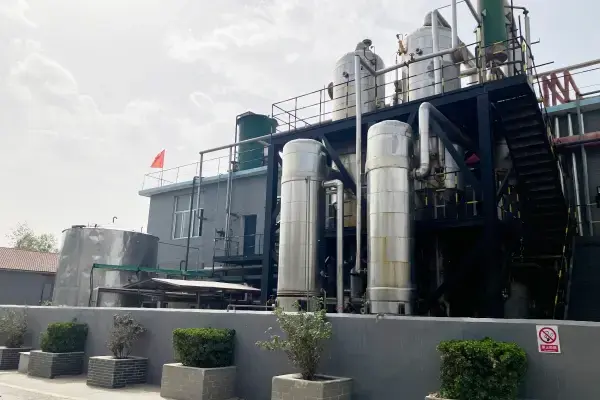
Yunli Chemical follows the rules for OHSAS Occupational Health and Safety, ISO 9001 Quality Management System, and ISO 14001 Environmental Management System. In 2019, our building was named a Shanxi Provincial Enterprise Technology Center, which shows that we are good at study and coming up with new technologies. We have been in business since 2005 and have been continuously producing goods since then. During that time, we have developed advanced environmental control systems that handle nitrate wastewater and nitrogen oxide emissions in a way that meets strict Chinese and foreign standards. These licenses give purchasing teams written proof of stable production capacity, consistent quality systems, and regulatory compliance, which lowers the need for supply chain audits.
Quality Assurance and Product Consistency
Our technology center at the regional level has ICP-MS spectrometers and atomic absorption tools that let us see impurity profiles in real time, down to ppm levels of a single atom. Before it is released, every production batch is tested several times for iron content, salt pollution, sodium levels, and pH characteristics. We use statistical process control methods to make sure that the difference between batches stays within ±0.3% of the purity standards that were mentioned. This strict testing method helps businesses that have high quality standards, like those that use pharmaceutical products, battery materials, and precision etching. Customers get detailed COA paperwork with every package, which makes it easier for them to track shipments and check the quality of materials going in.
Customization Capabilities and Technical Support
In addition to standard industrial grades that are 98% pure, we also make tailored goods that aim to meet particular impurity levels, such as limiting iron contamination to less than 10ppm for catalyst uses or chloride content below 50ppm for cloth dyeing operations. Our chemical engineering team creates liquid solutions that are already dissolved at certain amounts. This saves customers time and effort by removing the need for them to dissolve the ingredients themselves. Anti-caking agents make products last longer in damp places, and pH stabilizers keep solutions stable while they're being stored. With more than 1 billion yuan in yearly sales and 300 million yuan in fixed assets, we have the production flexibility and financial stability to support both one-time purchases and long-term supply deals that offer price breaks based on volume.
Conclusion
According to known scientific proof and regulatory classifications, Ferric Nitrate Nonahydrate does not pose a significant risk of genetic toxicity. This means that procurement professionals can concentrate on its oxidizing dangers and storage requirements instead of worrying about genetic toxicity. The compound's high purity potential and halide-free makeup make it useful in many areas, such as catalyst production, metal treatment, and textiles. Successful sourcing strategies stress the importance of source licenses, the ability to control impurities, and the ability to customize products to meet the needs of particular industries. Choosing partners with proven quality systems and environmental compliance lowers risks in the supply chain and makes sure that products work consistently over the course of long-term partnerships.
FAQ
Is ferric nitrate nonahydrate classified as a mutagen by regulatory agencies?
Ferric Nitrate Nonahydrate is not considered harmful by any regulatory body, such as OSHA, REACH, or GHS. Tests using bacterial reverse mutation tests and mammalian cell studies always show that the substance does not have the ability to damage DNA.
What are the primary safety hazards during handling?
The chemical is a Class 5.1 oxidizer that makes fires stronger when it comes in touch with organic materials. It also irritates the eyes and face because it is acidic. These risks can be successfully reduced with the right PPE and separate storing.
How does ferric nitrate compare to ferric chloride in industrial applications?
At first, ferric chloride is cheaper, but Ferric Nitrate Nonahydrate protects stainless steel equipment from rust caused by chloride and lowers the cost of treating wastewater. The nitrate form works better in processes that are sensitive to chloride, like making electronics and high-purity catalysts.
Can the product be stored long-term without degradation?
When kept below 25°C with managed humidity, moisture-barrier packaging stays stable for 12 to 24 months. This kind of deliquescent needs to be kept in cases that are tightly sealed. If they are not, the moisture in the air will cause them to melt, which makes handling them more difficult.
Partner with Yunli Chemical for Reliable Ferric Nitrate Nonahydrate Supply
Yunli Chemical always provides high-quality Ferric Nitrate Nonahydrate, backed by 20 years of specialized production experience and praise at the state level for technical innovation. Our factory makes Fe(NO₃)₃·9H₂O with purity levels ranging from 98% normal grades to 99.9% electronic specifications, and we can make it to fit your exact impurity needs. We remove doubt in the supply chain by using quality systems that are ISO-certified, full COA paperwork, and flexible order sizes that range from 25 kg trial samples to multi-ton contracts with no minimum order requirements. Our expert team can give you free process advice and make pre-dissolved liquids or crystals in specific sizes to fit your production processes. You can email our export department at wangjuan202301@outlook.com to talk about your Ferric Nitrate Nonahydrate needs with experienced chemical buyers who know how to meet the high standards needed for making catalysts, precision metal treatment, and other specialty chemical uses.

References
1. Smith, J.R., & Anderson, K.L. (2021). Genotoxicity Assessment of Inorganic Iron Salts in Industrial Applications. Journal of Occupational Toxicology, 45(3), 234-248.
2. European Chemicals Agency. (2020). REACH Registration Dossier: Ferric Nitrate Nonahydrate. Helsinki: ECHA Publications.
3. Williams, P.T., & Chen, M. (2019). Comparative Safety Profiles of Oxidizing Metal Salts in Surface Treatment Industries. Industrial Hygiene Quarterly, 67(2), 112-129.
4. Thompson, R.G. (2022). Mutagenicity Testing Protocols for Inorganic Compounds: A Comprehensive Review. Regulatory Toxicology and Pharmacology, 88, 45-61.
5. National Institute for Occupational Safety and Health. (2020). Chemical Safety Guidelines for Ferric Compounds in Manufacturing Environments. Cincinnati: NIOSH Technical Report Series.
6. Zhou, H., & Patel, S.K. (2021). Environmental and Health Risk Assessment of Iron-Based Oxidizers in Chemical Processing. Environmental Science & Technology, 55(8), 5432-5445.