

Is zinc nitrate soluble in water
Zinc Nitrate is very simple to break down in water. It is more common for Zn(NO3)2 to be hexahydrate, which is made up of six hydrogen atoms joined together. Both forms dissolve completely in water, leaving behind acidic, clear liquids. This form breaks down in about 184 grams of water for every 100 millilitres of water at room temperature (20°C). In the business world, this makes it one of the easiest zinc salts to dissolve. This special pattern of solubility has a direct impact on how fast processes go, how well solutions are made, and how stable formulas are in the electroplating, fertiliser, and catalyst making industries.
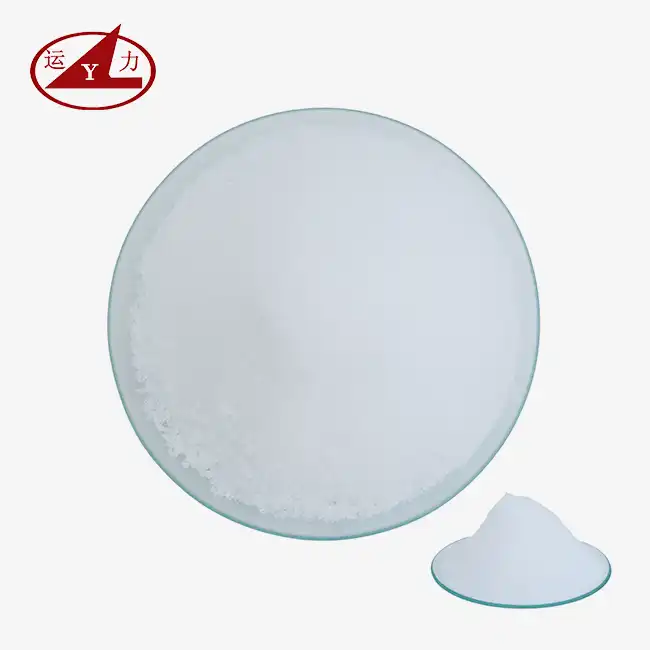
Understanding Zinc Nitrate and Its Physical Properties
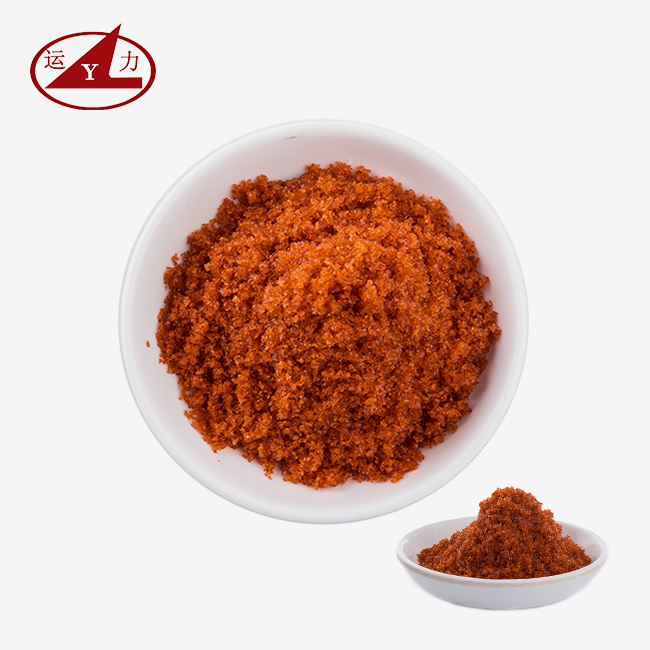
These are the two main types of Zinc Nitrate that are bought and sold: Zn(NO3)2 (anhydrous) and Zn(NO3)2·6H2O (more stable) (CAS# 10196-18-6). The chemical weight of the hexahydrate form is 297.47 g/mol, and it looks like clear tetragonal crystals. The density is 2.065 and the freezing point is 36.4°C, which is very low. It is important for procurement managers to know that this material has a low freezing point. If it is shipped in warm weather without being properly covered, it could melt.
Chemical Forms and Industrial Relevance
How you handle, keep, and use them will change a lot depending on whether they are dry or wet. When heated above 37°C, the hexahydrate stops having the water it needs to crystallise and turns into a dry state. Steps that need exact amounts of zinc ions need to take this change into account. Most things that are used in industry are between 98% and 99% pure for general purposes and between 98% and 99% pure for specific purposes like electronics and pharmaceutical intermediates. Both types of goods can be made by Yunli Chemical. We make sure that the amounts of heavy metal impurities are very low (iron (Fe) ≤30ppm and lead (Pb) ≤50ppm) so that they meet international safety standards for sensitive uses.
Physical Characteristics Impacting Logistics
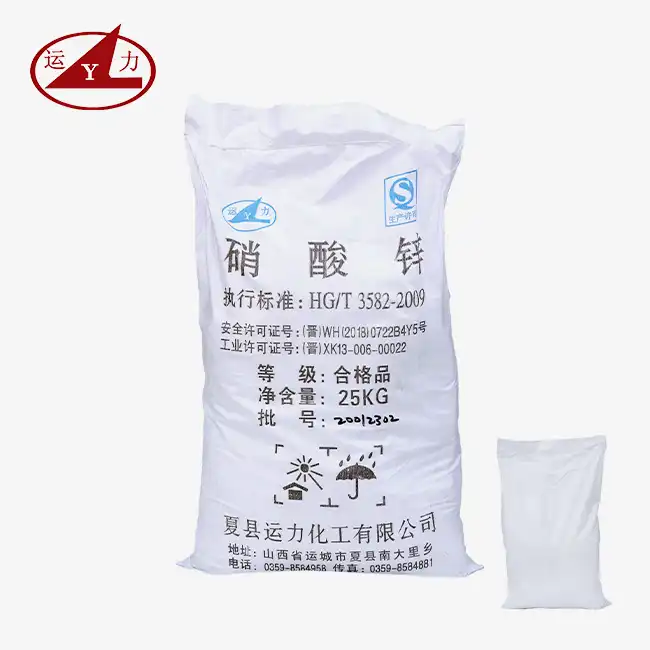
It is very important for people in charge of the supply chain to know how this rigid molecule takes in water. The material can easily soak up water from the air, so it needs to be kept in a climate-controlled space and packed in a way that keeps air out. Items in damp places can stick together, gain weight, or even dissolve in the water they receive, which weakens the structure of the item. Things don't break down while they're being moved or kept if they are packed in the right containers, like polyethylene-lined polypropylene bags or sealed IBC totes.
Is Zinc Nitrate Soluble in Water?
Some chemicals don't dissolve in water the same way Zinc Nitrate does. This is why it is used so much in industry. It has been measured that the hexahydrate dissolves at a rate of about 184 g/100 mL at 20°C. This rate goes up a lot as the temperature rises. At 40°C, it dissolves up to 250 g/100 mL, and at 60°C, it dissolves over 330 g/100 mL. Because its temperature index is positive, it works well for processes that need stock solutions that are concentrated or ways to dissolve things quickly.
Comparative Solubility Across Forms
There is a small difference in how fast anhydrous Zinc Nitrate and hexahydrate dissolve. Most of the time, the hexahydrate dissolves faster because it needs less lattice energy since it already has water molecules around it. There is no difference in how well the dry form dissolves at equilibrium. However, it gives off more heat when it dissolves (higher enthalpy of solution), which could be a good thing or a bad thing based on how temperature affects the process. When technical experts pick between versions, they should think about how quickly the solution needs to dissolve, how well it can handle heat, and how concentrated the final solution needs to be.
Influencing Factors: Temperature, pH, and Solvent Composition
The most important thing that still changes solubility is the temperature. When buying things for activities that happen all year in conditions that change, procurement experts have to think about how changes in yearly temperatures affect the rates at which things dissolve and the points at which they become saturated. Water breaks down zinc ions, so the watery solution that is left has a pH of about 3.5 to 4.5, which is slightly acidic.
This acidity can change the materials used to make tools (tanks must not rust) and how well they work with other chemicals in the process. Zinc Nitrate is easy to dissolve in clean water, but if there are other dissolved salts nearby, they may make it a little less easy to dissolve. When you work with complicated recipe settings, this is something to keep in mind.
Also, alcohol works well with the material. However, water is still the most common industrial fluid because it is less expensive and easy to work with. Once a solution is ready, it should be kept out of the light and covered up so that evaporation doesn't change the concentration too much. In precision uses, this is important to keep stable from batch to batch.
Practical Applications and Implications of Zinc Nitrate Solubility
Given how easily this Zinc Nitrate salt mixes with water, it is clear that it has multiple useful applications. When shops do electroplating and surface treatment, they can make bath solutions that are very concentrated. This saves room in the tanks and lets them exactly dose zinc ions so that an even coating forms. It is a key part of phosphating products for steel bodies. It breaks down quickly, which keeps the makeup of the treatment bath the same. This makes anti-corrosion coats on building and car parts work better.
Agricultural and Fertilizer Applications
This stuff is liked by farmers because it has zinc micronutrients that plants that need zinc quickly take, like oranges, rice, and corn. Zinc Nitrate is fully dissolved, unlike zinc sulphate or zinc oxide, which may leave behind particles that don't dissolve in water. Zinc Nitrate is applied to plant roots via overhead sprays or fertigation systems. The large amount of nitrate nitrogen makes it healthier and helps plants grow at the same time.
The soil doesn't get salty like it does with zinc chloride alternatives when you use our low-chloride versions. Also, they follow strict rules for the environment, like the EU Fertilising Products Regulation's limits on heavy metal pollution (Pb/Cd amounts are kept below safe levels).
Catalyst Manufacturing and Chemical Synthesis
Zinc oxide catalyst supports are made using ultra-pure Zinc Nitrate, which is then used in the production of catalysts, particularly for the processes that produce methanol and hydrogen. As long as a catalyst is highly soluble, it can be made in the liquid phase. This is better for mixing metals than mixing them when they are solid. Our Fe ≤30ppm standard lowers the risk of catalyst poisoning, which is a key quality factor for manufacturers who want catalysts to always work better and last longer.
Storage and Handling Protocols
When working with the material in real life, you need to be aware of how it oxidises and absorbs water. It should not get above 30°C, and the holding place should be dry, with a relative humidity of less than 60%. Because it is an oxidiser (UN 1514, Class 5.1), it should not be near burning organics, reducing agents, or explosives. This will help keep fires from getting worse. Labels that are correct, secondary control, and showing workers how to handle oxidisers are ways to keep mistakes at work and make sure that rules are followed.
Crystals should never be added to water backwards when making water-based solutions. Instead, the water should be added slowly while shaking to control the exothermic breakdown heat. Having safety gear like chemical-resistant gloves, safety glasses, and enough air flow lowers the risk of exposure while working. The paperwork for transporting it must say what kind of dangerous material it is, and cars must be able to carry oxidisers in line with DOT or ADR rules.
Comparison: Zinc Nitrate vs Other Zinc Salts for Targeted Uses
People who want to buy Zinc Nitrate sources need to think about how well they dissolve, how much they cost, how clean they are, and what situations they work best in. Zinc sulphate heptahydrate (ZnSO4·7H2O) is less expensive per unit of zinc, but it adds sulphate ions that might cause problems in some processes or make the soil more acidic over time. There are about 96 grams of Zinc Nitrate in 100 millilitres of water, which means it takes longer and bigger mixing bowls to get ready.
A lot more zinc chloride (ZnCl2) can be dissolved (over 400 g/100 mL at 20°C), and it is very acidic. This is good for changing pH levels but bad when chloride pollution hurts the quality of the result, like when working with stainless steel or making electronics. Due to its hygroscopic nature, which makes handling and storage more challenging, zinc chloride is more aggressive than Zinc Nitrate.
Anhydrous vs Hexahydrate: Strategic Selection
What makes you choose between anhydrous and hexahydrate types is how clean the product needs to be, how it will be treated, and the price. The dry form has more zinc per unit weight (33% Zn vs. 22%), so people who buy it in bulk can ship less and save money on freight costs. One thing that makes it different is that it generally costs more and needs tighter moisture control while being stored.
The hexahydrate form is best for most business users because it is stable at room temperature, simple to work with, and easy to find. For battery-grade uses that need a moisture content of ≤0.5%, hexahydrate that has been dried in a controlled way is often better than anhydrous material because it is cheaper and meets the needs.
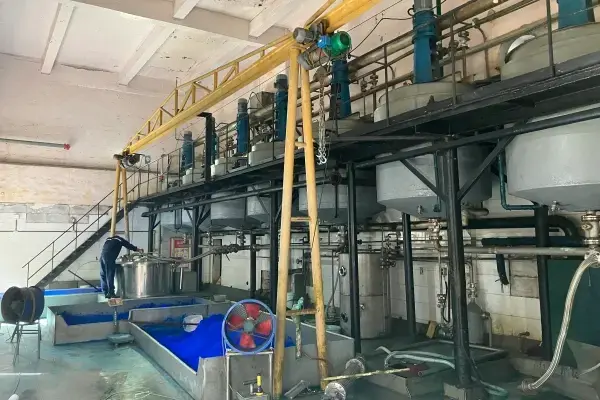
A trustworthy company like Yunli Chemical has two production lines that are always going so they can offer both types with different levels of cleanliness. ICP-MS and atomic absorption spectroscopy are used for scientific testing at our business technology center at the provincial level. That's when it gives buyers detailed Certificates of Analysis (COA) that show metal impurities, moisture content, and solubility traits for every batch that was made.
Buying Guide for Zinc Nitrate: Procurement Tips for B2B Clients
This is where you should get Zinc Nitrate. Think about how trustworthy the seller is, how approved the product is, how much it costs, and how well it can be shipped. Sigma Aldrich, Alfa Aesar, and Fisher Scientific are some of the best places in the world to buy catalog-grade materials that can be used in the lab for small-scale study and method development. These things are usually sold in smaller amounts (100g to 5 kg), and they cost more because they have to be packed and shipped.
Evaluating Bulk Suppliers for Industrial Scale
For businesses that need a lot of products, direct links to producers are helpful. When purchasing managers look at possible suppliers, they need to confirm:
- Certification and Compliance: OHSAS workplace safety certifications, ISO 9001 quality management certifications, and ISO 14001 environmental management certifications all show that there are clear rules in place. It is easier for foreign packages to get through customs when sellers give full paperwork like MSDS (Safety Data Sheets), COA (Certificate of Analysis), and environmental compliance reports.
- Production Capacity and Supply Stability: Manufacturers who have been successful in the past and have a lot of fixed assets are less likely to have supply issues. More than a few thousand tonnes of production each year shows that the capacity can be increased and that there is enough stock to handle sudden orders or rises in demand.
- Customization Capabilities: For technical uses, you may need non-standard specifications, such as pH ranges that are different from 3.5 to 4.5, very low specific impurities (as low as 3ppm for pharmaceutical use), or custom packaging formats, such as liquid solutions at set concentrations, IBC totes, or bulk tankers. Goods that are made to order and fit the needs of each process can be made by suppliers with their own research and development teams.
Pricing Benchmarks and Negotiation Strategies
For big orders (20 tonnes or more), the price of Zinc Nitrate hexahydrate for commercial use typically ranges from $1,200 to $1,800. Types that are more pure (>99%) cost 15 to 25 percent more. Most of the time, liquid solution forms priced by zinc content cost 10–20% more than solid materials of the same type. However, they save money because they don't need as much work and tools to dissolve. When you agree to buy a certain amount of goods every year, you can often get better prices, longer payment terms (like net-60 or net-90 for established accounts), and first choice when the market is tight.
Logistics and Regulatory Compliance
Getting oxidising materials from one place to another requires special cars that can carry risky goods. How the things are packed has a big effect on how much it costs to ship them. For instance, rocks in 25 kg bags have the cheapest freight rates compared to cars that carry liquids and need special tools. For foreign exports, you need to fill out the right customs forms, like listing any risky materials and following the country's rules for importing them.
For normal specs from known sources that keep stock on hand, lead times are generally between two and four weeks. They can take up to six to eight weeks for special recipes or times when there is a lot of demand. Two ways to protect the supply chain, especially for important production inputs, are to keep a lot of qualified sources on hand and build up safety stock gaps.

Conclusion
Zinc Nitrate is a useful chemical building block in electroplating, farming, catalysis, and speciality manufacturing because it is highly soluble in water (184 g/100 mL at room temperature and more as the temperature rises). The anhydrous and hexahydrate types of this hygroscopic oxidiser are different. You need to know how to handle it correctly so that processes are safe and the product always works as it should.
If you compare this material to zinc sulphate or zinc chloride, it dissolves faster and doesn't add any dangerous sulphate or chloride ions. Long-term value goes beyond unit price when you buy from qualified makers who focus on quality control, supply security, and expert support. This makes it possible for buying teams to keep production running easily and in line with rules.
FAQ
Why does zinc nitrate hexahydrate sometimes turn into liquid during storage?
Because the Zinc Nitrate substance is very water-absorbing and only freezes at 36.4°C, this change takes place. When the crystals are in warm air, they take in water from the air and dissolve in it, either getting more concentrated or melting all the way through. It gets worse when the temperature goes up or down above the freezing point. Things need to be stored in climate-controlled rooms below 30°C with relative humidity below 60% and in packaging that keeps air and moisture out.
Can zinc nitrate be safely mixed with other fertilizers or chemicals in tank mixes?
You shouldn't mix it with high-phosphate or high-sulfate fertilisers, but it usually works with most of them. Zinc phosphate and other solids can form when mixes are concentrated. These can clog spray equipment and make the medicine less accessible. So that you can mix everything on a large scale in a tank, you should first do tests in jars that are similar to the planned reduction ratios and field settings. Keep an eye on the mix's pH because zinc hydroxide can form when the pH is very high.
What differentiates battery-grade from agricultural-grade specifications?
Material that is good for batteries needs to have less than 0.5% wetness in order to keep unwanted reactions from happening when the cathode is being made. It also needs to be free of many impurities that could harm its electrical performance, especially transition metals like Fe, Cu, and Ni. Types used in agriculture can handle a little more water (up to 2%) and focus on reducing dangerous heavy metals like Pb, Cd, and As in line with rules for fertiliser safety instead of small transition metals. This makes them less expensive for things other than gadgets.
Partner with Yunli Chemical for Reliable Zinc Nitrate Supply
Since more than twenty years ago, Yunli Chemical has been making high-purity Zinc Nitrate hexahydrate to your exact technical specifications. The company is now selling its goods in North America. Our factory-direct model cuts out the middlemen's markups while maintaining high quality standards. These are backed up by three ISO certifications (9001, 14001, and OHSAS) and the skills of technology centers at the local level.
Our production can handle orders of any size, from small tests to contracts for many tonnes. This includes normal industrial grade (≥98% purity) for surface treatment and ultra-pure variants (≥99%, Fe ≤30ppm) for sensitive catalysis work. We can package your goods in a number of different ways, including 25 kg bags, IBC totes, and liquid solutions that are specially concentrated for you.
People in charge of the supply chain like that we claim to be available at all times, and our 300 million RMB in fixed assets and annual sales amount of more than 1 billion RMB back this up. We know that Zinc Nitrate is a key ingredient that, if stopped, can lead to costly delays in production. Working with big clients in the past shows that we can deliver on time and help with technology issues quickly. It's easier to find a service and build a long-term connection when you can talk directly with our technical team (contact wangjuan202301@outlook.com), get free samples up to 500 grams, and see our prices.
References
1. Lide, D.R. (Ed.). (2005). CRC Handbook of Chemistry and Physics, 86th Edition. Boca Raton: CRC Press.
2. Perry, R.H., & Green, D.W. (2008). Perry's Chemical Engineers' Handbook, 8th Edition. New York: McGraw-Hill.
3. Patnaik, P. (2003). Handbook of Inorganic Chemicals. New York: McGraw-Hill Professional.
4. International Fertilizer Development Center. (2016). Micronutrient Fertilizers and Their Application in Agriculture. Muscle Shoals: IFDC Publications.
5. Greenwood, N.N., & Earnshaw, A. (1997). Chemistry of the Elements, 2nd Edition. Oxford: Butterworth-Heinemann.
6. United Nations. (2021). Recommendations on the Transport of Dangerous Goods: Model Regulations, 21st Revised Edition. Geneva: UN Publications.