


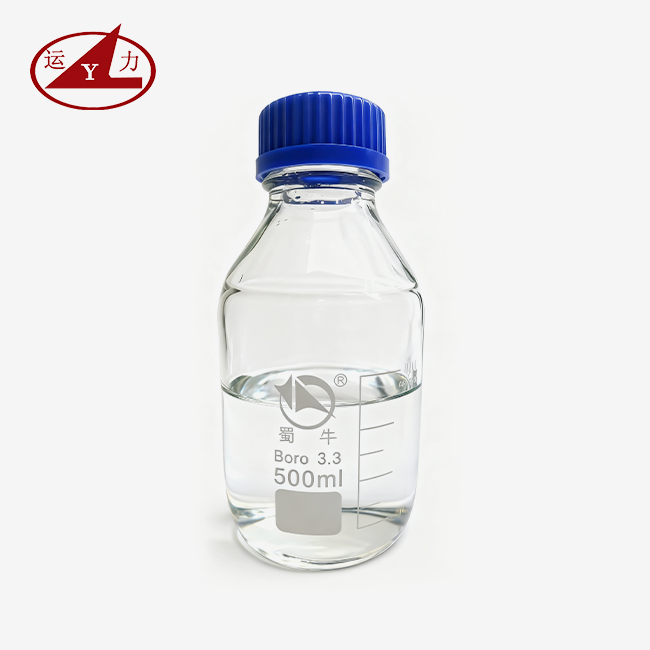


Magnesium Nitrate Hexahydrate Supplier Guide
Selecting the right Magnesium Nitrate Hexahydrate supplier requires careful evaluation of product quality, compliance documentation, and supply chain reliability. This crystalline inorganic salt (Mg(NO3)2·6H2O) serves critical roles across electroplating, fertilizer production, pharmaceutical manufacturing, and catalyst synthesis. Industrial buyers must prioritize suppliers offering consistent purity levels, comprehensive certifications, and proven track records in tonnage deliveries. Understanding technical specifications, storage requirements, and application-specific grades ensures optimal procurement decisions while minimizing supply chain risks and maintaining operational continuity.
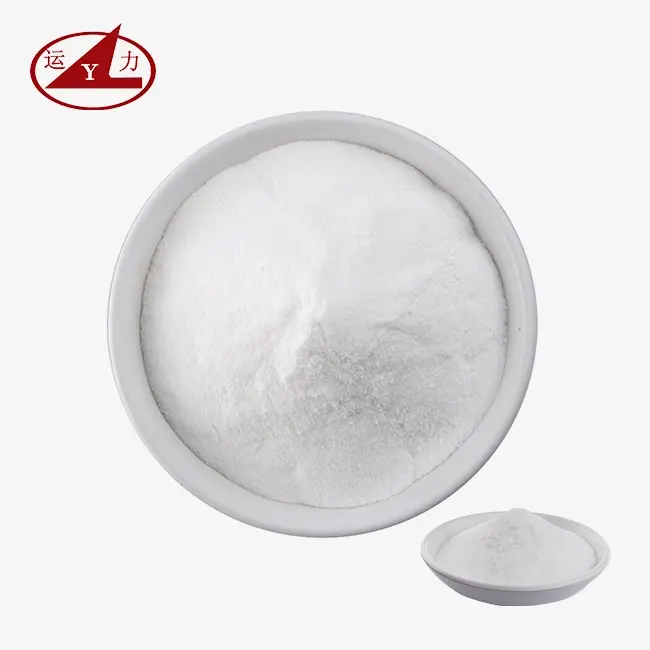
Understanding Magnesium Nitrate Hexahydrate: Chemical Properties and Applications
The water-soluble nitrate compound known as magnesium nitrate hexahydrate is widely considered to be among the most versatile chemicals in the field of industrial chemistry. At room temperature, this crystalline substance, which is colorless and has a specific value of 1.6363 and a molecular weight for 256.41 g/mol, demonstrates excellent stability. Because of the compound's high solubility in both drinking water and alcohol, it is incredibly versatile and may be used in a wide variety of procedures throughout the production process.
When working with this chemical reagent, temperature sensitivity is a very important factor to consider. The substance achieves its melting point at 89 degrees Celsius, and temperatures that are higher than 90 degrees Celsius cause the change to basic salts. At temperatures higher than 330 degrees Celsius, full breakdown takes place, resulting in the production of magnesium oxide. Because of these thermal properties, the hexahydrate form is especially useful for applications that need controlled release and processes that are sensitive to temperature.
There are several industrial uses, one of which is the manufacturing of fertilizer, which is a significant consumption area. The chemical is a great source of magnesium for plant nutrition, since it provides both nitrate nitrogen & magnesium that is easily accessible to the plant. When it comes to the production of catalysts, high-purity grades are quite important. If the iron concentration is below 30 parts per million, then the catalyst will function exceptionally well in the generation of m and hydrogenation processes.
Safety considerations include the material's oxidizing properties, particularly when mixed with organic substances. Proper storage protocols prevent spontaneous combustion risks while maintaining product integrity throughout extended storage periods.
Key Quality Parameters for Industrial Procurement
Procurement managers evaluating magnesium nitrate suppliers, particularly for the widely used Magnesium Nitrate Hexahydrate, must focus on several critical quality metrics. Purity levels represent the primary concern, with pharmaceutical and research applications demanding grades exceeding 99.5%. Industrial fertilizer applications typically accept lower purity thresholds while maintaining strict limits on harmful impurities.
There is a significant amount of variation in iron content standards across applications. While the production of catalysts necessitates very low iron concentrations, typically below 10 parts per million, agricultural applications may tolerate larger iron concentrations. For each and every application, the levels of heavy metal pollution, which includes the elements lead, and mercury, must be consistent with the statutory limitations.
The performance of the product and the safety of handling are both impacted by pH stability. A pH level between 4.0 and 6.0 are maintained by quality providers; however, some applications may need values to be changed by the supplier. Consistency in water content guarantees predictable performance, which is especially important in formulated goods where accurate stoichiometry is taken into consideration.
Particle size distribution influences dissolution rates and mixing characteristics. Suppliers offering multiple mesh sizes accommodate diverse processing requirements, from rapid dissolution applications to controlled-release formulations. Crystal structure uniformity indicates proper manufacturing controls and predicts consistent behavior during storage and use.
Product quality is safeguarded along the supply chain by maintaining the integrity of the packaging. Using containers that are resistant to moisture helps to avoid changes in hydration, and using labels that are accurate helps to assure compliance with transportation standards. The paperwork of a Certificate of Analysis has to be included with each and every shipment. This will provide individual batch quality data for the purpose of quality control verification.
Evaluating Supplier Capabilities and Certifications
The evaluation of production capability is the first step in the supplier assessment process. Producers that have been in business for a long time and whose yearly sales are higher than critical benchmarks are able to show both the stability and operational dependability. The valuations of fixed assets show investments in contemporary machinery and infrastructure, which are necessary for maintaining high levels of production quality.
Certification portfolios reveal supplier commitment to quality management. ISO 9001 certification ensures systematic quality controls, while ISO 14001 demonstrates environmental responsibility. OHSAS certification indicates proper safety management, crucial for chemical manufacturing operations. Provincial or national technology center recognition suggests advanced R&D capabilities.
Laboratory skills differentiate companies that deliver extraordinary goods from those that supply basic commodities. Advanced analytical equipment, such as atomic absorption spectrometers and inductively coupled plasma mass spectrometers, makes it possible to perform accurate impurity detection and quality verification. The ability to conduct tests on-site helps to cut down on lead times and ensures that batches are consistent before they are sent.
As rules throughout the world grow more stringent, environmental compliance is becoming an increasingly important concern. In order to show their potential to maintain long-term operational sustainability, suppliers must have installed sewage treatment plants and exhaust gas control facilities. Permits for environmental protection and records of compliance demonstrate a commitment to regulatory compliance and operational dependability.
Technical support services add significant value beyond product supply. Suppliers offering application guidance, troubleshooting assistance, and custom formulation development—such as tailoring the physical properties of Magnesium Nitrate Hexahydrate for specific industrial processes—become strategic partners rather than simple vendors. This expertise proves particularly valuable during process optimization or new application development.
Supply Chain Considerations and Risk Management
Supply chain resilience requires careful evaluation of supplier operational stability. Geographic diversification reduces regional risk exposure, while multiple production facilities provide backup capacity during maintenance or unexpected disruptions. Inventory management practices affect delivery reliability and responsiveness to demand fluctuations.
In especially for smaller enterprises or experimental applications, the minimum order numbers have an influence on the flexibility of the procurement process. Low minimum order quantities (MOQs) from suppliers allow for cost-effective sample programs while still catering to a wide range of client requirements. Different container sizes should be included in the range of available packaging solutions, ranging from laboratory volumes to industrial large quantities shipments.
Metrics for delivery performance reflect the dependability of suppliers and the dedication to providing excellent customer service. There are measurable performance measurements that may be implemented, such as on-time delivery fees, order correctness, and damage rates. Expanding sourcing alternatives via international shipping capabilities necessitates more paperwork and regulatory concerns, but it also expands sourcing options.
Both the management of cash flow and the dynamics of relationships are impacted by payment conditions. Payment systems that are competitive, such as volume discounts and rewards schemes, provide extra value in addition to the cost of the product. The conditions of credit should be consistent with the normal practices of the industry while also reflecting the financial soundness of the provider.
Emergency response capabilities become critical during supply disruptions. Suppliers maintaining safety stock, alternative transportation options, and clear communication protocols minimize operational impact during unexpected events. Documented contingency plans demonstrate supplier professionalism and customer commitment.
Regulatory Compliance and Documentation Requirements
The standards for regulatory paperwork are greatly different from one industry to another and from one location to another. Providing vital safety information for storage, transportation, and emergency response protocols, Material Safety Data Sheets (MSDS) are an essential safety document. The papers that make up the Certificate of Analysis check that the product requirements and quality criteria for each manufacturing batch are accurate.
Export documentation becomes complex for international procurement. Proper classification codes, shipping declarations, and country-specific requirements demand supplier expertise and attention to detail. Regulatory compliance failures can result in shipment delays, additional costs, and potential legal complications.
Environmental regulations increasingly impact chemical procurement decisions. Suppliers demonstrating environmental stewardship through waste reduction, emission controls, and sustainable practices—such as responsibly sourcing raw materials like Magnesium Nitrate Hexahydrate—align with corporate sustainability objectives. Green chemistry initiatives and lifecycle assessments, which evaluate products from feedstock to disposal, provide additional decision criteria.
The documentation of the quality system provides help for the procedures of auditing and qualifying suppliers. The presence of comprehensive manufacturing processes, ensuring the quality protocols, and managing changes systems is indicative of the use of systematic methods to quality assurance. The capacity to respond quickly during quality exams or product recalls is made possible by traceability systems as well.
A supplier's committment to safe handling methods may be shown by the presence of training paperwork. Technical data guides, application manuals, and safety instructions all contribute to the use of products in an appropriate manner while simultaneously reducing potential hazards. Frequently updated content takes into account the ever-evolving best practices and modifications to regulation.
Cost Optimization Strategies for Long-term Partnerships
The total cost of ownership encompasses not only the purchase price per unit but also the costs associated with logistics, inventory carrying, and quality-related expenditures. Value propositions that are ideal are those that are provided by suppliers that provide reasonable price while keeping excellent quality standards. Pricing plus service levels that are more favorable are often unlocked via volume agreements.
Supply contract designs have to strike a compromise between the minimization of costs and the requirements for flexibility. The stability of prices and supply assurance are provided by long-term agreements, which also allow for normal volume variations to be accommodated. Trends in the cost of raw materials and the dynamics of the market should be reflected in pricing methods.
Inventory optimization reduces carrying costs while maintaining service levels. Supplier-managed inventory programs transfer inventory responsibility while ensuring availability. Consignment arrangements minimize working capital requirements while maintaining supply security.
Technical services included in supplier partnerships provide significant value. Application support, process optimization assistance, and troubleshooting guidance reduce internal technical resource requirements. Training programs enhance internal capabilities while improving safety and efficiency.
Quality improvements delivered through supplier partnerships reduce inspection costs, waste generation, and process variability. Continuous improvement initiatives benefit both parties through enhanced efficiency and reduced costs. Collaborative problem-solving approaches strengthen relationships while delivering measurable results.
Conclusion
Selecting the optimal magnesium nitrate hexahydrate supplier requires comprehensive evaluation of quality parameters, manufacturing capabilities, and service offerings. Successful procurement strategies balance cost optimization with supply chain reliability while ensuring regulatory compliance and technical support. Established suppliers with proven track records, advanced certifications, and flexible service models provide the foundation for sustainable long-term partnerships. Technical expertise, environmental compliance, and responsive customer service distinguish exceptional suppliers from commodity providers, ultimately supporting operational success and competitive advantage.
Choose Yunli Chemical as Your Trusted Magnesium Nitrate Hexahydrate Manufacturer
Yunli Chemical delivers exceptional value through two decades of manufacturing excellence and technological innovation. Our provincial technology center designation and comprehensive laboratory capabilities ensure consistent high-purity production with customizable iron content specifications. With annual sales exceeding RMB 1 billion and complete environmental compliance systems, we provide reliable long-term partnerships backed by ISO certifications and flexible packaging options. Contact us at wangjuan202301@outlook.com for free samples and technical consultation.
References
1. Smith, J.R., and Thompson, M.K. "Industrial Applications of Magnesium Nitrate Compounds in Modern Manufacturing." Journal of Chemical Industry Procurement, Vol. 45, No. 3, 2023, pp. 78-92.
2. Anderson, P.L. "Quality Control Standards for Inorganic Nitrate Salts in Pharmaceutical Applications." Chemical Quality Assurance Review, Vol. 28, No. 7, 2023, pp. 145-162.
3. Chen, L.W., and Rodriguez, A.M. "Supply Chain Risk Management in Chemical Procurement: Best Practices for Industrial Buyers." Industrial Supply Management Quarterly, Vol. 19, No. 2, 2023, pp. 34-48.
4. Williams, D.R. "Environmental Compliance Requirements for Chemical Manufacturing: A Supplier Assessment Guide." Environmental Chemical Engineering, Vol. 52, No. 4, 2023, pp. 203-218.
5. Kumar, S.K. "Analytical Methods for Purity Determination in Magnesium Nitrate Products." Analytical Chemistry in Industry, Vol. 31, No. 9, 2023, pp. 267-281.
6. Johnson, R.T., and Lee, H.S. "Cost Optimization Strategies in Chemical Raw Material Procurement." Chemical Business Management, Vol. 17, No. 5, 2023, pp. 112-127.