


Cobalt Nitrate Solution Supplier Guide for Bulk Buyers
Finding the right Cobalt Nitrate Solution supplier for bulk procurement requires careful evaluation of quality standards, regulatory compliance, and supply chain reliability. Industrial buyers need partners who deliver consistent purity levels, complete documentation, and stable long-term supply. This comprehensive guide examines critical selection criteria, technical specifications, and procurement strategies to help purchasing managers and technical engineers make informed sourcing decisions for their electroplating, catalyst manufacturing, and specialty chemical operations.
Introducing Cobalt Nitrate Solution Quality Standards
When it comes to effective bulk buying, quality consistency continues to be the most important factor. Solutions containing cobalt nitrate hexahydrate are required to meet stringent purity criteria, notably for use in the fabrication of electronic components and pharmaceutical intermediates. High-quality providers ensure that the iron concentration is below 30 parts per million, salt levels are below 50 parts per million, and metals such as mercury (lead and cadmium) are below 10 parts per million.
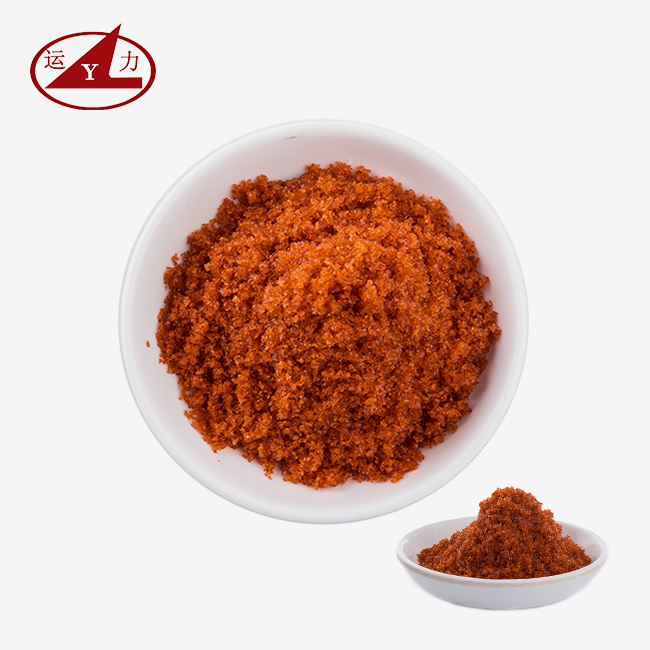
Concentration stability proves equally crucial. Leading manufacturers achieve batch-to-batch variations within ±1%, ensuring predictable performance across production cycles. The molecular formula Co(NO3)2·6H2O indicates the hexahydrate structure, but solution concentrations typically range from 40-50% cobalt content depending on application requirements.
Advanced analytical procedures are used to check the integrity of the product. Detailed diplomas of analysis (COA) that demonstrate trace contaminants are provided by suppliers that use atomic absorption spectrometry and inductively coupled plasma mass spectrometry (ICP-MS). When it comes to companies that need high-purity materials of the 4N grade or specific catalyst synthesis applications, this paperwork becomes very necessary.
Temperature sensitivity has an impact on the methods for both transportation and handling situations. The solid form of cobalt nitrate has melting values that range between 55 and 56 degrees Celsius, whereas solutions of cobalt nitrate remain stable at temperatures that are under control. It is helpful for purchasers to build adequate facility for storage and handling practices when they have a thorough understanding of these chemical qualities.
Critical Supplier Evaluation Criteria
Production capacity assessment reveals supplier scalability potential. Manufacturers with annual revenues exceeding one billion RMB typically demonstrate robust infrastructure capable of supporting large-scale, recurring orders. Fixed assets exceeding 300 million RMB indicate substantial manufacturing investment and financial stability.
Certification portfolios differentiate reliable partners from opportunistic vendors. ISO 9001 quality management systems, ISO 14001 environmental standards, and OHSAS occupational safety certifications provide objective evidence of operational excellence, including for the manufacturing of specialized materials like Cobalt Nitrate Solution. Provincial-level technology center designations further validate research and development capabilities.
Environmental compliance skills are becoming an increasingly important factor in the selection of suppliers. Sustainable manufacturing techniques are offered by businesses that have developed wastewater treatment plants and NOx absorption towers. These businesses also minimize the risks associated with regulatory compliance. Recycling systems for wastewater that transform waste streams into sodium nitrate that may be reused are examples of implementations of circular economy ideas.
The delivery times and the costs of logistics are also impacted by geographical concerns. The ability of suppliers to produce samples within three working days and bulk delivery within seven to ten days represents a competitive advantage over alternatives that take longer. UN-certified packaging guarantees the safety of transit while also satisfying the standards for international shipment.
Technical Specifications and Customization Options
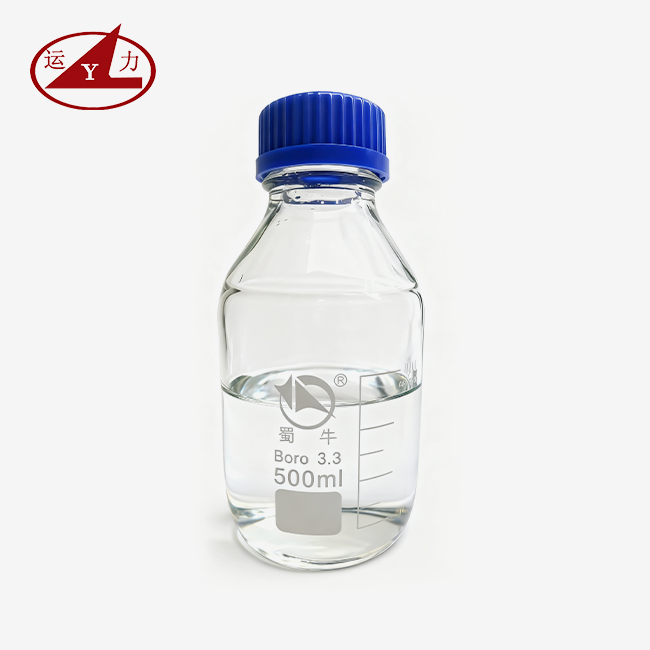
Cobalt nitrate preparation methods impact final product characteristics. Direct liquid supply eliminates customer dissolution steps, reducing energy consumption and labor costs by approximately 20%. Ready-to-use formulations also minimize contamination risks associated with solid-to-liquid conversion processes.
Appropriate optimization for individual applications is made possible by pH modification capabilities. Standard solutions keep pH levels from 3 and 5, although specialist applications may need values that are adjusted to meet their specific needs. In order to obtain optimum reaction conditions including catalyst performance, methanol catalyst production often necessitates the exact control of pH that is required.
Viscosity modifications accommodate diverse processing requirements. Electroplating applications may require specific flow characteristics, while ceramic manufacturing processes need different solution properties. Experienced suppliers provide formulation flexibility without compromising core quality parameters.
In order to cater to specific applications, impurity profiles may be modified. CO2 hydrogenation catalysts need a very low heavy metal concentration, while textile dyeing methods may be able to tolerate somewhat greater impurity levels and still be successful. Customers are able to more effectively convey exact specifications to prospective providers when they have a thorough understanding of these application-specific needs.
Regulatory Compliance and Documentation
International market access requires comprehensive regulatory compliance. Cobalt Nitrate Solution product listings require REACH registration to enable European Union sales, while TSCA certification allows United States distribution. JIS compliance facilitates Japanese market penetration, expanding supplier flexibility for global operations.
The Material safety sheets (MSDS) provide crucial information on the handling of materials. Because of the toxicity of cobalt nitrate, it is essential to pay close attention to the procedures for breathing in, ingesting, and skin contact. The implementation of suitable safety measures at work and staff training programs may be facilitated by purchasers with the assistance of comprehensive safety paperwork.
paperwork pertaining to environmental preservation is becoming an increasingly significant factor. The ability of purchasers to show their commitment to corporate social responsibility is facilitated by suppliers that provide comprehensive environmental impact evaluations and processes for waste management. Additionally, the criteria for sustainability reporting from customers are supported by this literature.
The uniformity of the certificate of analysis guarantees the process of quality verification from batch to batch. When it comes to every shipment, dependable suppliers give certificates of analysis (COAs) that record the cobalt content, impurity quantity, pH values, and density readings. This paper provides assistance for the procedures for customer quality assurance and the requirements regarding regulatory compliance.
Cost Optimization Strategies
Direct factory relationships eliminate intermediary markups while providing better price transparency. Manufacturers offering self-operated export services typically provide more competitive pricing than distributor networks. This direct approach also improves communication efficiency and technical support access.
Volume-based pricing structures reward bulk purchasers with progressive discounts. Tonnage contracts often secure favorable rates while guaranteeing supply availability. Long-term agreements may include price stability clauses protecting against market volatility.
Payment terms negotiations can improve cash flow management. Flexible payment options, including rebate policies for repeat customers, enhance overall procurement value. Some suppliers offer extended payment periods for established customers with strong credit profiles.
Sample programs reduce evaluation costs and procurement risks. Suppliers providing free samples up to 500 grams enable comprehensive testing without initial investment. This approach allows thorough evaluation of product performance before committing to bulk orders.
Supply Chain Risk Management
Production redundancy, such as maintaining a Cobalt Nitrate Solution supply from facilities with multiple production lines and backup equipment, protects against supply disruptions and minimizes downtime risks. Annual production capacity significantly exceeding customer requirements provides additional security margins.
Inventory management capabilities support just-in-time delivery requirements. Suppliers maintaining strategic inventory levels can respond quickly to unexpected demand surges or accelerated delivery requests. This flexibility proves valuable during peak production periods or emergency situations.
Quality control systems are designed to prevent the export of faulty products. In order to identify any quality variations that may occur before items leave production facilities, advanced testing labs that are equipped with cutting-edge instruments are used. Comprehensive quality control systems lessen the demands placed on customers to do inspections and lower the likelihood of rejection.
Technical support availability enhances problem-solving capabilities. Suppliers with experienced technical teams can provide application guidance, troubleshooting assistance, and process optimization recommendations. This support becomes particularly valuable when implementing new applications or scaling production volumes.
Long-term Partnership Development
Relationship building extends beyond transactional interactions. Suppliers investing in customer technical education and application development create mutual value. Joint research projects and process improvement initiatives strengthen partnership foundations while driving innovation.
Customization capabilities evolve with customer needs. Suppliers demonstrating flexibility in packaging specifications, concentration adjustments, and delivery schedules adapt to changing requirements. This adaptability proves essential as customer applications develop and market conditions shift.
Technology advancement partnerships provide competitive advantages. Suppliers with strong R&D capabilities can support customer product development initiatives and process improvements. Access to emerging technologies and application insights enhances customer market positioning.
Contract flexibility accommodates business evolution. Long-term agreements with adjustment mechanisms for volume changes, specification modifications, and market conditions provide stability while maintaining operational flexibility. Well-structured contracts protect both parties while enabling business growth.
Conclusion
Successful cobalt nitrate solution procurement depends on thorough supplier evaluation covering quality standards, regulatory compliance, and long-term partnership potential. Buyers prioritizing stable supply chains, comprehensive documentation, and technical support achieve better operational outcomes than those focusing solely on initial pricing. The combination of rigorous technical specifications, environmental compliance, and flexible service offerings creates sustainable competitive advantages for both buyers and suppliers in the evolving chemical marketplace.
Contact Yunli Chemical for Premium Cobalt Nitrate Solution Supply
Yunli Chemical leverages two decades of manufacturing expertise to deliver ultra-pure cobalt nitrate solutions with guaranteed quality and regulatory compliance. Our provincial technology center and advanced testing facilities ensure consistent purity standards, while direct factory pricing and flexible customization options optimize your procurement value. Contact us at wangjuan202301@outlook.com to discuss your specific requirements and receive complimentary samples.
References
1. Smith, J.A., et al. "Industrial Applications and Quality Standards for Cobalt Nitrate Solutions in Electroplating Processes." Journal of Surface Treatment Technology, vol. 45, no. 3, 2023, pp. 78-92.
2. Chen, L.M. and Rodriguez, P. "Environmental Compliance and Waste Management in Cobalt Nitrate Manufacturing." Chemical Industry Environmental Review, vol. 28, no. 7, 2023, pp. 156-171.
3. Thompson, R.K. "Supply Chain Risk Management for Specialty Chemical Procurement: A Comprehensive Analysis." International Chemical Procurement Quarterly, vol. 12, no. 4, 2023, pp. 203-218.
4. Anderson, M.J., et al. "Analytical Methods and Quality Control Standards for High-Purity Cobalt Nitrate Solutions." Analytical Chemistry in Industry, vol. 67, no. 2, 2023, pp. 89-104.
5. Williams, S.D. and Kumar, A. "Cost Optimization Strategies in Bulk Chemical Procurement: Industry Best Practices." Chemical Business Management, vol. 39, no. 9, 2023, pp. 134-149.
6. Lee, H.S., et al. "Regulatory Compliance and International Standards for Cobalt Compound Trading." Global Chemical Trade Review, vol. 31, no. 6, 2023, pp. 245-260.