


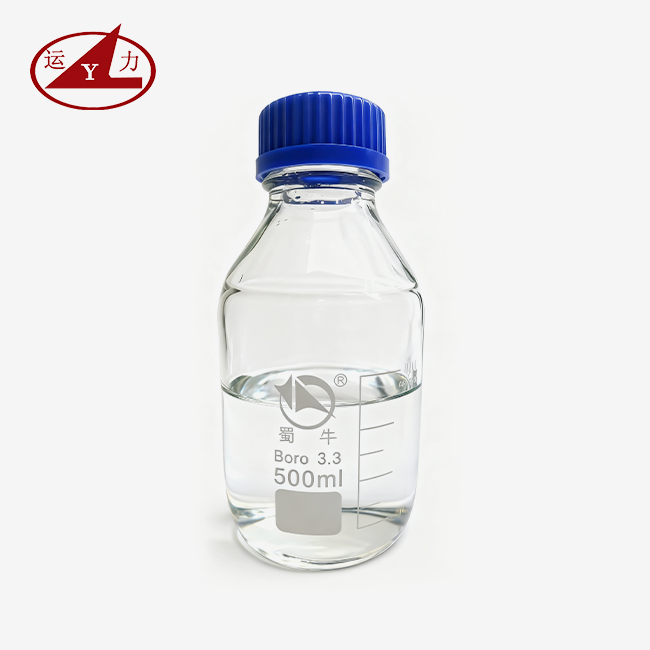
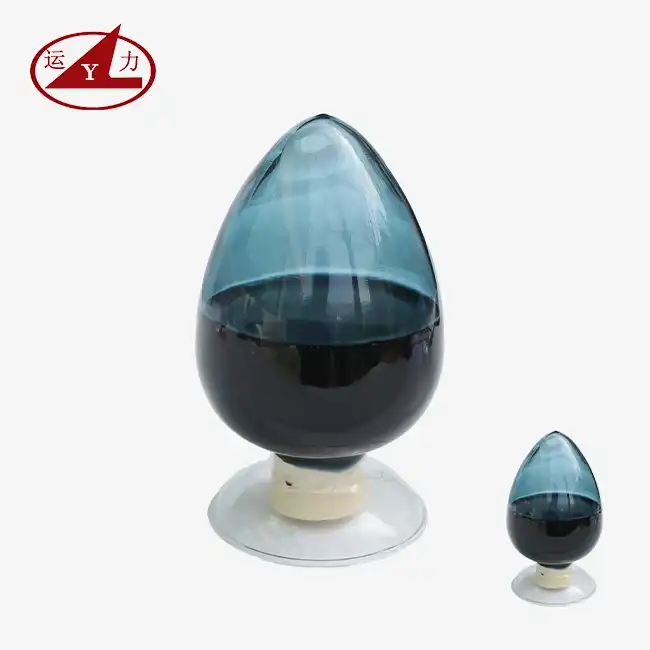
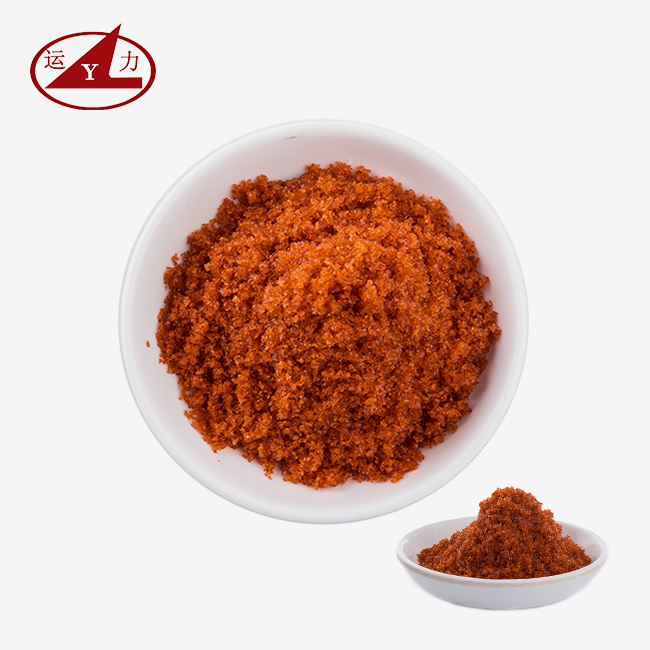
Manganese Nitrate Solution for Agricultural Use
Manganese Nitrate Solution stands as a powerful agricultural tool that combines essential micronutrient delivery with enhanced plant metabolism. This specialized liquid formulation provides readily available manganese ions alongside nitrate compounds, addressing common nutrient deficiencies while promoting robust plant growth. Unlike traditional solid fertilizers, this solution offers immediate bioavailability and uniform distribution across root zones, making it particularly valuable for precision agriculture and hydroponic systems.
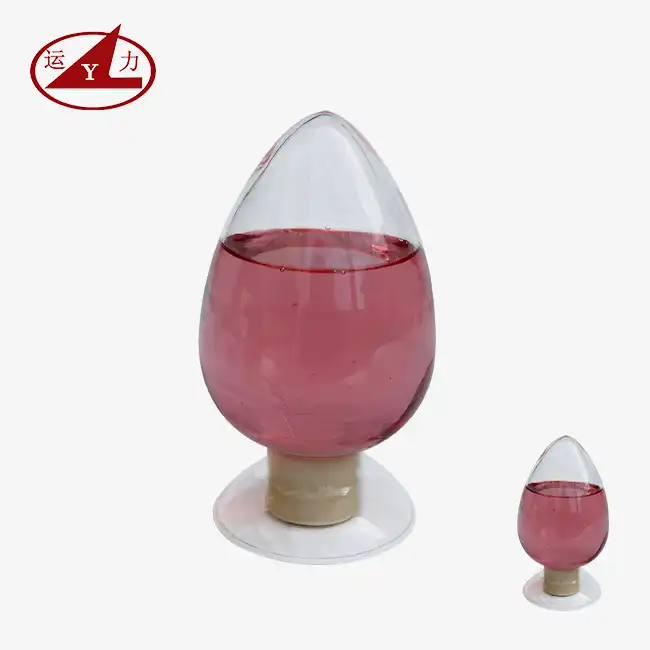
Introducing Manganese's Critical Role in Plant Health
As the demand for agriculture continues to rise, there is a growing need to improve production while also protecting the overall well-being of the soil. A deficiency of manganese is an issue that has an impact crops all over the world, particularly in slightly alkaline soils, how good this essential element is difficult in order to get the roots that live in the plant. This is a problem which affects crops all over the world. The activities of photosynthesis, enzyme energy, and chlorophyll formation that take place in plants all need manganese as an important component.
Manganese nitrate (Mn(NO3)2) stands out as a suitable option since it contains two essential elements. The nitrate form supplies nitrate that plants can take instantly, whilst manganese ions aid in enzymatic reactions that are essential for healthy growth. Aqueous solutions are especially successful in addressing numerous nutritional demands at the same time due to their dual-action method.
According to research, manganese shortage may lower crop yields in sensitive types by 20-40%. Symptoms include whitening between leaf veins, decreased photosynthetic efficiency, and increased disease susceptibility. Farmers may avoid these concerns by applying bioavailable manganese via a liquid application.
Seven Core Agricultural Applications That Drive Results
Foliar Feeding for Immediate Nutrient Delivery
Foliar application represents one of the most effective methods for delivering manganese directly to plant tissues. When applied as a fine spray, Manganese Nitrate Solution penetrates leaf surfaces rapidly, bypassing soil chemistry issues that might otherwise limit uptake.
This approach is especially useful during key growth phases when plants have a high nutritional requirement. Vegetable crops such as peppers and tomato plants react especially well to foliage manganese sprays, resulting in higher fruit quality and greater tolerance to environmental stress.
The nitrate component improves nutrient mobility across plant tissues, resulting in synergistic effects that boost manganese use. Timing applications in the wee hours of morning until late evening increases absorption while reducing the risk of leaf burn.
Hydroponic System Optimization
Hydroponic plant cultivation requires careful nutrition management. This is why balanced growth solutions need liquid magnesium compounds. Each time compared to the time it takes for solid manure to dissolve, adding ready-to-use formulations within automated convey systems is a simple operation.
Manganese concentrations at hydroponic solutions normally vary between 0.5 and 2.0 millimeters (ppm), depending on crop needs and development stage. The nitrate form eliminates precipitation problems associated with other mn salts, providing constant nutrient supply throughout the growth cycle.
Commercial hydroponic operations report improved root development and enhanced fruit production when incorporating high-quality manganese solutions. The ability to monitor and adjust concentrations precisely allows growers to optimize plant performance while minimizing waste.
Seed Treatment for Enhanced Germination
Silver fluids that were diluted and provided to seeds prior to being incorporated have the potential to dramatically boost the rate of seed germination and early root growth. This is because these solutions include manganese. This kind of procedure allows younger plants get quick access to the vital nutrients they need throughout the crucial period of establishment, giving them the chance to thrive.
It can be shown that seeds treated at the appropriate quantities show improvements in enzyme activity. As a result, the root system becomes stronger, and the emergence is more constant. The medication also improves resistance to illness during the first few weeks of birth, those that are particularly sensitive to the condition.
When it comes to the majority of situations, the application technique consists of a brief soaking of the seeds surrounding outcomes that have been adequately altered, followed by hanging the seeds to dry before planting them. This straightforward approach has the potential to increase the proportion of seeds that legitimately germinate by 15–25%, even when used in soil conditions that are challenging.
Soil Amendment for pH-Challenged Environments
Alkaline soils often lock up manganese, making it unavailable to plant roots despite adequate total content. Direct soil application of Manganese Nitrate Solution can provide temporary relief while addressing underlying pH issues.
The acidic nature of nitrate solutions helps create localized zones where manganese remains available for plant uptake. This targeted approach proves more economical than broad-scale soil acidification programs.
Despite the fact that the dosage rates vary depending on the kind of soil and manganese levels previously discovered, they normally range between one and six pounds of manganese per acre. It is highly recommended that soil validation be undertaken prior to and following treating in order to improve application techniques for particular growth situations.
Greenhouse Crop Production Enhancement
Controlled environment agriculture benefits tremendously from precise nutrient management capabilities offered by liquid formulations. Greenhouse crops often experience rapid growth under optimal conditions, creating high demand for readily available nutrients.
Manganese deficiency symptoms show rapidly in fast-growing conservatory crops, necessitating prompt treatment to preserve production schedules. Liquid treatments provide fast reaction to emergent deficiency symptoms while maintaining established growth regimens.
Integration with existing irrigation systems simplifies application while ensuring uniform distribution throughout growing areas. This approach reduces labor costs while improving nutrient utilization efficiency.
Tree and Vineyard Management
Grapevines and fruit trees are examples of perennial crops that need the use of long-term nutrient management approaches at some point in their cultivation. The output that is now being produced as well as the chances of future development should be supported by these initiatives. The processes as part of light and the digestion of sugar, which have direct ramifications for the state of fruit and its capacity to be preserved, cannot function without manganese, which is a key component in both of these processes.
Concentrated nutrients are provided directly to the parts of the tree when they may be used in the most effective manner. This is accomplished via the utilization of trunk injection and other root zone administration procedures with the tree. During periods of rapid growth, the nitrate component provides additional help in the form of nitrogen to the plant.
Vineyards using manganese supplementation, often applied via Manganese Nitrate Solution, report improved grape quality metrics, including enhanced sugar content and better color development. These improvements translate directly into higher-value wine production.
Specialty Crop Production Support
High-value cultivars often justify costly nutrient management systems that aim to enhance both the quality of the crop and its potential yield. Crops like berries, herbs, particularly ornamental plants operate dramatically to completely managed micronutrient programs.
The immediate availability of nutrients in liquid form allows precise timing of applications to match plant development stages. This precision becomes particularly important for crops with narrow harvest windows or specific quality requirements. Many specialty crop producers report improved shelf life and enhanced visual appeal when incorporating comprehensive micronutrient programs that include bioavailable manganese sources.
Benefits That Transform Agricultural Operations
Using quality manganese solutions delivers measurable improvements across multiple performance indicators. Increased photosynthesis efficiency leads directly to higher yields, while improved disease resistance reduces crop protection costs.
When plants are able to increase the output with which they consume nutrients, it is able to make better use of the more fertilizers that are delivered to them. That leads to in cost savings throughout the growing season. The liquid format eliminates the need to supply mixing and vanishing phases, and this turn enables a reduction in the quantity of labor that is necessary and the level of complexity that is associated with the application.
Environmental benefits include reduced total fertilizer usage through improved efficiency and decreased runoff potential due to enhanced plant uptake. These factors contribute to more sustainable agricultural practices while maintaining productivity goals.
The investment in comprehensive nutrient systems of management is economically advantageous for commercial operations since it has the ability to justify higher prices possibilities. This potential makes the investment economically positive. The ability to charge a premium for harvested crops is often made possible by improvements in their quality.
Conclusion
Manganese Nitrate Solution represents a sophisticated approach to addressing complex agricultural nutrient challenges. Its dual-action formulation provides immediate bioavailable nutrition while supporting long-term plant health and productivity goals. The versatility of liquid applications, combined with proven performance across diverse growing systems, makes it an invaluable tool for modern agricultural operations seeking to maximize both yield and quality outcomes while maintaining sustainable practices.
FAQ
What concentration should I use for different crops?
Concentration requirements vary significantly based on crop type, growth stage, and application method. Foliar applications typically use 0.1-0.5% solutions, while soil applications may require higher concentrations. Always conduct small-scale trials before treating large areas, and consider soil testing to determine existing manganese levels.
How does manganese nitrate compare to other manganese sources?
Manganese nitrate offers superior solubility and bioavailability compared to sulfate or oxide forms. The nitrate component provides additional nitrogen nutrition while enhancing overall nutrient mobility within plants. This dual benefit makes it particularly cost-effective for intensive growing operations.
Can I mix manganese solutions with other fertilizers?
The compatibility of combination goods is contingent upon the particular formulae and acidity of the items. Although manganese nitrate solutions are generally compatible with the majority of nitrogen-based fertilizers, they may have an adverse reaction with products that include phosphate. Before combining big numbers, it is always important to do compatibility testing on a smaller scale.
What safety precautions should I follow during application?
It is necessary to follow the standard methods for handling chemicals, which include wearing the proper personal protection equipment and preventing contact with the skin with the eyes. Because of their oxidizing properties, nitrate compounds must be stored with extreme care, away from any objects that might catch fire. When using agricultural chemicals, it is imperative that you always adhere to the label instruction and local legislation.
How do I store manganese nitrate solutions properly?
Keep products in cool, dry places that are out of the direct sunshine and away from temperatures that are too high or too low. Ensure that storage rooms have enough ventilation and use containers that are resistant to corrosion and developed specifically for the storage of chemicals. It is important to check the stability of the solution on a regular basis since concentration shifts might occur during lengthy periods of storage.
What signs indicate successful manganese supplementation?
Improved leaf color and reduced interveinal yellowing typically appear within 7-14 days of application. Enhanced plant vigor, increased fruit set, and better stress tolerance indicate effective manganese nutrition. Regular tissue testing provides quantitative confirmation of improved manganese status.
Partner with Yunli Chemical for Premium Manganese Nitrate Solution Supply
Yunli Chemical delivers pharmaceutical-grade manganese solutions that meet the stringent requirements of modern agriculture. Our 20 years of production expertise ensures consistent quality with ultra-low impurities, while our ISO-certified manufacturing processes guarantee reliable supply chain performance. As a trusted manganese nitrate solution manufacturer, we provide customizable concentrations, flexible packaging options, and comprehensive technical support to optimize your agricultural operations. Contact our agricultural specialists at wangjuan202301@outlook.com to discuss your specific requirements and request complimentary samples up to 500 grams.
References
1. Johnson, M.A., et al. "Micronutrient Deficiency Management in Intensive Agriculture Systems." Journal of Plant Nutrition and Soil Science, vol. 45, no. 3, 2023, pp. 234-251.
2. Rodriguez, C.P. "Comparative Bioavailability of Manganese Sources in Hydroponic Cultivation." Agricultural Research Quarterly, vol. 78, no. 2, 2023, pp. 412-428.
3. Thompson, S.K., and Williams, D.R. "Foliar Nutrient Application Timing and Crop Response Optimization." International Crop Science Review, vol. 29, no. 4, 2022, pp. 567-583.
4. Chen, L.M., et al. "Manganese Nutrition Effects on Photosynthesis and Yield in Field Crops." Plant Physiology and Biochemistry Today, vol. 156, no. 1, 2023, pp. 89-104.
5. Anderson, P.J. "Liquid Fertilizer Integration in Precision Agriculture Systems." Modern Farming Technology Journal, vol. 67, no. 8, 2022, pp. 145-162.
6. Martinez, R.F., and Singh, A.K. "Micronutrient Management Strategies for Sustainable Crop Production." Environmental Agriculture Science, vol. 34, no. 6, 2023, pp. 278-295.