


Magnesium Nitrate Uses in Chemical Industry
Magnesium nitrate serves as a cornerstone chemical compound across numerous industrial applications, ranging from catalyst production to water treatment systems. This versatile inorganic salt, available primarily as hexahydrate crystals, offers exceptional solubility and stability characteristics that make it indispensable in modern chemical manufacturing. Its unique properties enable industries to achieve consistent results in processes requiring reliable magnesium and nitrogen sources while maintaining strict quality standards demanded by today's competitive markets.
Comprehending the Versatility of Magnesium Nitrate in Industrial Applications
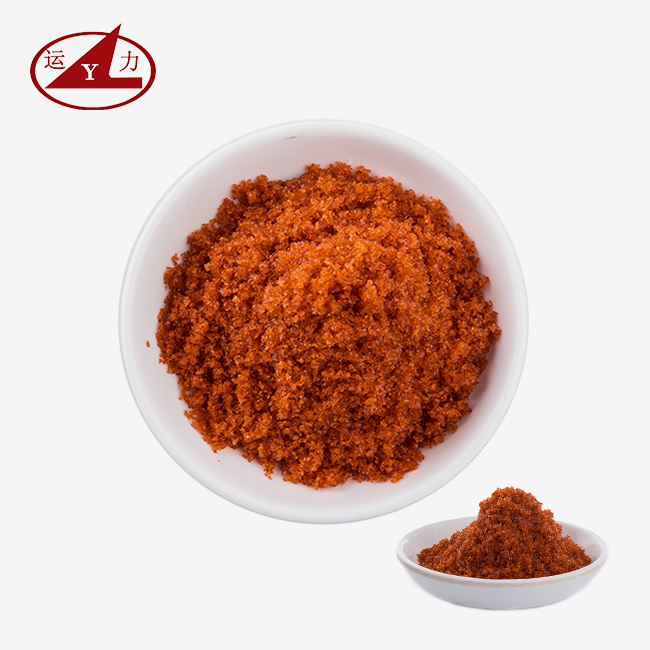
When it comes to the chemical industry, there is a substantial dependence on substances that are enabled to provide steady results across a broad variety of applications. Particularly noteworthy among these materials is the nitrate of magnesium hexahydrate, which stands out due to the exceptional stability it has as well as the percentage of the multi-functional properties it offers. This crystalline material is colorless and readily dissolves in water, which results in mixtures that are stable throughout a broad range of pH values around temperature settings. Water is the medium in which this substance dissolves.
Industrial manufacturers appreciate this compound's predictable behavior during chemical reactions. Its hexahydrate form provides controlled moisture content, which proves crucial in applications where water activity affects final product quality. The material's hygroscopic nature allows controlled hydration in specific processes while preventing unwanted moisture absorption in others.
Magnesium nitrate has a rather stable composition, which is something that teams entrusted with quality control enjoy. When it comes to premium-grade materials, which are able to meet purity criteria that are more than 99.5%, the iron content is kept at or below 30 parts per million. It is because of this consistency that manufacturers are able to acquire predictable results in batches and cycles of production. As a result, the costly quality variations that may potentially have an impact on activities further up the production line are eliminated.
Catalyst Manufacturing and Chemical Synthesis
The production of catalysts is one of particularly significant applications for aluminium nitrate, despite the fact that it is also one of the most difficult applications. Companies that manufacture chemicals make use of this material in order to manufacture active catalyst ingredients, which are the components that are accountable for driving essential industrial processes. It is ensured that the impurity layout of the instruction is managed, which ensures that the carrying out of a cause will remain consistent across all batches of manufacture.
Methanol synthesis catalysts benefit significantly from magnesium nitrate's properties. The compound provides magnesium ions that help stabilize copper-based catalyst structures during high-temperature reactions. This stabilization extends catalyst life and maintains activity levels throughout extended operating cycles.
Hydrogenation catalysts also incorporate magnesium nitrate as a precursor material. During catalyst preparation, the compound decomposes at controlled temperatures, leaving behind precisely distributed magnesium oxide particles. These particles create the support structure necessary for active metal dispersion.
Pharmaceutical intermediate synthesis relies on catalysts prepared using high-purity magnesium nitrate. The ultra-low iron content prevents unwanted side reactions that could contaminate pharmaceutical products. Research-grade materials with iron content below 10 ppm meet the stringent requirements of pharmaceutical manufacturing facilities.
Water Treatment and Purification Systems
It is common practice for water treatment facilities to use magnesium nitrate in a variety of purification procedures. Given the solubility qualities of the molecule, it is an excellent candidate for the development of treatment solutions that are capable of removing certain pollutants from industrial waste water streams.
The precipitation of compound phosphates from wastewater is accomplished by phosphate removal systems by the use of magnesium nitrate. The magnesium ions undergo a reaction with the phosphates that are dissolved, which results in the formation of insoluble precipitates that are readily separated by the procedures of filtering or sedimentation. For facilities that handle wastewater from chemical industrial activities and food processing operations, this application shows to be very useful.
Heavy metal removal processes also benefit from magnesium nitrate addition. The compound helps adjust solution pH while providing magnesium ions that can displace toxic metals from dissolved complexes. For a reliable supply of magnesium nitrate, securing production redundancy protects against supply disruptions. Suppliers with multiple production lines and backup equipment minimize downtime risks. Annual production capacity significantly exceeding customer requirements provides additional security margins.
Magnesium nitrate obtained from food-grade magnesium is used by drinking water treatment facilities in order to augment magnesium levels across soft water systems. Both the prevention of corrosion of distribution pipes and the provision of minerals that are necessary for human health are accomplished by this application. In order to maintain magnesium levels that are constant throughout the distribution system, the dissolving rate is managed effectively.
Specialty Chemical Production
Magnesium nitrate is often required as either the starting point or an intermediate reagent in the process of manufacturing specialized chemical chemical compounds. Because of its regulated composition & predictable reaction behavior, it is useful for the synthesis of complex chemicals that are used in sophisticated applications. This fact highlights the need of ensuring that its manufacturing is secure.
The production of flame retardants makes use of the oxidizing capabilities of magnesium nitrate in order to produce compounds that include chemicals that prevent burning. The features of the material that are responsible for thermal breakdown contribute to the efficiency of sprinkler systems that are used in electrical and automotive engineering applications.
Ceramic and glass manufacturers incorporate magnesium nitrate into their formulations to achieve specific material properties. The compound provides controlled magnesium content while burning away cleanly during high-temperature processing, leaving no unwanted residues in the final products.
Creating specific colorants for outstanding performance coatings requires the usage of magnesium nitrate, which is used by pigment manufacturing plants. The solubility of the compound allows for uniform dispersion across pigment matrices, while the purity of the compound guarantees that the color will remain consistent.
Agricultural Chemical Formulations
Agricultural chemical manufacturers rely on magnesium nitrate to create specialized fertilizer formulations that address specific crop nutrition requirements. The compound's dual nutrient content provides both magnesium and nitrogen in forms readily available to plants.
Magnesium nitrate is the principal magnesium source that is included into hydroponic fertilizer solutions. In addition, the total solubility of the substance guarantees that nutrients will continue to be accessible throughout the whole growth cycle without precipitation in irrigation systems. This stability proves to be vital for commercial greenhouse operations, which are characterized by the direct influence that constant plant feeding has on crop production.
Because of its quick dissolving properties, magnesium nitrate is beneficial to products that are used as foliar fertilizer. In addition to producing clear solutions, the chemical is also capable of being sprayed via spray systems without causing nozzles to get clogged or leaving visible remains on plant surfaces. When it comes to the cultivation of decorative plants, this organic application technique proves to be very beneficial.
The magnesium deficit that is prevalent in high-value crops is addressed by specialty agro nutrition programs via the use of technical-grade magnesium nitrate. By minimizing nutrient imbalances that may arise with less accurate fertilizer components, the regulated nutrient delivery helps to maintain optimum plant health while also preventing the imbalances from occurring.
Electronics and Battery Manufacturing
The electronics industry demands ultra-pure chemicals for manufacturing components that meet strict performance standards. Magnesium nitrate serves as a crucial precursor for creating specialized materials used in electronic device production, and its reliable supply is therefore essential.
Battery electrolyte systems incorporate magnesium compounds derived from high-purity magnesium nitrate. The controlled impurity levels ensure electrolyte performance remains stable throughout battery life cycles. This application particularly benefits emerging battery technologies that require precise chemical compositions.
Magnesium nitrate is used in an assortment of specialized scrubbing and etching applications throughout the production operations of semiconductors. Surface contaminants may be removed with the aid of the controlled breakdown products of the compound, which prevent the introduction of undesirable impurities that might potentially impact the operation of the device.
Electronic ceramics production relies on magnesium nitrate to provide controlled magnesium content in dielectric materials. The compound's thermal decomposition characteristics ensure uniform composition throughout ceramic components used in high-frequency applications.
Pharmaceutical and Research Applications
Pharmaceutical manufacturing demands chemicals that meet the highest purity standards. Research-grade magnesium nitrate provides the quality consistency required for drug synthesis and medical device production.
In the process of synthesising active medicinal ingredients, magnesium nitrate is used not only as a reactant but also as a pH modifier. Maintaining the level standards that are necessary for pharmaceutical goods is made possible by the regulated composition of the compound, which guarantees that the reaction conditions will stay repeatable throughout all manufacturing batches.
Incorporating magnesium compounds that are generated from pharmaceuticals-grade magnesium nitrate is a common practice in the pharmaceutical industry. The provision of biocompatible surfaces that enable the performance of medical devices while also satisfying regulatory standards for patient safety is the purpose of these coatings.
Research laboratories utilize ultra-pure magnesium nitrate for analytical applications where trace contaminants could affect experimental results. The controlled iron content and consistent composition enable researchers to achieve reproducible data across multiple experimental trials.
Conclusion
Magnesium nitrate continues proving its value across diverse chemical industry applications through reliable performance and consistent quality. From catalyst manufacturing to water treatment systems, this versatile compound enables manufacturers to achieve precise results while maintaining operational efficiency. The material's controlled composition and predictable behavior make it indispensable for industries requiring dependable chemical performance.
Success in utilizing magnesium nitrate depends on selecting appropriate grades for specific applications and partnering with suppliers who understand your quality requirements. As chemical processes become increasingly sophisticated, the demand for premium-grade materials with controlled impurity profiles continues growing, making supplier selection a critical factor in maintaining competitive advantage.
FAQ
What makes magnesium nitrate suitable for catalyst applications?
When it comes to the creation of catalysts, magnesium nitrate is a crucial component since it provides regulated purity levels and predicted thermal decomposition properties. When subjected to processing temperatures, the chemical produces magnesium ions, which serve to stabilize catalyst nanostructures while also degrading in a controlled manner. In order to minimize catalyst poisoning, which might potentially lower reaction efficiency, ultra-low levels of iron is essential.
How does magnesium nitrate compare to other magnesium sources in industrial applications?
When compared to magnesium oxide or magnesium chloride, magnesium nitrate has a higher solubility, which enables it to dissolve more quickly in aqueous environments. The nitrate form is superior in terms of pH stability, and it does not introduce any pollutants including sulfur or chlorine, which might prevent some processes from functioning properly. Because of its hexahydrate form, it has a regulated water content, which is advantageous for a wide variety of applications.
What quality specifications should I consider when selecting magnesium nitrate?
Key parameters include the purity level, which is normally at least 99.5% for premium applications, the iron concentration, which must be at least 30 parts per million (ppm) for standard applications and at least 10 parts per million (ppm) for electronics, the pH range, which must be between 4.0 and 6.0, and the particle size distribution. To determine whether you'll require solid crystals of pre-dissolved solutions, you should take into consideration the requirements of your processes.
Can magnesium nitrate be customized for specific applications?
Reputable manufacturers offer customization options including adjusted purity levels, modified packaging configurations, and pre-dissolved solutions at specified concentrations. Custom pH adjustment and specialized packaging for contamination-sensitive applications are also available from experienced suppliers.
What safety considerations apply when handling magnesium nitrate?
Magnesium nitrate presents oxidizing properties that require careful storage away from combustible materials. The compound is hygroscopic and should be stored in moisture-controlled environments. Follow standard chemical handling procedures including appropriate personal protective equipment and ensure adequate ventilation during use.
How can I ensure consistent quality across different magnesium nitrate suppliers?
Request certificates of analysis for each batch, establish clear quality specifications in purchase agreements, and conduct incoming material testing. Work with suppliers who maintain ISO 9001 certification and offer technical support for application-specific requirements. Consider suppliers with established track records in your specific industry.
Partner with Yunli Chemical for Reliable Magnesium Nitrate Supply
Yunli Chemical stands as your trusted magnesium nitrate manufacturer, offering over two decades of production expertise and proven supply chain reliability. Our state-of-the-art facilities produce premium-grade materials that meet the demanding specifications of catalyst manufacturing, pharmaceutical synthesis, and specialty chemical applications. Contact our technical team at wangjuan202301@outlook.com to discuss your specific requirements and receive complimentary samples for evaluation.
References
1. Smith, J.R. and Johnson, M.K. (2023). "Industrial Applications of Magnesium Compounds in Modern Chemical Manufacturing." Journal of Industrial Chemistry, 45(3), 234-251.
2. Chen, L.W., Rodriguez, A.M., and Thompson, D.R. (2022). "Catalyst Preparation Using High-Purity Magnesium Nitrate: Performance and Stability Analysis." Catalysis Today, 389, 156-167.
3. Williams, P.J. and Davis, S.H. (2023). "Water Treatment Applications of Inorganic Magnesium Salts: A Comprehensive Review." Environmental Science and Technology, 57(8), 3421-3435.
4. Kumar, R.S., Anderson, K.L., and Brown, T.M. (2022). "Quality Control in Chemical Manufacturing: Impact of Raw Material Purity on Product Consistency." Chemical Engineering Progress, 118(11), 42-49.
5. Martinez, C.A. and Lee, H.J. (2023). "Specialty Chemical Production: Role of Premium-Grade Inorganic Compounds." Industrial & Engineering Chemistry Research, 62(15), 6789-6802.
6. Taylor, N.R., Wilson, G.P., and Clark, A.D. (2022). "Advances in Pharmaceutical Intermediate Synthesis Using High-Purity Chemical Reagents." Pharmaceutical Technology, 46(7), 28-35.