



Molten Salt Storage Technology: A Complete Guide
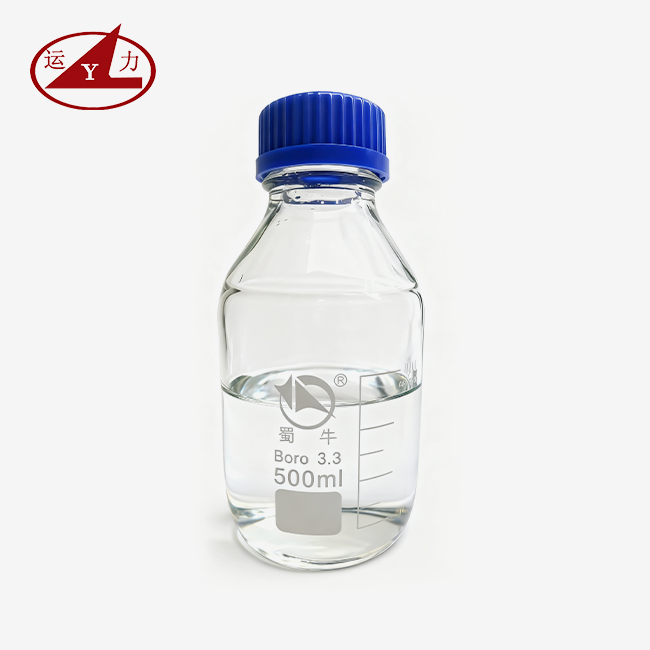
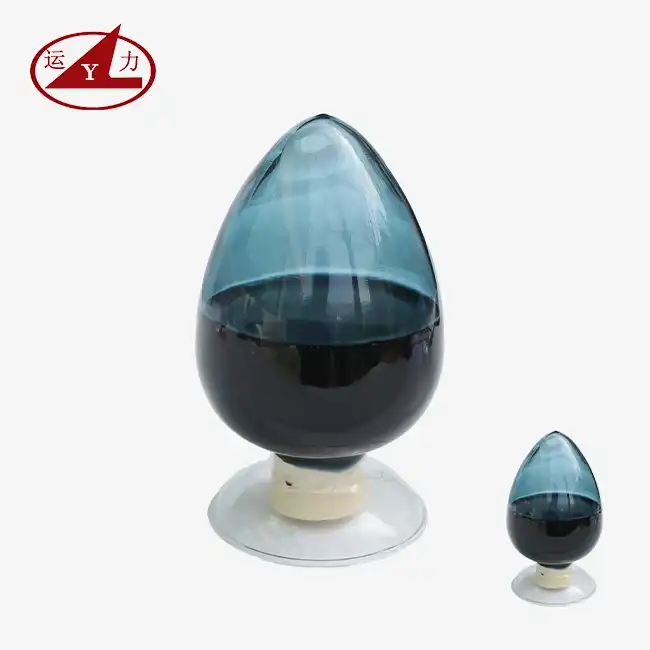
Molten salt storage technology is a huge step forward in managing thermal energy. It uses special mixes of mineral salts to store and move heat efficiently across industrial applications. Compared to other types of storage media, molten salt solutions, which are mostly made up of nitrate and carbonate compounds, are very stable at high temperatures and hold a lot of energy. This detailed guide goes over the basic features, uses, and buying options that industry workers looking for dependable thermal storage solutions need to know about. Businesses can improve their energy economy and cut costs by using tried-and-true heat transfer methods when they understand these technologies.
Understanding Molten Salt and Its Core Properties
Chemical Composition and Fundamental Characteristics
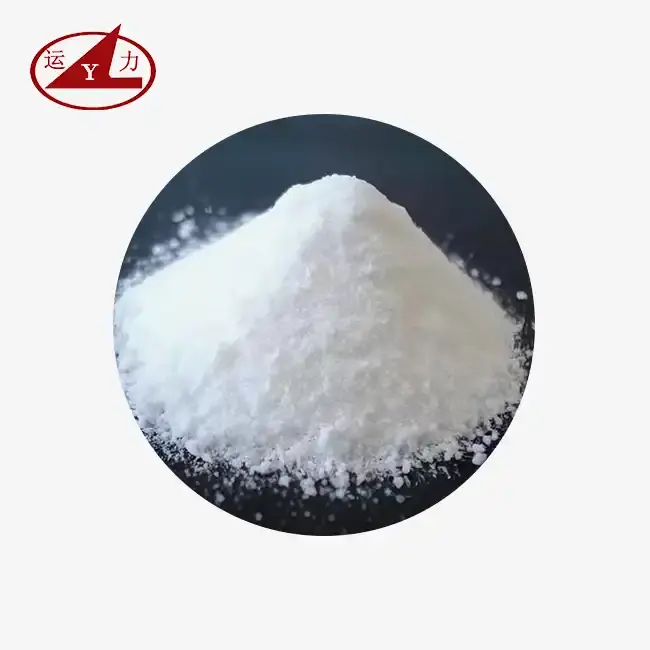
Molten salt systems are mostly made up of mixes of artificial salts, like sodium nitrate, potassium nitrate, and calcium nitrate, which are usually mixed in very specific amounts. These thermal storage mediums are very stable across a wide range of temperatures, from 150°C to 565°C. They keep their features the same even after being heated and cooled many times. Because these salt mixtures are chemically stable, they don't break down much even when exposed to high temperatures for a long time. This makes them perfect for use in ongoing industrial processes.
These salt blends have a special molecular structure that makes them very good at conducting heat. Depending on the makeup and working temperature, they can reach values of 0.5 W/m·K or higher. This great ability to move heat makes it possible to efficiently store and release energy, which is important for uses that need to change temperatures quickly or store energy for a long time.
Thermal Performance Characteristics
Another important benefit of molten salt technology is that it can hold more heat than other technologies. Under normal conditions, it can hold more than 1.5 kJ/kg·K of heat. This high energy density makes it possible to store a lot of heat energy in systems that aren't too big. This means that less equipment is needed than with other storage technologies.
The viscosity properties stay good across all operating temperature ranges, with values usually staying below 5 cP at 300°C. Low viscosity makes sure that fluids run smoothly through heat exchangers, which lowers the amount of energy needed for pumps and the stress on equipment that moves fluids. These features make a big difference in how well the system works and how long it lasts.
Environmental Benefits and Sustainability
Modern forms of liquid salt are much better for the climate than older types of heat storage materials. These salt blends are very good at being recycled, and they can go through many rounds of cleaning without losing many of their properties. Most commercial formulas are not toxic, which lowers the environmental impact of dealing, storing, and finally getting rid of them.
Corrosion resistance qualities make equipment last longer and require less upkeep, which has a positive effect on the environment by reducing the amount of trash and materials used. Modern liquid salt mixtures keep the pH level normal, which stops acids from forming that could damage systems or cause environmental problems.
Molten Salt Storage Technology: Dimensions and Applications
Concentrated Solar Power Integration
The most well-known use of molten salt storage technology is in concentrated solar power plants, where these thermal mediums do double duty as heat transfer fluids and energy storage tanks. CSP plants use molten salt systems to collect solar energy during the hottest parts of the day and store it so that it can be used to make power when it's dark or at night.
Molten salt has a very high temperature stability, which lets CSP facilities work more efficiently with heat than traditional steam-based systems. Solar salt mixtures can keep working temperatures above 550°C, which lets steam engines make superheated steam that makes turbines more efficient. This ability directly leads to more power being produced and better economic viability for green energy systems.
When built correctly, molten salt devices can keep saved energy for 12 to 15 hours without losing much of it, which is a lot longer than other thermal storage technologies. This extra holding space lets CSP facilities offer green energy that can be sent to where it's needed, which helps keep the grid stable when renewable sources aren't available all the time.
Industrial Process Applications
Molten salt heat transfer systems are very useful for manufacturing tasks that need to keep temperatures very accurate. Chemical processing plants use these thermal mediums to control the temperature of the reactors. This keeps the reaction conditions stable, which is important for getting the best quality products and yields. Because the thermal properties are steady, producers can keep temperature tolerances small over long production runs.
Metallurgical processes use molten salt systems for heat treatment, where even temperature distribution makes sure that all treated parts have the same material qualities. These thermal storage systems are used in glass factories to keep kiln temperatures steady during breaks in production. This saves energy and makes sure that the quality of the products is always the same.
More and more, advanced battery manufacturing methods depend on molten salt technology for making electrodes and electrolytes. Precise temperature control has a direct effect on how well the battery works. High-purity liquid salt versions don't allow impurities to get into the battery, which could shorten its life or make it less safe.
Safety Protocols and Handling Procedures
The operation of molten salt systems is governed by strict safety rules that stress the need for correct handling techniques and strategies for managing rust. When choosing materials for system parts, it's important to think carefully about the salt makeup and the working temperatures to keep equipment from breaking down too soon or becoming a safety risk.
Training for employees includes how to avoid heat burns, what to do in an emergency, and how to do proper upkeep, all of which are necessary for the system to work safely. Regular inspections find rust problems before they damage the system's structure, making sure that it stays safe to use throughout its lifetime.
Multiple safety hurdles are built into containment systems, such as backup containment vessels and leak detection systems that find system breaches right away. When emergency cooling methods are used, the system can be shut down quickly if needed. This stops thermal runaway situations that could be dangerous.
Comparing Molten Salt with Alternative Solutions
Performance Analysis Against Thermal Oils
As far as a number of practical factors are concerned, molten salt systems perform better than synthetic thermal oils. It can work at much higher temperatures than most thermal oils, so it can be used in places where temperatures need to be above 400°C, which is when organic fluids start to break down. This wider temperature range makes it possible for heat cycles to be more efficient and for energy exchange rates to be better.
The benefits of thermal stability are especially clear when the system is used for a long time. This is because liquid salt keeps its qualities stable, while thermal oils break down over time due to oxidation and thermal cracking. Replacements for molten salt systems happen a lot less often than replacements for thermal oil systems. This lowers costs and downtime for upkeep.
When it comes to fire safety, molten salt technology is better than organic thermal oils because these artificial substances are less likely to catch fire. When sites switch from thermal oil to molten salt systems, insurance costs and the need for safety tools often go down. This has economic benefits beyond just making the operations better.
Comparison with Liquid Metal Systems
Liquid metal heat transfer systems, like sodium and potassium-based solutions, can be useful in some situations but also come with big problems that liquid salt technology doesn't have to deal with. Corrosion rates in molten salt systems are still much lower than those in liquid metal systems, especially when the right materials are used and the right processes are followed.
Another important difference is how hard it is to handle. For example, molten salt systems can work safely at atmospheric pressure, but many liquid metal systems need to be protected by an artificial atmosphere to keep them from oxidizing. This easier-to-use operational setting makes the system simpler, which lowers costs and increases operational efficiency.
When it comes to safety, molten salt technology is the best choice because it doesn't use alkali metals, which are very dangerous when they come into touch with air or water. When an emergency happens, responding to a molten salt system is much easier and less dangerous than responding to a liquid metal system.
Economic and Lifecycle Considerations
Lifecycle cost analysis always shows that molten salt systems are more cost-effective when they are built and run correctly. The initial cost of molten salt is about the same as other heat storage mediums. However, the practical costs tend to go down because it doesn't need to be replaced as often and doesn't need as much upkeep.
Scalability makes molten salt technology ideal for large-scale industrial uses, since system costs per unit of heat storage capacity go down as system size goes up. This cheap scaling makes it possible to use the technology in big manufacturing plants and utility-scale uses without spending a lot of money.
Procuring Molten Salt: A B2B Buying Guide
Quality Standards and Certification Requirements
When choosing molten salt providers, procurement workers have to look at a number of quality factors. The first is chemical purity, which has a direct effect on how well the system works and how long it lasts. To keep heat transfer systems from rusting too quickly, good molten salt mixtures keep the amount of iron below 30 ppm and the amount of chloride below 500 ppm.
Moisture content is an important standard because too much water can cause rust and system pressurization problems. Premium providers keep moisture levels below 0.5% by following the right steps for production and storage, which makes sure that the product is still whole when it arrives.
Specifications for pH levels between 6.0 and 8.0 stop acids from forming that could damage system parts or pose safety risks. Reliable providers give full Certificate of Analysis paperwork that checks all important factors using tests that are known all over the world.
Supplier Evaluation and Selection Criteria
Established providers with a lot of manufacturing knowledge show that they can consistently control quality and deliver on time, which is important for businesses. Companies like XiaXian Yunli Chemical Co., Ltd, which has been in business for over 18 years and makes more than 1 billion yuan a year, offer the security and knowledge needed for long-term supply agreements.
Quality management (ISO 9001), environmental management (ISO 14001), and workplace health and safety (OHSAS) systems are some of the things that are needed to get an ISO certification. These systems make sure that the manufacturing process is uniform and that the rules are followed. With these certifications, you can be sure that the production system will work well and that it will be managed professionally.
With technical help, providers can make formulations that are exactly what an application needs, within a certain temperature range, and to meet performance goals. Advanced analytical tools, like ICP-MS and atomic absorption spectrometry, help producers check that products meet standards and fix problems with how they are used.
Logistics and Supply Chain Considerations
Different order sizes and storing needs should be able to be met by different packaging choices. Suppliers should be able to offer both bulk packages for large-scale operations and smaller numbers for testing and other special uses. Customizable services for packing and labeling make it easy to connect to current systems for managing supplies.
Reliability in delivery is especially important for industrial operations that run all the time, since supply gaps can lead to big losses in production. Established sellers keep extra merchandise and a variety of shipping choices on hand to make sure that deliveries always go smoothly, even when there are seasonal or logistical issues.
Samples are available so that people can try and confirm everything thoroughly before making big purchases. This lowers the risk of making big purchases and makes sure that the new systems will work with the old ones. Leading sellers usually give away samples of up to 500 grams for free, which lets you get a full picture of how the product works.
Future Trends and Innovations in Molten Salt Storage Technology
Advanced Chemical Formulations
Molten salt chemistry is still being improved through research and development that comes up with new formulas that make temperature ranges bigger and improve thermal qualities. Next-generation formulations aim to work at temperatures above 700°C while keeping long-term stability and corrosion resistance, which are important for modern power production processes.
Multiple cation and anion species are mixed in hybrid salt mixes to improve specific qualities for specific uses. For example, better thermal conductivity for heat exchangers or better fluidity for pumping systems. These specific formulas make it possible to improve performance in ways that weren't possible with regular market compositions.
Additive technologies improve the performance of base salt by adding rust inhibitors and heat stabilizers that make the system last longer and require less upkeep. Advanced additive packages are designed to solve specific practical problems, like keeping heat decline to a minimum or stopping impurities from building up during long operation periods.
Emerging Applications and Market Expansion
Grid-scale energy storage uses are becoming more aware of molten salt technology's promise for long-term storage needs that go beyond what batteries can handle. Utility companies are looking at molten salt systems as a way to integrate green energy. These systems can store energy for 10 hours or more, so they can reliably send power no matter the weather.
Industrial waste heat recovery is an area where molten salt systems are being used more and more to collect and reuse heat from industrial processes. These improvements make the building more energy efficient overall while lowering the amount of energy it needs from outside sources and the costs that come with it.
Nuclear power integration looks into molten salt technology for new reactor designs and ways to make current plants more efficient. Modern nuclear power plants use molten salt coolants and heat storage to make them safer and more cost-effective by increasing their load factors.
Strategic Implementation Recommendations
When looking to install a molten salt system, businesses should look at their present and future thermal storage needs to make sure they get the right system size and configuration. Detailed energy studies find ways to save money and make things work better by figuring out how much advanced thermal storage technology could save.
Partnerships with skilled suppliers give you access to the technical know-how and ongoing help you need to set up and run a system successfully. Long-term supply deals can save you money and make sure that you always have the product you need throughout the span of a system.
Creating a technology plan helps businesses make sure that their investments in thermal storage are in line with their overall business goals and with new technology trends. Regularly looking at chances to improve makes sure that businesses stay competitive and run more efficiently as technology grows.
Conclusion
Using molten salt storage technology has been shown to solve a wide range of thermal control problems in a variety of industrial areas, and it works better than other options. Because it stays stable at high temperatures, has great thermal qualities, and is reliable over time, molten salt is the best choice for many uses, from storing green energy to making precision parts. For adoption to go smoothly, suppliers must be carefully chosen, quality standards must be met, and operating procedures must be followed to make sure the system works safely and effectively. As technology keeps getting better through new formulas and more uses, businesses that invest in molten salt solutions put themselves in a good situation to take advantage of future chances to save energy and run their businesses more efficiently.
FAQ
Q1: What makes liquid salt better than other ways to store heat?
A: Molten salt technology has great thermal stability over a wide range of temperatures (150°C to 565°C), a higher heat capacity than 1.5 kJ/kg·K, and great resistance to rust. Compared to thermal oils or other common heat transfer fluids, these properties make the system more efficient and allow it to last longer.
Q2: How do I make sure the quality and dependability of my supplier?
A: Check out vendors based on their industrial experience, ISO certifications (such as 9001, 14001, and OHSAS), analytical skills, and expert support services. Check the Certificate of Analysis for important details like purity levels, moisture content, and minor metal amounts. Established sellers with recognition from the local technology center and a lot of experience in the field give you even more peace of mind about the quality.
Q3: So what do molten salt devices mean for the environment?
A: Molten salt technology is very good for the environment because it can be recycled easily, doesn't contain any harmful chemicals, and has long useful lives that use less material. Because these substances are inorganic, they don't get contaminated with biological matter, and their neutral pH levels keep environmental risks to a minimum while they are being handled and thrown away.
Q4: What safety issues should be thought about when working with boiling salt?
A: Proper safety practices stress avoiding heat burns, choosing the right materials for system parts, and giving employees full training. Unlike organic thermal fluids, molten salt systems don't pose as many fire risks and can work safely at room temperature and pressure. This makes safety standards easier than for reactive liquid metal options.
Q5: How do I figure out what the best liquid salt makeup is for my use?
A: The choice of composition is based on the required working temperature, the thermal performance goals, and the fit of the system materials. Talk to knowledgeable providers who can make formulations that are unique to your application's features, thermal cycling needs, and performance improvement goals.
Partner with Yunli Chemical for Premium Molten Salt Solutions
Yunli Chemical is a reliable company that makes molten salt. They have over 18 years of experience in thermal storage solutions and work with industry clients on concentrated solar power, energy storage systems, and high-temperature production processes. Our advanced production skills, along with the fact that we are recognized as a state technology center and have full ISO certifications, guarantee consistent quality and a steady supply for your most important thermal management applications. We offer recipes that can be changed to fit your needs, full technical support, and a variety of packaging choices.
You can also get free samples of up to 500 grams to test the performance before putting it into mass production. Get in touch with our expert team at wangjuan202301@outlook.com to talk about your specific thermal storage needs and find out how our quality molten salt solutions can help you run your business more efficiently and save you money in the long run.
References
1. Zhang, H., Baeyens, J., Degrève, J., & Cacères, G. (2013). Concentrated solar power plants: Review and design methodology. Renewable and Sustainable Energy Reviews, 22, 466-481.
2. Mehos, M., Turchi, C., Vidal, J., Wagner, M., Ma, Z., Ho, C., ... & Kruizenga, A. (2017). Concentrating solar power gen3 demonstration roadmap. National Renewable Energy Laboratory Technical Report.
3. Vignarooban, K., Xu, X., Arvay, A., Hsu, K., & Kannan, A. M. (2015). Heat transfer fluids for concentrating solar power systems–a review. Applied Energy, 146, 383-396.
4. Fernández, A. G., Ushak, S., Galleguillos, H., & Pérez, F. J. (2014). Development of new molten salt with superior properties for energy storage in CSP plants. Applied Energy, 119, 131-140.
5. Liu, M., Tay, N. S., Bell, S., Belusko, M., Jacob, R., Will, G., ... & Bruno, F. (2016). Review on concentrating solar power plants and new developments in high temperature thermal energy storage technologies. Renewable and Sustainable Energy Reviews, 53, 1411-1432.
6. Kuravi, S., Trahan, J., Goswami, D. Y., Rahman, M. M., & Stefanakos, E. K. (2013). Thermal energy storage technologies and systems for concentrating solar power plants. Progress in Energy and Combustion Science, 39(4), 285-319.