



Molten Salt Technology Trends in Renewable Energy
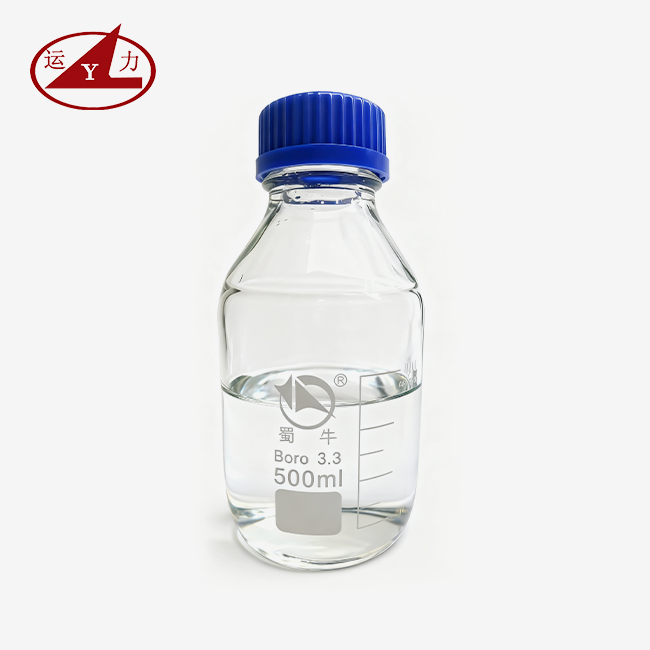
Thermal energy storage is becoming more important for grid stability and energy security as the renewable energy industry continues to develop quickly. With potential for energy storage and heat transport, Molten Salt technology is one of the most promising developments in this area. In comparison to conventional heat transfer fluids, these specialized salt solutions provide greater corrosion resistance, longer operating temperature ranges, and higher thermal stability as concentrated solar power plants and industrial heating systems grow internationally. The technology is crucial for renewable energy infrastructure looking for dependable, long-term energy storage solutions since it can sustain constant performance under a variety of operating situations.
Introducing Molten Salt Technology in Renewable Energy
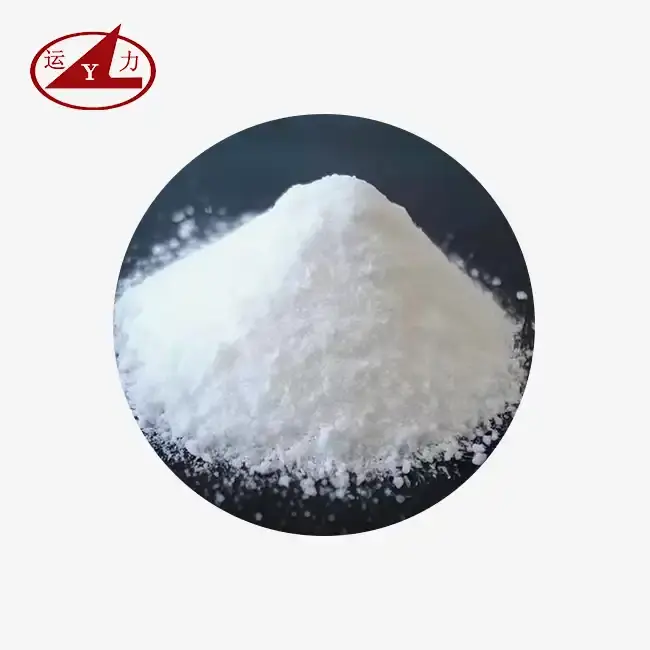
The foundation of thermal energy storage in renewable applications rests on understanding how these specialized salt mixtures function as heat transfer media. These engineered solutions typically combine sodium nitrate and potassium nitrate in precise ratios, creating compounds that remain stable at temperatures ranging from 150°C to 565°C without phase transitions that could compromise system integrity.
Chemical Composition and Properties
Carefully adjusted ionic compounds with exceptional thermal properties are used in modern Molten Salt formulations. These salts are perfect for absorbing solar energy during peak hours and releasing it when required because of their molecular structure, which enables effective cycles of heat absorption and release. Melting points of around 142°C, thermal conductivity of more than 0.5 W/m·K, and specific heat capacity of at least 1.5 kJ/kg·K are important characteristics.
These requirements guarantee peak performance in a range of renewable energy applications, from industrial process heating systems to utility-scale solar arrays. Smooth circulation through intricate pipe networks is made possible by the low viscosity at working temperatures, and deterioration throughout prolonged running cycles is avoided by the strong thermal stability.
Heat Transfer Mechanisms
The capacity of these thermal storage technologies to retain sensible heat over large temperature differences accounts for their efficacy. These salt solutions provide constant heat transfer coefficients and predictable thermal behavior since they remain liquid throughout their operating range, in contrast to phase change materials that depend on latent heat absorption. In concentrated solar power applications, where dependable heat transfer guarantees steady electricity production even during times of decreased solar irradiation, this feature is very advantageous. The method greatly increases capacity factors and grid integration possibilities by enabling power plants to run effectively beyond daylight hours.
Comparative Analysis of Molten Salt Solutions for Energy Storage and Heat Transfer
When evaluating thermal storage options, procurement professionals must consider multiple factors beyond initial cost considerations. These specialized salt solutions offer distinct advantages over conventional heat transfer fluids and emerging storage technologies.
Performance Advantages Over Traditional Fluids
These salt solutions exhibit better performance characteristics that result in operational advantages as compared to heat transfer fluids based on synthetic oil. Greater thermal efficiency in power generating cycles is made possible by the higher operating temperature ceiling, and the lack of organic molecules removes the degradation issues related to hydrocarbon-based substitutes. Despite their widespread understanding, steam-based systems pose a number of operational difficulties, such as complicated phase changes and pressure control. These issues are resolved by salt-based thermal storage, which lowers system complexity and maintenance needs by operating consistently in the liquid phase and being compatible with atmospheric pressure.
Economic Considerations and Long-term Value
When taking into account the operating lifetime and maintenance needs, the total cost of ownership for Molten Salt systems usually benefits these solutions over alternatives. Long-term projects benefit economically from the longer service life and lower replacement frequency, even if the initial material prices may be higher than those of traditional solutions. The benefits of energy density are especially noticeable in large-scale installations when project feasibility is impacted by space restrictions. Compared to many alternatives, these technologies provide a larger volumetric energy storage capacity, allowing for smaller system designs and less infrastructure needs.
Procurement Considerations for Molten Salt in Renewable Energy Projects
Successful implementation of thermal storage projects requires careful attention to supplier selection and material specifications. Understanding the critical factors that influence product quality and system performance helps procurement teams make informed decisions that protect project outcomes.
Quality Assurance and Supplier Evaluation
Perhaps the most important aspect influencing the long-term functioning of a system is the purity of the material. Impurities may hasten the corrosion of system components, causing early failures and expensive replacements, especially in the case of chloride and sulfate compounds. Reputable vendors provide thorough certifications of analysis that show impurity levels below standards set by the industry.
Consistency in manufacturing processes is shown by supplier certifications such as ISO 9001 quality management systems, ISO 14001 environmental standards, and OHSAS occupational safety guidelines. By guaranteeing that material quality is constant across manufacturing batches, these certifications reduce variability that can impair system performance.
Technical Specifications and Testing Protocols
To guarantee conformance with project requirements, critical parameters must be verified using standardized testing techniques. While ASTM E1461 thermal conductivity studies verify heat transport capabilities, ASTM D87 methods for melting point determination validate thermal behavior. Karl Fischer techniques for moisture content analysis guarantee material dryness, which guards against corrosion and system contamination.
Measurements of viscosity at operating temperatures provide crucial information for designing circulation systems and pump sizes. Low viscosity levels facilitate effective heat transmission throughout the system and lower the need for pumping power. Thermal capacity planning and precise material quantity estimations are supported by density measurements.
Emerging Trends and Future Outlook of Molten Salt Technology in Renewable Energy
The thermal energy storage landscape continues evolving with technological advances that expand application possibilities and improve economic viability. Understanding these trends helps stakeholders position projects to leverage emerging opportunities and maintain competitive advantages.
Advanced Formulations and Enhanced Performance
The goal of research into new salt compositions is to enhance thermal characteristics and increase operating temperature ranges. Chloride compound-containing binary and ternary salt mixes have potential for use at higher temperatures, and corrosivity-reducing additions may prolong component life in current systems. Another area of thermal salt improvement is nanoparticle enhancement; research shows that properly designed additions may increase thermal conductivity and heat transfer coefficients. These developments could make it possible for storage systems to be smaller or for current ones to operate more efficiently.
Integration with Hybrid Energy Systems
Opportunities for all-encompassing renewable energy solutions are created by the confluence of thermal storage with solar and wind power. In order to create integrated systems that meet a variety of grid needs, thermal storage offers the long-duration capabilities that supplement shorter-term battery storage. Thermal storage systems may engage in ancillary services markets by offering grid stability and frequency control services that go beyond simple energy arbitrage thanks to smart grid integration capabilities. These extra sources of income boost project economics and hasten the installation of infrastructure for renewable energy.
Company Introduction and Product & Service Information
Yunli Chemical Co., Ltd brings two decades of specialized experience to Molten Salt manufacturing, serving renewable energy projects worldwide with premium heat transfer salt solutions. Our facility in Shanxi Province operates under comprehensive quality management systems including ISO 9001, ISO 14001, and OHSAS certifications, ensuring consistent product quality and reliable supply chains for critical energy infrastructure projects.
Manufacturing Excellence and Quality Assurance
Our cutting-edge manufacturing processes provide high-performance thermal salt solutions with exceptional corrosion resistance and thermal stability. Modern analytical tools, such as ICP-MS and atomic absorption spectrometers, are used to thoroughly evaluate every manufacturing batch to make sure it complies with the strict industry requirements for renewable energy applications. Our dedication to ongoing research and development in thermal salt formulations is shown in the company's recognition as a provincial technology center. Our technical staff collaborates closely with clients to provide unique solutions that satisfy project specifications while preserving supply stability and cost efficiency.
Comprehensive Product Portfolio
In addition to conventional formulas tailored for concentrated solar power applications, we also provide customized compositions for energy storage systems and industrial process heating. Project needs, from large deliveries for utility-scale installations to smaller amounts for pilot projects and testing purposes, are accommodated via flexible packaging solutions. Our product offerings are enhanced by technical support services, which provide clients professional advice on handling protocols, system design considerations, and operational best practices. From early planning to long-term operation, our team's extensive knowledge in renewable energy applications allows us to assist effective project execution.
Conclusion
The advancement of thermal energy storage through specialized salt solutions represents a pivotal development in renewable energy infrastructure. These technologies provide the reliable, long-duration storage capabilities essential for integrating variable renewable generation into modern electrical grids. As the industry continues evolving toward higher efficiency and lower costs, thermal salt solutions offer proven performance characteristics that support successful project outcomes. The combination of established technology with ongoing innovations positions these solutions as foundational components of the global energy transition, providing stakeholders with dependable options for meeting growing energy storage requirements.
FAQ
What advantages do thermal salt solutions offer over traditional heat transfer fluids?
Thermal salt solutions provide several key advantages including higher operating temperature capabilities, superior thermal stability, and extended operational lifespans. Unlike organic heat transfer fluids that degrade at elevated temperatures, these salt solutions maintain consistent properties throughout their operational range, reducing replacement costs and system maintenance requirements.
How do I verify the quality and specifications of thermal salt products?
Quality verification requires comprehensive testing of critical parameters including melting point, thermal conductivity, specific heat capacity, and impurity levels. Reputable suppliers provide certificates of analysis documenting test results using standardized methods such as ASTM protocols. Material safety data sheets and compliance documentation ensure proper handling and regulatory compliance.
What safety protocols should be followed when handling thermal salt materials?
Proper handling procedures include appropriate personal protective equipment, adequate ventilation systems, and emergency response protocols for potential exposure scenarios. Material safety data sheets provide detailed guidance on storage requirements, handling procedures, and emergency response measures. Training programs ensure personnel understand proper procedures for safe material handling and system operation.
Partner with Yunli Chemical for Premium Thermal Storage Solutions
Yunli Chemical stands ready to support your renewable energy projects with industry-leading thermal salt solutions engineered for exceptional performance and reliability. Our comprehensive product line includes high-purity formulations optimized for concentrated solar power, industrial heating, and energy storage applications. With 20 years of manufacturing expertise and provincial technology center capabilities, we deliver consistent quality and technical support that ensures successful project outcomes. Contact us at wangjuan202301@outlook.com to discuss your specific requirements and discover how our Molten Salt solutions can enhance your renewable energy initiatives. As a trusted Molten Salt supplier, we provide free samples up to 500 grams, customizable packaging, and direct factory pricing that maximizes your project value.
References
1. Zhang, H., Baeyens, J., Degrève, J., & Cacères, G. (2013). Concentrated solar power plants: Review and design methodology. Renewable and Sustainable Energy Reviews, 22, 466-481.
2. Pacio, J., & Singer, C. (2013). Thermodynamic evaluation of liquid metals as heat transfer fluids in concentrated solar power plants. Applied Thermal Engineering, 60(1-2), 295-302.
3. Vignarooban, K., Xu, X., Arvay, A., Hsu, K., & Kannan, A. M. (2015). Heat transfer fluids for concentrating solar power systems–a review. Applied Energy, 146, 383-396.
4. Kuravi, S., Trahan, J., Goswami, D. Y., Rahman, M. M., & Stefanakos, E. K. (2013). Thermal energy storage technologies and systems for concentrating solar power plants. Progress in Energy and Combustion Science, 39(4), 285-319.
5. Liu, M., Saman, W., & Bruno, F. (2012). Review on storage materials and thermal performance enhancement techniques for high temperature phase change thermal storage systems. Renewable and Sustainable Energy Reviews, 16(4), 2118-2132.
6. Mehos, M., Turchi, C., Vidal, J., Wagner, M., Ma, Z., Ho, C., ... & Kruizenga, A. (2017). Concentrating solar power gen3 demonstration roadmap. National Renewable Energy Laboratory Technical Report, NREL/TP-5500-67464.