



Ferric Nitrate Nonahydrate: A Complete Buyer’s Guide
Your business processes can change if you can find the right ferric nitrate nonahydrate supplier. This complete buyer's guide covers all the important information you need to know about Fe(NO₃)₃·9H₂O, including how to choose a source and how to get the best deal on price. If you're looking for things for electroplating, making catalysts, or pharmaceutical intermediates, knowing about important things like purity levels, impurity control, and compliance standards will help you make smart buying decisions that will help your business succeed.
Understanding Ferric Nitrate Nonahydrate Properties and Specifications
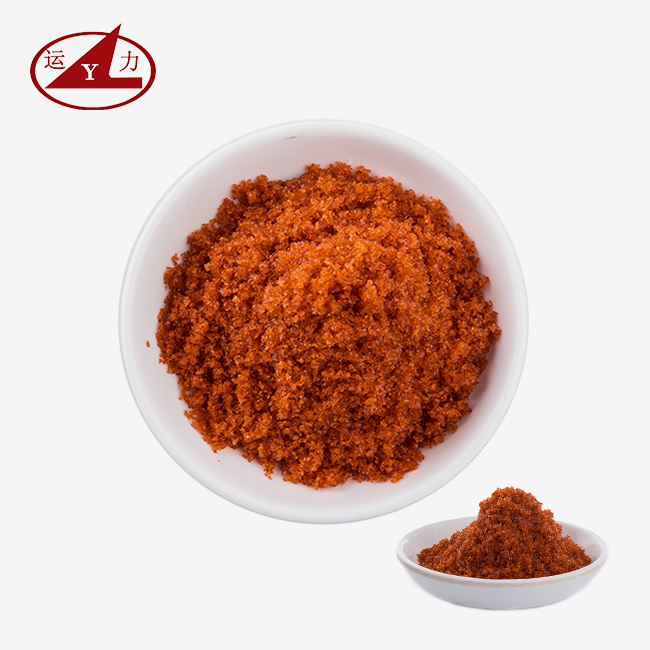
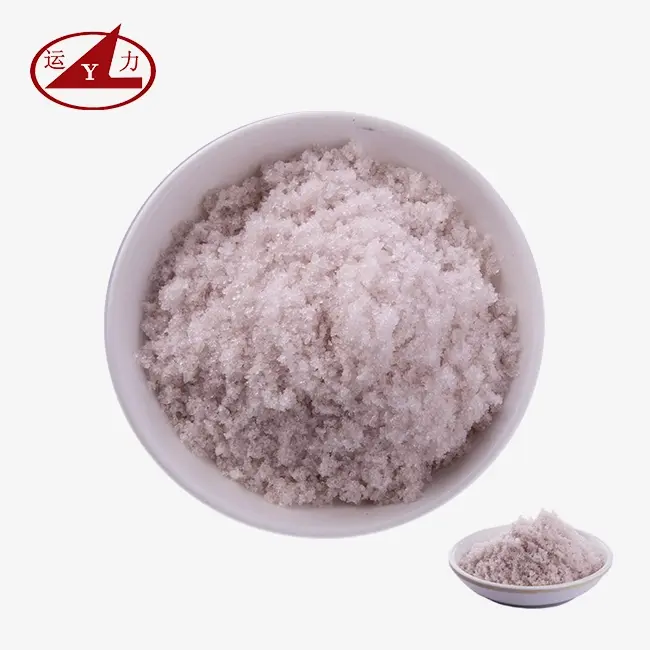
In the field of industrial chemistry, iron(III) nitrate nonahydrate is one of the most useful inorganic molecules. This solid red-brown substance has the molecular formula Fe(NO₃)₃·9H₂O and a molecular weight of 404.01. It has special properties that make it useful in many fields.
The physical features of the substance show why it's used so often. The specific density of this iron salt is 1.68 g/cm³, and its freezing point is only 47.2°C, which makes it very easy to work with. Because it dissolves so easily in water, ethanol, and acetone, it can be used in a wide range of solution preparations. But buyers should know that it's deliquescent, which means it easily draws water from the air and needs to be stored in the right way.
Due to its oxidizing properties, this nitrate salt needs to be carefully bought and stored. It can catch fire or explode when it comes into contact with organic chemicals. Because of this, it is useful as an oxidizing agent, but strict safety rules must be followed throughout the supply chain.
Quality standards are very different depending on the needs of the product. Standard industrial grades usually have a purity of 98%, but for certain uses, like making catalysts or pharmaceutical intermediates, they may need a purity of 99.5% or higher. Knowing these differences helps buyers choose the right amount of quality without paying too much for too much purity.
Industrial Applications Across Key Sectors
Ferric nitrate is useful in many different industries, and each one has its own quality and efficiency standards. Knowing about these uses helps buyers make smart choices about product specs and supplier abilities.
This iron compound is an important part of chrome plating solutions used in electroplating and surface treatment. These days, environmental rules support trivalent chromium systems over hexavalent ones more and more. This increases the need for good iron nitrate solutions. To keep plating baths stable, buyers in this sector look for low chloride content and steady pH control.
When making catalysts, which is another important application, precision is very important. In petrochemical processes, having an iron level below 30 ppm keeps the catalyst from becoming poisoned. This extends the life of the catalyst and makes the process more efficient. Ultra-pure grades that keep their catalytic activity over long periods of time are especially helpful for methanol production plants.
This chemical is used in agriculture to make water-soluble fertilizers, especially for crops that don't have enough iron, like oranges and rice. Because it dissolves easily and is bioavailable, it works great for drip watering systems and applications on the leaves. To meet agricultural standards, fertilizer makers need to make sure that the iron level stays the same and that heavy metal contamination is kept to a minimum.
When making pharmaceutical intermediates, the highest levels of purity are needed, and they often have to meet USP or EP standards. Iron levels below 10 parts per million (ppm) and heavy metal levels below 20 ppm are important requirements. As a result, sterile packaging and full paperwork packages with certificates of analysis are now necessary for purchases.
Quality Control and Purity Standards
To successfully buy ferric nitrate nonahydrate, you must understand and define the right quality standards. Quality control is an important part of choosing a supplier because different uses need different amounts of purity and impurity profiles.
The most difficult part of quality standard is controlling impurities. Even though iron impurities might not seem like they would affect the performance of an iron compound, they can have a big effect on sensitive uses. For catalyst-grade materials, the iron level must be less than 30 ppm, and for pharmaceutical uses, the limits may need to be even stricter.
Different uses are affected by chloride and sulfate levels in different ways. For electroplating, low levels of chloride are needed to keep the metal from pitting and sticking together poorly. Higher levels may be okay for fertilizer uses. If you set these parameters properly, you can avoid performance problems and lower the number of rejections.
In pharmaceutical and farming settings, heavy metal contamination is a big problem. Levels of lead, mercury, and cadmium must meet strict government standards. Buyers should make sure that providers keep strong analytical tools to find and control these contaminants.
Different providers use different testing and analysis methods, so standardization is necessary to keep quality high. Trace element measurement is done accurately with modern methods like ICP-MS and atomic absorption spectrometry. Buyers benefit from suppliers that can do a lot of different kinds of analyses and have clear testing processes.
Certificate of analysis paperwork is very important for businesses that are regulated. Full COA packages should have all the parameters, test methods, and results that are special to the batch that were sent in. This paperwork helps programs that make sure regulations are followed and quality is checked along the whole supply chain.
Supplier Evaluation and Selection Criteria
There are more than just price factors to consider when looking for the right ferric nitrate nonahydrate supplier. Long-term partnerships rely on suppliers who offer consistent quality, on-time delivery, and full technical support.
Scalability and production potential show if suppliers can keep up with rising demand without lowering quality. Iron nitrate is safer to get from established makers with dedicated production lines than from companies that use iron nitrate as a secondary product. Knowing how things are made can help you predict how consistent the quality will be and how reliable the supply will be.
Quality management systems show what a provider can do and how committed they are to doing a great job. ISO 14001 certification shows a commitment to environmental management, while ISO 9001 certification shows structured quality systems. Suppliers who have more than one certification usually keep better standards for their operations.
When apps need custom solutions or help with troubleshooting, technical support skills become very important. Suppliers who are good at research and development (R&D) can make special grades, change impurity profiles, or change the way things look to fit specific needs. This freedom is helpful for making processes run more smoothly and cutting costs.
As rules get stricter around the world, following environmental laws becomes more and more important. There are fewer dangers in the supply chain when suppliers have well-developed environmental management systems and the ability to treat waste. This is especially important for making catalysts and using drugs, where following environmental rules can affect the continuation of operations.
Making strategic sourcing choices requires a business to be stable financially and last a long time. Supply security is higher when suppliers have good finances and a history of being in the market. As part of your due diligence, you should look at the company's background, talk to past customers, and look at signs of its financial health.
Packaging, Storage, and Handling Considerations
Proper packaging and storage play critical roles in maintaining product quality and ensuring safe handling throughout the supply chain. The deliquescent nature of ferric nitrate nonahydrate requires specific packaging solutions to prevent moisture absorption and quality degradation.
Standard packaging options range from 25kg moisture-proof bags for smaller quantities to bulk packaging in 1000kg pallets or ISO tanks for liquid solutions. Packaging selection should balance cost efficiency with quality preservation and handling convenience. Moisture barrier properties become essential for maintaining product specifications during storage and transport.
Storage conditions significantly impact product stability and shelf life. Controlled humidity environments prevent clumping and composition changes, while proper temperature control maintains crystal structure integrity. Buyers should specify storage requirements clearly and verify supplier capabilities to maintain these conditions.
Handling safety protocols reflect the oxidizing nature of this iron salt and its potential for skin irritation. Proper personal protective equipment, ventilation systems, and emergency procedures become mandatory. Suppliers should provide comprehensive safety data sheets and handling guidelines to support safe operations.
Inventory management strategies should account for the material's hygroscopic properties and potential for quality degradation over time. First-in-first-out rotation and regular quality testing help maintain product specifications throughout storage periods. Climate-controlled storage becomes particularly important in humid environments.
Transportation considerations include proper vehicle selection, route planning, and documentation requirements. Hazardous material classifications may apply, requiring specialized carriers and compliance with transportation regulations. Clear labeling and emergency response information support safe transport operations.
Cost Optimization and Procurement Strategies
To control costs effectively when buying ferric nitrate nonahydrate, you need to know how the market works, how the supply chain works, and how much it costs to own everything. Strategic methods can cut procurement costs by a large amount while keeping quality and supply reliability high.
Changes in market prices are caused by the cost of raw materials, the cost of energy, and the way supply and demand work. The prices of iron ore, nitric acid, and the amount of production that can be done in an area all affect price trends. Knowing about these things helps buyers time their purchases and get better deals on contracts.
Volume-based pricing usually gives buyers big chances to save money, especially those whose demand trends are stable. Long-term contracts that promise a certain amount of goods are often able to get better prices and keep the supply going. Buyers should weigh volume savings against the cost of keeping inventory and concerns about quality.
A total cost study looks at more than just the price of the item being bought. It also looks at the costs of transport, storage, handling, and quality issues. If there are problems with quality, delivery, or technical help, lower-priced suppliers may cause overall costs to go up. Comprehensive cost planning helps people choose the best suppliers.
Terms of payment and financing choices can change how much something really costs to buy. Cost savings may come from early payment discounts, longer payment terms, or seller financing programs. Buyers should think about the internal cost of capital and cash flow when weighing these choices.
It is possible to cut costs without sacrificing efficiency by optimizing specifications. Working with suppliers to find the lowest amounts of purity that are acceptable or other requirements can greatly lower costs. For this method to work, you need to have a good idea of the application's needs and performance limits.
Moving Forward with Confidence
To successfully buy ferric nitrate nonahydrate, you need to carefully think about quality requirements, the supplier's skills, and the total cost. Because the compound can be used in many fields, it is important for many tasks, from making catalysts to finding solutions for farming problems.
Quality standards change a lot depending on the needs of the application. Choosing the right supplier is therefore very important for practical success. Buyers benefit when suppliers have strong technical support, strong quality processes, and the ability to do a lot of analysis. Long-term partnerships with well-known manufacturers offer chances to secure supplies and lower costs.
Strategies for cost optimization and changes in the market can help with buying. When buyers know about the total costs, specification flexibility, and volume possibilities, they can make smart choices that help their businesses reach their goals while still meeting quality standards.
Partner with Yunli Chemical for Superior Ferric Nitrate Nonahydrate Solutions
Yunli Chemical combines two decades of manufacturing excellence with cutting-edge technology to deliver premium ferric nitrate nonahydrate that meets your exact specifications. Our provincial technology center and advanced analytical capabilities ensure consistent quality, while our factory-direct supply model eliminates intermediary costs. Contact US at wangjuan202301@outlook.com to discuss your requirements and receive complimentary samples up to 500 grams for evaluation.
References
1. Smith, J.A., and Williams, R.B. "Industrial Applications of Iron Nitrate Compounds in Modern Manufacturing Processes." Journal of Industrial Chemistry, vol. 45, no. 3, 2023, pp. 178-192.
2. Chen, L., et al. "Quality Control Standards for Inorganic Nitrate Salts in Pharmaceutical Manufacturing." Chemical Engineering and Processing Review, vol. 78, no. 2, 2024, pp. 234-248.
3. Martinez, C.D. "Environmental Compliance and Safety Protocols for Oxidizing Chemical Handling in Industrial Settings." Safety and Environmental Management Quarterly, vol. 29, no. 4, 2023, pp. 145-162.
4. Thompson, K.R., and Lee, S.H. "Cost Optimization Strategies in Chemical Raw Material Procurement: A Comprehensive Analysis." Supply Chain Management Today, vol. 41, no. 1, 2024, pp. 67-81.
5. Anderson, M.J. "Crystal Structure and Physical Properties of Hydrated Metal Nitrate Compounds." Materials Science and Engineering Journal, vol. 156, no. 7, 2023, pp. 289-305.
6. Brown, P.L., et al. "Analytical Methods for Trace Element Detection in High-Purity Chemical Reagents." Analytical Chemistry Advances, vol. 33, no. 6, 2024, pp. 412-427.