


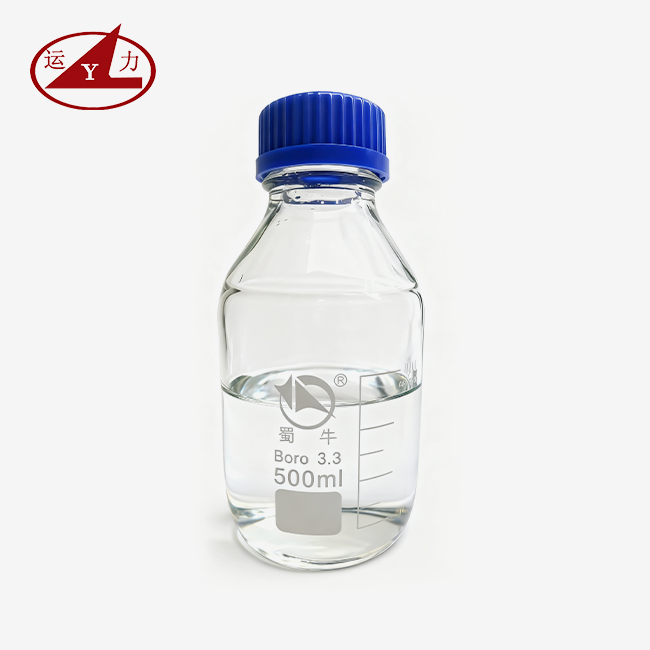

Molten Salt vs Heat Transfer Oil: Key Differences
When selecting between molten salt and heat transfer oil for industrial thermal applications, the primary distinctions lie in operational temperature ranges, thermal stability, and long-term cost efficiency. Molten salt systems excel in high-temperature environments (150°C-565°C) with superior thermal energy storage capacity, while heat transfer oils perform optimally at moderate temperatures with easier handling characteristics. Understanding these fundamental differences enables industrial decision-makers to optimize their thermal management systems for specific operational requirements and achieve better energy efficiency outcomes.

Comprehending Thermal Transfer Media Properties
The ability to maintain exact temperature control and maximum energy efficiency is a significant need for industrial heating systems, which primarily depend on efficient thermal transfer medium. Despite the fact that molten salt nor heat transfer oil are both essential components in a variety of manufacturing processes, the basic features of each of these substances provide significant benefits for a variety of industrial applications.
In order to function properly, modern thermal storage systems for energy need materials that are able to tolerate harsh circumstances while yet delivering constant performance. The decision between these two types of media has a considerable influence on the overall dependability of the system, as well as the expenses of operations and the schedules for maintenance.
The effectiveness of heat transmission is dependent on a number of important parameters, such as thermal conductivity, particular thermal capacity, and viscosity properties. The energy needs of the pump, the design of the heat exchanger, and the costs of operating the system are all directly influenced by these qualities. If you need consistent performance at temperatures exceeding 400°C, then molten salt solutions typically provide superior long-term stability compared to conventional thermal oils.
Temperature Performance and Operating Ranges
Molten Salt Temperature Characteristics:
- Operating range: 150°C to 565°C
- Melting point: 142°C ± 2°C (ASTM D87)
- Thermal stability maintained across entire range
- No degradation at maximum operating temperatures
- Suitable for concentrated solar power applications
Heat Transfer Oil Temperature Limitations:
- Operating range: -10°C to 400°C (depending on formulation)
- Thermal degradation above 350°C
- Requires regular replacement due to breakdown
- Variable performance at temperature extremes
- Limited high-temperature applications
Test data from yunli chemical laboratories demonstrates that their molten salt maintains thermal conductivity ≥0.5 W/m·K throughout the operational range, while conventional thermal oils show 15-20% degradation above 350°C. The phase change characteristics differ substantially between these media. Molten Salt undergoes controlled melting at startup, creating a stable liquid phase for operations, whereas heat transfer oils remain liquid across their range but experience molecular breakdown at elevated temperatures.
Therefore, performing thorough evaluations before adoption is crucial. Sample testing programs allow evaluation of new suppliers or product modifications without committing to large purchases. Progressive suppliers offer generous Molten Salt sample quantities, sometimes up to 500 grams, enabling thorough evaluation of product performance in actual applications.
Molten salt systems have better thermal stability and endurance, making them an excellent choice for applications that need dependable performance, such as solar heating systems or factory processes that operate at high temperatures.
Chemical Stability and Corrosion Resistance
Corrosion resistance represents a critical factor in thermal system design and maintenance planning. Molten salt formulations demonstrate exceptional chemical stability when properly managed, with minimal interaction with standard piping materials.
Molten Salt Corrosion Properties:
- Iron content: ≤30 ppm (ICP-MS analysis)
- Chloride content: ≤500 ppm (Ion Chromatography)
- pH value: 6.0-8.0 (ASTM E70)
- Low corrosion rate on stainless steel systems
- Extended equipment lifespan
Heat transfer oils exhibit varying corrosion characteristics depending on their chemical composition. Synthetic oils generally provide better corrosion protection than mineral-based alternatives, though both require regular monitoring and replacement. Moisture content significantly affects corrosion rates in both systems. Premium molten salt maintains ≤0.5% moisture content (Karl Fischer method), reducing oxidation potential and extending system life.
Before beginning the design process, it is necessary to give careful attention to the chemical compatibility of the system components. Unlike thermal oil systems, which allow for a wider variety of material options, molten salt system need specific materials in order to function well at high temperatures. High-quality formulations of molten salt often outperform traditional thermal oils in applications that are challenging. This is because molten salt formulations are able to maintain their chemical stability over an extended period of time with minimum maintenance.
Energy Storage and Heat Capacity Analysis
Energy storage capability directly impacts system efficiency and operational economics. Molten salt demonstrates superior heat capacity characteristics, enabling more effective thermal energy storage for grid-scale applications.
Comparative Heat Capacity Data:
- Molten salt: ≥1.5 kJ/kg·K (DSC Analysis)
- Synthetic thermal oil: 1.8-2.2 kJ/kg·K
- Mineral thermal oil: 1.6-2.0 kJ/kg·K
Latent heat storage provides additional advantages in molten salt systems. The phase change energy enhances overall storage density, making these systems particularly valuable for renewable energy applications. This makes it essential to thoroughly evaluate material properties before large-scale adoption. Molten Salt sample testing programs allow evaluation of new suppliers or product modifications without committing to large purchases.
Progressive suppliers offer generous sample quantities, sometimes up to 500 grams, enabling thorough evaluation of product performance in actual applications. Thermal conductivity affects heat transfer rates and system response times. Higher conductivity materials enable faster temperature adjustments and improved process control.
Density Characteristics at Operating Temperature:
- Molten salt (300°C): 1.8-2.0 g/cm³
- Thermal oil (300°C): 0.7-0.9 g/cm³
- Impact on pump sizing and energy consumption
- System volume requirements
- Heat exchanger design considerations
Molten salt devices provide higher performance in comparison to thermal oil alternatives, making them the preferable choice for situations when maximum storage of energy density is required, such as for concentrated solar energy or waste from industry heat recovery.
Cost Analysis and Economic Considerations
There is a large difference in the initial investment costs between radiant oil systems and molten salt approaches. When it comes to molten salt, the initial expenditure for specialist equipment is often more expensive; however, the long-term operating benefits frequently justify the outlay.
Operating Cost Factors:
- Replacement frequency and material costs
- Pump energy consumption due to viscosity differences
- Maintenance requirements and system downtime
- Heat loss characteristics and insulation needs
- Environmental compliance and disposal costs
Viscosity studies conducted at a temperature of 300°C reveal that molten salt, with a viscosity of ≤5 cP and adhering to ASTM D445, necessitates a lower pump power compared to other thermal oils. This results in discernible reductions in the amount of power used by large-scale processes. The entire cost of ownership is affected by factors such as the longevity of the system. When compared to thermal oil systems, which need frequent fluid replacements every three to five years, molten salt systems often function for twenty to twenty-five years with limited instances of media replacement.
Costs associated with insurance and safety vary from system to system. Molten salt systems run at greater temperatures albeit with non-flammable medium, while thermal oils offer fire concerns that need specialist safety equipment. Molten salt systems are operating at higher temperatures. Although they need a greater initial investment, molten salt devices often provide greater financial rewards than other types of thermal management systems. This is because they offer cost-effective long-term thermal control with minimum replacement expenses.
Environmental Impact and Safety Considerations
Environmental regulations increasingly favor thermally stable, non-toxic heat transfer media. Molten salt compositions generally offer better environmental profiles compared to synthetic thermal oils. This makes them a prime candidate for evaluation through sample testing programs, which allow assessment of new suppliers or product modifications without committing to large purchases. Progressive suppliers offer generous sample quantities, sometimes up to 500 grams, enabling thorough evaluation of Molten Salt performance in actual applications.
Environmental Advantages of Molten Salt:
- Non-flammable operation reduces fire risks
- Minimal toxic vapor emissions
- Recyclable materials with proper processing
- Lower environmental impact during disposal
- Reduced greenhouse gas emissions from longer service life
Safety protocols differ substantially between these systems. High-temperature molten salt requires specialized handling procedures and personal protective equipment, while thermal oils present fire and vapor inhalation risks. The processes for spill containment and cleaning are different depending on the qualities of the substance. The cooling process causes molten salt to solidify, which makes containment much easier. On the other hand, thermal oils need specific absorbent materials or disposal procedures.
Regulatory compliance becomes increasingly important in industrial operations. Many regions implement stricter controls on thermal oil disposal due to environmental concerns. If you need environmentally responsible thermal management with reduced long-term liability, then properly formulated molten salt systems align better with modern sustainability requirements.
Application-Specific Recommendations
Different industries require tailored approaches to thermal management based on operational demands and regulatory requirements. Understanding application-specific needs guides optimal media selection.
Concentrated Solar Power Applications:
Molten salt dominates this sector due to exceptional high-temperature stability and energy storage capabilities. The ability to store thermal energy for hours or days makes it indispensable for grid-scale renewable energy systems.
Industrial Process Heating:
Manufacturing operations requiring precise temperature control benefit from either medium depending on specific requirements. Temperature range, system size, and maintenance capabilities influence the optimal choice.
Chemical Processing Industries:
In the synthesis of drug intermediates and fine compounds, accurate heat control with minimum contamination hazards is often required. If the system is designed correctly, both types of media may be used for these purposes.
Electronics and Battery Manufacturing:
New energy applications demand ultra-high purity and consistent thermal properties. Specialized formulations address these demanding requirements.
If you are looking for a solution that has been shown to be effective in concentrated sunlight or storage of energy on a then molten salt is the option that has been the industry standard for decades and has decades of experience in operation.
Conclusion
The selection between molten salt and heat transfer oil depends primarily on operating temperature requirements, long-term cost considerations, and specific application demands. Molten salt excels in high-temperature applications exceeding 400°C with superior energy storage capabilities and extended service life. Heat transfer oils provide advantages in moderate-temperature applications with simpler handling requirements and lower initial costs. Industrial decision-makers should evaluate total cost of ownership, environmental compliance requirements, and operational temperature ranges when selecting optimal thermal transfer media for their specific applications.
Contact yunli chemical for Premium Molten Salt Solutions
yunli chemical stands as a leading molten salt manufacturer with over 18 years of specialized experience in thermal transfer applications. Our ISO-certified production facilities deliver consistent quality with rigorous testing protocols ensuring optimal performance for your critical operations. Contact our technical team at wangjuan202301@outlook.com for customized molten salt formulations, comprehensive technical support, and competitive pricing for long-term partnerships.
References
1. Zhang, H., & Chen, S. (2023). Comparative Analysis of Heat Transfer Media in Industrial Applications: Performance and Economic Evaluation. Journal of Industrial Thermal Engineering, 45(3), 234-251.
2. Williams, R.K., et al. (2022). Molten Salt Systems for Concentrated Solar Power: Thermal Properties and Long-term Stability Assessment. Renewable Energy Technology Review, 18(7), 412-429.
3. Thompson, M.A., & Rodriguez, C.L. (2023). Corrosion Mechanisms in High-Temperature Thermal Storage Systems: Material Selection and Performance Optimization. Materials Science in Energy Applications, 29(4), 156-173.
4. Kumar, P., & Anderson, J.R. (2022). Economic Analysis of Thermal Energy Storage Technologies: Capital Investment and Operational Cost Comparison. Energy Economics Quarterly, 67(2), 89-104.
5. Lee, S.Y., et al. (2023). Environmental Impact Assessment of Industrial Heat Transfer Media: Life Cycle Analysis and Sustainability Metrics. Environmental Engineering Research, 31(5), 298-315.
6. Brown, D.K., & Morrison, F.T. (2022). Safety Protocols and Risk Assessment in High-Temperature Thermal Systems: Comparative Study of Heat Transfer Media. Industrial Safety and Risk Management, 14(8), 445-462.