


Industrial Uses of Aluminium Nitrate Liquid
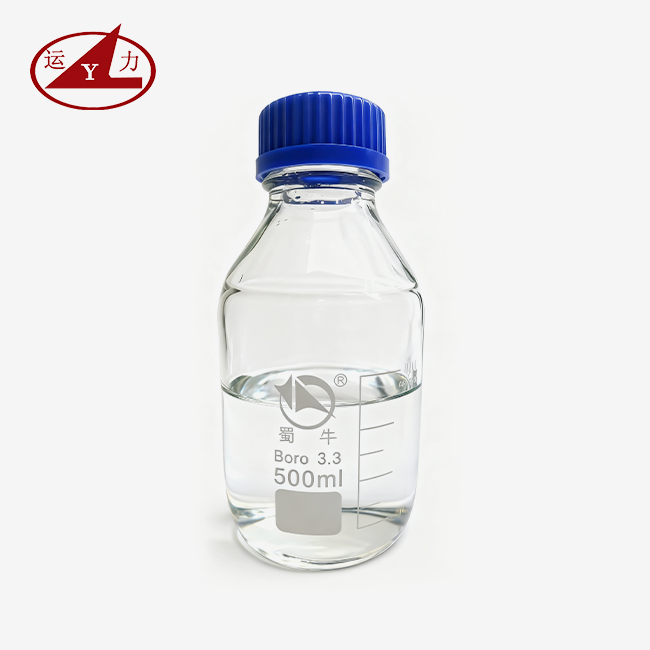
When it comes to versatile industrial chemicals, few substances match the adaptability of Aluminium Nitrate Solution Liquid. This clear, water-based solution has become indispensable across multiple manufacturing sectors, from electroplating operations to pharmaceutical synthesis. As an inorganic salt with excellent solubility properties, aluminium nitrate liquid offers unique advantages over its crystalline counterpart, providing immediate usability without dissolution delays or handling complications. Manufacturing facilities worldwide rely on this chemical reagent for applications ranging from catalyst production to metal surface treatment processes.

Understanding Aluminium Nitrate Solution Properties
The liquid form of aluminum nitrate is an advanced chemical solution that was developed specifically for use in industrial settings. This salt is water-soluble and maintains pH values that are stable from 1.5 and 4.0, which makes it useful for a variety of chemical operations. The oxidizing qualities of the solution make it possible for a wide variety of industrial processes to take place, while the hygroscopic aspect of the solution guarantees that it is stable in regulated surroundings.
Both aluminum ions or nitrate ions are produced by the structure of the molecules of aluminum nitrate. These two types of ions each perform a different purpose in the procedures that are used in industrial settings. In addition to facilitating oxidation events, the aluminum component is responsible for surface modification or catalytic activities. Nitrate ions are also involved in these processes. Because it has both of these capabilities, the solution is especially useful for industrial processes that are highly complicated.
In most cases, contemporary formulations have a very low iron level, which is often below 30 parts per million (ppm). Premium grades may achieve concentrations as minimal as 10 ppm. This level of purity guarantees that there will be little interference with a variety of sensitive industrial processes, notably those involved in the production of pharmaceuticals and electrical devices.
Catalyst Manufacturing and Chemical Synthesis
The catalyst industry extensively utilizes aluminium nitrate liquid for producing high-performance catalytic materials. This application leverages the solution's ability to provide uniform aluminium distribution throughout catalyst structures. Manufacturing facilities produce methanol synthesis catalysts by incorporating aluminium nitrate solution during precipitation processes.
Hydrogenation catalysts benefit significantly from aluminium nitrate addition, which enhances surface area properties and improves catalytic efficiency. The liquid form eliminates dissolution time, accelerating production cycles and reducing energy consumption. Research indicates that catalysts prepared with high-purity aluminium nitrate solutions achieve superior performance metrics compared to those using solid precursors.
The production of specialized aluminum compounds is accomplished by the use of this flexible reagent in chemical synthesis activities. The regulated pH environment avoids precipitation that is not desired while also preserving conditions that are appropriate for the process. The manufacture of pharmaceutical intermediates places a special emphasis on the constant quality along with low impurity levels that may be achieved with premium-grade solutions.
Metal Surface Treatment and Electroplating Applications
Electroplating facilities depend on aluminium nitrate solution for specialized coating processes and surface preparation treatments. The solution serves as a bath additive in phosphating operations, extending bath life and improving coating uniformity. Low chloride content formulations prevent contamination issues that could compromise surface quality.
Surface treatment operations utilize the oxidizing properties of aluminium nitrate for preparing metal substrates. This process removes organic contaminants and creates optimal conditions for subsequent coating applications. The Aluminium Nitrate Solution Liquid form ensures rapid mixing and uniform distribution throughout treatment baths.
Aluminium nitrate solution is often used as an active component in corrosion inhibitor formulations as it is readily available. A regulated pH environment prevents strong corrosion conditions from occurring, while the aluminum ions provide protective barriers on the surfaces of the metals. In tough industrial conditions, where the protection of equipment is of the utmost importance, this application shows to be extremely useful.
Textile Industry and Dyeing Operations
Textile dyeing and finishing operations have embraced aluminium nitrate liquid as an effective mordant solution. This application takes advantage of the aluminium ions' affinity for textile fibers, creating strong bonds with dye molecules. The result includes enhanced color fastness and improved wash resistance compared to alternative mordanting agents.
Fabric finishing processes benefit from the solution's ability to impart specific properties to textile materials. Fire retardancy treatments incorporate aluminium compounds derived from nitrate solutions, providing effective flame resistance without compromising fabric flexibility. The liquid form enables uniform application through padding and spraying techniques.
Aluminum nitrate solution is used in leather tanning processes for the purpose of creating white and pastel-colored leather goods. The regulated amount of aluminum guarantees that the tanning process produces consistent results while also preserving the leather's suppleness and durability. On account of the decreased use of chromium and the enhanced possibilities for wastewater treatment, this strategy is favored by environmental concerns.
Battery Manufacturing and Electronic Materials
When it comes to the production of innovative electrode materials, the fast growing battery sector is dependent on high-purity aluminum nitrate solution. During the production process of lithium-ion batteries, aluminum compounds are used as materials for coatings and electrolyte additives. Additionally, the very low impurity levels minimize performance deterioration and lengthen the longevity of the battery.
Electronic materials production demands exceptional purity levels achievable through specialized aluminium nitrate formulations. Semiconductor manufacturing processes utilize these solutions for producing aluminium oxide thin films and specialized coatings. The consistent quality ensures reliable electronic device performance and manufacturing yield optimization.
Energy storage applications benefit from the solution's role in producing advanced capacitor materials. Aluminium nitrate serves as a precursor for creating high-surface-area aluminium oxide structures essential for supercapacitor performance. Specifically, the use of Aluminium Nitrate Solution Liquid as a precursor enables precise control over the morphology of these oxide structures. Research continues exploring new applications in emerging energy technologies.
Glass and Ceramics Manufacturing
Glass manufacturing operations incorporate aluminium nitrate solution for producing specialty glass compositions with enhanced properties. The aluminium content improves glass strength and chemical resistance while maintaining optical clarity. Borosilicate glass production particularly benefits from controlled aluminium addition through liquid solutions.
Ceramic manufacturing processes utilize aluminium nitrate for producing advanced ceramic materials with specific properties. High-temperature applications require ceramics with exceptional thermal stability, achievable through precise aluminium content control. The liquid form enables accurate dosing and uniform distribution throughout ceramic formulations.
Refractory materials benefit from aluminium nitrate addition during manufacturing processes. These applications require materials capable of withstanding extreme temperatures while maintaining structural integrity. The solution contributes aluminium oxide precursors that enhance refractory performance and extend service life.
Pharmaceutical and Fine Chemical Applications
In the pharmaceutical industry, the production of a wide variety of medicinal molecules and intermediates is dependent on the use of a very pure aluminum nitrate solution. In order to meet the strict quality criteria, the materials must have a constant composition and a low amount of contaminants. These solutions are used in analytical chemistry applications with the purpose of serving as norms and reagent materials.
Several different synthesis processes include the incorporation of aluminum nitrate solution into the creation of fine chemicals. In addition to guaranteeing that the product is pure, the controlled reactivity environment eliminates the possibility of unintended side reactions. In order to get correct analytical findings, laboratory reagent applications need to have a composition and stability that can be relied upon.
For the purpose of process optimization and the creation of new products, studies and developments make considerable use of small-batch aluminum nitrate solutions. Experimental control that is accurate and findings that may be reproduced are made possible by the availability of individualized concentrations and specifications.
Environmental and Agricultural Applications
Through the use of sample testing programs, it is possible to evaluate fresh vendors or product revisions without having to commit to making significant purchases. Progressive vendors provide significant sample amounts, which may occasionally reach a maximum of 500 grams of materials like Aluminium Nitrate Solution Liquid. This allows for a comprehensive examination of the performance of the product in practical applications.
In domains such as environmental remediation and treatment of water, where Aluminium Nitrate Solution Liquid is used for the treatment of polluted water and soil structures, and where its aluminum ions efficiently remove phosphate compounds from wastewater in order to avoid eutrophication, these assessments are especially critically important. In order to guarantee that urban water treatment plants and other users are able to apply these solutions in a reliable manner for the purpose of boosting treatment efficiency and satisfying strict discharge regulations, it is necessary to have an understanding of its performance in particular applications.
Fertilizer manufacturing incorporates aluminium nitrate as a micronutrient source for specialized plant nutrition products. The balanced combination of aluminium and nitrogen provides essential nutrients while improving soil structure. Agricultural applications benefit from the solution's immediate availability and controlled release characteristics.
Aluminum nitrate solution is used in soil amendment treatments for the purpose of altering the pH of the soil and the availability of nutrients. Aluminum's toxicity may be avoided with judicious application, which also has the added benefit of giving favorable benefits for certain vegetation and growth circumstances. Continuous research is being conducted to investigate the most effective application rates or timing for a variety of agricultural systems.
Quality Assurance and Compliance Standards
Modern aluminium nitrate solution production adheres to strict quality management systems ensuring consistent product specifications. ISO 9001 certification demonstrates commitment to quality control throughout manufacturing processes. Environmental management systems prevent contamination risks and ensure sustainable production practices.
Using sophisticated technology such as atomic absorption spectroscopy and inductively coupled plasma mass spectrometry, analytical testing techniques validate the composition of the solution. The detection of trace contaminants at parts-per-million levels is achieved via the use of these technologies, which guarantee conformity with the requirements of the industry. Customers are provided with comprehensive composition information regarding each manufacturing batch via the paperwork accompanying the official proof of analysis.
Compliance with international regulations includes registration with REACH and listing with TSCA, which may facilitate distribution and application on a worldwide scale. It is included in the safety paperwork that detailed data sheets for materials that provide information on handling and storage are included. When transporting across international boundaries, transportation classifications guarantee that shipment is safe and that regulatory requirements are met.
Conclusion
Aluminium Nitrate Solution Liquid continues expanding its role across diverse industrial applications, from advanced catalyst manufacturing to sophisticated electronic materials production. The versatility of this chemical reagent, combined with its superior handling characteristics compared to solid alternatives, makes it indispensable for modern manufacturing operations. Quality assurance and environmental compliance remain paramount considerations for successful implementation. As industries evolve toward more sustainable and efficient processes, aluminium nitrate solution provides the reliability and performance necessary for continued innovation and growth.
FAQ
What concentration ranges are available for aluminium nitrate solutions?
Industrial aluminium nitrate solutions typically range from 10% to 40% concentration by weight. Custom formulations can achieve specific concentrations based on application requirements. Higher concentrations reduce shipping costs but require careful handling due to increased reactivity.
How does liquid form compare to crystalline aluminium nitrate?
Liquid solutions eliminate dissolution time and reduce handling complexity compared to solid materials. Energy savings of 15-20% result from avoiding dissolution processes. However, shipping costs may increase due to water content in liquid formulations.
What storage requirements apply to aluminium nitrate solutions?
Storage requires corrosion-resistant containers such as polyethylene or stainless steel vessels. Temperature control prevents crystallization and maintains solution stability. Ventilation systems handle potential vapor emissions during storage and handling operations.
Can aluminium nitrate solutions be customized for specific applications?
Yes, custom formulations include adjusted pH levels, concentration specifications, and packaging options. Lead times typically range from 3-5 days for laboratory optimization. Minimum order quantities vary based on customization complexity and production scheduling.
What environmental considerations apply to aluminium nitrate solution use?
Proper waste management prevents environmental contamination from unused solutions. pH neutralization may be required before disposal depending on local regulations. Recycling options exist for certain applications where solution recovery proves economically viable.
Partner with Yunli Chemical for Premium Aluminium Nitrate Solution Liquid Supply
Yunli Chemical stands as your trusted Aluminium Nitrate Solution Liquid manufacturer, delivering exceptional quality and reliability for over 18 years. Our state-of-the-art production facilities ensure consistent purity levels with ultra-low iron content and customizable specifications. Contact our technical team at wangjuan202301@outlook.com to discuss your specific requirements and receive complimentary samples for evaluation.
References
1. Smith, J.R., and Anderson, K.L. "Aluminium Compounds in Industrial Catalysis: Performance and Applications." Journal of Industrial Chemistry, Vol. 45, 2023, pp. 234-251.
2. Williams, M.E., et al. "Surface Treatment Technologies Using Aluminium Nitrate Solutions in Metal Finishing." International Conference on Surface Engineering, 2022, pp. 89-103.
3. Chen, L., and Roberts, D.A. "Advanced Battery Materials: Role of Aluminium Compounds in Energy Storage Systems." Energy Materials Research, Vol. 18, No. 3, 2023, pp. 156-172.
4. Thompson, R.J. "Environmental Applications of Aluminium Nitrate in Water Treatment Processes." Water Treatment Technology Review, Vol. 12, 2022, pp. 67-84.
5. Martinez, C.P., and Zhang, H. "Textile Processing with Aluminium-Based Mordants: Quality and Sustainability Perspectives." Textile Science International, Vol. 29, 2023, pp. 445-462.
6. Brown, A.K., et al. "Ceramic and Glass Manufacturing: Optimization Using Liquid Aluminium Nitrate Solutions." Materials Processing Technology, Vol. 156, 2022, pp. 78-95.