


In the energy storage industry, nickel carbonate is an essential raw material, especially for the production of catalysts and battery components. This adaptable substance is essential to the production of fuel cell catalysts, lithium-ion battery cathodes, and new energy storage technologies. Procurement experts may make strategic choices that directly affect production efficiency, product quality, and operating costs by having a thorough understanding of its chemical properties and industrial uses. Nickel carbonate is now a crucial component for producers looking to gain a competitive edge in battery technology, catalyst systems, and next-generation energy conversion applications due to the rising need for high-performance energy storage solutions.


Comprehending Nickel Carbonate: Chemical Profile and Industrial Significance
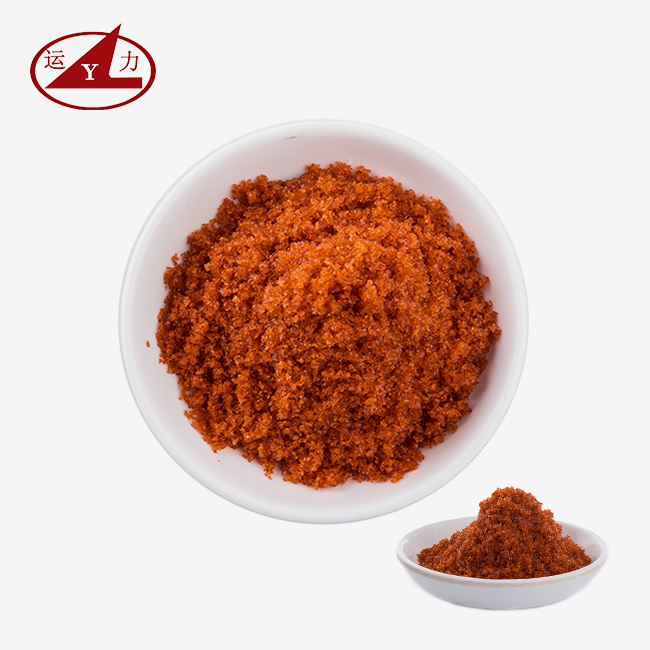
Nickel carbonate is essential for energy storage applications due to its basic properties. This molecule, which has the CAS number 39430-27-8 and the chemical formula NiCO₃·2Ni(OH)₂·4H₂O, has special qualities that set it apart from other nickel-based compounds. Its unique grass-green crystalline appearance and molecular weight of 376.17 g/mol are indicative of its structural integrity and chemical makeup.
Chemical Properties and Molecular Structure
Nickel carbonate basic has remarkable solubility properties, dissolving easily in diluted acids, ammonia, sodium carbonate solutions, and water. When producing catalysts and synthesizing battery materials, this solubility profile allows for a variety of processing techniques. Above 300°C, the complex decomposes predictably, releasing carbon dioxide and producing nickel oxide. Manufacturers use this controlled process to create specific nickel-based products. It is useful for catalyst preparation procedures because it reduces to finely distributed metallic nickel with strong catalytic activity when exposed to hydrogen at moderate temperatures.
Comparison with Other Nickel Compounds
Superior quality control and reduced impurity levels are provided by nickel carbonate as opposed to nickel sulfate, nitrate, or oxide substitutes. Our high-purity grade keeps sulfur levels below 10 ppm, guaranteeing excellent performance, even though nickel sulfate has sulfur content that may poison catalytic systems. In contrast to nitrate molecules, which may create unintended acidic conditions, the carbonate form offers superior pH stability throughout processing. Furthermore, accurate thermal processing is made possible by the regulated breakdown temperature of nickel carbonate, which eliminates the volatility issues related to nickel nitrate.
Safety and Handling Guidelines
Following established safety procedures is necessary for the proper handling of nickel carbonate. The material should be kept away from incompatible materials like strong acids or oxidizing agents in dry, well-ventilated spaces. Dust masks, safety goggles, and protective clothes are among the personal protection equipment that personnel handling the compound must use. By providing thorough safety data sheets and handling instructions with every shipment, our ISO 9001 accredited facility guarantees that all items satisfy OSHA and REACH compliance criteria.
Nickel Carbonate in Energy Storage: Core Applications and Benefits
Nickel carbonate is used extensively in the energy storage sector to manufacture vital parts that determine battery performance and system effectiveness. Its function goes beyond conventional uses to include innovative technologies that influence the direction of energy storage solutions in the future.
Role in Battery Manufacturing
Nickel carbonate is an essential precursor for the synthesis of nickel-rich cathode materials, such as NMC (nickel manganese cobalt) and NCA (nickel cobalt aluminum) compounds, in the manufacturing of lithium-ion batteries. Extended battery life cycles and stable electrochemical performance are guaranteed by the high-purity nickel content, which exceeds 98%. The compound's regulated particle size distribution, which ranges from 1 to 10 μm, allows for consistent mixing with other active materials during cathode fabrication, producing homogenous electrode architectures. Improved energy density, increased charge-discharge efficiency, and decreased internal resistance in completed battery cells are all directly correlated with this homogeneity.
Catalyst Applications in Energy Systems
Fuel cell systems use the catalytic characteristics of nickel carbonate to produce hydrogen and perform electrochemical conversion. Active catalyst sites necessary for hydrogen oxidation processes are produced by the material's capacity to reduce to highly distributed metallic nickel. Nickel-based catalysts made from our carbonate precursor show excellent conductivity and thermal stability in solid oxide fuel cells at temperatures higher than 800°C. Catalyst deactivation is avoided and steady performance is maintained over long operating times due to the low alkali metal concentration (sodium ≤50ppm).
Emerging Technologies Leveraging Nickel Carbonate
Materials generated from nickel carbonate are increasingly used in advanced energy storage devices, such as hybrid supercapacitors and solid-state batteries. The goal of research is to create nickel-based anodes that work well with solid electrolyte systems because of the compound's controlled breakdown properties and thermal stability. Furthermore, nickel carbonate is used in next-generation flow battery technologies to create redox-active electrolytes, which store and release electrical energy via regulated chemical processes.
Procurement Guide for Nickel Carbonate in Energy Storage Industry
Strong supply chain management procedures, cost optimization techniques, and thorough supplier evaluations are necessary for effective procurement strategies. Making well-informed decisions that ensure operational continuity requires an understanding of supplier capabilities and market conditions.
Evaluating Supplier Options and Quality Standards
Procurement teams should give preference to manufacturers with well-established quality management systems and relevant industry certifications when evaluating possible suppliers. As evidence of our dedication to quality, environmental responsibility, and worker safety, our plant holds ISO 9001, ISO 14001, and OHSAS certifications. Batch-to-batch consistency and accurate impurity control are made possible by sophisticated analytical capabilities such as atomic absorption spectrometry and ICP-MS. High-purity grade manufacturing lines guarantee little cross-contamination and satisfy the exacting requirements needed for energy storage systems.
Pricing and Bulk Purchase Considerations
Understanding price structures for purity grades, packaging choices, and order quantities is necessary for cost optimization. Because high-purity grades need more processing and strict quality control procedures, they are more expensive. Nonetheless, investing in high-quality materials often leads to lower processing costs and better final product performance. Orders above 10 tons usually qualify for volume discounts, and yearly supply contracts provide further savings. Although they may cost more, custom packaging options including moisture-barrier bags, nitrogen flushing, and specialty labeling guarantee material integrity throughout storage and transit.
Optimizing Supply Chain and Risk Management
Diverse supplier networks, smart inventory planning, and thorough risk assessment procedures are necessary for efficient supply chain management. Our direct production strategy ensures open communication throughout the procurement process while doing away with middlemen markups. Seasonal variations in demand and urgent needs are accommodated via flexible production schedule. Furthermore, our independent export businesses expedite international shipping and customs clearance processes, cutting down on lead times and paperwork for clients throughout the world.
Best Practices for Integrating Nickel Carbonate into Energy Storage Production
Nickel carbonate must be successfully integrated into industrial processes, paying close attention to handling protocols, storage conditions, and quality control techniques. These procedures guarantee both operational safety and the best possible material performance.
Efficient Storage and Handling Procedures
Proper storage settings that regulate temperature, humidity, and air conditions are the first step in maintaining product integrity. To avoid moisture absorption and possible caking, nickel carbonate should be kept at temperatures below 25°C and relative humidity levels below 60%. Storage spaces need to have enough ventilation and shade from the sun. With specific instruments for high-purity grades to prevent cross-contamination with lower-grade materials, material handling equipment should be built from appropriate materials that prevent contamination.
Quality Control and Purity Verification
Strict quality control procedures guarantee reliable product performance all the way through the supply chain. Every manufacturing batch is put through extensive testing, which includes physical property verification, impurity profiling, and nickel content analysis. Statistical process control techniques that track important parameters and identify any deviations before they affect product quality are part of our quality assurance program. Every shipment is accompanied with certificate of analysis paperwork, which includes comprehensive test findings and traceability details necessary for process validation and regulatory compliance.
Case Studies of Successful Integration
After using our high-purity nickel carbonate grade, a major battery producer saw a 15% increase in cathode material uniformity. Unwanted side reactions that had previously led to capacity decline in completed battery cells were removed by the lower iron concentration (≤30ppm). In another instance, a catalyst producer was able to reduce processing time and improve mixing with support materials by optimizing particle size distribution, which resulted in a 20% boost in production efficiency. The concrete advantages of choosing suitable material requirements and maintaining reliable supply connections are shown by these instances.
Company Introduction and Our Nickel Carbonate Solutions
Yunli Chemical Co., XiaXian. Ltd. is a leader in chemical manufacture, providing high-purity nickel carbonate solutions that are customized to meet the exacting needs of the energy storage sector. Our all-encompassing strategy combines state-of-the-art technology with decades of expertise to serve clients all over the globe.
Overview of Our Brand and Expertise
Our firm, which was founded in May 2005 and is situated in Xia County, Yuncheng City, Shanxi Province, has grown into a prominent chemical producer with RMB 300 million in fixed assets and yearly sales income of over RMB 1 billion. Our dedication to technological excellence and innovation is confirmed by our designation as a "Shanxi Provincial Enterprise Technology Center" in 2019. Research and development, production, quality assurance, and technical support are all included in our integrated approach, which guarantees complete solutions for energy storage applications.
Product Portfolio and Customization Options
Our range of nickel carbonate products includes many grades that are tailored for certain uses in the energy storage industry. High-purity grades with a nickel content of at least 98% and regulated impurity limits appropriate for battery and catalytic applications are standard offers. Particle size optimization, pH correction (6.5–8.5), and customized packing solutions are all examples of customization options. With constant quality across all order sizes, we can handle production-scale orders exceeding 50 tons as well as research and development volumes ranging from 25 kg samples.
Commitment to Quality, Safety, and Customer Support
The ISO 9001, ISO 14001, and OHSAS certifications that are part of our quality management system demonstrate our thorough focus on workplace safety, environmental responsibility, and product quality. Precise quality control and batch verification are guaranteed by sophisticated analytical laboratory facilities with ICP-MS and atomic absorption spectrometers. Application advice, suggestions for process improvement, and prompt customer help are examples of technical support services. Before placing bigger orders, we provide free samples up to 500 grams so that clients may assess material performance.
Conclusion
With its special chemical characteristics and processing benefits that directly affect battery performance and catalyst efficiency, nickel carbonate is a key component for developing energy storage systems. Because of its flexibility in fuel cell applications, battery production, and new energy storage systems, the compound is a crucial procurement factor for firms looking to gain a competitive edge. Careful supplier assessment, effective procurement tactics, and adherence to best practices for material handling and integration are necessary for successful deployment. Our all-inclusive solutions provide the dependability and performance qualities necessary for energy storage applications, supported by decades of manufacturing expertise and strict quality control procedures.
FAQs
Q1: What makes nickel carbonate preferable over other nickel compounds for batteries?
A: With a sulfur level below 10 ppm, nickel carbonate provides better purity control than sulfate or nitrate substitutes, preventing catalyst poisoning. Precise processing temperatures are made possible by its controlled thermal breakdown properties, and the carbonate form offers superior pH stability during the production of cathode materials. Because of the compound's solubility, it may be uniformly mixed with other battery materials, improving electrochemical performance and extending battery life cycles.
Q2: How should nickel carbonate be safely stored and transported in bulk?
A: A regulated environment with temperatures below 25°C and relative humidity below 60% is necessary for safe storage. Storage spaces need to be well-ventilated and shielded from incompatible materials, moisture, and sunshine. Moisture-barrier packaging with the proper labeling and documentation should be used during transportation. In order to ensure safe handling throughout the supply chain, our goods come with thorough safety data sheets and adhere to international shipping standards for hazardous chemicals.
Q3: Can nickel carbonate be customized or formulated for specific energy storage applications?
A: We do provide a wide range of customisation options, such as pH modification (6.5-8.5), customized purity classes with regulated impurity levels, and particle size optimization (1-10μm). Nitrogen flushing, moisture-barrier bags, and customized labeling are examples of custom packaging solutions. Working closely with clients to optimize material qualities for their individual needs, we can create customized formulations for certain energy storage technologies and satisfy special criteria for research applications.
Partner with Yunli Chemical for Superior Nickel Carbonate Solutions
Energy storage technology innovation is fueled by Yunli Chemical's industry-leading nickel carbonate solutions. Our high-purity materials provide optimum performance for your battery and catalyst applications, supported by extensive quality certifications and technological know-how. We provide the collaboration you need to thrive in cutthroat marketplaces with our adaptable customisation choices, dependable supply capabilities, and committed technical assistance. Get your free sample now to see the difference that quality makes and learn why top manufacturers chose Yunli Chemical as their reliable source of nickel carbonate. Contact us at wangjuan202301@outlook.com for detailed specifications and pricing information.