


Nickel Carbonate OEM Supply Solutions for Industry Needs
Nickel Carbonate OEM supply solutions address the growing industrial demand for consistent quality and reliable sourcing across electroplating, catalyst production, and battery manufacturing sectors. As a grass-green crystalline compound (CAS# 39430-27-8) with the formula NiCO3·2Ni(OH)2·4H2O, this versatile material solves critical procurement challenges including impurity control, regulatory compliance, and supply chain stability. Partnering with an experienced OEM supplier ensures technical support, custom specifications, and seamless logistics tailored to your production requirements.
Understanding Nickel Carbonate: Properties and Industrial Applications
Nickel Carbonate basic is a special type of inorganic nickel compound that can be told apart from other types because its molecular structure has both carbonate and hydroxide groups. Because of its chemical makeup, the material can be used in a wide range of harsh industrial settings.
Chemical Characteristics and Thermal Behavior
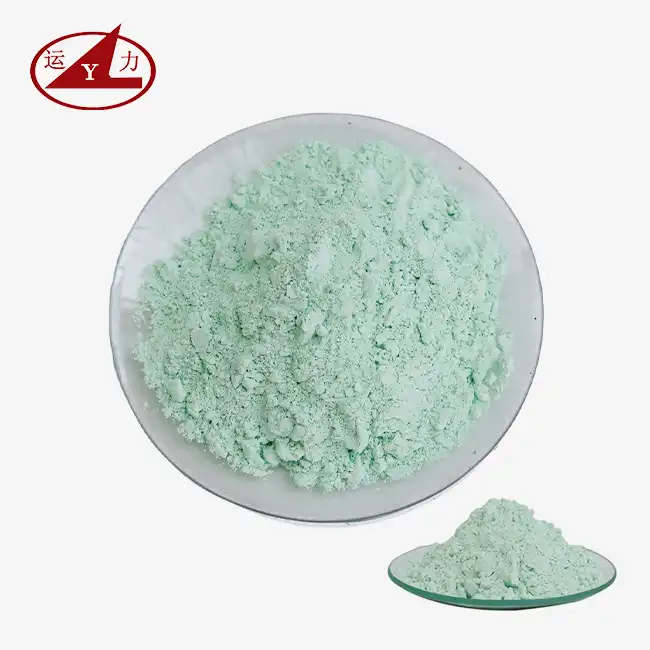
The chemical is a grass-green powdery crystal that has a molecular weight of 376.17. It can be mixed with ammonia, weak acids, and ammonium carbonate solutions, according to its solubility profile. When the material is exposed to mild hydrogen atmospheres, it breaks down into finely dispersed catalytically active metallic nickel. This feature is used in hydrogenation processes. When heated above 300°C, it breaks down into nickel oxide and carbon dioxide, which makes it a great starting material for oxide-based uses.
Primary Industrial Applications
The material is used in many areas that need careful control of nickel ions. In electroplating, it acts as a pH buffer in sulfamate nickel baths to keep anion buildup from happening, which would otherwise ruin the quality of the plating. Catalyst makers use it as a starting material for Raney nickel and supported hydrogenation catalysts. Because it is so pure, it doesn't harm when mixed with sulphur. It is used in the electronics industry to make thermistors and varistors. Nickel oxide nanostructures with consistent electrical properties are made through controlled decomposition. This compound is being used more and more in battery materials because it has few impurities and reliable heat conversion properties.

Advantages Over Alternative Nickel Compounds
The basic carbonate form of Nickel Carbonate adds nickel without adding any potentially harmful anions, unlike nickel sulphate or chloride. In closed-loop plating devices, where ionic balance decides the strength of the deposit, this property is very important. Nickel oxide dissolves slowly in organic acids, but the carbonate structure has faster reaction rates, which cuts down on the time needed for processing in the production of pharmaceutical intermediates. Because it doesn't contain any sulphur, it works better as a catalyst than nickel sulphate, which can harm active sites with trace sulphur.
How to Choose the Right Nickel Carbonate Supplier for Your Industry Needs
When choosing a manufacturing partner, you need to look at both their technical skills and their business terms. The choice affects not only the cost of materials, but also the security of production over time and compliance with regulations.
Certification and Quality Control Infrastructure
Suppliers you can trust keep their ISO 9001, ISO 14001, and OHSAS certifications, which show that they follow standard procedures for quality management and care for the environment. Modern lab tools, like ICP-MS and atomic absorption spectrometers, can check for small amounts of elements like iron (30ppm), sodium (50ppm), and sulphur (10ppm). Suppliers with Provincial-Level Enterprise Technology Center qualifications can do study to come up with unique formulations that meet the needs of a certain process.
Production Capacity and Supply Consistency
To find out if a business is financially stable, look at its yearly production levels and investments in fixed assets. Suppliers that have been in business for more than 20 years and make more than $150 million a year show that they can handle changes in the market. Ask about backup production lines and methods for getting raw materials. Diversified supply chains lower the risk of disruptions during times of global unrest or limited logistics.
Customization Capabilities for OEM Requirements
The best partners offer variable specs, such as pH ranges (6.5–8.5) that can be changed, particle size distributions (1–10 µm), and changes in bulk density (0.8–1.6g/cm³). High-purity grades (4N, ≥99.99% nickel content) are made on special lines just for the electronics and pharmaceutical industries, which have very strict limits on impurities. Customising the packaging, from 25 kg drums to ton-scale bulk bags, makes it easier to move things around in different kinds of facilities.
Logistics and Documentation Support
Timely arrival depends on how close the building is and how well you work with other shippers. Suppliers who handle their own exports cut out the middleman's delays and give clear lead times. Full paperwork packages with MSDS, COA, and REACH compliance certificates make it easier to get goods through customs and do safety checks inside the company. Look for suppliers who offer free samples of up to 500 grams. This way, you can check the quality without taking any risks before committing to buy in bulk.
Benefits of OEM Nickel Carbonate Supply Solutions for Industrial Efficiency
Custom manufacturing partnerships offer benefits that buying standard goods can't match. The problems that buying managers and production engineers have are directly fixed by these perks.
Precision Quality Control and Batch Consistency
As part of OEM deals, specs are set in stone and tolerances are kept very small. Cross-contamination from shared equipment can't happen with dedicated manufacturing runs. This is very important when making materials for sensitive catalyst applications. Using automated titration systems to monitor the process in real time makes sure that the nickel stoichiometry stays the same from batch to batch. Acid insolubility tests make sure that the material dissolves completely in plating baths without clogging the filters, which can happen with products that haven't been washed properly and still have sodium residues on them.
Cost Optimization Through Direct Manufacturing
With factory-direct buying, you don't have to pay markups to distributors, so the price per kilogram is 15–25% less than with selling companies. By not requiring a minimum order quantity, volume commitments protect preferred pricing structures while still allowing for flexibility. With custom solution concentrations, you don't need to keep dilution equipment on hand, which saves money on labour and building costs. When suppliers take on freight risks through DDP terms, they make budgeting easier by turning changeable logistics costs into set product costs.
Enhanced Technical Support and Process Integration
Technical teams with skills in coal and chemical engineering offer advice on how to add materials to processes that are already in place. They help improve dissolution rates in plating baths or change calcination temperatures for uses with catalyst precursors. Suppliers who run state technology centers can work together on research and development projects to create new grades for uses like next-generation battery cathodes. It has been possible for clients to replace expensive materials from other countries with similar ones made in the United States thanks to this joint method.
Supply Chain Resilience and Risk Mitigation
Long-term OEM contracts with delivery plans every three months keep production from stopping because of changes in the spot market. Suppliers who keep three months' worth of raw materials on hand as a safety net in case of supply shocks upstream. Environmental compliance infrastructure, such as nitrate wastewater treatment systems, keeps production going even though rules are getting stricter. Because of this, purchasing managers can arrange fixed yearly prices, which protect budgets from changes in the commodity market.
Best Practices in Handling, Storage, and Safety of Nickel Carbonate
Material management that is done right protects workers' health and keeps products' integrity throughout their entire lifecycle. Many worries come from wrong ideas about how harmful nickel compounds are, which science data helps to clear up.
Understanding Toxicity and Exposure Risks
Nickel Carbonate basic is on OSHA's list of hazards because it might make people more sensitive, not because it is immediately harmful. Fine particles can irritate the lungs when breathed in, and prolonged skin contact can cause allergic rashes in people who are already sensitive. According to the Safety Data Sheets, the material is subject to GHS standards, which means it needs to be labelled correctly and workers need to be trained. The Nickel Carbonate form of nickel is less bioavailable than soluble nickel salts, which lowers the risk of systemic absorption. Engineering controls, such as enclosed transfer systems and local exhaust airflow, keep airborne contact to a minimum while the goods are being handled.
Optimal Storage Conditions
Because this material absorbs water, it needs to be kept in settings that don't get too wet. To keep things from sticking and changing in moisture content, store covered containers in places where the relative humidity stays below 60%. Chemical traits stay the same for 24 months at temperatures stable between 15°C and 25°C. Keep strong acids and oxidising agents separate according to the rules for unsuitable materials. During warehouse storage, multi-layer packaging with polyethylene liners inside keeps out humidity in the air.
Spill Response and Waste Management
Small spills need to be contained with non-reactive absorbents and then moved to trash cans with labels. Lightly mist the area before sweeping to keep dust from flying around during cleanup. Larger releases require people who aren't protected to be evacuated and cleanup to be done by trained workers wearing NIOSH-approved respirators. The EPA has rules about how to handle hazardous garbage (D001–D002 listings apply in some areas), which means that trash must be thrown away in approved treatment sites. To meet local water quality standards, cleaning businesses must neutralise their waste water before releasing it into the environment.
Pricing Trends and Procurement Tips: How to Buy Nickel Carbonate Efficiently
Market changes and buying tactics have a big effect on the total cost of ownership, which is different from the price per kilogram. Knowing about these things helps you make smart buying decisions.
Market Pricing Influences
Nickel Carbonate prices are linked to nickel futures on the London Metal Exchange. Depending on the purity grade, they usually trade at 1.3 to 1.6 times the price of the base metal. Supply and demand imbalances in battery-grade materials cause periodic tightness, which makes premium grades more expensive than standard industrial formulations. Different parts of the world have different prices because of differences in tariffs and freight costs. For example, Asian suppliers may offer 10-15% lower FOB prices than European producers, but lead times will be longer by 4–6 weeks. Changes in the value of the dollar affect the cost of imports. During times of volatile exchange rates, long-term contracts with set dollar prices are better.
Bulk Purchasing Economics
With volume agreements, tiered pricing systems can be used. Orders of more than 50 tonnes per year often get 8–12% savings compared to spot orders. But when you buy in bulk, you have to weigh the cost of keeping the goods against the price saves. Find the point where you break even by weighing the savings on each unit against the costs of storage, insurance, and missed opportunities for capital. Cost savings can be found from suppliers who offer consignment inventory programs. These programs don't tie up working capital or warehouse space.
Supplier Selection Criteria
Site audits that check output skills and quality systems are a good way to weed out possible partners. Ask for reports of analysis from the most recent production batches. These should look at more than just the nickel level. They should also look at important impurities like copper (≤10ppm for plating uses) and zinc. Responding quickly to sample requests is a good way to judge responsiveness. Suppliers that ship within 48 hours show that they are operationally efficient. Check references from current customers in your business to make sure that promises about delivery reliability and expert help quality are true.
Quality Assurance and Logistics Coordination
In purchase agreements, include acceptance criteria such as EDTA complexometric titration methods for nickel assay and ICP-MS protocols for impurity screening. Set quality hold points in your shipping plans and give them 5 to 7 days to be inspected before they can be used in production. Coordinate the shipping terms. CIF terms are good for buyers who don't have any freight forwarding relationships, while FOB terms give buyers more control over which carriers they use and how they go.
The parts of lead time that you should talk about are getting the raw materials (2–3 weeks), planning the production (1-2 weeks), and shipping the goods internationally (3-6 weeks, based on the location). Keeping enough safety stock for four weeks keeps the queue from stopping when delays happen out of the blue.

Conclusion
Choosing the right Nickel Carbonate OEM source has a big impact on how well production runs, how well regulations are followed, and how cheap costs are. Because the material has special features, like buffering pH in electroplating and being used as a catalyst precursor, it needs to come from sources with a lot of technical know-how and strong quality systems. Partnerships with well-known makers that have ISO certifications, qualifications from provincial technology centers, and 20 years of experience in the field offer the security that buying managers look for.
Customisation options, infrastructure for environmental compliance, and factory-direct pricing models all add real value that goes beyond just buying goods. As industries demand higher levels of purity than standard grades, suppliers with advanced analysis tools and adaptable production systems become essential partners in achieving success in manufacturing.
FAQ
What purity levels are critical when purchasing nickel carbonate basic for catalyst manufacturing?
≥98% Nickel Carbonate is needed for catalyst applications, and sulphur (<10ppm) and sodium (<50ppm) levels must be strictly controlled. Too much sodium during calcination leads to sintering, while sulphur works as a poison that lowers catalytic activity. Ask for COA data that confirms these details through ICP-MS research.
How does nickel carbonate compare to nickel sulfate in electroplating applications?
Nickel Carbonate helps keep the pH level stable without adding sulphate anions, which build up in plating baths. This keeps stress from building up in the layers that are formed, which is especially important for precise PCB plating. Nickel sulphate is the main source of nickel ions, but Nickel Carbonate needs to be added to keep the bath's chemistry balanced.
What factors should purchasing managers evaluate when comparing nickel carbonate suppliers?
Put certifications (ISO 9001/14001/OHSAS), analytical tools (ICP-MS availability), customisation options (particle size/pH adjustability), and supply stability indicators (production capacity, raw material inventory levels) at the top of your list. To make sure the quality of your technical support, ask for customer references from people in your industry.
What is the typical shelf life and how should the material be stored?
When stored correctly, things stay fixed for 24 months. Keep sealed packages in temperature- and humidity-controlled places (15–25°C, <60% RH) to stop hygroscopic clumps. Use first-in, first-out (FIFO) stock movement and check older stock for changes in moisture content before putting it to use in production.
Partner With Yunli Chemical for Reliable Nickel Carbonate Supply
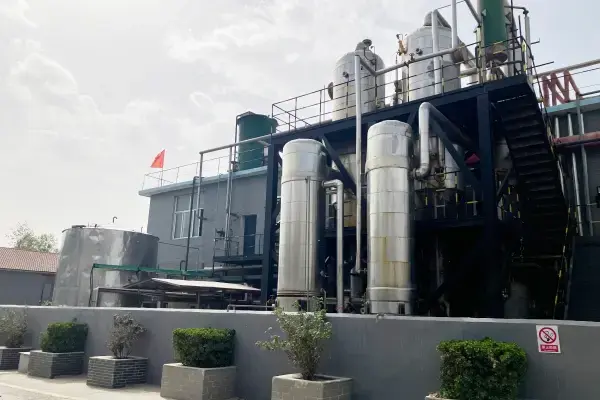
Yunli Chemical offers OEM Nickel Carbonate solutions that are backed by 20 years of excellent manufacturing and new ideas from the local technology center. Our ISO 9001/14001/OHSAS-certified factories in Shanxi Province make high-purity grades (≥98% Ni content) with very few impurities that meet the standards of the electronics and pharmaceutical industries. As a direct producer of Nickel Carbonate with annual sales of more than $150 million, we cut out the middleman and offer customisable specs, such as pH ranges that can be changed and particle distributions that can be made just the way you want them.
You can test the quality without taking any risks with free samples up to 500 grams, and you can order in any quantity you need, from small amounts for research and development to large amounts for production. Our infrastructure for environmental compliance makes sure that you always have access to our materials, and our dedicated technical support helps you get the most out of how they work with your processes. To talk about custom formulations, ask for certificates of analysis, or set up trial packages that show our dedication to quality and service, email our team at wangjuan202301@outlook.com or visit yunlichemical.com.
References
1. American Chemical Society. (2021). Industrial Applications of Nickel Compounds in Catalysis and Electroplating. ACS Publications, Washington, DC.
2. International Nickel Study Group. (2022). Global Nickel Compounds Market Analysis: Supply Chains and Procurement Strategies. INSG Annual Report, Lisbon, Portugal.
3. Smith, J.R., & Martinez, K.L. (2020). Quality Control Protocols for Specialty Inorganic Chemicals in Manufacturing. Journal of Chemical Engineering and Process Technology, 45(3), 112-128.
4. Occupational Safety and Health Administration. (2023). Safety Data Guidelines for Nickel Carbonate Handling and Storage. OSHA Technical Manual, Department of Labor, Washington, DC.
5. Zhang, H., & Chen, W. (2022). OEM Supply Chain Optimization in the Chemical Industry: A Comparative Study. International Journal of Production Economics, 238, 108-124.
6. European Chemicals Agency. (2021). REACH Compliance for Nickel Compounds: Registration and Safe Use Guidelines. ECHA Guidance Document, Helsinki, Finland.