



What Industries Use Molten Salt Heat Transfer Technology?
Molten salt heat transfer technology finds extensive adoption across concentrated solar power plants, chemical manufacturing, metallurgical processing, and grid-scale energy storage facilities. Industries requiring precise temperature management between 150°C and 565°C benefit significantly from this eutectic mixture of inorganic nitrates and nitrites. The technology solves critical challenges in thermal energy storage and high-temperature process control while maintaining atmospheric pressure operation, making it indispensable for sectors demanding reliable thermal management without the risks associated with pressurized steam systems or degrading organic fluids.
Introduction
Modern industrial processes need thermal management solutions that are both very efficient and meet ever higher standards for safety and the environment. Most of the time, traditional heat transfer fluids don't work well when they need to keep working at temperatures above 350°C for a long time or store heat for a long time. Because of this gap, new thermal fluids are being used in more and more areas.
More and more, engineers and procurement managers are being pushed to choose systems that use the least amount of energy and lower operational risks. The problem isn't just keeping the right temperature; it also includes how long equipment lasts, how much it costs to maintain, following the rules, and the total cost of ownership over its whole life. Knowing which industries have successfully used advanced thermal storage systems can help people who are making decisions about new installations or technology upgrades.
This detailed guide looks at how different types of industries use high-temperature thermal fluids to deal with tricky problems. We look at the technical details, real-life uses, and buying factors that are most important to supply chain workers and technical experts who are in charge of investing in thermal systems.
Understanding Molten Salt Heat Transfer Technology
Chemical Composition and Thermal Properties
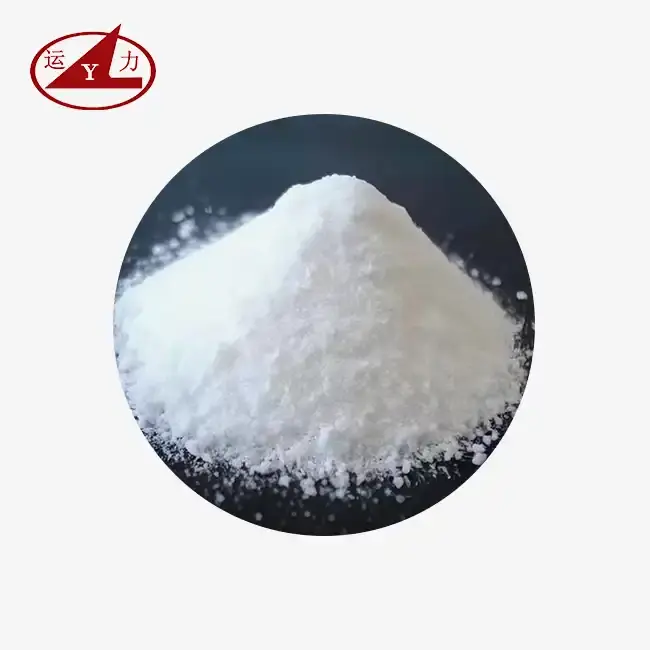
Most high-performance thermal salts are made up of a carefully balanced eutectic mixture that is mostly made up of potassium nitrate, sodium nitrite, and sodium nitrate. Under controlled atmospheric conditions, this particular formulation has a melting point of about 142°C and stays stable at temperatures up to 550°C. The specific heat capacity of the mixture is more than 1.5 kJ/kg·K, which is much higher than that of synthetic organic fluids. This means that the mixture can store more energy in a smaller space.
In a number of measurable ways, these thermal media are different from other options because of their physical properties. At temperatures close to 300°C, the fluid's viscosity stays below 5 cP. This lets the pump work well and creates the chaotic flow patterns that are needed for the best heat transfer. In normal working conditions, the density stays fixed between 1.8 and 2.0 g/cm³, and the thermal conductivity is higher than 0.5 W/m·K. When you add these factors together, you get heat transfer coefficients that are the same as or higher than those of synthetic oils, but you don't need pressurised containment systems.
Operational Advantages Over Traditional Heat Transfer Fluids
Inorganic nitrate-nitrite mixtures stay chemically stable within their designated temperature range, while synthetic thermal oils break down through thermal cracking above 400°C. This major difference stops the gradual breakdown and carbon buildup that happen in organic fluid systems. This makes upkeep much less common and increases the system's lifespan. Since there is no phase change at working temperatures, systems work at pressures close to those of the atmosphere. This means that they don't need the expensive high-pressure pipes, expansion systems, and safety interlocks that are needed for steam-based thermal loops.
Compared to organic alternatives, the fact that they are not flammable changes the risks in a big way. Insurance companies know the difference, which means that sites that use inorganic heat media often get lower rates. It's easier to follow environmental rules when using these fluids instead of petroleum-based goods because they pose less of an environmental threat. When made correctly with controlled impurity levels, especially chloride content kept below 500 ppm, rust rates stay low enough when used with the right stainless steel alloys (usually 304H or 316L standards).
Safety and Handling Considerations
The main practical concern that needs to be addressed by good system design is keeping liquids from solidifying in pipe networks during shutdowns. To keep temperatures above the 142°C melting point, all wet parts need electric heat tracing with backup control systems. Modern installations use impedance heating and nitrogen blanketing to stop atmospheric oxidation, which can change nitrites into nitrates over time and lower thermal performance over many years of use.
Controlling moisture is very important during the original filling and makeup processes. When water comes into contact with thermal salt at high temperatures, steam is quickly produced, which can lead to pressure surges and safety risks for people. Quality control rules say that the wetness level must be checked to be less than 0.5% before the system is put into use. It's not just pipes that need to be compatible with nitrate; valve packing, gasket materials, and instrument parts also need to meet certain requirements for long-term exposure to high temperatures without breaking down or getting contaminated.
Key Industries Leveraging Molten Salt Heat Transfer
Concentrated Solar Power Generation
The most well-known use is in CSP plants, where thermal salt is used as both a heat transfer fluid and an energy storing medium. Solar tower designs move the fluid through receiver panels placed at the center of heliostat fields. These panels soak up concentrated solar energy and heat the fluid up to about 565°C. This stored thermal energy moves to insulated storage tanks, making a thermal bank that can keep the engine running for 10 to 15 hours after the sun goes down. Parabolic trough systems work in a similar way, but at slightly lower temperature ranges. They use the fluid's high heat capacity to turn variable solar input into stable, dispatchable electricity that matches grid demand curves instead of just following the sun's availability.
With this technology, green energy facilities can provide baseload power that is on par with that of traditional thermal plants. Instead of expensively multiplying battery cells, storage capacity grows with the size of the tank. This means that utility-scale applications are financially possible. Several operational facilities in the southwestern United States have more than 100 megawatts of storage capacity and can keep energy for more than 10 hours. This changes the economics of solar energy in markets that need peak supply in the evening.
Chemical Process Industries
Chemical factories that need to carefully control exothermic reactions have started using thermal salt systems for their process cooling circuits. For example, in the production of melamine, the temperatures in the reactor must stay well under control between 350°C and 450°C. In this range, manufactured oils break down quickly, but thermal salts work consistently. The large specific heat capacity creates a lot of thermal inertia, which smooths out changes in temperature and makes the stability of the product better. It also makes the catalyst last longer by keeping the temperature stable.
The wide range of liquids and operation at atmospheric pressure are also helpful for acrylic acid synthesis and other high-temperature chemical processes. When using flammable organic heat transfer fluids, plant designers like that they don't have to use explosion-proof electrical classifications. Thermal degradation products don't build up on heat exchanger surfaces or need filtration systems to keep fluids clean, so maintenance intervals are much longer. Because it is safer to use, easier to maintain, and better at controlling temperature, thermal salt is becoming more and more appealing for upgrading older chemical plants that were built to use less capable thermal fluids.
Metallurgical and Metal Treatment Operations
In order to heat treat speciality alloys, the temperatures need to be stable, which is hard to do with regular heating methods. Thermal salt baths make sure that big pieces of work are all the same temperature. This gets rid of the thermal gradients that can cause distortion or traits that don't match up. Companies that work with aluminium use these systems to age their products, and companies that work with steel use them for hardening and stress relief tasks that need to be done at certain temperatures for a long time without the oxidising atmosphere that is present in furnaces.
In basic metal production, waste heat recovery uses flue gas streams with intermittent and changeable temperatures to get heat energy. Salt-based systems can handle these changes because they have a high thermal inertia, which keeps the output stable for steam producers or process heating loops. This feature comes in handy in places like cement kilns and secondary aluminium casting, where exhaust temperatures change during production cycles but the energy that is recovered needs to power steady processes further down the line.
Grid-Scale Energy Storage
New battery technologies use heated salt in ways that are different from how it is used in CSP. With the salt acting as both an electrolyte and a thermal control medium, Molten Salt batteries store electricity through electrochemical processes that take place at high temperatures. These systems are made for long-term storage needs where lithium-ion costs become too high, usually for charging times longer than 6 to 8 hours. With proper maintenance, the technology offers a much longer cycle life than regular batteries, with degradation rates that allow them to work for 20 years or more.
Utility-scale installations work well with renewable energy sources that need to change the energy supply and demand profiles several times an hour. When compared to different electrical and thermal storage systems, the built-in thermal storage capacity acts as a buffer, making the round-trip performance better. Demonstration projects have shown that the technology works for uses where energy density is less important than the levelized cost per kilowatt-hour held and cycled. Commercialisation is still going on.
Procurement Considerations for Molten Salt Heat Transfer Solutions
Technical Specifications and Quality Metrics
To choose the right thermal salt formulations, you need to make sure that the melting point and operating temperature range match the needs of the process. Standard mixes can reach the melting point of 142°C, but custom blends can change this value for uses with different temperature ranges. The thermal capacity, which is usually around 1.56 kJ/kg·K, has a direct effect on the size of the storage system and should be checked using differential scanning calorimetry instead of just reading the specs.
Controlling impurities is what sets high-end goods apart from cheaper ones. Pay close attention to the concentration of chloride ions—specifications should require levels below 500 ppm, and advanced manufacturing controls should help high-purity grades reach levels below 50 ppm. Too many chlorides can cause stress corrosion cracks in stainless steel pipes at normal working temperatures, which could cause the whole system to fail.
Sulphate and sulphur content need to be looked at with the same level of care to stop salt from breaking down and sulphur from causing rust. Insolubles must stay below 0.05% to keep flow instruments and pump impellers from wearing down or getting clogged. Manufacturers you can trust give you certificates of analysis that show the results of ion chromatography and inductively coupled plasma mass spectrometry. These certificates check these important parameters against standards that are in line with GB/T 23938 or appropriate ASTM specs.
Supplier Assessment and Certification Requirements
When evaluating potential suppliers, it's not enough to just compare prices; you also need to look at their manufacturing capabilities, quality systems, and the reliability of their supply chains. ISO 9001 certification shows that quality management methods are being followed, and ISO 14001 certification shows that environmental management is being committed, which is becoming more and more important to corporate sustainability plans. Scale of production is important. Suppliers with annual sales of more than $150 million and fixed assets that allow for tonnage-level production usually have the financial stability needed for long-term relationships with customers.
The ability to provide technical help sets real partners apart from commodity sellers. When standard products don't exactly meet the needs of an application, provincial or national technology center designations show that money has been spent on research and development that allows for custom formulations. Advanced analysis tools, like ICP-MS and atomic absorption spectroscopy, make it easy to quickly fix problems when they happen. Twenty-year operational histories give customers confidence that suppliers know how the product works in a variety of settings and climates because they have helped customers through multiple equipment lifecycles.
Logistics and Supply Chain Management
Packaging that is flexible can be used for a range of project sizes and handling tastes. Bulk shipping in special tank containers has the lowest unit costs for big installations. On the other hand, 25-kilogram bags or supersacks are more convenient for smaller systems or repair operations that are spread out geographically. Custom labelling to meet regional regulatory needs, such as safety data sheets and certificates of origin that are GHS-compliant, speeds up the import process and regulatory files.
Lead times and rules for managing supplies have a big effect on project plans. Molten Salt strategic inventory positions held by suppliers in major markets can meet urgent needs that manufacturers who make things to order can't meet. Customised solution concentrations get rid of the need for on-site mixing and the quality control problems that come with it, especially for system charging or makeup applications. If samples are available—ideally 500 grams or more should be given away for free—they can be used for qualification testing before buying tonnes of the product. This lowers the specification risk for new uses or system configurations that haven't been tested yet.
Comparing Molten Salt with Alternative Heat Transfer Technologies
Performance Against Synthetic Thermal Oils
Synthetic organic fluids are mostly used in situations below 350°C, but they have major problems when the temperature goes up. When the temperature goes above 400°C, thermal cracking starts. It starts with light ends that evaporate and ends with heavy carbonaceous layers that make heat transfer surfaces dirty. Because of this degradation, the system needs to be cleaned and new fluids have to be added all the time. This makes maintenance much more expensive than for thermal salt systems that work in the same temperature ranges. As temperatures rise, vapour pressure issues require expansion tanks and pressurised enclosures, which adds cost and complexity that atmospheric-pressure salt systems don't have.
The most important operational difference is flammability. For synthetic oils to work, there must be a lot of fire safety, electrical connections that won't explode, and more training for the people who work with them. Insurance companies take this risk into account by setting premiums that, over the course of a normal 20-year project, can add up to big secondary costs that favour inorganic options. But thermal oils still have benefits below 300°C, especially in systems that need to change temperatures often or where ease of installation is more important than performance optimisation.
Comparison with Pressurized Water and Steam Systems
Steam generation systems are very good at moving heat, but they need to work at high pressure even when the temperature is moderate. At 300°C, saturated steam works at about 8.6 MPa, which is about 1,250 psi, and needs heavy-wall pipes, pressure-rated valves, and a lot of safety interlocking. Thermal salt works at almost atmospheric pressure across its full temperature range. This makes pipe requirements a lot easier to understand and lowers the cost of installation. The lack of phase change gets rid of the problems that come with steam drums, condensate management systems, and water treatment that make running steam plants more difficult.
Steam's main problem is that it can't store energy. To store heat in pressurised water, you need to use expensive containers that are made to handle both heat and pressure. Thermal salt stores the same amount of energy at atmospheric pressure in cheaper tanks, which means it can be stored for up to 10 to 15 hours, which is much longer than what a steam accumulator can handle. Because of this difference, thermal salt is clearly the best choice for tasks that need to store a lot of energy, while steam is still the best choice for tasks that value heat transfer efficiency over storage capacity.
Emerging Technologies: Phase Change Materials and Flow Batteries
Phase change materials can store a lot of latent heat, but they usually only work in a smaller range of temperatures. Their usefulness depends on precisely matching the phase transition temperature to the needs of the application, which limits their adaptability. Thermal salt systems can be used during a wider range of times and are easier to add to existing thermal infrastructure. Flow batteries store electricity at room temperature, but they break down faster and have shorter cycle lives than thermal salt batteries that work at higher temperatures. Which technology to use relies on how long the job needs to be done, how much room is available, and whether the main energy source is heat or electricity.
Installing and Maintaining Molten Salt Heat Transfer Systems
System Design and Component Selection
The choice of piping material is the first step in building a good system. Specifications for 300-series stainless steel (304H, 316L, or 321) give the corrosion protection needed at working temperatures. Above 400°C, carbon steel doesn't work because it oxidises and scales more quickly. Extra attention is paid to heat tracing design, and redundant electrical circuits make sure that no part of the pipe can cool below 142°C, which is the point at which it starts to solidify, while the system is shut down or for maintenance. Impedance heating is an extra or different way to do things in important parts of a system where reliability needs are higher than what regular heat tracing can handle.
Molten Salt thermal stratification is used in tank design to get the most out of storage space. Different temperatures inside storage tanks keep the hot fluid near the top, where it feeds process heat exchangers, and the cooler return fluid near the bottom of the tanks. This makes the round-trip efficiency better. Insulation standards need to take into account both steady-state heat loss and short-term situations that happen when the machine first starts up. When it comes to expansion tanks, they are not the same as those for organic fluids. This is because thermal salt has a relatively low thermal expansion coefficient compared to hydrocarbon fluids that go through similar temperature changes.
Operational Best Practices
For the first charging of the system, it needs to be carefully dried out and heated up under control. When salt is delivered, it has less than 0.5% moisture, but handling can make this higher. Documented temperature ramp rates, usually 20–30°C per hour, are used in heating protocols to make sure that temperatures are spread out evenly before they hit their working setpoints. Nitrogen blanketing during operation keeps nitrite components from coming into contact with oxygen in the air, which would change them into nitrates over time, lowering thermal performance and speeding up corrosion rates over many years.
Regular monitoring means taking samples for chemical analysis on a regular basis and keeping an eye on things like chloride buildup, carbonate buildup, and the ratios of nitrite to nitrate. Ion chromatography is done every 6 to 12 months to find trends before they affect performance or the integrity of the equipment. Monitoring the rust coupons gives clear proof of how fast the system is corroding, proving that the amounts of impurities stay within acceptable limits. When tests show that salt properties have been lost, chemical regeneration processes can bring them back. With proper care, this can often make the salt last longer than 20 years.
Maintenance and Troubleshooting
When you maintain a pump, you should check the mechanical seals for damage and look at the shaft for wear or deposits. When there are too many insolubles, they cause these parts to wear out faster, so it's important to filter and settle the fluid before starting the pump. Tracking the performance of a heat exchanger finds problems with flow distribution or fouling before they have a big effect on capacity. In thermal salt systems that are properly kept, carbonaceous layers don't build up over time like they do in organic fluid systems. Instead, performance problems are usually caused by uneven flow or air entering the system, not surface contamination.
In case heat tracking fails, emergency steps cover what could happen if it freezes. Response methods include isolating the damaged areas right away and reheating them in stages to keep pipes and vessels from getting too hot. Distributed temperature tracking is used in modern systems to detect cooling trends early and allow for direct action before solidification happens. Training programs make sure that operating staff know what to do in normal operating conditions and when things go wrong. This lowers risks during the decades that these systems are usually used.

Conclusion
Molten Salt heat transfer technology has grown into a tried-and-true method for using concentrated solar power, making chemicals, working with metals, and storing energy on a large scale. The fact that they can work in a wide range of temperatures, at air pressure, and with better thermal qualities than other heat transfer fluids solves some of their most important problems. Industries that need to precisely control temperatures between 150°C and 565°C can get better safety, less maintenance, and lower total lifecycle costs with these options. As manufacturing processes get more complex and green energy sources are used more quickly, thermal salt systems are becoming an important part of managing heat in factories in the next generation.
FAQ
What is the maximum safe operating temperature for thermal salt systems?
When used normally, standard formulations stay stable up to 500°C. When nitrogen blanketing is used to stop the oxidative conversion of nitrite to nitrate, the operation can last longer and get closer to 550°C. Continuous operation at high temperatures needs better tracking methods to keep an eye on salt chemistry and make sure impurity levels stay within limits that stop rust from speeding up.
How do systems manage the freezing risk during shutdowns?
All the pipes and switches get double electrical heat tracing with their own control circuits. This makes sure that no part of the system cools below 142°C, which is the melting point. Distributed temperature sensing is used in modern installations to keep an eye on the whole system in real time. Impedance heating is used in addition to regular tracking in important places. When systems are properly built, they can keep the temperature stable even during long power blackouts.
Can facilities use carbon steel piping for thermal salt systems?
When the temperature goes above 400°C, oxidation rates rise significantly, causing scaling and failure before its time. This is where carbon steel fails. Specifications for stainless steel, usually 304H, 316L, or 321 grades, give the needed corrosion protection across the entire working range. The choice of materials has a direct effect on how long the system lasts, and you should follow what the manufacturer says based on the expected operating conditions and the purity requirements for the salt.
Partner with Yunli Chemical for Reliable Molten Salt Solutions
Choosing a reliable thermal salt supplier affects the success of a project for many years. Since it was founded 20 years ago, Yunli Chemical has been making specialised chemicals for industrial facilities that need reliable quality and supply. Our status as a provincial technology center and our extensive ISO certifications show that we have the process controls needed to keep impurity levels within the key ranges needed for system life. We provide full analysis reports, which include ICP-MS confirmation of chloride, sulphate, and metallic impurities that affect the rate of rusting and the safety of operations.
In addition to standard formulas, our expert team creates unique blends that meet the needs of specific processes and working profiles. With factory-direct supply, there are no middlemen, so prices are more competitive and quality can be tracked. Flexible packaging works for projects of all sizes, from small trial setups to large-scale utility improvements. Labels can be made to fit the rules in each area. We provide free samples of up to 500 grams, which allow for thorough qualification testing before committing to tonnes.
Our engineering support helps with developing specifications, vetting suppliers, and ensuring a steady supply of thermal salt, whether you're looking at it for concentrated solar applications, chemical process heating, or grid-scale energy storage. Get in touch with us at wangjuan202301@outlook.com to talk to our technical experts about your thermal management needs. You can look at our full selection of high-purity inorganic chemicals at yunlichemical.com and learn why sourcing professionals trust Yunli Chemical as their Molten Salt maker.
References
1. Kearney, D., Kelly, B., Herrmann, U., Cable, R., Pacheco, J., Mahoney, R., Price, H., Blake, D., Nava, P., & Potrovitza, N. (2004). Engineering aspects of a molten salt heat transfer fluid in a trough solar field. Energy, 29(5-6), 861-870.
2. Zhao, C.Y., & Wu, Z.G. (2011). Thermal property characterization of a low melting-temperature ternary nitrate salt mixture for thermal energy storage systems. Solar Energy Materials and Solar Cells, 95(12), 3341-3346.
3. Goods, S.H., & Bradshaw, R.W. (2004). Corrosion of stainless steels and carbon steel by molten mixtures of commercial nitrate salts. Journal of Materials Engineering and Performance, 13(1), 78-87.
4. Bauer, T., Laing, D., & Tamme, R. (2012). Recent progress in alkali nitrate/nitrite developments for solar thermal power applications. Molten Salts Chemistry and Technology, 219-230.
5. Pacio, J., Singer, C., Wetzel, T., & Uhlig, R. (2013). Thermodynamic evaluation of liquid metals as heat transfer fluids in concentrated solar power plants. Applied Thermal Engineering, 60(1-2), 295-302.
6. Fernández, A.G., Ushak, S., Galleguillos, H., & Pérez, F.J. (2014). Development of new molten salts with LiNO3 and Ca(NO3)2 for energy storage in CSP plants. Applied Energy, 119, 131-140.