





Nickel Nitrate Hexahydrate Crystallization Process Optimization Guide
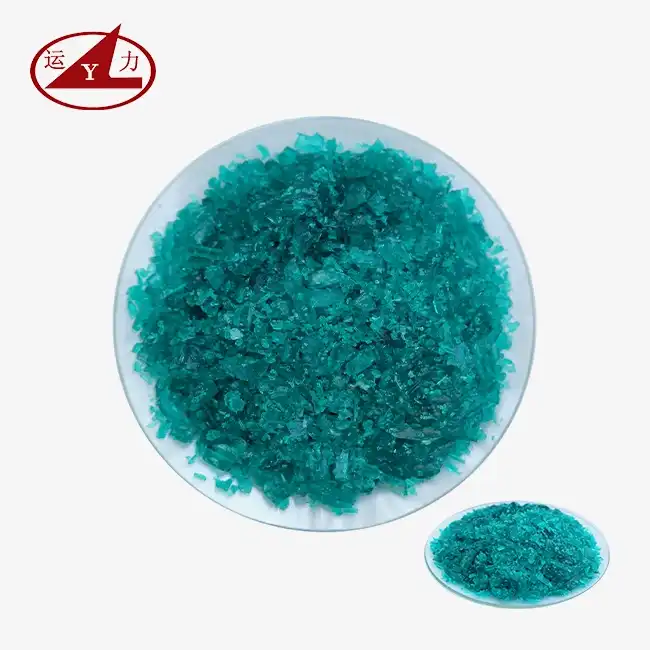
Improving the crystallization of Nickel Nitrate Hexahydrate (CAS# 13478-00-7) has a direct effect on the quality of the product, the amount that can be made, and how much it costs to run operations in electroplating, catalyst synthesis, and battery production. This nickel salt has the molecular formula Ni(NO₃)₂·6H₂O and a molecular weight of 290.81. Its bright green crystals are hygroscopic, which means they need to be handled carefully. It's important to carefully control supersaturation, temperature gradients, and nucleation dynamics in order to get uniform crystal shape, purity levels above 98.5%, and controlled particle distribution. Understanding the basics of crystallization helps purchasing managers and technical engineers judge the skills of potential suppliers, cut down on production problems caused by impurities, and build long-term relationships with manufacturers who show strict process control and quality standards compliance.
Understanding Nickel Nitrate Hexahydrate Crystallization
Crystallization is the controlled cooling and precipitation process that turns dissolved nickel nitrate into solid hexahydrate crystals. The compound's physical properties have a big effect on this process. It has a specific density of 2.05, a freezing point of 56.7°C, and a very high water solubility (over 238 g/100 mL at 0°C). These properties create both chances and problems during production. The substance easily takes in water from the air around it and can melt in damp places, which makes it harder to store and handle.
Key Physical and Chemical Characteristics Affecting Crystallization
In its hexahydrate form, there are six water molecules bonded to each nickel ion. This makes a stable crystal structure when conditions are controlled. This structure gradually loses water molecules when it comes into contact with dry air or high temperatures. Around 80°C, it changes into tetrahydrate, and at 100°C, it becomes anhydrous nickel nitrate. During crystallization, these phase changes need to be carefully controlled to avoid dehydration or compositional shift that isn't planned. Because water solutions are acidic (pH usually 3.5–4.5) and oxidizing (UN 2725, Class 5.1 oxidizer), they need equipment that doesn't rust and strict safety rules during processing.
Common Challenges in Industrial Crystallization
Manufacturing mistakes often happen because of bad control of supersaturation, which causes crystal sizes that aren't uniform, ranging from fine powders to big clumps. This kind of variation makes it hard to use the particles in later steps. For example, electroplating baths need particles with regular breakdown rates, and making catalysts needs particles with specific surface areas that can only be achieved by particles with consistent morphology. Another very important issue is the buildup of impurities. Trace metals such as iron (target <30 ppm), copper (<5 ppm), and sodium (<50 ppm) can harm catalytic activity or battery electrode performance. When a process is scaled up from the lab to production levels, it is common for thermal gradients and poor mixing to happen, which makes these quality problems worse.
Assessing Current Crystallization Performance and Identifying Bottlenecks
Setting standard measures for current processes of Nickel Nitrate Hexahydrate production is the first step in evaluating them. These include crystallization yield (goal >90%), product purity, crystal size distribution (measured by laser diffraction), and specific energy consumption per kilogram generated. Systematic data collection through process flow mapping shows where material is lost, whether it's because of inadequate moisture, poor filter, or drying conditions that aren't up to par. Statistical process control charts show changes over time that could mean that equipment isn't working right or that the quality of the raw materials is changing.
Diagnostic Tools and Performance Metrics
Advanced analytical methods give us more information about how well crystallization works. X-ray diffraction checks for unwanted polymorphs and confirms the purity of the crystal phase. Scanning electron microscopy finds surface flaws and morphological irregularities. By using ICP-MS or atomic absorption spectroscopy to measure the makeup of the mother liquor, one can find out how much nickel is recovered and how impurities are split between the solid and liquid stages. When energy audits compare the ideal minimum evaporation needs to real consumption, they show where heating, cooling and vacuum systems aren't working as well as they could.
Typical Production Bottlenecks
Limiting factors often include cooling profiles that aren't as good as they could be. For example, lowering the temperature too quickly can cause spontaneous nucleation, which makes too many fine crystals that are hard to filter and have a lot of water on their surfaces. On the other hand, slow cooling makes batch times longer and throughput capacity lower. Concentration gradients are caused by not stirring enough, which leads to localized supersaturation and uncontrolled crystal growth.
Filtration and washing steps don't always get rid of opaque mother liquor, leaving behind impurities that make later processes less effective. By finding these bottlenecks, procurement teams can check to see if possible suppliers have the infrastructure and technology know-how to watch the process and produce quality products every time.
Principles and Strategies for Optimizing Crystallization
To get the best crystallization results, you need to find the right balance between thermodynamic driving forces and kinetic control mechanisms. The main force that moves things along is supersaturation, which is the difference in concentration between the dissolved liquid and equilibrium saturation. Keeping moderate supersaturation levels (1.1 to 1.3 times saturation) encourages steady crystal growth while reducing spontaneous nucleation, which creates too many fines. It is very important to keep an eye on the temperature because Nickel Nitrate Hexahydrate solubility drops a lot when it cools down, from about 238 g/100 mL at 0°C to lower values at room temperature.
Critical Process Parameters and Their Optimization
Programming the temperature uses either linear or stepped cooling profiles that are based on the concentration of the solution. Controlled cooling rates of 0.2 to 0.5°C per minute keep output and crystal quality in balance. Changing the content of the solution by letting some of it evaporate before cooling makes supersaturation work better and cuts down on the amount of liquid that needs to be removed during drying. Optimizing the agitation speed—usually 100–200 rpm for industrial crystallizers—makes sure that the temperature is spread evenly, stops the crystals from settling, and keeps the crystals from breaking due to too much shear force.
Seeding methods give you exact control over the end properties of the particles. Adding 0.5 to 2% by weight of size-classified seed crystals at the start of supersaturation creates nucleation sites that grow instead of making new nuclei. This method narrows the range of particle sizes and raises the median crystal size, which speeds up the filtration process and cuts down on the drying time. Standardized methods must be strictly followed across all production batches to keep seed quality and addition timing uniform.
Process Standardization and Reproducibility
Setting up written standard operating procedures for each step of the crystallization process—including preparing the solution, heating and cooling profiles, agitation settings, sowing methods, and figuring out the endpoint—is the first step toward quality that can be repeated. Automated control systems that carry out these steps get rid of the need for human error and create audit trails that show process compliance. Calibration of temperature sensors, flow meters, and analytical instruments on a regular basis is needed to keep measurement accuracy high, which is important for optimizing processes. Procurement experts can be sure of a steady supply in the long term when manufacturers show they have these skills.
Advanced Techniques and Innovations in Crystallization Optimization
Programmable logic controllers and distributed control systems are being used more and more in modern crystallization facilities. These systems allow real-time process adjustments based on continuous monitoring. Process Analytical Technology uses in-line devices to measure the content of the solution, the spread of temperature, and the changes in particle size as the crystallization process goes on. These readings are sent to feedback control algorithms, which change the rate of cooling or the speed of motion to keep the goal conditions, even if the raw materials change or the equipment moves.
Continuous Crystallization Systems
For high-volume production, switching from batch crystallization to continuous crystallization has big operational benefits. Mixed-suspension mixed-product-removal crystallizers keep the steady-state supersaturation level high by constantly adding hot, concentrated solution and slowly taking out crystal slurry. This method gets rid of differences from batch to batch, lowers the equipment footprint by increasing space-time yields, and makes it easier to connect upstream dissolution and downstream processing. Strong process control is needed for continuous operation, but it pays off with lower labor costs and better energy economy.
Environmental and Energy Efficiency Considerations
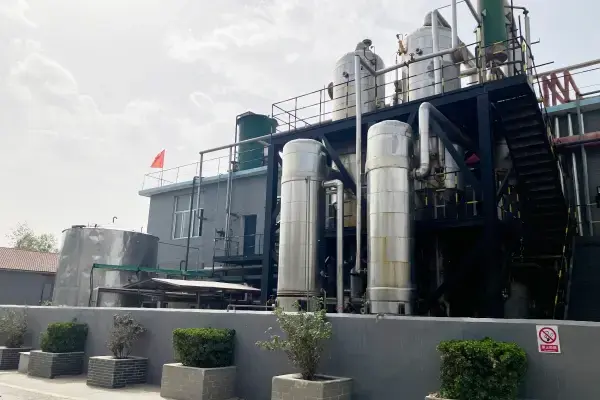
Concerns about sustainability drive new ideas in crystallization processes. Heat recovery devices take energy from hot mother liquor and crystallization exotherms and use it to warm up new solutions or heat the building. Closed-loop solvent systems recycle filtered mother liquor back to the dissolving stages after ion exchange or selective precipitation removes impurities. This reduces the amount of trash that is made. By lowering boiling points, vacuum crystallization at low pressures lowers the amount of energy needed, which is especially helpful when working with heat-sensitive materials. These changes to the environment are in line with buying priorities that stress suppliers following emissions rules and the company's green goals.
Practical Considerations for Procurement and Partnership
Comparing prices isn't the only way to find reliable Nickel Nitrate Hexahydrate suppliers. You should also look at their manufacturing capabilities, quality assurance infrastructure, and ability to work together. Suppliers with ISO 9001 quality management, ISO 14001 environmental systems, and OHSAS workplace safety standards-certified sites show that their companies are dedicated to following rules and following consistent processes. When a business is named a provincial or national technology center, it means that a lot of money is being spent on research and development to support process innovation and customization.

Evaluating Supplier Technical Capabilities
On-site quality labs with ICP-MS, atomic absorption spectroscopy, and particle characterization tools allow for quick testing of batches and fixing of problems. Suppliers who give proof of analysis paperwork that lists trace impurity levels, crystal size distributions, and moisture contents make the process of application-specific quality testing more clear. Multiple product grades—standard industrial 98.5% purity, catalyst-grade 99.5% purity, or ultra-high-purity 99.99% electronic grades—show that the manufacturing process is flexible enough to meet the needs of a wide range of customers.
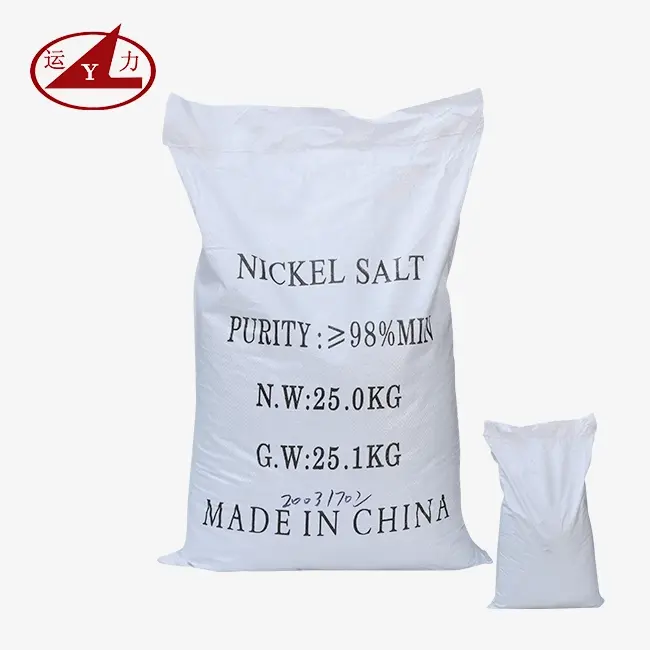
Supply reliability is directly affected by how much can be produced and how it is managed. When manufacturers keep safety stock buffer supplies, they can avoid problems caused by equipment upkeep or delays in getting raw materials. Customers can easily handle the products because they come in a variety of flexible packing choices, such as 25 kg PE bags, bulk cases, or custom aqueous solutions at certain amounts. Direct factory supply, which cuts out distributors as middlemen, often saves money and speeds up technical communication.
Building Strategic Partnerships
Clear communication about specification needs, application problems, and quality feedback is key to building long-term relationships with suppliers. Suppliers who are ready to change the crystallization settings, such as changing the distribution of crystal sizes or lowering certain impurities below standard levels, show customer-focused flexibility that is useful for specialized uses. Technical support services, such as application advice, technical help, and suggestions for improving processes, make partnerships stronger in ways other than just buying things. Giving away free samples of up to 500 grams lets people test the product thoroughly before committing to large amounts. This lowers the risk of qualification issues and speeds up the seller approval process.
Conclusion
Improving the crystallization of Nickel Nitrate Hexahydrate changes the costs of raw materials and the performance of products in many different industries. When purchasing workers look at different suppliers, it's helpful to know about the basics of crystallization, like how to control supersaturation, manage temperature, and understand nucleation dynamics. This lets them make smart decisions about the suppliers' manufacturing skills and quality standards. Leading makers that can support strategic relationships have advanced process control technologies, infrastructure that meets environmental standards, and the ability to make changes quickly and easily. Tough quality control systems that provide detailed analytical documentation and quick technical support lower the risks in the supply chain and allow for ongoing process improvement projects that help both customers and suppliers.
FAQ
Q1: What factors most significantly affect nickel nitrate crystal purity?
A: The quality of the raw materials is the most important factor; flaws in the nickel compounds or nitric acid used at the beginning directly affect the crystallized result. Secondary impurities are introduced when equipment rusts or is exposed to the air. Crystallization kinetics affect purity by controlling the rate at which impurities are added; slow, controlled crystal growth helps mother liquor reject foreign ions, while fast crystallization traps impurities within crystal lattices. Effective washing procedures during filtering get rid of mother liquor that sticks to the top and contains dissolved impurities.
Q2: How does crystallization optimization reduce production costs?
A: Full nickel recovery increases yield and reduces waste of raw materials, which saves a lot of money over time. Optimized crystal morphology improves filter rates and cuts down on drying times, which lowers energy use and raises the output of equipment. Consistent particle characteristics get rid of the need for reprocessing off-spec material, which saves money and lowers the rate of quality control rejections. By automating a process, less work is needed and there is less variation caused by operators.
Q3: Which certifications should buyers verify when qualifying suppliers?
A: Getting ISO 9001 approval shows that you follow structured quality management practices that make sure processes are always the same. The ISO 14001 environmental certification proves that trash is properly handled and fumes are controlled, which protects companies from legal problems. Material safety data sheets and certificates of analysis make sure that the quality standards, purity requirements, and classification of hazards are met for each run. Depending on the intended use, different types of certifications may be needed, such as RoHS compliance for electronics or GMP documentation for pharmaceutical intermediates.
Partner with Yunli Chemical for Superior Nickel Nitrate Hexahydrate Supply
Yunli Chemical has more than 20 years of experience making nitrates and can meet the needs of demanding industry uses that need products that are very pure and consistent. Our enterprise technology center at the provincial level creates custom crystallization protocols that deliver ultra-low trace metals, with sodium levels below 50 ppm and iron levels below 30 ppm. These meet the strict needs of precision electroplating, catalyst manufacturing, and battery materials. As a well-known supplier of Nickel Nitrate Hexahydrate with annual sales of more than RMB 1 billion and full ISO certifications, we offer the supply reliability and technical partnership that big manufacturers need.
We make buying easier by supplying directly from the factory, offering a variety of packaging options, and creating custom water-based solutions with specific concentrations. Our high-tech lab with ICP-MS and atomic absorption spectroscopy makes sure that every batch meets all of your exact requirements before it is shipped. You can email our technical team at wangjuan202301@outlook.com to talk about how to improve crystallization or to ask for free samples of up to 500 grams to test in your application.
References
1. Mullin, J.W. (2001). Crystallization, 4th Edition. Butterworth-Heinemann, Oxford.
2. Myerson, A.S. (2002). Handbook of Industrial Crystallization, 2nd Edition. Butterworth-Heinemann, Boston.
3. Tavare, N.S. (1995). Industrial Crystallization: Process Simulation Analysis and Design. Plenum Press, New York.
4. Mersmann, A. (2001). Crystallization Technology Handbook, 2nd Edition. Marcel Dekker, New York.
5. Paul, E.L., Atiemo-Obeng, V.A., Kresta, S.M. (2004). Handbook of Industrial Mixing: Science and Practice. Wiley-Interscience, Hoboken.
6. Beckmann, W. (2013). Crystallization: Basic Concepts and Industrial Applications. Wiley-VCH, Weinheim.







