


Nickel nitrate hexahydrate is an important chemical in modern electroplating. It provides great sources of nickel ions, which make the surfaces of a wide range of products smoother and shinier. If you are a buying professional, technical expert, or supply chain manager who needs chemicals you can count on for electroplating, this complete guide covers all of your most important questions. Knowing the strategic value of this chemical helps businesses improve their work on surface treatments on the whole while keeping up with strict quality standards and the rules they have to follow.

Understanding Nickel Nitrate Hexahydrate: Properties and Safety Essentials
Chemical Composition and Physical Characteristics
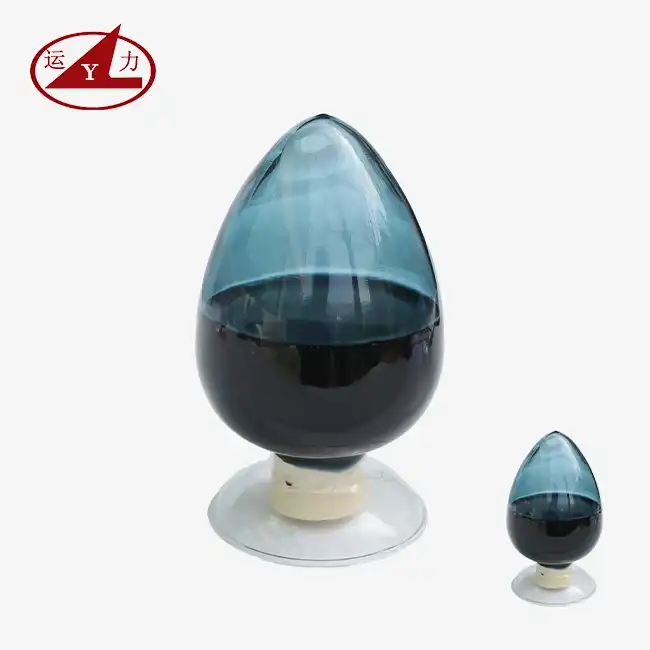
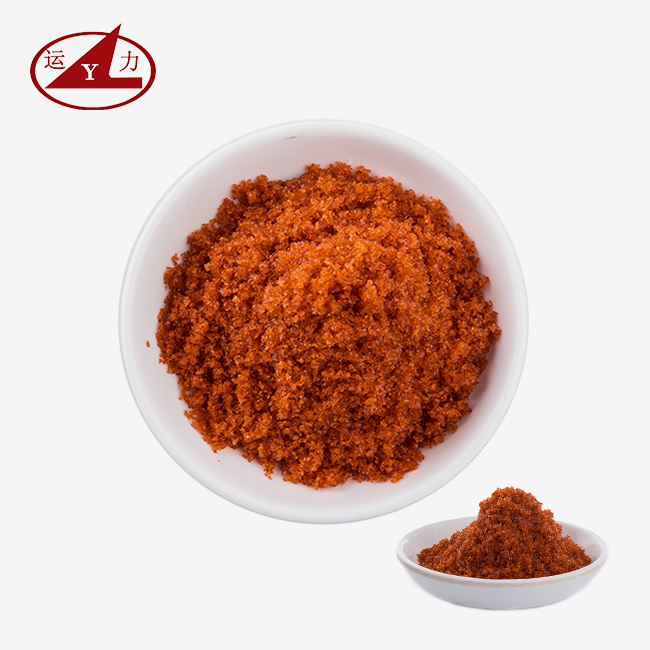
Nickel nitrate hexahydrate is a solid substance that dissolves very easily. It has a CAS number of 13478-00-7 and a molecular weight of 290.81. The substance looks like unique green crystals that easily soak up water from the air around them. If the crystals are in a place where no moisture is present, though, they will break apart. It is very good for water electroplating uses because its specific density is 2.05 and its freezing point is 56.7°C.
The chemical has great water solubility, over 100g per 100ml at room temperature, which makes it easy to dissolve quickly in plate baths. Other than water, it dissolves fairly well in alcohol and only a little bit in acetone, which makes it easier to use in different formulations. The resulting water-based liquids stay acidic, which helps the substance work better in electrolytic processes.
Critical Safety Considerations
Nickel nitrate hexahydrate is especially dangerous and requires careful handling that safety experts need to be aware of. When this substance comes into contact with organic materials, it can catch fire because of its burning qualities. This means that when you store it, you need to make sure that it does not touch anything organic. Also, because it is poisonous when eaten, it needs to be handled carefully and plans for quick action in case of emergency must be made.
As the material breaks down into tetrahydrate form by losing four molecules of water, temperature stability becomes very important during storage and use. The material finally turns into dry salt at 100°C. This temperature behavior has an effect on how and where things are stored during electroplating activities.
Why Nickel Nitrate Hexahydrate is Preferred in Electroplating Applications?
Superior Electrochemical Performance
Nickel nitrate hexahydrate is useful to the electroplating business because it can both give nickel ions to other substances and act as a mild oxidation agent. This mix makes it easier for the covering to stick, boosts resistance to rust, and helps with even metal casting in all shapes. Because the substance is very soluble, it keeps consistent nickel ion levels during long plating processes and avoids common problems with getting the bath ready.
Comparing this nickel salt to other ones shows that it has unique benefits. Nickel sulfate is better for the wallet, but nickel nitrate is better for the bath and is less likely to get dirty. In the same way, nickel nitrate is a better choice for sensitive material uses because it doesn't have the rust problems that nickel chloride does.
Versatile Industrial Applications
Today’s electroplating plants use nickel nitrate hexahydrate in a number of different ways. One traditional use of this compound is in chrome plating for decoration. In this case, the compound helps the ornamental layers stick to the base better. Nickel nitrate-based methods make wear resistance and physical stability better in industrial parts.
The compound's importance is growing and can be seen in new uses in battery technology and electronics materials. Specialized high-purity grades make it possible to produce electrodes with a lot of accuracy, and specialized formulas help with advanced ceramic painting. The strategic value of keeping trusted nickel nitrate sources is strengthened by these different uses.
Procurement Insights: Selecting and Buying Nickel Nitrate Hexahydrate
Quality Grade Evaluation
Procurement choices must take into account how pure the materials need to be for different uses. Technical grade materials usually have 98.5% active content, which works well for electroplating in general. But making catalysts and precise tools requires higher levels of purity. Some sources give 99.5% types with very low impurity levels.
The amount of iron is an important standard because it can hurt the coating bath performance if it has more than 30ppm of iron. In the same way, the sodium level should stay below 50 ppm so that it doesn't mess up the electrolytic processes. Advanced uses might need even tighter limits, with less than 5 ppm of copper and less than 2 ppm of lead.
Supply Chain Considerations
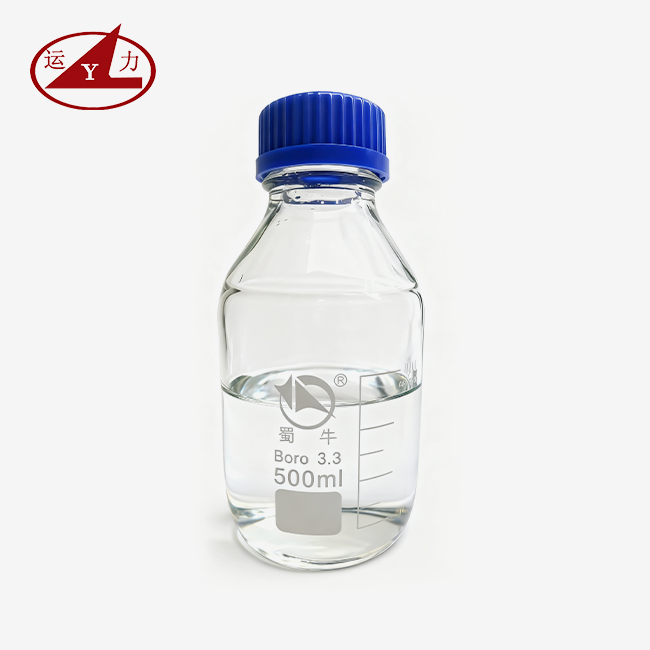
Good buying methods deal with rules about packing and shipping. Standard packaging in 25 kg plastic bags works for most facilities. On the other hand, bulk liquid solutions skip the dissolving steps and lower the cost of handling. Special wrapping can help with certain ways of storing and using the product.
Because of international shipping rules, nickel nitrate hexahydrate is considered an oxidant class 5.1 item under UN 1477. This means it needs special treatment and paperwork. Trustworthy vendors give detailed safety data sheets, certificates of analysis, and paperwork showing that they follow the rules in different places around the world.
Best Practices for Storage, Handling, and Usage in Electroplating Facilities
Optimal Storage Conditions
To keep the product integrity, the compound's hygroscopic quality must be taken into account when storing it in a controlled setting. To keep wetness from building up, facilities should keep the relative humidity below 50% and make sure there is enough air flow. Keeping the temperature between 15 and 25 °C protects the structure of the crystals and stops them from breaking down too soon.
As long as you keep them away from organic materials and chemicals that don't mix well, you can avoid dangerous reactions and extend their shelf life. Using materials that fight wetness to properly seal the container guards against environmental damage. Regularly rotating your collection makes sure that you use new materials and don't let the quality go down over time.
Safe Handling Protocols
Chemical-resistant gloves, safety shields, and the right kind of breathing protection are all part of the full protective gear that workers must wear when they handle dusty materials to stay safe. People should be kept away from the spill site until it can be cleaned up with the right materials, and the waste should be thrown away in a way that follows local environmental rules.
When you prepare the bath, you need to measure carefully and add things slowly to avoid heat shock or strong responses. Keeping an eye on the pH level and nickel ion concentration in the fluid helps keep the best plating conditions and bath life. Regular analysis makes sure that the coating quality stays the same and finds possible contamination problems before they affect production.
Future Trends and Innovations in Electroplating with Nickel Nitrate Hexahydrate
Green Chemistry Developments
The need for environmental responsibility pushes new nickel nitrate formulas and application ways, including the more efficient and controllable use of nickel nitrate hexahydrate. Advanced technologies for treating wastewater make closed-loop systems possible. These systems keep chemicals to a minimum while still meeting strict standards for release. These changes lower the cost of doing business while complying with environmental rules that are becoming more strict
Ultra-pure nitrate solutions used to study nano-structured nickel crystals may lead to new covering options. These new ideas offer better strength, wear resistance, and rust protection while using less material by making coating methods more efficient.
Market Evolution and Supplier Innovation
The technology, automobile, and green energy industries are growing, which makes the demand for high-purity nickel nitrate grades go up. Suppliers react by improving their quality control systems, creating unique formulas, and offering expert help that meets the needs of specific applications.
Digital tracking systems and predictive analytics help make plating processes more efficient and cut down on chemical waste. Suppliers who think ahead about these new technologies can help businesses run more smoothly and get ahead of the competition.
Conclusion
Nickel nitrate hexahydrate is an important part of modern electroplating because it has great solubility, works in two ways, and makes the process more stable. To ensure that the supply chain always works well, good purchasing means knowing safety rules, quality standards, and what the suppliers can do. As environmental rules and the needs of modern industry change, high-purity grades are becoming more useful as investments. Companies that work with experienced providers like Xiaxian Yunli Chemicals get help with technical issues, quality control, and all-around support that improves electroplating results and lowers risks for the business.
Frequently Asked Questions
Q1: How is nickel nitrate hexahydrate different from other nickel salts that are used to coat metals with nickel?
A: Nickel nitrate hexahydrate dissolves better than other options and works as a source of nickel ions and a light oxidizer. This makes the plating process more stable and improves the quality of the coating when compared to salts like nickel sulfate or chloride. It is very easy to dissolve in water—over 100g/100ml—which lets it dissolve quickly and keep stable nickel ion concentrations during long plating processes.
Q2: When B2B clients deal with nickel nitrate hexahydrate, should they take specific safety steps?
A: Yes, clients should follow strict safety rules, such as wearing PPE, keeping things stored properly, having a plan for spill reaction, and following OSHA and REACH rules. This will help lower risks to people and the environment. The substance needs to be stored in a place where moisture levels are kept under control because it is hygroscopic, and it also needs to be kept away from organic materials because it is an oxidizer.
Q3: How does electroplating depend on the quality of nickel nitrate hexahydrate?
A: In electroplating, higher purity grades mean fewer flaws that can cause problems. This makes the finish more regular, adheres better, resists rust, and looks overall better. Iron levels below 30 ppm and sodium levels below 50 ppm keep the bath clean. On the other hand, ultra-pure types are used for very specific purposes in electronics and catalyst production.
Partner with Xiaxian Yunli Chemicals Co., Ltd for Premium Nickel Nitrate Hexahydrate Supply
With over 1 billion RMB in yearly income and 20 years of experience in chemical production, Xiaxian Yunli Chemicals Co., Ltd provides outstanding nickel nitrate hexahydrate solutions. Our facilities are approved ISO 9001, ISO 14001, and OHSAS, and they make ultra-low impurity grades that meet the most strict electroplating standards. We are a trusted nickel nitrate hexahydrate seller who offers a range of packing options, from 25 kg bags to bulk liquid solutions. There are no minimum order requirements, and free samples are provided to all customers. The technology center in our province makes sure that quality is always the same, and our broad agreement with environmental rules makes your supply chain safer. If you want to talk about your needs and see how our technical knowledge can help your electroplating work, Contact US wangjuan202301@outlook.com.
References
1. Smith, J.R., and Thompson, M.K. (2023). "Advanced Nickel Electroplating: Chemical Selection and Process Optimization." Journal of Surface Treatment Technology, 45(3), 234-251.
2. Chen, L., Wang, H., and Rodriguez, A.M. (2022). "Comparative Analysis of Nickel Salt Performance in Industrial Electroplating Applications." International Conference on Metal Finishing Processes, 18, 89-104.
3. Anderson, P.D. (2023). "Safety Protocols and Environmental Compliance in Nickel Chemical Handling." Chemical Safety and Environmental Protection, 29(7), 412-428.
4. Kumar, S., and Mitchell, R.L. (2022). "Quality Standards and Specification Guidelines for Electroplating Grade Nickel Nitrate." Industrial Chemistry Standards Quarterly, 34(2), 156-171.
5. Williams, C.T., Brown, K.J., and Lee, Y.S. (2023). "Future Trends in Sustainable Electroplating: Green Chemistry Applications of Nickel Compounds." Green Manufacturing Technology Review, 12(4), 78-93.
6. Murphy, D.F., and Zhang, Q. (2022). "Supply Chain Management and Procurement Best Practices for Industrial Chemical Raw Materials." Chemical Industry Supply Chain Management, 41(6), 298-315.