


Nickel Nitrate Hexahydrate vs Other Nickel Salts: Key Differences
When sourcing nickel compounds for industrial use, not all nickel salts perform the same way. Nickel nitrate hexahydrate (Ni(NO₃)₂·6H₂O, CAS 13478-00-7) stands apart from alternatives like nickel sulfate, nickel chloride, and nickel acetate due to its clean thermal decomposition, exceptional water solubility, and versatility across catalyst production, electroplating, battery precursor synthesis, and ceramic coloring. This guide breaks down the practical differences so procurement teams and technical engineers can confidently choose the right compound for their specific process requirements.

Understanding Nickel Nitrate Hexahydrate – Chemical and Physical Properties
Before comparing nickel salts, it helps to understand what makes this particular compound behave the way it does in real production environments.
Molecular Structure and Physical Form
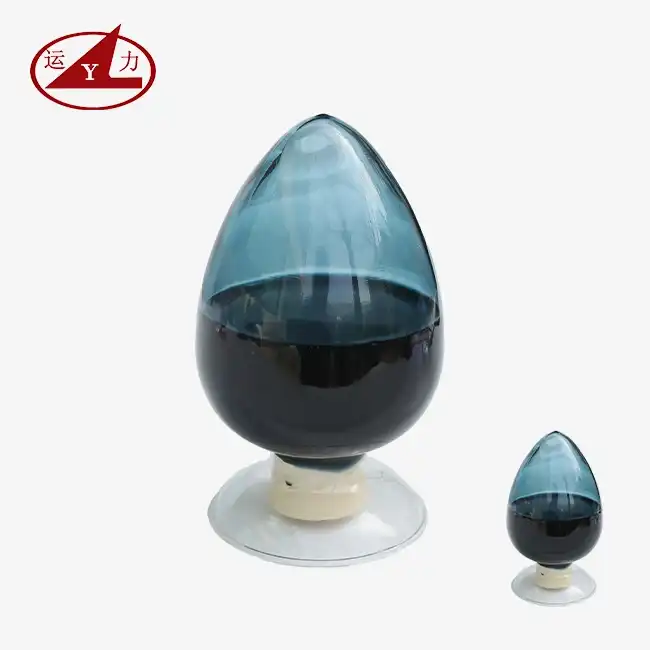
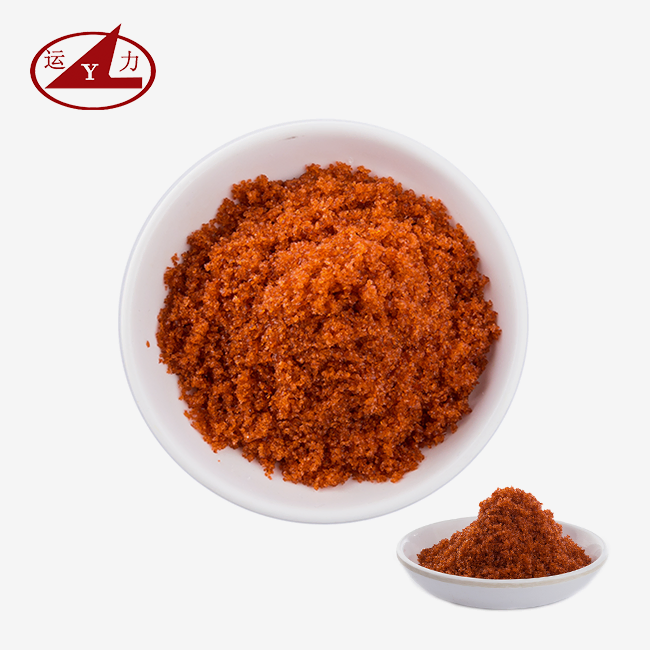
Ni(NO₃)₂·6H₂O has a molecular weight of 290.81 g/mol. It appears as blue-green monoclinic crystals with a specific density of 2.05 g/cm³ and a melting point of 56.7°C. The six water molecules in its crystal lattice give it strong hygroscopic behavior — it absorbs ambient moisture readily and can disintegrate in dry air if improperly sealed.
Solubility and Thermal Behavior
Its solubility exceeds 100 g per 100 mL of water at 20°C, making it one of the most water-soluble nickel salts available. It is also soluble in alcohol and slightly soluble in acetone. Thermally, it loses water progressively above 56.7°C, converts to the anhydrous form near 100°C, and fully decomposes to nickel oxide (NiO) between 260°C and 300°C — leaving no sulfur or chlorine residues behind.
Safety and Handling Requirements
The compound is classified as UN 2725, Oxidizer Class 5.1. Contact with organic materials can cause ignition, and ingestion is harmful. Proper storage demands sealed containers in cool, dry conditions below 30°C with humidity control. A full Safety Data Sheet (SDS) is required for compliant handling and transport under IMDG/IATA regulations.
Comparing Nickel Nitrate Hexahydrate with Key Nickel Salts
If you choose the incorrect nickel salt, it could damage the catalyst, cause problems in the coating, or stop battery precursor runs from happening. You can compare the main choices in the ways that matter most to people who have to buy a business.
Nickel Nitrate Hexahydrate vs. Nickel Sulfate
A great deal of people use nickel sulfate hexahydrate in Watts baths for electroplating. But sulfate anions stay in the leftovers after calcination, and they can damage the nickel sites that help with hydrogenation and steam reforming. Nickel nitrate hexahydrate is quickly broken down into NiO, which leaves no sulfur behind. Because of this, it is the best base for impregnating catalysts, since the surface cleanliness affects the frequency and sensitivity of turnover.
Nickel Nitrate Hexahydrate vs. Nickel Chloride
If you heat nickel chloride to a high temperature, it gives off chloride ions that eat away at stainless steel reactor vessels. Chloride poisoning also lowers the quality of the result when high-temperature clay and catalysts are used. The nitrate salt doesn't pose any danger at all. If protecting the bath equipment from corrosion is important for electroplating, switching from nickel sources based on chloride to nickel sources based on nitrate can make the equipment last longer and cost less to maintain.
Nickel Nitrate Hexahydrate vs. Nickel Acetate
Nickel acetate is not too acidic, so it is sometimes used in specialty treatments and lab work on a small scale. But it's not as good for industrial processes that need to work at high temperatures because it costs more to make, doesn't hold up as well at high temperatures, and breaks down in a more complicated way that leaves behind carbon residues. Nickel nitrate hexahydrate is a better choice for companies that need to keep a close eye on purity and make catalysts or battery preparations. It is cleaner and less expensive.
Procurement Insights for Nickel Nitrate Hexahydrate and Alternatives
Getting the right information about a product is only half of the job when you want to buy something. For production to keep going, it's important that suppliers can be counted on, prices are fair, and transportation rules are followed.
Purity Grades and Pricing Factors
Nickel must be at least 98.5% pure for it to be used in industry. It needs to be at least 99.5% pure, with heavy metals like Fe ≤30 ppm, Cu ≤5 ppm, and Pb ≤2 ppm being strictly limited. As nickel prices move live on the London Metal Exchange (LME), prices tend to follow suit. When sellers offer adjusted pricing, they lower the risk that big buyers will lose money when the price of a product changes.
Supplier Vetting and Documentation
You should get a Certificate of Analysis (CoA) for each batch from a supplier you can trust. This should include trace metal data from an ICP-OES or ICP-MS device as well as all the paperwork you need to follow safety rules. Companies that make catalysts and battery materials need to make sure that the nickel amount stays the same from batch to batch (19.8% to 20.2% on average). Because it costs a lot in the end for different production runs to not work the same way.
Logistics and Packaging Considerations
Because it is a Class 5.1 oxidizer, according to UN 2725, nickel nitrate hexahydrate must be shipped in line with Packing Group III. The solid product comes in 25 kg PE bags, and the liquid nickel nitrate solution in tank containers doesn't need to be dissolved on-site, which saves time and work. Plants that need to move a lot of stuff quickly will benefit from this the most. With a provider that lets you pick your own order format and minimum amount, you can get packaging and concentration levels that are just right for you.

Industrial Applications and Practical Benefits of Nickel Nitrate Hexahydrate
In many fields, this nickel salt is better for the process than other nickel compounds in ways that are easy to measure.
The incipient wetness impregnation technique can be used because the mixture is very easy to dissolve. Some nickel fluid is put on top of a porous clay base (alumina, silica) in this method. This spreads the nickel out at the atomic level. When NiO is heated, it changes into a very powerful catalyst that is used in SMR and hydrogenation of vegetable oils.
A study found that how evenly the nickel precursor enters the support holes is directly linked to the catalyst's surface area and the speed at which it turns over. Solutions based on nitrate always work better than those based on sulfate or chloride in this situation.
Here are some of the most important ways this chemical improves performance in key industries:
- Catalyst Manufacturing: Clean decomposition to NiO at 260–300°C leaves no halide or sulfate residues, preventing catalyst poisoning. Liquid solution formats reduce energy input by 15–20% by skipping the dissolution step in impregnation lines.
- Electroplating and Surface Treatment: Sulfate-free bath formulations improve coating adhesion and comply with RoHS wastewater discharge standards, extending equipment service intervals.
- Battery Precursor Production: Ultra-pure grades with Cu ≤5 ppm and Pb ≤2 ppm support consistent NCM/NCA precursor lattice formation, directly influencing energy density and cycle stability in lithium-ion cells.
- Ceramic Coloring and Pigments: The compound provides stable, uniform brown-to-green pigmentation even under the thermal gradients of industrial firing kilns.
Because of these advantages of nickel nitrate hexahydrate, failures happen less often, processes are shut down less often, and product quality stays stable. As long as you have an NCM precursor output line or a catalyst impregnation line going, these results will happen.
How to Decide Between Nickel Nitrate Hexahydrate and Other Nickel Salts
The right nickel salt depends on three practical questions: What temperature does your process reach? What anion residues can your downstream application tolerate? And what purity level does your end product require?
Match Salt Chemistry to Process Temperature
If your process involves calcination above 250°C — as in catalyst manufacturing or ceramic firing — the clean decomposition profile of the nitrate form gives it a clear advantage. Sulfate and chloride salts leave residues that degrade performance at those temperatures.
Evaluate Impurity Tolerance by Application
Battery precursor and electronic-grade applications are the most sensitive to trace metals. Iron affects voltage consistency in NCM cells; calcium and magnesium disrupt lattice formation. Electroplating applications are more tolerant of minor impurity variation but still benefit from chloride-free nickel sources that protect bath equipment.
Assess Supplier Technical Support
Beyond the product itself, suppliers with in-house R&D labs, ICP-MS analytical capability, and proven experience in hazmat logistics reduce procurement risk significantly. A supplier that can provide customized impurity profiles, flexible hydration formats, and indexed pricing offers compounding value beyond the base product price.
Conclusion
Nickel nitrate hexahydrate works better than nickel sulfate, chloride, and acetate in applications that need high temperatures and high purity. Because it is clean, easy to dissolve, and comes in different grades, it is a good first choice for companies that make catalysts, battery materials, and electroplating.
It is important to get the right salt for your process chemistry from a seller whose analytical skills have been checked and who follows hazmat rules. This will protect both the quality of your product and the continuation of your supply chain. This comparison makes it easy for the expert and buying teams to make their choice.
FAQ
What is the shelf life of nickel nitrate hexahydrate, and how should it be stored?
When stored in tightly sealed containers below 30°C with controlled humidity, the compound maintains specification for at least 24 months. Exposure to moisture causes caking due to its hygroscopic nature and low melting point of 56.7°C.
Can nickel sulfate replace nickel nitrate hexahydrate in catalyst production?
Not reliably. Sulfate anions remain after calcination and can poison nickel active sites in hydrogenation catalysts. The nitrate form is specifically preferred because it decomposes to pure NiO without leaving reactive residues.
How do I verify the purity of a supplied batch?
Request a CoA showing nickel content (target 19.8%–20.2%), water insolubles (<0.005%), and ICP-OES data for Fe, Cu, Pb, Zn, and Cl. Chloride content should be below 50 ppm for reactor-grade applications.
Is liquid nickel nitrate solution available, and what are its advantages?
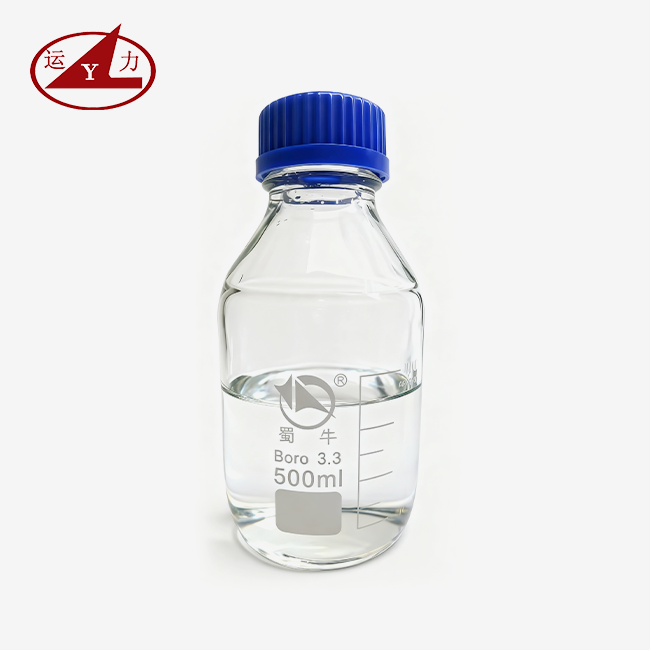
Yes. Liquid solution format eliminates on-site dissolution, reduces energy consumption, and speeds up impregnation processes. It is particularly useful for high-throughput catalyst and surface treatment operations.
What UN classification applies to this compound during shipping?
It is classified as UN 2725, Class 5.1 (Oxidizer), Packing Group III. Full IMDG and IATA compliance is required for international shipment.

Partner with Yunli Chemical for Your Nickel Nitrate Hexahydrate Supply
It has been more than 20 years since Yunli Chemical sold highly pure nickel salts to businesses that make catalysts, batteries, and surface treatments. The business makes more than 1 billion yuan a year and is ISO 9001, ISO 14001, and OHSAS approved. Nickel nitrate hexahydrate is something we make and sell directly. Our goods are really pure (99.5% or more), can be liquid or solid, and we offer free samples of up to 500 g. There is no minimum amount that you must buy. You can email us at wangjuan202301@outlook.com or visit yunlichemical.com to get a price quote or a full information.
References
1. Richardson, J.T. Principles of Catalyst Development. Springer, 1989.
2. Schlesinger, M. & Paunovic, M. Modern Electroplating, 5th ed. Wiley, 2010.
3. Roine, A. HSC Chemistry Thermodynamic Database. Outotec Research, 2007.
4. Whittingham, M.S. "Lithium Batteries and Cathode Materials." Chemical Reviews, 2004.
5. Cotton, F.A. & Wilkinson, G. Advanced Inorganic Chemistry, 6th ed. Wiley-Interscience, 1999.
6. Kirk-Othmer. Encyclopedia of Chemical Technology: Nickel Compounds. Wiley, 2001.